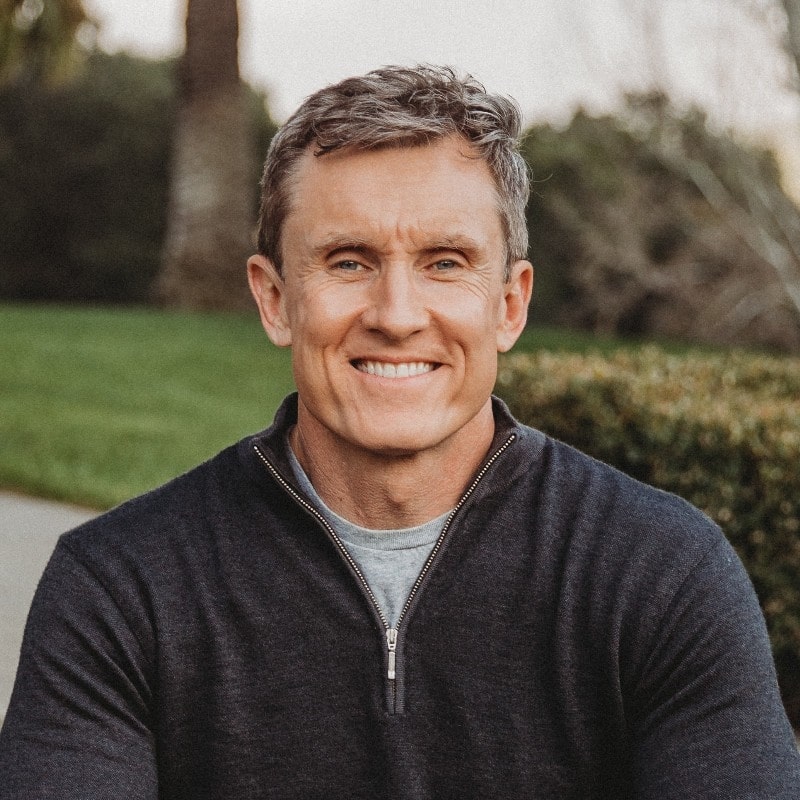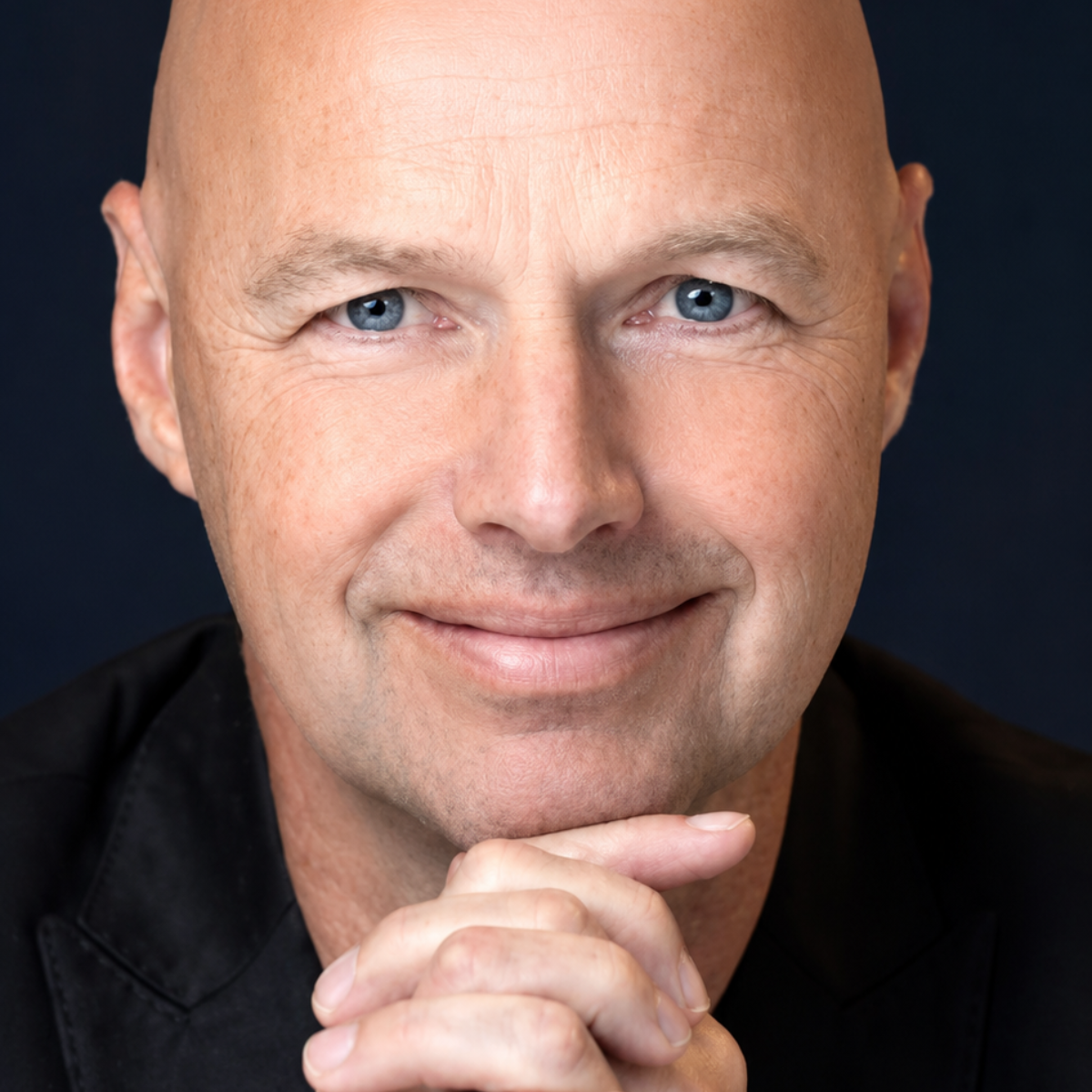


Janet: I was raised in the UK, in London, and I was educated in the UK. I did travel, but I did do a law degree, you’re right. I did think, as I was growing up, I wasn’t quite sure what I wanted to do as a career. Funnily enough, I was influenced somewhat in the 80s by a program that you’re probably too young to know, called LA Law. I was influenced by some of the programs that I was consuming, and I thought law might be a good option. More strategically, I’ll give myself credit, I thought that given I didn’t know what I wanted to do, if I could get into a well-respected university or college and obtain a good law degree, not too much could go wrong with that as a foundation.
I recently went one-on-one with Janet Garcia, CEO of PSI Services and President of ETS.
Adam: Before joining the corporate world, you were interested in becoming a lawyer. What drove that interest, and what did you learn from working in the field of law?
Janet: I was raised in the UK, in London, and I was educated in the UK. I did travel, but I did do a law degree, you’re right. I did think, as I was growing up, I wasn’t quite sure what I wanted to do as a career. Funnily enough, I was influenced somewhat in the 80s by a program that you’re probably too young to know, called LA Law. I was influenced by some of the programs that I was consuming, and I thought law might be a good option. More strategically, I’ll give myself credit, I thought that given I didn’t know what I wanted to do, if I could get into a well-respected university or college and obtain a good law degree, not too much could go wrong with that as a foundation.
While studying law, and after going on to be a paralegal in Australia, it became apparent to me that entering the law industry was not one that I was going to get to the top of. I could tell that I was surrounded by individuals who were far more motivated to become partners and to excel in law than I was. They were more committed to law as a profession. I saw it more as a means to an end. It looked good on my CV and resume, and it served me well in that respect. Fairly early on after graduating, I realized this was unlikely to be an industry where I would compete at the level I wanted. I was always more interested in business and commercial aspects. Instinctively, I was drawn to the business world. So I pivoted and used the credibility of my degree to move into the commercial world, working for an educational publisher in sales and marketing. I started directly in the commercial function rather than the legal one. Law still serves me well. Just this morning, I was speaking with our in-house counsel about a large legal issue we’re dealing with. It’s an excellent foundation, but it wasn’t for me. I knew I would be mediocre at best in law, whereas I felt I could reach the top in a different field if I followed where my heart was, which was business and the commercial world.
I observed early on that I was surrounded by individuals whose commitment was significantly greater. Back in the 90s, law students spent endless hours in law libraries surrounded by statute books. Some of these people came from families of lawyers. Law was ingrained in them. From week one, they were in the law library nine to five, studying constantly. While I worked hard, I wasn’t driven by the technical detail of clauses and statutes. I was far more interested in contract law, tort law, company law, and the business context behind cases. Their end goal was a successful law career. Mine was simply a successful career. I didn’t have that singular focus. When I entered publishing and education, I worked incredibly hard. It was meritocratic. It rewarded results, targets, and revenue. I had endless energy for that.
I just didn’t have the same appetite for law itself. It was a means to an end for me. I knew the level of commitment they were willing to give would take them far, and I didn’t share that appetite. I wanted to apply my work ethic where I had passion. I wasn’t in the law library from nine to five. I was in the pub with friends, trying to figure out my real purpose. When you know, you know. You can usually tell what lights you up. Early in my career, I learned the most from the CEOs I worked for. I watched how they got results, motivated people, and created culture. That fascinated me. From my first job, I paid close attention to leadership styles. When I stopped learning from a leader, I knew it was time to move on. I intentionally moved to companies with different leadership approaches so I could keep learning. I was fortunate to have incredible role models. I still keep in touch with many of them. My leadership style today is a blend of what I learned from each of them.
Adam: How can anyone pivot careers successfully?
Janet: Yeah, it’s an excellent question, and it is one that I have thought a lot about in every decision that I’ve made to move. When I’ve made career moves, I have always been very intentional, with the exception of one, which was the one mistake for one year on my CV. With that one exception, I was extremely intentional about the move that I was making. I went from being an individual, quota-bearing salesperson, and thought, okay, I do not want to do that anymore. I want to apply these commercial skills in a different way. I do not want to be the individual contributor. I want to apply this knowledge in a broader, more strategic way. So I moved from sales into product management, for example. That was still in the broad educational learning field, but I moved around different companies. Some were technology-based, some were consulting-based, some were international, some were European, some were American. I was gaining more experience with each move, but it was very intentional.
I would always start with something that I knew I enjoyed and recognized that I had strengths in, and then look at what aspects were not fully satisfying or stimulating. Whether it was the industry, the culture, the management style, the role, or the scope, I would identify what needed to change. I really encourage people to push their comfort zone. It is unusual for people to move from something completely unrelated to something entirely different. Most moves are adjacencies. So my advice would be to be intentional. Know what your strengths are that you want to keep using, and know what is missing that you want in your next role, to see whether that gives you the fulfillment you are looking for.
Adam: What were the keys to rising within your career?
Janet: I should have anticipated that question. There are a few things. It is never just one. First is hard work. Being committed to the goal and doing a good job. Really understanding what is being asked of you and delivering, and then delivering a little bit more. Thinking about what people are actually expecting of you in whatever role you are in, and making sure you exceed that. I am a big believer in under-promise and over-deliver. Not telling everyone how great you are and then falling short. There is a certain amount of humility in consistently over-delivering, and that is something I have always tried to do. The third is leadership. I have always been fascinated by leadership, and I think I displayed leadership qualities from a very early age, even before I understood what that meant. I watched senior leaders closely and adopted the behaviors and attributes that I saw were effective.
Even when I was not in a leadership position, I tried to lead without authority. Leadership can be displayed at any level. The most junior person in an organization can show leadership. I think showing leadership early got me noticed. People trusted that I could handle responsibility, so I was given opportunities to lead projects. Those projects went well, which led to more opportunities. I never asked for promotions. I never demanded them. They came organically through taking on responsibility, delivering results, and building strong relationships. Culture mattered a lot. In the right culture, success gets noticed.
Adam: What qualities did you observe among the most successful leaders you were around? What do you believe are the key qualities of the most successful leaders?
Janet: As I progressed, I saw different leadership qualities in different people. One of the first CEOs I worked for ran a very meritocratic and commercial organization. He invested heavily in culture. It was a fun place to work; people were supported, trained, and set up for success. At the same time, expectations were very high. If you were not performing, it was uncomfortable. That high-performance culture really resonated with me. Another CEO I worked for was an incredible servant leader. He defied hierarchy and treated everyone the same. He took a genuine interest in people across the organization and made people want to help him succeed. He was approachable, authentic, and not intimidating at all. The third quality was clarity. Having a clear plan and communicating it well so people knew exactly what they were working toward. That clarity eliminated wasted effort and confusion. The last is vision. I remember watching a leader present her vision and feeling completely bought in. I saw the power of aligning people behind a single mission. That ability to rally people around a shared vision is incredibly powerful. So the qualities I value most are high-performance culture, authenticity and approachability, clarity, and vision.
Adam: How can leaders build a high-performance culture?
Janet: It starts with being very clear about what high performance actually means. Not just saying it, but defining it and measuring it. I’m much more of a carrot than a stick person. Rewarding good performance. Reinforcing positive behaviors. Giving opportunities to people who deliver. Encouraging people to take risks and try things. Not punishing them when something doesn’t work. Learning quickly and moving on. Avoiding a blame culture is critical. People cannot perform at a high level if they are constantly worried about protecting themselves. It also requires significant investment in your team. Spending time together. Understanding each other. Building trust. High performance is about teams, not individual heroes. I will go above and beyond for my team. When you invest deeply in people, they show up when it matters.
Adam: How can anyone lead without authority?
Janet: I remember a moment when the difference between management and leadership really clicked for me. Management focuses on tasks and deliverables. Leadership focuses on people. Instead of asking when someone is going to give you what you want, leadership asks what you can do to help that person succeed. Even without authority, you can lead by removing obstacles for others. If you are part of a team, success depends on everyone remembering that the work only succeeds if everyone does their part. If you focus on helping others do their best work, the team succeeds.
I see myself as serving my team, not the other way around. My success depends entirely on thousands of people doing their jobs well. If they succeed, the organization succeeds. You are only as good as the weakest member of your team. If someone is struggling, the responsibility is to help them get stronger.
Adam: What do you look for in the people you hire? What are your best tips on hiring?
Janet: Hiring is everything. You are only as good as the team you build. Hire in haste and repent at leisure. If you ever find yourself thinking someone will do, stop. You have to be excited about the people you hire. I waited 18 months to fill a role because I wasn’t excited about the candidates. Competence matters, but culture and fit matter just as much. Hiring is a partnership. I want to understand why people made the career moves they made, and whether this role is truly what they want. A toxic hire can destroy culture. If there are red flags, it is better to leave the role unfilled than make the wrong hire. In difficult markets, interim or contract roles can help. But never compromise on values.
Adam: What are the keys to excelling and leading in a global landscape?
Janet: Know yourself. Be flexible. Appreciate cultural differences. Different cultures operate differently. What works in one country will not automatically work in another. Being well-traveled helps build that understanding. Flexibility with time zones and travel matters. Building relationships and listening matters even more. If you cannot be flexible, international work may not be the right fit. To succeed globally, you need openness, adaptability, and respect for differences.
Adam: Is there anything else you would like to share?
Janet: Leadership is a huge responsibility. You are responsible not just for results, but for people’s careers and livelihoods. That responsibility requires humility. Enjoy the role, but never forget the weight of what leadership means.