
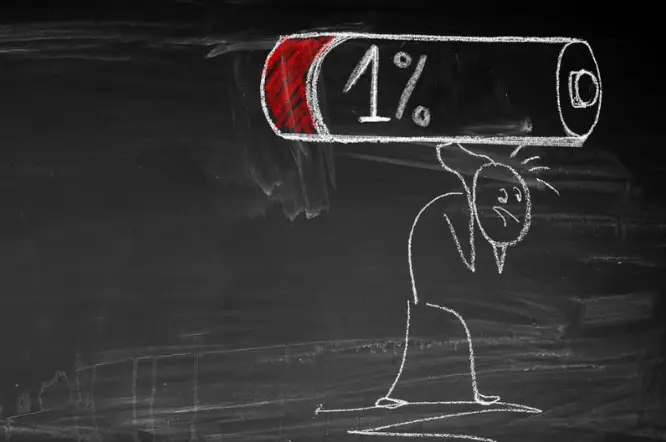
Leadership burnout rarely starts with a breaking point. It builds in ways that are easy to miss while everything still looks like it’s working. You take on a little more because it helps. You get pulled into something because it moves faster with you involved. Someone checks in before making a call, and you give a quick answer. None of it feels like a problem, and most of the time it feels like progress. The issue isn’t any single decision. It’s how those decisions accumulate and quietly change what the role demands from you.
As that accumulation builds, the role starts to shift. More decisions come your way, more people wait before moving, and work that used to stay within teams begins to move upward. You don’t notice it immediately because each moment feels justified. Over time, though, you find yourself involved in almost everything. Your day fills with decisions that didn’t used to be yours, and most of them aren’t important enough to justify the attention they take. They’re simply constant. That’s when leadership burnout begins to take hold, not because the work is unusually hard, but because it no longer has a clear boundary.
The Role Expands Until Everything Runs Through You
Senior roles don’t come with fixed limits. The boundaries are defined by behavior, not by title or job description. If you stay involved in everything, everything eventually finds its way to you. It usually starts with reasonable instincts. You want to stay close to what matters, you want to maintain standards, and you want to keep the business moving. Stepping in feels efficient, and in the short term it often is.
The problem is what that behavior creates over time. People adjust to your involvement. They begin including you earlier, checking decisions before acting, and holding work until you’ve weighed in. This isn’t a capability issue. It’s a system adapting to how you operate. Gradually, your role changes from setting direction to being part of the path every decision takes. That shift creates a constant demand for attention that doesn’t turn off when the workday ends.
Leaders who keep this from taking over tend to act earlier than feels comfortable. They limit where they’re involved and stay consistent, even when it would be easier to step in. That often means allowing decisions to move forward without them and accepting outcomes that aren’t exactly how they would’ve handled them. The trade-off is control in the short term in exchange for sustainability over time.
Responsiveness Changes How the System Behaves
Responsiveness is one of the easiest habits to justify in a leadership role. When you answer quickly, you remove friction, unblock teams, and keep things moving. It signals engagement and commitment, and in many situations it improves execution. That’s why it becomes a default behavior for many leaders.
Over time, however, the system begins to adjust. People become less likely to make decisions independently because they know they can get your input quickly. Questions surface earlier, and issues are escalated sooner than they need to be. The volume of communication increases, and much of it is driven by expectation rather than necessity. The more consistently you respond, the more the organization builds around that responsiveness.
This is where leadership burnout deepens. The workload itself may not change dramatically, but the number of things requiring your attention increases. Much of that attention is fragmented across small decisions that don’t fully resolve. The pattern carries into time outside of work as well. A quick check turns into a longer interaction, and it becomes difficult to fully disengage because something always feels unfinished. Changing this dynamic requires adjusting how and when you engage so the system can recalibrate around more deliberate involvement.
Lack of Clarity Turns Small Issues Into Constant Load
A significant portion of leadership burnout is driven by how decisions are structured within the organization. When ownership is unclear, people look for confirmation. When expectations aren’t well defined, they look for approval. When priorities shift too often, they look for direction. Each of these behaviors is rational in isolation, but together they create a steady flow of work that moves upward.
That flow doesn’t appear as a single problem. It shows up as a constant stream of check-ins, partial decisions, and repeated conversations. Each one is manageable, but collectively they create a workload that never fully clears. Delegation alone doesn’t solve this. If the underlying clarity is missing, work returns in the form of questions and revisions that still require your time.
Creating clarity changes how work moves. When people understand what they own, how to make decisions, and where boundaries sit, fewer issues need to be escalated. There’s often a period where things feel less controlled while the organization adjusts. Some decisions won’t land perfectly. Leaders who remain consistent through that period begin to see a reduction in volume and a shift in how responsibility is distributed. This pattern shows up repeatedly in how experienced leaders describe the evolution of their roles, including in discussions on Thirty Minute Mentors and Leadership Today.
Stability Outside Work Affects Performance More Than Expected
As leadership burnout builds, the margin for disruption becomes smaller. Situations outside of work that would’ve been manageable earlier begin to have a larger impact because there’s less capacity to absorb them. When routines are inconsistent or constantly changing, it introduces additional decisions and adjustments that carry into the workday.
Leaders who manage this effectively tend to reduce variability where they can. This often involves creating more consistent routines and, in many cases, adding support to stabilize daily operations. Childcare solutions such as goaupair.com are often used in this context, not simply to save time, but to reduce the number of variables that need to be managed each day. That reduction in friction allows for more consistent focus and engagement.
The same principle applies within the organization. When fewer elements are constantly shifting, it becomes easier to operate with clarity and intent. Stability doesn’t remove pressure, but it changes how that pressure is experienced and managed over time.
Leadership Burnout Builds Quietly and Persists
Leadership burnout rarely announces itself clearly. From the outside, performance often appears consistent. The business continues to move, decisions are made, and responsibilities are met. The underlying strain develops gradually as the role continues to expand and the volume of involvement increases.
Leaders who sustain performance over time pay attention to where their role is drifting. They look at what’s being pulled toward them, what truly requires their involvement, and what can operate without it. They make adjustments before the accumulation becomes unmanageable. These conversations often surface most clearly in live leadership settings where patterns are discussed openly.
This isn’t something that resolves permanently. As the business evolves, the role evolves with it, and similar pressures reappear in different forms. Managing leadership burnout becomes an ongoing part of the role, requiring continued attention to how work is structured and how involvement is defined.