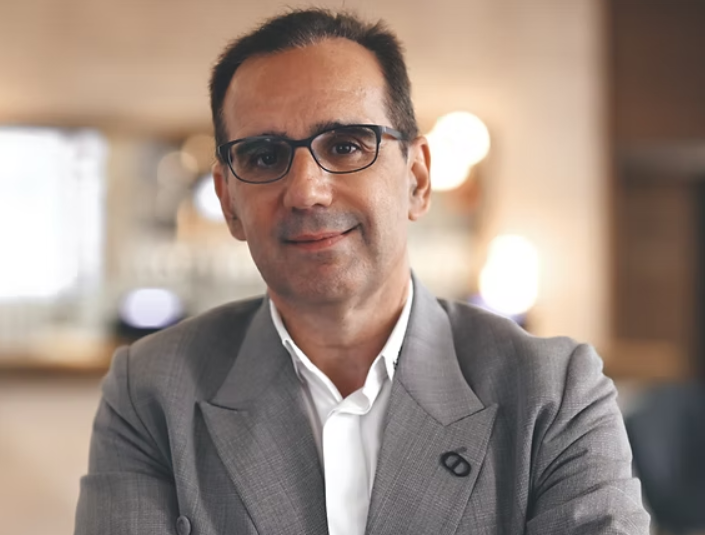

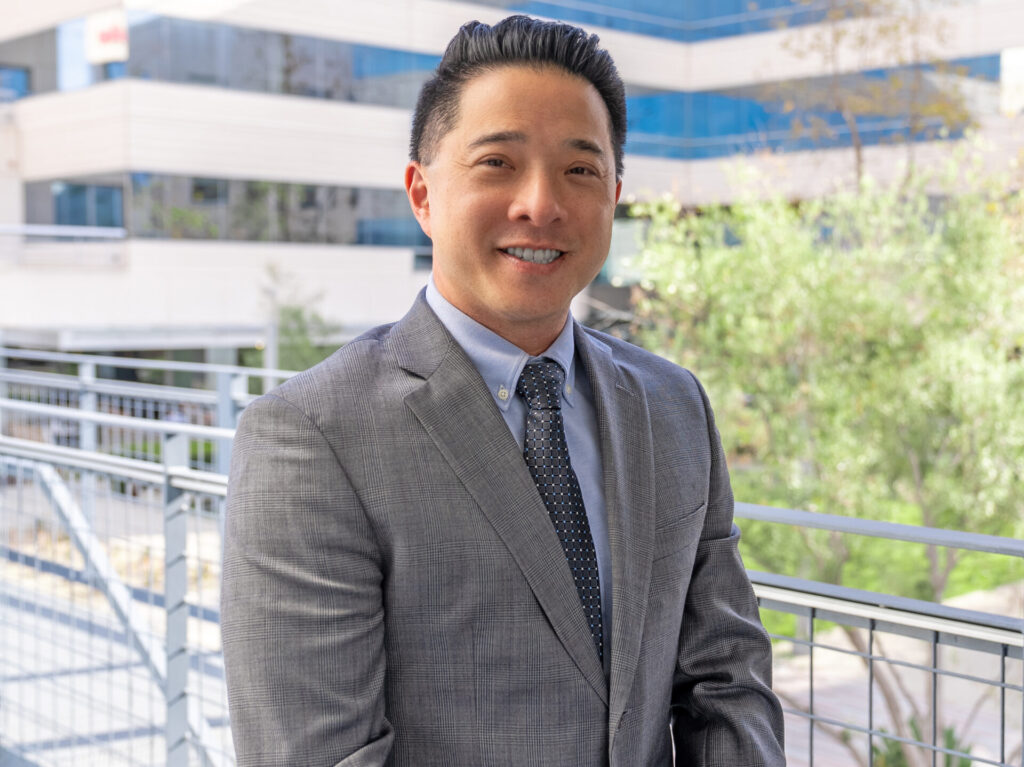
I recently went one-on-one with Dr. Anthony Lee, President and CEO of Westcliff University.
Adam: Thanks again for taking the time to share your advice. First things first, though, I am sure readers would love to learn more about you. How did you get here? What experiences, failures, setbacks, or challenges have been most instrumental to your growth?
Anthony: My career never followed a straight path toward my current role as university president. Looking back, a lot of the experiences that shaped me came from periods where things were constantly changing, and I found that I had to learn to adapt. Early in my career, I thought leadership was more about having answers and projecting confidence. Over time, I realized it is much more about listening, staying curious, and being willing to evolve when circumstances change. Some of my most valuable lessons came from situations that did not unfold as expected. There were projects that had to be rethought, assumptions that turned out to be wrong, and moments where I realized that both industries and student expectations were changing faster than traditional systems. Those experiences tend to make you more flexible and more open-minded.
One valuable lesson learned was that organizations can become disconnected from reality if they rely too heavily on what worked in the past. That is especially true in higher education right now, because technology and workforce expectations are changing so quickly. That mindset has heavily influenced how I approach things at Westcliff. I try to stay connected to what is happening in industry, entrepreneurship, and emerging technology rather than operating in isolation. At the same time, leadership has also taught me humility. No matter how much experience you gain, there is always uncertainty, and there is always more to learn. I believe that leaders who continue growing are the ones who have remained adaptable and intellectually curious.
Adam: What would surprise people most about the role of a university president and how you allocate your time, energy, and focus?
Anthony: I think many people assume the role of university president is mostly administrative or academic, but a large part of the job is about anticipating change. You spend a great deal of time thinking about where industries are heading, how technology is reshaping society, what employers need, and how students are evolving. Another thing that surprises people is how relationship-driven the role is. A university president spends a lot of time listening to students, faculty, staff, employers, community leaders, and industry partners. I also spend a significant amount of time thinking about institutional culture. Strategy matters, but culture often determines whether an institution can adapt and innovate effectively.
Artificial intelligence has become a major area of focus in all aspects of higher education. Universities have a responsibility not only to teach students how to use AI tools, but also how to think critically, ethically, and creatively in an AI-driven world. At the same time, higher education leaders today are increasingly balancing long-term vision with rapid operational change. The pace of technological and workforce transformation means universities cannot operate on outdated timelines anymore.
Adam: What are the biggest challenges you face as a leader in higher education today? How are you navigating them?
Anthony: I believe the biggest challenge right now is the rapid pace of change. Higher education is operating at a time where technology, workforce expectations, student behavior, and economic realities are all shifting simultaneously. Artificial intelligence has accelerated that even further. Universities are being forced to ask some very difficult questions. How do we prepare students for jobs that may not fully exist yet? How do we rethink assessment in a world where AI can instantly generate information? How do we preserve critical thinking and authentic learning while also embracing new technology? At Westcliff, we have tried to approach AI proactively rather than defensively. My view is that resisting technology rarely works long-term. The better approach is understanding how these tools can enhance learning while also making sure students continue developing communication skills, creativity, judgment, and critical thinking.
Another challenge is maintaining relevance. Students today want to understand how education connects to the real world. They want stronger links to industry, entrepreneurship, innovation, and workforce opportunities. I also believe universities must become more agile organizationally. Historically, higher education moves slowly, but industries no longer operate on those timelines. Universities must step up to remain in synch. What I try to remind people is that uncertainty is not necessarily a sign of failure. We are living through one of the most transformative technological periods in modern history. The goal is not to pretend we have every answer. The goal is to remain adaptable, thoughtful, and student-centered while navigating change responsibly.
Adam: In your experience, what are the keys to managing change and leading through uncertainty?
Anthony: One of the most important things leaders can do during uncertain times is to communicate clearly and honestly. People do not expect leaders to predict the future perfectly, but they do expect transparency, direction, and consistency. Adaptability is also critical. Leaders who become too rigid or overly attached to old systems tend to struggle during periods of disruption. I also believe culture plays a major role. Organizations innovate more effectively when people feel comfortable sharing ideas, experimenting, and learning from mistakes.
Another important lesson is that uncertainty often creates emotional fatigue inside organizations. Strong leaders help create stability by remaining calm, focused, and forward-looking. Finally, I think leaders need to view change not only as a challenge, but also as an opportunity. Every major technological shift throughout history has disrupted existing systems, but it has also created entirely new possibilities.
Adam: What do you believe are the defining qualities of an effective leader?
Anthony: I strongly believe that effective leadership starts with humility. The strongest leaders I have known are usually not the loudest people in the room. They are the people who remain willing to listen, learn, and evolve. I also believe that adaptability is incredibly important. The world is changing too quickly for leaders to rely entirely on past experience. Good leaders stay intellectually flexible. Empathy matters a great deal. Leadership is fundamentally about people. If you do not understand what motivates people or how they experience change, it becomes very difficult to lead effectively.
Another important quality is courage. Leaders often must make decisions before there is perfect information available. That is especially true today. And honestly, I think curiosity may be one of the most underrated leadership qualities. Curious leaders continue learning. They remain open to new perspectives and avoid becoming complacent.
Adam: How can leaders and aspiring leaders take their leadership skills to the next level?
Anthony: One of the best ways to grow as a leader is to place yourself in environments that challenge your thinking. Indeed, real growth often happens when you engage with people from different industries, cultures, and perspectives. I also encourage aspiring leaders to spend more time listening. Leadership is not just about directing people. The ability to genuinely understand people is extremely valuable. Another important area is continuous learning. Technology and industries are changing too quickly for anyone to stop evolving. Most importantly, I believe leaders should remain authentic. People connect with authenticity far more than perceived perfection.
Adam: What do you believe are the most important skills needed to succeed in today’s and tomorrow’s workforce?
Anthony: Technical skills will continue evolving rapidly, especially because of AI and automation. But many of the most important future skills are deeply human skills. Critical thinking is essential because information is now everywhere. With the constant flow of data from countless sources, it becomes increasingly important to evaluate what is accurate, relevant, and trustworthy. Critical thinking helps individuals filter out misinformation, make informed decisions, and avoid being overwhelmed by the sheer volume of information. By questioning assumptions and analyzing evidence, people can better understand complex issues and respond thoughtfully in today’s fast-paced, information-rich environment.
Communication skills are also becoming even more valuable. People who can communicate clearly, collaborate effectively, and build relationships will continue to stand out. Adaptability is another critical skill. Many people entering the workforce today will work in roles that may not fully exist yet. Those who are adaptable can quickly adjust to new situations, learn new skills, and thrive in environments where uncertainty and innovation are the norm. Being adaptable also allows individuals to respond effectively to unexpected challenges, embrace new opportunities, and navigate transitions with confidence. In today’s rapidly evolving workplace, adaptability empowers people to stay relevant and succeed, regardless of how their roles or industries shift over time.
I also believe creativity and entrepreneurial thinking are increasingly important. People who can identify opportunities, solve problems, and think proactively will continue to have an advantage. This is because, in today’s rapidly changing world, organizations need individuals who are not only able to adapt but also drive innovation and growth. Creative and entrepreneurial thinkers can spot emerging trends, develop new solutions, and help their teams or businesses stay ahead of the competition. As technology and industries evolve, those who approach challenges with fresh ideas and a proactive mindset are better positioned to create value and succeed in uncertain environments.
Finally, AI literacy is becoming essential across nearly every profession. People do not necessarily need to become engineers, but they do need to understand how AI is shaping industries and how to use these tools responsibly and effectively.
Adam: What are your three best tips applicable to leaders in business, government, and education?
Anthony: First, remain adaptable. The pace of change today is extraordinary, and leaders who become too attached to old systems or assumptions will struggle.
Second, invest in people. Organizations ultimately succeed because of people. Building trust, supporting growth, and creating strong cultures matter tremendously.
Third, stay connected to reality. Leaders can become disconnected if they spend too much time operating inside organizational silos.
Adam: What is the single best piece of advice you have ever received?
Anthony: One of the best pieces of advice I have ever received was to stay curious. Curiosity keeps people learning, evolving, and growing. It helps leaders avoid complacency and remain open to new ideas and perspectives. The world changes too quickly for anyone to assume they already know everything they need to know.
Adam: Is there anything else you would like to share?
Anthony: I think we are entering one of the most transformative periods in modern history. Artificial intelligence and emerging technologies are reshaping how people learn, work, communicate, and innovate. Universities, businesses, governments, and communities will need to collaborate more closely than ever before. At the same time, I believe it is important that we continue emphasizing human development alongside technological advancement. Technology should enhance human potential, not replace human creativity, empathy, communication, and critical thinking. Ultimately, I remain optimistic. Every major period of disruption throughout history has also created new opportunities for innovation, growth, and progress.