
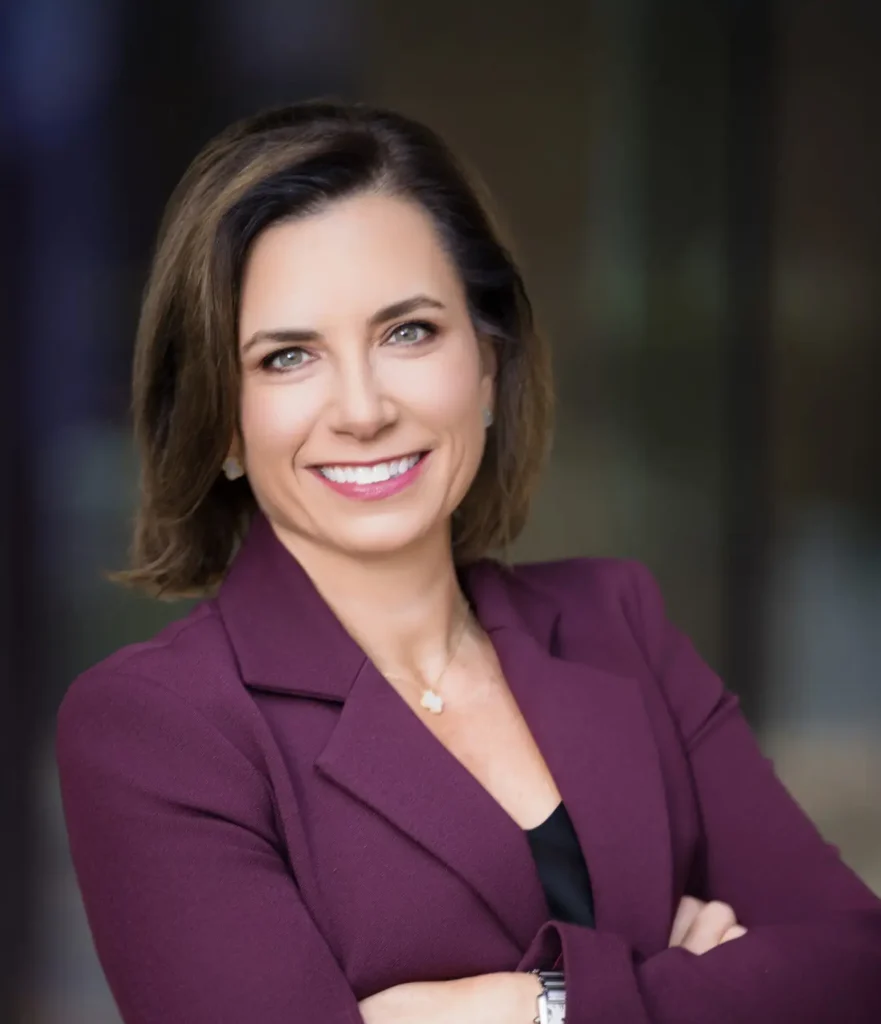
I recently went one-on-one with Michele Havens, Head of the U.S. Wealth Management business for BMO, in an interview coordinated around the 2026 Milken Institute Global Conference.
Adam: Thanks again for taking the time to share your advice. First things first, though, I am sure readers would love to learn more about you. How did you get here? What experiences, failures, setbacks, or challenges have been most instrumental to your growth?
Michele: Challenges have shown up differently at every stage of my career, but the consistent thread has been a willingness to keep growing into what was required next. Over 24 years at Northern Trust, I had the opportunity to take on a range of roles that steadily expanded in scope, and with each transition came the realization that what made me effective before would not be enough going forward. Each step required a shift in how I thought, led, and made decisions.
That pattern has continued in my current role leading U.S. Wealth Management at BMO. Growth rarely comes at a moment when you feel fully prepared, but stepping into those moments has been instrumental in shaping my perspective. Over time, that shift becomes less about personal execution and more about setting direction and enabling others to operate effectively at scale. It has also shaped how I develop leaders, with a focus on helping them grow into responsibilities they may not yet fully see themselves ready for.
Adam: In your experience, what are the key steps to growing and scaling your business?
Michele: In my experience, growing and scaling a business starts with being very clear on where you can create the most value and then maintaining that focus as you expand. Early success can come from momentum, but sustained growth requires discipline in how you deliver, especially as more people and teams become involved. That often means putting structure around what works so that the business can operate consistently without relying on a few individuals. As the organization grows, you also have to anticipate where scale will create pressure. Investing ahead of that in talent, infrastructure, and processes is not always comfortable, but it is necessary if you want to keep the business operating effectively.
Adam: What do you believe are the defining qualities of an effective leader?
Michele: I tend to think of leadership less as a style and more as a set of habits that people come to rely on. Consistency in how you show up matters more than any single decision, especially as teams grow larger and more distributed. Effective leaders are very aware of the signals they send.
There is also a practical side to leadership, which is making decisions with incomplete information and being comfortable standing behind them, knowing the trade-offs are not always visible to others. The leaders who are most effective balance that accountability with approachability. They create space for input, remain open to new information, and are willing to adjust when needed, without losing clarity of direction.
Adam: How can leaders and aspiring leaders take their leadership skills to the next level?
Michele: Early on, progress is closely tied to personal execution, but over time, leadership becomes more about how well you interpret what is happening across the business and where you focus attention. Growth at that stage comes from being more intentional about how you think, not just how you act. It’s less about doing more, and more about stepping back to see patterns, connecting disparate signals, and anticipating issues before they fully surface. That requires a shift in mindset as much as discipline, because your value is increasingly tied to judgment rather than output. The leaders who continue to evolve are the ones who become comfortable operating further from the details, while staying connected enough to step in when it matters most.
Adam: What are your three best tips applicable to entrepreneurs, executives, and civic leaders?
Michele: First, stay grounded in who you serve and what matters most to them, because that perspective tends to hold up even as conditions change.
Second, invest in relationships early and consistently, since they often become most important when decisions are complex and not easily resolved.
Third, take a long-term view of how you build. Results come and go, but the combination of sound decisions and trusted relationships is what ultimately drives lasting success.
Adam: What is your best advice on building, leading, and managing teams?
Michele: Be intentional about how you build and develop your team, while recognizing that strong teams take time to form. Growth often comes from giving people opportunities before they feel fully ready and supporting them through that stretch, which is often where the most meaningful development happens. Clarity is critical, especially around expectations, decision-making, and how work connects across the team.
From there, it is about creating an environment where people are encouraged to challenge each other and contribute different perspectives while staying aligned on outcomes. As a leader, your role shifts toward shaping that environment and staying attentive to where alignment or communication may be breaking down. Over time, the strongest teams become more self-sufficient, with performance that is consistent and not dependent on any single individual.
Adam: What is the single best piece of advice you have ever received?
Michele: The best advice I’ve received is to stay grounded in who we serve and the responsibility that comes with it. Our role is rooted in service and expertise, helping families protect what matters most, plan for their legacy, and make confident decisions at every stage of life. Keeping that perspective front and center brings a sense of purpose to the work and helps guide even the most complex decisions.
The most effective leaders maintain a clear and consistent focus on the client. That perspective not only brings clarity to decision-making but also helps teams stay aligned and focused on what truly matters. It creates a shared understanding of why the work is important and where to prioritize energy. It’s a discipline I’ve seen modeled by the best leaders and one I carry forward in how I lead every day.