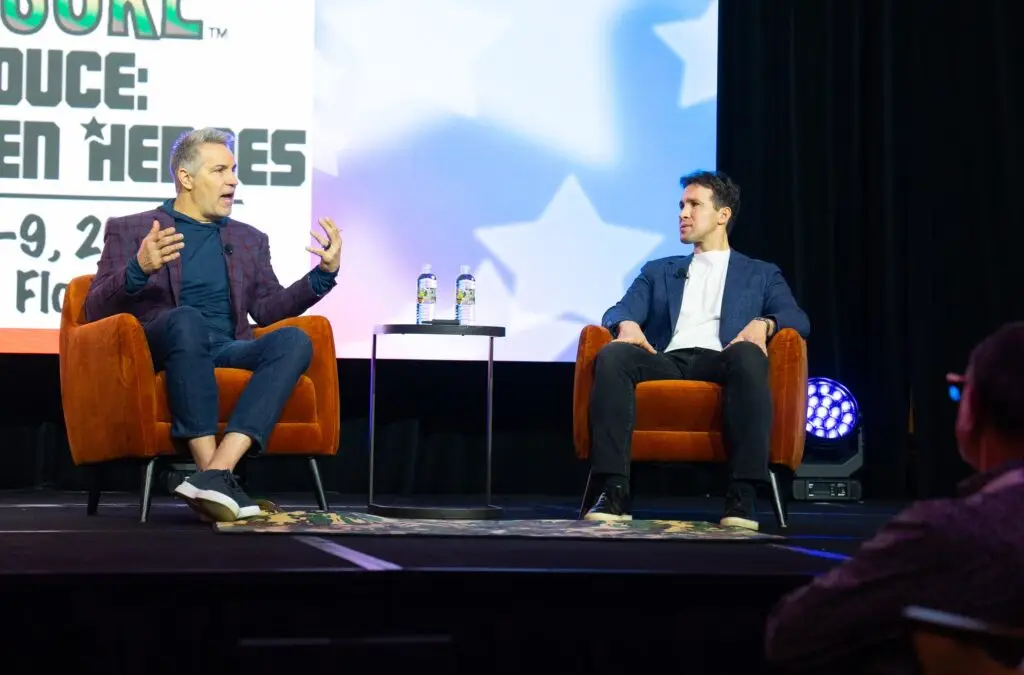

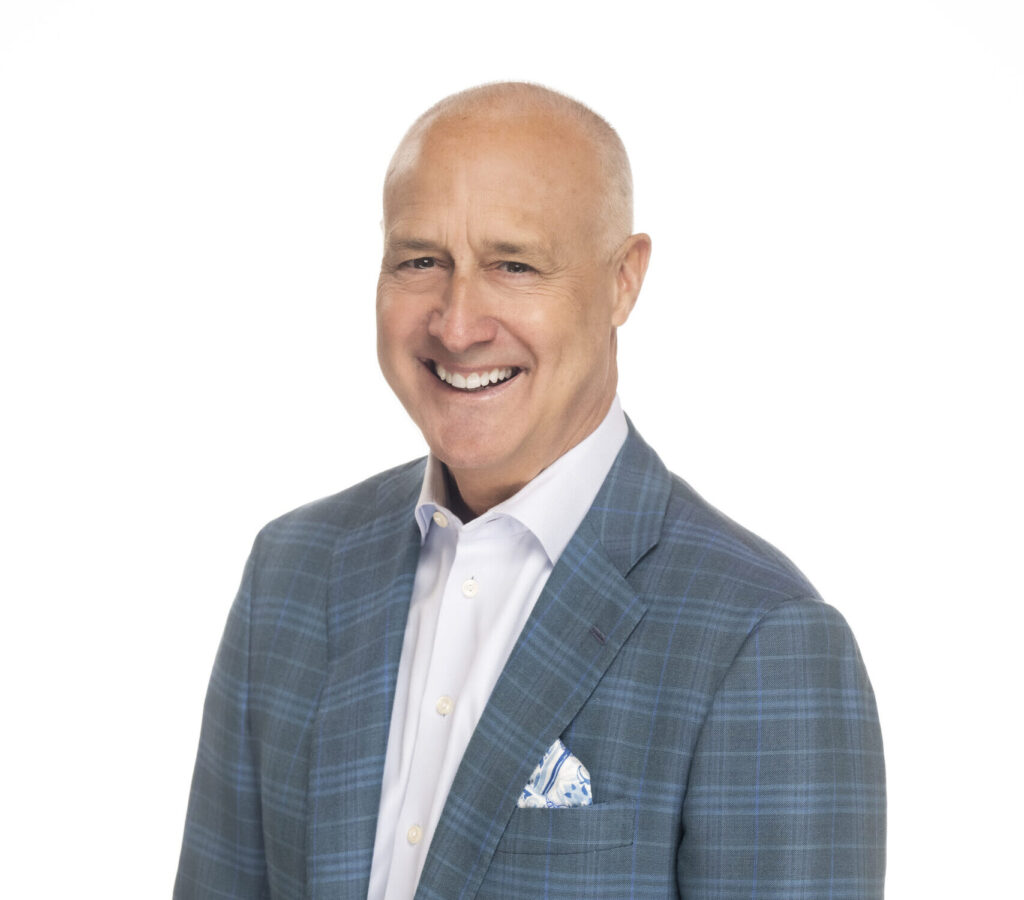
I recently went one-on-one with John Cochrane, CEO of HumanGood.
Adam: Thanks again for taking the time to share your advice. First things first, though, I am sure readers would love to learn more about you. How did you get here? What experiences, failures, setbacks, or challenges have been most instrumental to your growth?
John: Thank you for having me, Adam! For more than 17 years, I’ve navigated the senior living industry – a term, quite frankly, I don’t love, and we at HumanGood are moving away from – by serving as the Chief Executive Officer at HumanGood. My journey into leadership has been shaped by a simple realization that has grown stronger over time: as a society, we know more about health, longevity, and well-being than ever before. The opportunity now is turning what we know into actions that translate into direct impact – actually giving people more good years where they experience health, independence, connection, and purpose.
Throughout my career, the biggest learning moments have come from recognizing the limits of working in isolation. Early on, it becomes tempting for any organization or leader to try to own every piece of the puzzle, but real progress happens when you realize that no single entity has all the answers. A defining challenge for me was seeing how fragmented long-term wellness can be. It forced a fundamental shift in my approach to leadership: moving away from trying to solve every problem alone, and moving toward convening the right people, building cross-sector partnerships, and focusing relentlessly on practical, measurable outcomes that give people more good years where they experience health, independence, connection, and purpose.
Adam: What are the best leadership lessons you have learned from leading a non-profit organization?
John: The most profound lesson I’ve learned is that our goal shouldn’t be to lead an industry; it should be to lead a movement. In the non-profit world, true success is measured by impact. And impact can be bolstered in two ways:
First, partnerships are the true path to scale. The biggest opportunities to solve complex societal issues, like extending healthspan and expanding access to care, don’t come from isolated innovation. They come from bringing together complementary expertise across healthcare, housing, technology, government, philanthropy, community organizations, and more.
Second, data without impact is just noise. It’s easy to collect metrics or get enamored with the latest technological innovations, but if those insights don’t translate into simple, real-world improvements in people’s lives, they don’t matter. True non-profit leadership requires grounding every initiative in impact, not innovation alone.
Adam: What are your best tips for fellow leaders of non-profit organizations?
John: Embrace a mindset of shared responsibility and collaboration. It’s easy to focus solely on your own organization’s business objectives or impact goals, but the greatest progress comes from working together. Complex health and social challenges cannot be solved by any one organization, or even sector, alone. By leaning into cross-sector partnerships and recognizing our shared responsibility, we can achieve far greater impact than any organization could on its own.
Complexity is the enemy of impact. High-impact leaders will translate complex concepts into clear, simple, practical actions. If you overwhelm your team or the people you serve with dozens of initiatives, you paralyze progress. Identify the two or three levers that will make the greatest difference.
Design for scale and access from day one. Don’t build solutions that only work for a select few. Always ask how an initiative can broaden opportunity and be made practical and accessible for diverse populations, including underserved communities.
Finally, I would say measure what matters. Ask yourself constantly: Are we actually improving lives? Are we bending the health trend? Are we reducing downstream costs? Focus relentlessly on outcomes over activity.
Adam: In your experience, what are the defining qualities of an effective leader? How can leaders and aspiring leaders take their leadership skills to the next level?
John: Stop asking “What more can we do?” and start asking “Who else needs to be at the table?” Emerging leaders often think they need to have every answer. Exceptional leaders recognize where their expertise ends and then seek out partners who complement their strengths.
It’s also important to ground your work in a mission larger than your organization’s brand. When you elevate the dialogue around a broader challenge, such as how society supports living longer and healthier, you inspire real change and build credibility as a trusted voice.
Champion your teams by prioritizing their well-being, elevating their career paths, and providing holistic wellness benefits that prevent burnout. Build workplaces rooted in trust and actively invest in our people so they can co-create careers they love.
Adam: What are your three best tips applicable to entrepreneurs, executives, and civic leaders?
John: First, move from reaction to prevention. Reimagine your strategy from the “last mile” of fixing something that is broken to the “first mile” of proactive solutions. At HumanGood, that means shifting from a system centered on sick care to one focused on health and well-being.
Second, break down walls across sectors. The most meaningful innovation happens at the intersection of industries, disciplines, and perspectives. Entrepreneurs, executives, and civic leaders should actively build partnerships across technology, healthcare, housing, philanthropy, education, and government. No single sector can solve today’s most complex challenges alone – collaboration creates lasting, scalable impact.
Third, measure success by outcomes, not innovation alone. New ideas matter only if they make a meaningful impact in people’s lives. Focus on solutions that work in the real world, remove barriers, expand access, and deliver measurable improvements for the communities you serve.
Adam: What is your best advice on building, leading, and managing teams?
John: Align your team around a clear, deeply resonant purpose, and then give them the clarity to execute. At HumanGood, our team is unified around a simple mission: to inspire the best life through the ambition of supporting more good years. When a goal is that clear, it grounds everything you do.
My advice is to help your team isolate the two or three vital behaviors or metrics that will drive 80% of this impact. Personalize goals to their strengths, measure outcomes rigorously, and create a culture where sharing knowledge and collaborating across departments is celebrated.
Adam: What is the single best piece of advice you have ever received?
John: Don’t let the perfect be the enemy of the good. I’ve watched too many leaders spend so much time chasing perfection that they never get started – and you can’t win a race if you never leave the starting line. Progress creates momentum. Start with the best decision you can make today, learn from it, and make it better tomorrow. Perfection is a destination you’ll never reach, but continuous improvement is how great leaders win.
Adam: What can anyone do to pay it forward?
John: Paying it forward means investing in colleagues, teams, and peers to reach their full potential. In our case, that means empowering each person’s unique role in making healthy aging and wellness accessible to all. If we want people to live healthier lives, we have to make the path forward simpler. That includes translating complex science into practical actions people can incorporate into everyday life, using personalization to help people understand what matters most for their own health, and understanding that different populations have different needs, from older adults to women and underserved communities.
Adam: Is there anything else you would like to share?
John: We’re at a pivotal moment in time where we possess the science, data, and tools to not just live longer, but to live better. With the right leadership that brings together housing, healthcare, technology, education, and community, we have the opportunity to transform how society approaches living longer; turning scientific possibility into simple, real-world impact so everyone can enjoy more good years.