

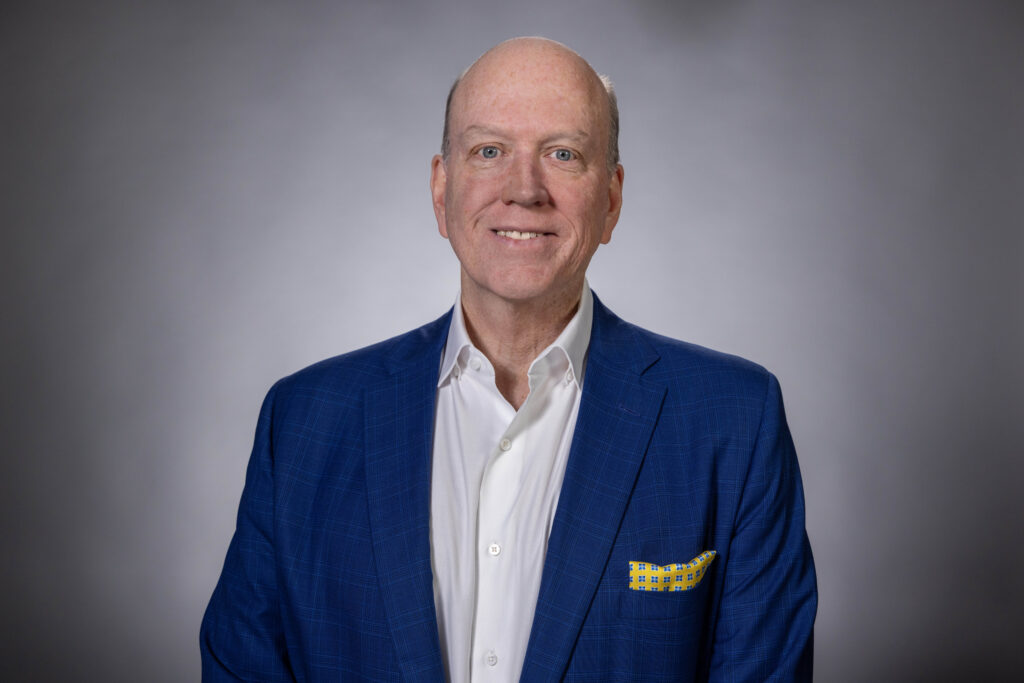
I recently went one-on-one with Bruce Lowthers, CEO of Paysafe.
Adam: Thanks again for taking the time to share your advice. First things first, though, I am sure readers would love to learn more about you. How did you get here? What experiences, failures, setbacks, or challenges have been most instrumental to your growth?
Bruce: My path has been a combination of hard work, curiosity, resilience, and a willingness to keep learning. I began my career as a certified public accountant, which gave me a strong foundation in financial discipline, business fundamentals, and accountability. From there, I was drawn to entrepreneurship and helped launch several startups early in my career. That experience shaped how I think: stay close to the customer, move quickly, solve real problems, and never assume success is guaranteed.
I later held senior roles at eFunds, focused on payment and risk management solutions; then I founded and sold a startup and spent 15 years at FIS, where I eventually served as President of a $15 billion global organization. That period gave me the opportunity to lead at scale, across merchant solutions, banking, and payments. In 2022, I joined Paysafe as CEO. My focus has been on transforming the company: simplifying how we operate, building a sales-first culture, strengthening execution, accelerating innovation, and making sure we are positioned for long-term growth in the experience economy.
Adam: What experiences, failures, setbacks, or challenges have been most instrumental to your growth?
Bruce: The most important growth moments usually come from the most uncomfortable situations. Startups taught me that a great idea is not enough. You need execution, cash discipline, the right team, and the ability to adapt when the market tells you something different than what you expected.
Large-scale transformation has also been a major teacher. When you are leading thousands of people, you cannot rely on command and control. You have to create clarity, build trust, communicate constantly, and empower teams to make decisions.
I have also learned that setbacks are rarely wasted if you are honest about them. The key is to look at what happened, take accountability, and apply the lesson quickly. Leadership is not about avoiding mistakes. It is about learning faster than the pace of change around you.
Adam: In your experience, what are the key steps to growing and scaling your business?
Bruce: First, you need a clear vision. Everyone in the organization should understand where the business is going, why it matters, and how their work contributes to that direction. That vision also needs to be grounded in a clear understanding of the customer – what they need today, how those needs are changing, and where you can create the most value.
Second, you need focus. Growth does not come from trying to be everything to everyone. It comes from knowing your strengths, understanding your customers, and making disciplined choices about where to invest. The ability to say no is just as important as knowing where to place your bets.
Third, you need operational excellence and resilience. A company can have great products and still struggle if execution is inconsistent. Scaling requires strong processes, accountability, data-driven decision-making, and a culture that values speed and quality. It also requires building an organization that can adapt quickly – whether to shifts in customer demand, technology, regulation, or the broader economic environment – without losing momentum or compromising the customer experience.
Finally, you need to stay close to customers. In payments, our clients need reliability, security, innovation, and flexibility. The companies that scale best are the ones that listen carefully, anticipate needs, and solve problems before customers have to ask. Ultimately, sustainable growth comes from keeping your vision, investment priorities, and execution closely aligned with the problems your customers need you to solve.
Adam: What is your best advice on building, leading, and managing teams?
Bruce: The best teams are aligned, empowered, and energized. I believe strongly in the idea of a “team of teams,” where groups are not operating in silos but are connected by a shared mission. In a fast-moving business, no one leader can have all the answers. You need teams that communicate openly, trust each other, and make decisions work.
I also believe energy matters. People want to follow leaders who bring purpose, optimism, and belief in what the team can accomplish. That does not mean ignoring hard realities. It means facing them with confidence and bringing people with you. My advice is to be clear on the destination, transparent about challenges, and intentional about culture. Hire great people, give them context, remove barriers, and hold everyone accountable to the same standard.
Adam: What are the most important trends in technology that leaders should be aware of and understand?
Bruce: Artificial intelligence is the most important technology trend every leader needs to understand. The question is no longer whether AI will impact your business; it is how quickly and how responsibly you can apply it. Leaders should understand AI as a tool for improving customer experience, productivity, fraud prevention, risk management, and decision-making.
Cybersecurity is equally critical. As companies become more digital and AI becomes more embedded, the risk environment becomes more complex. Leaders do not need to be cybersecurity engineers, but they do need to understand the latest threats, invest appropriately, and create a culture where security is everyone’s responsibility.
More broadly, leaders need to understand that technology is not separate from strategy. Technology is now a core part of how businesses compete, serve customers, protect trust, and create growth.
Adam: What do you believe are the defining qualities of an effective leader?
Bruce: Communication is one of the most important qualities. People need to know where you are going, what matters most, and how decisions are being made. In times of change, communication cannot be occasional; it has to be consistent, honest, and clear. That consistency is what builds trust.
Effective leaders also put the company’s best interest ahead of the predictable. That means making decisions that may be difficult in the short term but are right for the organization, customers, employees, and shareholders over the long term. I also believe great leaders are learners. They listen, ask questions, surround themselves with strong people, and stay humble enough to evolve.
Adam: How can leaders and aspiring leaders take their leadership skills to the next level?
Bruce: Be intentional about learning. One of the best pieces of advice I ever received was to be your own Chief Learning Officer. No one else can own your development for you. That means seeking feedback, reading broadly, learning from mentors, studying industries beyond your own, and putting yourself in situations that stretch you. Leadership is developed through experience, but only if you are paying attention to the lessons. Aspiring leaders should also learn how to communicate well, build relationships across functions, and understand the financial drivers of the business. The broader your perspective, the more effective you become.
Adam: What are your three best tips applicable to entrepreneurs, executives, and civic leaders?
Bruce: First, know your purpose. Whether you are building a company, leading an enterprise, or serving a community, people need to understand what you stand for and why the work matters.
Second, surround yourself with people who challenge you. You do not need a team that simply agrees with you, but instead, people who bring different perspectives and are committed to the same mission.
Third, execute. Vision is important, but execution is what creates impact. Set priorities, measure progress, stay accountable, and keep moving.
Adam: What are your best tips on the topics of sales, marketing, and branding?
Bruce: Sales, marketing, and branding all start with understanding the customer. You have to know what problem you are solving, why it matters, and how you are different. In sales, trust is everything. Customers want partners who listen, understand their business, and deliver consistently. In marketing, clarity wins. You need a message that is simple, relevant, and connected to customer needs. In branding, authenticity matters most. A brand is not what you say about yourself; it is what customers, employees, and the market experience over time. The strongest companies align all three. Sales, marketing, and brand should tell the same story and reinforce the same value proposition.
Adam: What is the single best piece of advice you have ever received?
Bruce: Be your own Chief Learning Officer. That advice has stayed with me throughout my career. The world changes too quickly to rely only on what you already know. You have to keep learning, stay curious, and take responsibility for your own growth. That applies whether you are early in your career or leading a global company.
Adam: Is there anything else you would like to share?
Bruce: Pressure is a privilege. At Paysafe, I am proud of the progress our team has made and the culture we are building. We operate in a dynamic industry that touches businesses and consumers around the world, and we have an opportunity to help shape the future of payments. For me, the most rewarding part of leadership is seeing people and teams accomplish more than they thought possible. When you create clarity, build trust, and give people the opportunity to do meaningful work, great things can happen.