Hiring a resilience keynote speaker has become one of the most common responses to a hard year, and it’s also one of the most misunderstood. When a team is worn down by constant change or a run of bad results, the instinct is to bring in someone with a dramatic comeback story and hope it rubs off. I understand the instinct, because a great story is genuinely moving. I’ve spent years studying resilience in leadership through hundreds of conversations with people who’ve been tested in ways most of us never will be, and the pattern I keep coming back to is that the story is rarely the part that changes anyone. What changes a team is whether the lessons underneath the story fit the pressure those people are actually under. That pressure is real and has stayed high for years.
Gallup’s State of the Global Workplace 2026 report found that 40% of employees worldwide felt significant stress a lot of the previous day in 2025. The rest of this article works on two fronts. It profiles resilience and mental toughness speakers worth knowing for 2026, and it lays out how to choose the one who will move your audience from feeling inspired to doing something different on Monday.
If you want the shortlist first, the top resilience and mental toughness speakers for 2026 covered here include Adam Mendler, Allison Massari, Neil Pasricha, Diana Nyad, Chaunté Lowe, and Rorke Denver. Below, I break down the audience and situation each speaker fits best, so you can move from a list of names to the right choice for your event.
What a Resilience Keynote Speaker Actually Does
A resilience keynote speaker is a professional speaker who helps an audience understand how people and teams recover from setbacks, adapt to pressure, and keep performing when conditions get hard. The best ones do more than recount what they lived through. They explain how they thought and recovered in a way you can apply to your own situation.
It helps to start with what resilience actually is. The American Psychological Association defines resilience as the process and outcome of adapting well to difficult experiences, especially through mental, emotional, and behavioral flexibility. That definition matters when you’re choosing a speaker, because it frames resilience as something a person can build and practice rather than a fixed trait you either have or you don’t. A good keynote should leave people with a sense of how to build it, not only proof that someone else already did.
Demand has climbed for a straightforward reason. Work has been unusually hard on people for several years running, and leaders can feel it in their teams. Gallup also reported that only 20% of employees worldwide were engaged at work in 2025. When engagement is that low and pressure is high, a resilience keynote can reset how a room thinks about difficulty, as long as the speaker gives people something to do with what they’ve heard.
Resilience Speaker vs. Mental Toughness Speaker
These titles get used interchangeably, but they point at different emphases, and knowing the difference helps you brief the right person.
A resilience speaker usually focuses on recovery and adaptation, meaning how to absorb a setback and come back steadier without pretending it didn’t happen. A mental toughness speaker leans toward performance under pressure, the discipline and composure that let someone execute when the stakes are high, which is why so many come from military or elite sports backgrounds. Someone described as a speaker on overcoming adversity is often defined by a single, powerful personal story of hardship, while a peak performance speaker frames the same qualities around sustained achievement rather than survival.
Plenty of speakers blend these, and several of the people below could sit under more than one label. Some of the strongest also appear on rosters of top motivational speakers, because an inspiring delivery is part of what makes a lesson land. What matters more than the label is whether the speaker’s emphasis fits what your audience is actually dealing with, such as burnout, a painful restructuring, or the pressure of performing again after a strong year.
What Separates a Great Resilience Speaker From a Good Story
In the conversations I’ve had with generals, Olympians, founders, and CEOs about the hardest moments of their careers, the people who could teach resilience were not usually the ones with the most dramatic story. They were the ones who understood why they got through it and could hand that understanding to someone else. Here’s what I look for, and what I’d suggest you look for too.
Lived credibility over a highlight reel: The speaker should have been genuinely tested, in business, in competition, in service, or in life, and should be honest about the parts that didn’t go well. A story that’s all triumph teaches less than one that includes the doubt and the bad decisions along the way. This is also how you tell the difference between someone reciting a talk and someone who has actually thought about how leaders hold up under pressure.
A framework the audience can use: A moving story creates a feeling in the room, but feelings fade fast once people are back at work. Ask what specific idea or practice your people will walk out with, and whether it still holds up on a normal Tuesday after the emotion of the keynote wears off.
Evidence behind the inspiration: The strongest resilience speakers connect their experience to something larger than themselves, whether that’s research, a body of published work, or patterns they’ve seen across many situations. That’s what keeps a keynote from being a single anecdote stretched over an hour.
Fit with your actual challenge: A speaker who is perfect for a sales team chasing a comeback may be wrong for a department grieving layoffs. Match the emphasis to the moment, and be honest with yourself about what your people need to hear rather than what will simply feel good in the room.
Delivery that changes behavior: Energy matters, but the real test is what happens afterward. The best sign is that people are still using the speaker’s language and ideas weeks later, applied to their own work.
The Top Resilience and Mental Toughness Speakers for 2026
Using the same lens, here are resilience and mental toughness speakers worth knowing for 2026. I’ll start with my own approach, followed by five other speakers worth considering.
Adam Mendler
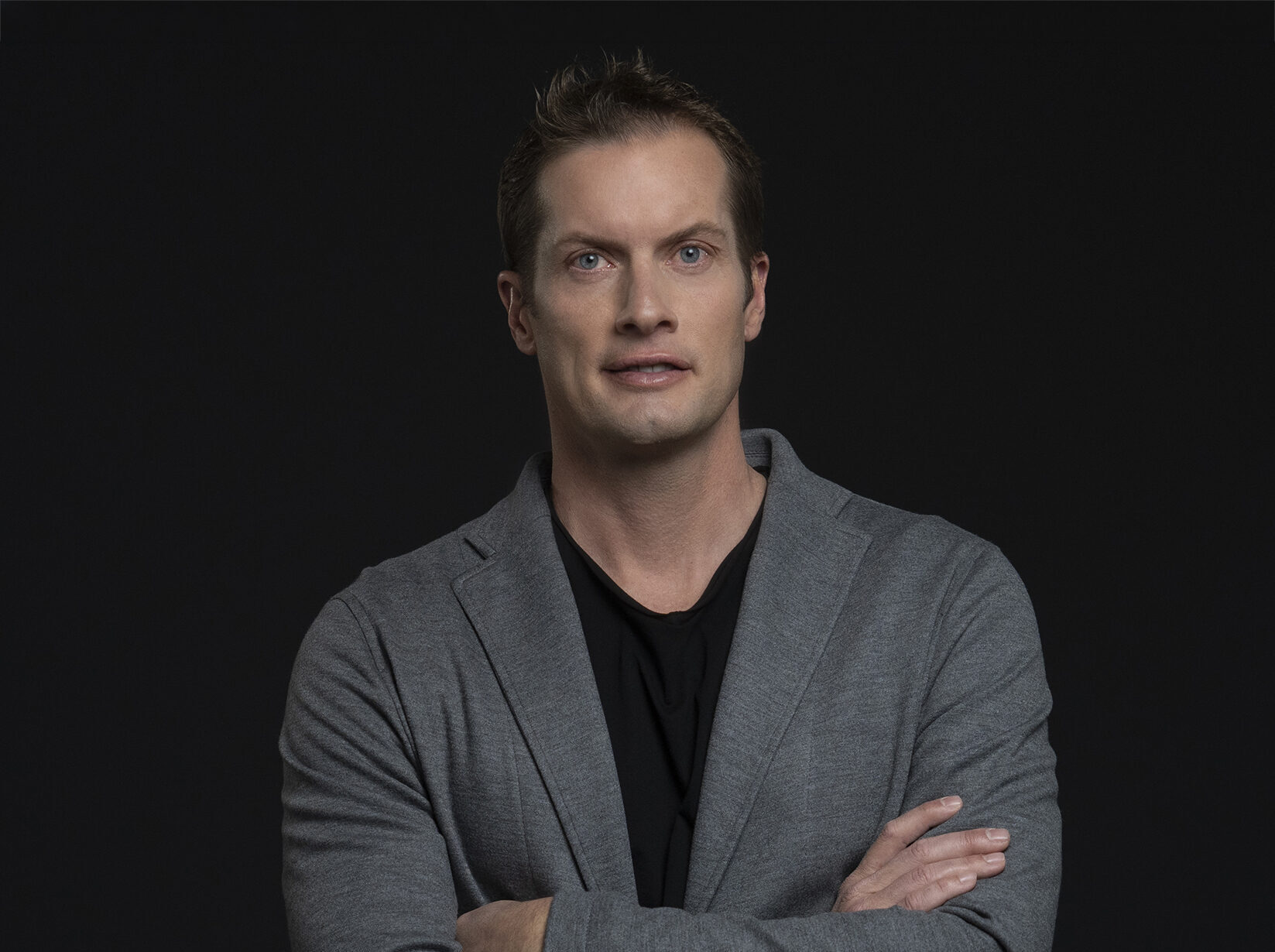
Most resilience speakers draw on one story. My work draws on thousands. I’ve interviewed thousands of leaders, including more than 500 of America’s top leaders. On Thirty Minute Mentors, I interview four-star generals and admirals, Olympic gold medalists, Hall of Famers, and Fortune 500 CEOs. I’ve heard how they led when plans fell apart, how they responded to setbacks, and what they did when the people counting on them needed answers they didn’t yet have. Those conversations inform my keynotes on leadership and resilience. I use specific stories and lessons from the people I’ve interviewed to help audiences think through the pressure and change they’re facing in their own organizations.
Book Adam to Speak
If you want a resilience and leadership keynote built from real conversations with people who’ve led through genuine pressure, bring Adam to your next event.
Bring Adam to Your Next EventOther resilience and mental toughness speakers worth knowing
Allison Massari – Massari survived two near-fatal car accidents, including one that left her with severe burns over more than half her body. She turned that experience into a keynote on healing and the courage to rebuild after severe adversity, and she is a Hall of Fame keynote speaker who has presented on the Million Dollar Round Table main platform to an audience of thousands. She’s a strong fit for audiences facing loss, health crises, or adversity that reaches well beyond work.
Neil Pasricha – A New York Times bestselling author and one of the most popular TED speakers, Pasricha built his body of work on the science of resilience and gratitude after a difficult stretch in his own life. His books, including You Are Awesome, translate research into simple practices, which makes him a good match for organizations that want an evidence-based take on recovering from setbacks rather than one dramatic story.
Diana Nyad – At age 64, after four failed attempts across more than three decades, Nyad completed a swim from Cuba to Florida without a shark cage. Her keynotes focus on perseverance and the discipline of pursuing a goal long after most people would quit, which resonates with teams chasing a hard, long-term target.
Chaunté Lowe – A four-time Olympian, Lowe trained for the Tokyo Olympics while undergoing chemotherapy and a double mastectomy. She speaks on determination and performing under extraordinary pressure, and she connects especially well with audiences balancing high achievement against real personal hardship.
Rorke Denver – A U.S. Navy SEAL commander and author who starred in the film Act of Valor, Denver draws on elite military training to speak on mental toughness and composure under pressure. He’s well suited to audiences that respond to discipline and high-stakes decision-making.
These are five of many, and the right choice depends on your audience and your goal. The table below maps each speaker, plus my own focus, to the kind of moment they tend to fit best.
| Speaker | Known for | Resilience focus | Best suited to |
| Adam Mendler | Interviewing 500+ top leaders; host of Thirty Minute Mentors | Leadership and performance patterns drawn from many adversity stories | Teams and leaders facing pressure, change, or a demanding new standard |
| Allison Massari | Surviving severe burns from two car accidents | Healing and rebuilding after profound hardship | Audiences facing loss, health crises, or personal adversity |
| Neil Pasricha | NYT bestselling author and top TED speaker | Evidence-based resilience and gratitude | Groups that want research-backed, practical takeaways |
| Diana Nyad | Completed a Cuba to Florida swim without a shark cage | Perseverance toward a long-term goal | Teams pursuing a hard, multi-year target |
| Chaunté Lowe | Four-time Olympian who trained for Tokyo through cancer treatment | Determination and performance under extreme pressure | High performers balancing achievement and hardship |
| Rorke Denver | Navy SEAL commander and author | Mental toughness and composure under pressure | Audiences that respond to discipline and high-stakes decisions |
How to Choose the Right Resilience Speaker for Your Event
Once you’ve got a shortlist, the decision comes down to fit and preparation, and this is how I’d work through it.
Start with the problem, not the speaker: Name the specific challenge your audience is facing before you look at any roster. Burnout, a merger, a lost year, and the pressure of following a great one each call for a different emphasis, and the clearer you are, the easier the rest of the decision becomes.
Look for a transferable idea: Ask a prospective speaker what your people will be able to do differently afterward. If the only answer is that they’ll feel motivated, keep looking.
Check the track record with audiences like yours: A great personal story doesn’t guarantee a great corporate keynote. Ask for references and examples from events similar to yours in size, industry, and seniority.
Confirm they’ll customize: The speakers who land hardest research the audience and tailor the talk. Ask what they’ll want to know about your people and your goals before the event.
Sort out the practical details early: Fee, format, whether the talk works virtually as well as in person, and how far ahead you need to book all shape the shortlist. High-demand speakers are often booked six to twelve months out, so start early if your date is fixed.
A few questions worth asking any resilience keynote speaker before you commit: What will my audience be able to apply the next day? How will you tailor this to our situation? What’s an example of a tough room you won over, and how did you do it? Can you share references from organizations like ours?
What This Looks Like for an Audience
What matters to me is what people actually do differently once they’re back at their desks. That’s the standard I hold my own keynotes to, and it’s what this note from a past audience speaks to.
“We hired Adam as the keynote speaker for our annual meeting, and our members found his presentation to be incredibly valuable. With higher education facing unprecedented financial and operational challenges, Adam was able to successfully provide insights from top CEOs that our members could turn into actionable strategies to better lead their teams with fiscal ingenuity. Our members walked away not only inspired, but with a concrete framework for driving strategic initiatives within their own institutions.”
— Renae Davies, Executive Director, Ohio Association of College and University Business Officers
Listen to Thirty Minute Mentors
To hear how America’s top leaders worked through their hardest moments in their own words, listen to Adam’s podcast.
Listen to Adam’s PodcastFrequently Asked Questions
What is a resilience keynote speaker?
A resilience keynote speaker is a professional speaker who helps audiences understand how to recover from setbacks and keep performing through difficult conditions. The most effective ones pair a credible personal or professional experience with practical lessons an audience can apply to its own challenges.
Who are the top resilience and mental toughness speakers for 2026?
Widely booked resilience and mental toughness speakers for 2026 include Adam Mendler, Allison Massari, Neil Pasricha, Diana Nyad, Chaunté Lowe, and Rorke Denver. They span leadership, elite athletics, military service, and personal survival, so the best choice depends on the specific challenge an audience is facing.
What’s the difference between a resilience speaker and a mental toughness speaker?
A resilience speaker generally focuses on recovering and adapting after setbacks, while a mental toughness speaker focuses on discipline and composure under pressure, often drawn from military or elite sports experience. Many speakers cover both, so the label matters less than whether the emphasis fits the audience.
How much does a resilience keynote speaker cost?
Fees vary widely based on the speaker’s profile, the format, travel, and how much customization the event requires. As a rough guide, many resilience speakers charge between about $10,000 and $50,000, while the most in-demand names, such as Olympians and bestselling authors, often run from $75,000 to well over $200,000. In-person events usually cost more than virtual ones, and most speakers and bureaus share current fees on request.
How far in advance should you book a resilience keynote speaker?
Popular resilience keynote speakers are often booked six to twelve months ahead, and the most in-demand dates, such as January kickoffs and fall conference season, fill first. Booking early also leaves time to customize the talk to your audience.
Are resilience keynotes effective for virtual and hybrid events?
Resilience keynotes can work well for virtual and hybrid events when the talk is designed for the format. A strong speaker holds a remote audience with the same clarity as an in-person one, so ask how they keep remote participants engaged and whether they’ve delivered the talk online before.
Conclusion
The speaker who helps most is rarely the one with the most cinematic story. It’s the one whose hard-won lessons still make sense once your team is back at their desks and the applause has faded. Resilience doesn’t arrive in a single afternoon and simply stay. People build it over time, and the best keynote gives them a place to start. Choose for that, and the story takes care of itself.