

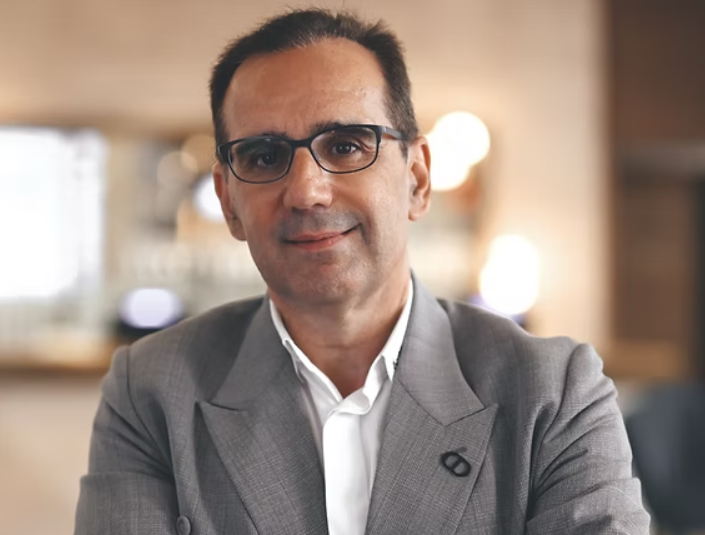
I recently went one-on-one with Chano Fernández, co-CEO of Klaviyo.
Adam: Thanks again for taking the time to share your advice. First things first, though, I am sure readers would love to learn more about you. How did you get here? What experiences, failures, setbacks, or challenges have been most instrumental to your growth?
Chano: I grew up in Spain, and professionally, I have spent most of my career in enterprise software. I spent more than a decade at SAP in global field leadership roles, followed by nearly 10 years at Workday. At Workday, I had the opportunity to serve as co-CEO during a period in which the company grew from approximately $350 million to more than $6 billion in revenue.
Those experiences taught me a great deal about scale, but they also showed me that growth creates its own challenges. When a company is small, speed and intimacy often come naturally. As it grows, you need more structure, clearer processes, and greater operational discipline. The challenge is building those things without creating unnecessary bureaucracy or losing the energy that made the company special.
I joined Klaviyo initially as a board member, which gave me the opportunity to understand the company before becoming a leader. Today, I run the company alongside Andrew Bialecki, our co-founder and co-CEO. We have complementary backgrounds: Andrew is deeply focused on product, engineering, strategy, and culture, while I come more from the go-to-market and operational side.
One of the most important lessons I have learned is that leadership requires knowing when to push and when to step back. Early in our partnership, Andrew made a product decision I would have approached differently. My instinct was to argue my position, but I chose to trust his judgment. He was right. More importantly, that moment strengthened the trust between us. Leadership is not about winning every argument. It is about making sure the best decision gets made and building the relationships that allow people to make those decisions with confidence.
Adam: In your experience, what are the key steps to growing and scaling your business?
Chano: First, you need a clear understanding of who your customers are, the problem you are solving for them, and the value you are creating. Growth is much easier to sustain when customers genuinely value what you do. You should be able to explain, in simple terms, why your business matters and how you know you are making a difference.
You also have to preserve the customer obsession that helped you succeed. As companies grow, it becomes easy to focus on internal priorities and organizational complexity, but those things should always stay connected to customer needs. Dermalogica is a good example of that. The brand operates in more than 20 countries and reaches millions of people, so it needs to create relevant, personalized experiences at scale. We work with Dermalogica to help make that possible. Customers can upload a photo for an AI-powered skin analysis or take a quiz if they prefer. That information feeds into Klaviyo, helping Dermalogica tailor its offers and recommendations based on each customer’s skin concerns. The business is growing by around 21% year over year, and understanding what its customers need is a big part of sustaining that growth.
Adam: What is your best advice on building, leading, and managing teams?
Chano: Hire people who are capable, curious, and aligned with the mission, but do not hire only for what someone has already done. You should also look for how they think, how they learn, and how they behave when circumstances change. Once people join, give them clarity and autonomy. Teams need to understand what matters, what success looks like, and how their work connects to the broader goals of the organization. Within that context, they should have room to make decisions. If every decision has to move up the hierarchy, the organization becomes slow and people stop taking ownership.
I also believe leaders should be direct and transparent, particularly when circumstances are difficult. People can handle bad news better than they can handle uncertainty or mixed messages. You do not need to have every answer, but you do need to communicate what you know, what you do not know, and what you are doing next.
A strong team also depends on feedback. Feedback should not be reserved for formal reviews or moments when something has gone wrong. It should be part of the regular rhythm of the organization. The same is true of recognition. People want to know that their work matters and that their contributions are seen. Most importantly, leaders have to create an environment where people can do their best work. That means setting a high bar while also giving people the support, context, and trust they need to reach it.
Adam: What are the most important trends in technology that leaders should be aware of and understand? What should they understand about them?
Chano: AI is obviously the most important technology trend, but leaders should look beyond the novelty of individual tools. The bigger shift is that people are moving from operating software to directing it. Instead of manually completing every step of a workflow, they can increasingly describe the outcome they want and allow technology to handle more of the execution. That does not mean humans become irrelevant. It changes where human judgment is applied. People will spend less time on repetitive execution and more time defining goals, evaluating tradeoffs, making decisions, and exercising taste.
Leaders should also understand that data, context, and trust are just as important as the underlying model. An AI system can produce a fluent answer and still be wrong if it lacks the right information or does not understand the context in which it is operating. Organizations need clear data practices, strong security and compliance processes, and well-defined guardrails.
Another important trend is the move toward more open and model-agnostic technology environments. No single model will be best for every task. Companies should be prepared to evaluate different models and use the right one for the right job.
Finally, leaders should focus on practical value. What matters is whether the technology actually helps customers, supports better decisions, cuts unnecessary work, or delivers a measurable result. Technology is most valuable when it has a clear purpose and makes a meaningful difference for customers or employees.
Adam: What do you believe are the defining qualities of an effective leader? How can leaders and aspiring leaders take their leadership skills to the next level?
Chano: Effective leaders create clarity, build trust, and maintain perspective. Clarity means helping people understand where the organization is going, why it matters, and what they need to do. In a complex environment, people do not need leaders to pretend everything is simple. They need leaders to identify the most important priorities and make the trade-offs understandable.
Trust means giving people responsibility and allowing them to exercise judgment. A leader who insists on controlling every decision may create the appearance of certainty, but will ultimately limit the organization. Trust also requires consistency. People watch what leaders do, especially when pressure is high.
Perspective is the ability to separate what is urgent from what is truly important. Leaders are constantly exposed to distractions, short-term pressures, and unexpected changes. It is easy to become reactive. Only a handful of decisions each year really shape an organization, including its strategy, culture, and structure. Those decisions deserve time and careful thought. Most other decisions can be made quickly because they can be adjusted or reversed. Effective leaders make time to step back, think carefully, and focus on the decisions that will matter over the long term.
I would add curiosity and humility. No leader has complete knowledge, particularly in a period of rapid change. The best leaders remain willing to listen, change their minds, and learn from people around them. Leadership is not about always being the smartest person in the room. It is about creating the conditions for the organization to think well and act decisively.
Adam: What are your three best tips applicable to entrepreneurs, executives, and civic leaders?
Chano Fernández: First, focus on the inputs you can control. You cannot control every outcome, and you cannot predict every change in the market or society. You can control the quality of your decisions, the integrity of your work, the way you treat people, and whether you are building something that creates real value.
Second, communicate with honesty and consistency. Whether you are leading a company or a civic organization, people need to understand what you believe, what you are trying to accomplish, and how decisions are being made. Clear communication builds trust over time.
Third, stay close to the people you serve. It is easy to make decisions based on assumptions, reports or secondhand information. Those things are useful, but they should be complemented by direct conversations with customers, employees, partners, constituents, or community members. The closer you remain to the people affected by your decisions, the more grounded your leadership will be.
Adam: What are your best tips on the topics of sales, marketing, and branding?
Chano Fernández: Start with relevance. Whether you are selling, marketing, or building a brand, you need to understand the person on the other side of the interaction. What are they trying to accomplish? What problem are they facing? What would be genuinely useful to them?
The second point is to think in terms of relationships rather than transactions. A short-term sale may be valuable, but durable businesses are built by earning trust over time. That means doing what you say you will do, understanding customer needs, and being thoughtful about when and how you engage.
Finally, measure outcomes, but do not reduce everything to a single short-term metric. Data can help you understand what is working, but judgment is still necessary. You need to combine evidence with an understanding of your customers, your market, and your brand. The strongest marketing is both measurable and human.
Adam: What is the single best piece of advice you have ever received?
Chano: What you can control is whether you are making good decisions, serving customers well, building a strong team, creating a healthy culture, and investing in the future. If you consistently take care of those things, the results may not appear immediately, but they compound over time.
This mindset is especially important during difficult periods. When circumstances are uncertain, focusing on the right inputs gives you a way to keep moving forward. It helps you avoid being distracted by every short-term fluctuation and keeps your attention on building something durable.
Adam: Is there anything else you would like to share?
Chano: Leadership is becoming less about having all the answers and more about helping people navigate change with confidence. The pace of technological and economic change will continue to increase, but the fundamentals remain remarkably consistent.
People want to do meaningful work. Customers want to be understood and treated with respect. Teams want clarity, trust, and the opportunity to grow. Organizations need leaders who can combine ambition with discipline and speed with judgment. The strongest leaders stay aware of what is changing, make clear decisions about what matters, and help their teams adapt while staying true to what the organization stands for.