

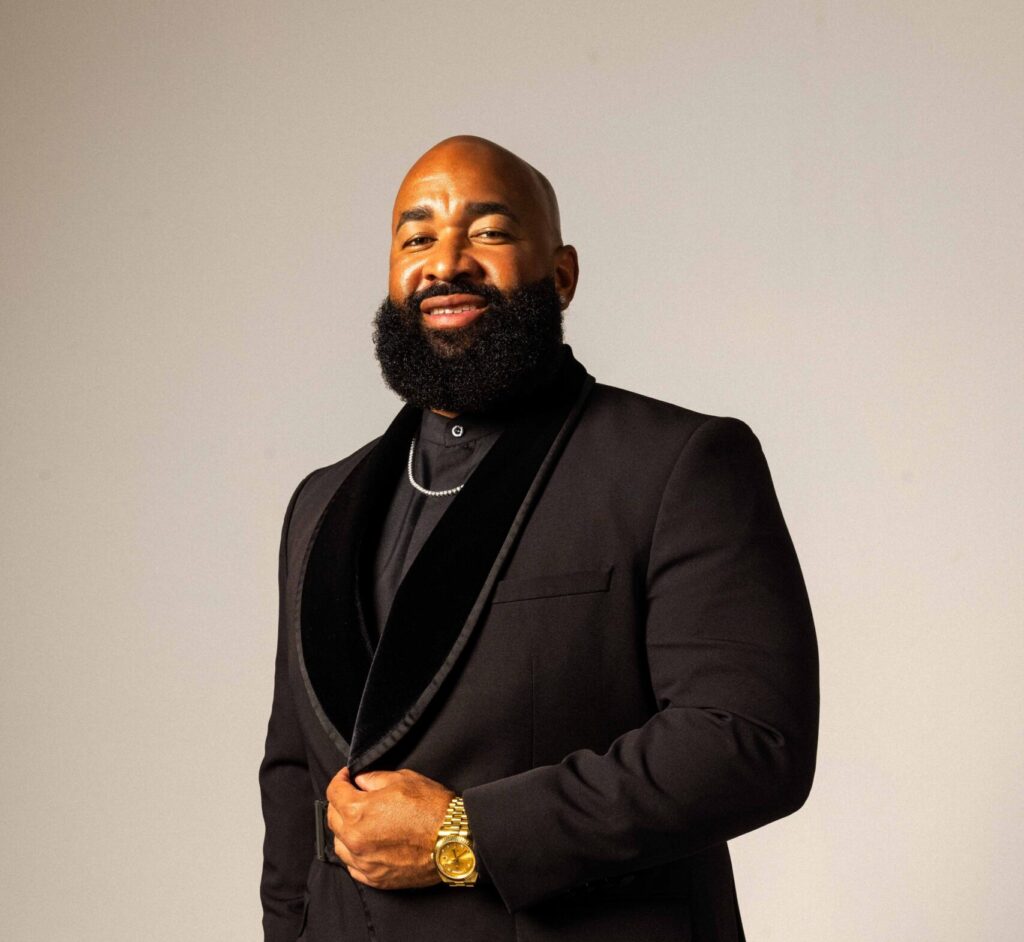
I recently went one-on-one with Kelly Gonzalez Jr., founder and CEO of ProKel Mobility.
Adam: Thanks again for taking the time to share your advice. First things first, though, I am sure readers would love to learn more about you. How did you get here? What experiences, failures, setbacks, or challenges have been most instrumental to your growth?
Kelly: I grew up in Miami, with roots in Allapattah and Liberty City. My parents came from the Dominican Republic. My background has a lot to do with how I see opportunity and why I take it seriously when someone gives me a chance. I played college baseball and began my transportation career as a bus driver in 2008. Driving gave me an education I still use. You are responsible for people who need to get somewhere, and your decisions affect their day. A late trip can mean a missed appointment or trouble at work. You learn quickly that the details matter to somebody.
Over eight years at MV Transportation, I advanced into business development leadership. Gary Coles was an important mentor who gave me an opportunity and helped me grow. Having someone see potential in me made a lasting impression. I try to remember that when I meet someone whose experience may not yet show everything they are capable of doing. Building ProKel brought a different challenge: earning trust while carrying the responsibility for delivering. Experience helps you get a conversation, but people still need evidence that your team can do the work consistently.
I have also had to learn to delegate. Personal effort can take you a long way, but if every decision comes back to you, you limit the people around you. I still move with urgency. I am learning to put that same energy into developing people who can take ownership. My faith helps me keep perspective while I do that.
Adam: In your experience, what are the key steps to growing and scaling your business?
Kelly: Start by understanding the problem well enough to know what a good result looks like. In transportation, I want to know which trips people need to complete. Where do they work? How do they get to an appointment? Where does their current trip break down? Those answers should shape the service and resources behind it.
Make sure the business can support what you are promising. A new contract brings obligations immediately. You need the people, training, vehicles, insurance, and cash to deliver before the revenue has necessarily caught up. I would tell any entrepreneur to understand when money comes in and when expenses have to be paid. Give each part of the operation a clear owner. Hiring, maintenance, safety, and customer communication cannot depend on someone assuming that somebody else handled them. People need a way to report problems early and the authority to act within their responsibilities.
Pay attention to whether performance holds as you grow. Adding locations while service becomes less reliable creates more work without building a stronger company. Look at the customer experience alongside the financial results. Finally, be honest about fit. An opportunity can be attractive and still require capabilities you do not have yet. Build those capabilities, find the right partner, or pass. The decision should make sense after the excitement of winning has worn off.
Adam: What are your best tips on the topics of sales, marketing, and branding?
Kelly: For sales, do your homework before you ask for someone’s time. Understand the customer’s operation, what they are dissatisfied with, and what they will be accountable for if they choose you. In my industry, a public agency has to answer to residents. Your proposal should make it easier for that agency to explain how the service will work and why the approach makes sense. Ask questions you are willing to learn from. If you arrive determined to sell one particular solution, you can miss what the customer actually needs. Listen, explain the tradeoffs honestly, and make commitments your operations team can keep.
Marketing should make useful information easy to understand. For a transportation service, that might mean showing someone where to board, when service runs, and how to make a connection. A person who sees an announcement but cannot figure out how to use the service has not received enough information. I also believe people should understand who is doing the work. Tell the story of the people behind the business, with their permission, and give them credit.
Your brand develops through repeated experiences. How you return a call, handle a complaint, or explain a mistake will influence what people say about you. Be consistent in those moments. A strong public presence should reflect the service people actually receive.
Adam: What do you believe are the defining qualities of an effective leader?
Kelly: People need to be able to rely on you. That starts with keeping your word and being clear about what you expect. If a commitment changes, communicate it. If a decision goes wrong, take responsibility for your part in it. Your team notices how you behave when the situation is uncomfortable.
An effective leader also listens closely enough to change a decision. A driver or dispatcher may see a problem before anyone in an executive meeting does. Their information has to be able to reach someone who will act on it. You lose valuable knowledge when people believe speaking up will only get them in trouble. I believe in high standards. People deserve to know what good performance looks like and where they stand. Addressing a problem directly can be respectful when you explain the facts, hear the person’s perspective, and make the next steps clear.
You also need judgment about your own limits. Ask for help when you need it and bring in people whose expertise goes beyond yours. I want the organization to benefit from the strongest answer available. My responsibility is to make sure we reach a sound decision and follow through on it.
Adam: How can leaders and aspiring leaders take their leadership skills to the next level?
Kelly: Take responsibility for something that makes you grow. You can start before you have a management title. Learn the work around your job, help solve a recurring problem, and become someone your coworkers can depend on. Those habits prepare you for greater responsibility.
Seek feedback that is specific enough to use. Ask a colleague where your instructions were unclear or whether your involvement helped them make a decision. Listen to the answer without immediately explaining why you did what you did. Otherwise, the person may stop being honest with you. Find mentors, but also learn from people whose roles and experiences are different from yours. Someone working directly with customers can teach you things that will never appear in a management report. Stay curious about how their work actually gets done.
Choose one leadership behavior to improve and practice it deliberately. Maybe you need to delegate a decision, prepare better for meetings, or have a conversation you have been avoiding. Review what happened and adjust. Over time, you should be able to see the difference in how your team works. Learning matters most when it changes something people experience from you.
Adam: What are your three best tips applicable to entrepreneurs, executives, and civic leaders?
Kelly: First, spend time with the people affected by your decisions. If you oversee transportation, take the trip and talk to the riders. If you lead a business, spend time where the service is delivered. Reports help, but direct experience can reveal a problem that a summary misses. Make that contact a regular part of the job.
Second, connect every promise to a person responsible for delivering it. Before you announce an initiative, know who owns the work, what resources they need, and when you will review progress. People hear a promise and make plans around it. Following through deserves as much attention as the announcement.
Third, develop someone who can take on more responsibility. Share the context behind your decisions and give people room to exercise judgment. Be available to coach them, then let them do the work. An organization becomes stronger when its ability to perform grows beyond one person. Those three practices apply whether you are serving a customer, managing a department, or representing a community. They keep you close to the people you serve and make it easier to see whether your leadership is producing useful results.
Adam: What is your best advice on building, leading, and managing teams?
Kelly: Hire people for the work you need done, and be willing to be impressed by someone whose path looks different from yours. I started as a driver. That experience makes me pay attention to people who show initiative and learn quickly, even if they have not held a senior title. Playing baseball also shaped how I think about teams. Preparation and coachability matter. Someone has to be able to receive feedback, make an adjustment, and keep contributing when the attention is on another person. Those qualities are valuable in a workplace.
Once you hire someone, give them a fair chance to succeed. Explain the role, provide the tools and training, and agree on what they are responsible for. If you keep changing the expectations without saying so, you make it difficult for them to perform. Stay in regular contact. Recognize good work while it is happening, and address concerns early enough for the person to improve. Ask what is getting in their way. Sometimes the problem is performance; sometimes a process or a missing resource is making the work harder than it needs to be.
Accountability should apply consistently, including to leadership. People lose confidence when expectations depend on who is involved. You can care about someone and still require them to meet the standard. Clarity helps both sides.
Adam: What is the single best piece of advice you have ever received?
Kelly: The advice I come back to is: master the seat you are in. Take your current responsibility seriously while you prepare for the next one. That fits my path from driving a bus into leadership. Every role gives you a chance to learn how the business works and to show people they can count on you. When you focus only on the next title, you can overlook the experience that would prepare you to handle it well.
For someone starting out, I would put it into practice by learning beyond the minimum requirements of the job. Ask questions, understand how your work affects other people, and follow through without needing to be chased. If you make a mistake, own it and learn from it. I apply the same principle to myself now. Being CEO still requires me to learn and improve. The responsibility has changed, but I still have to earn the trust that comes with it.
Adam: Is there anything else you would like to share?
Kelly: I want people who are starting with limited resources to see a future for themselves. I know what it means to begin in a role that other people might overlook. There is knowledge in that work, and there are people doing it who deserve a chance to grow. My faith is a major part of how I keep moving. I believe in what is possible, and I believe I have a responsibility to do the work that possibility requires. I am grateful to the people who have helped me along the way.
As I build, I want to create opportunities for others to develop careers and take care of their families. That is one reason transportation matters to me. Helping someone reliably get to work or an appointment has value in their everyday life. I want to stay close to that purpose as the business grows.