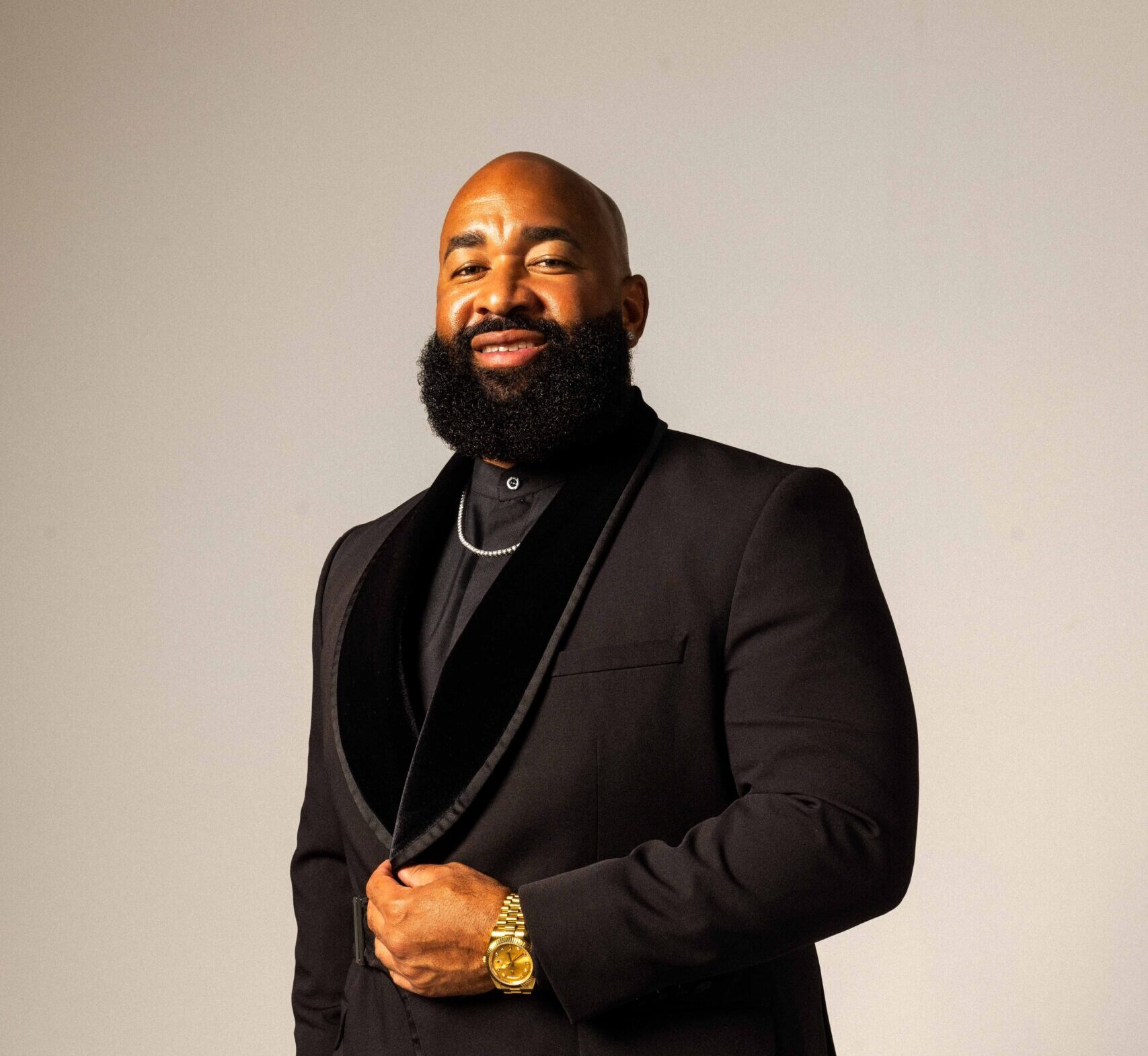

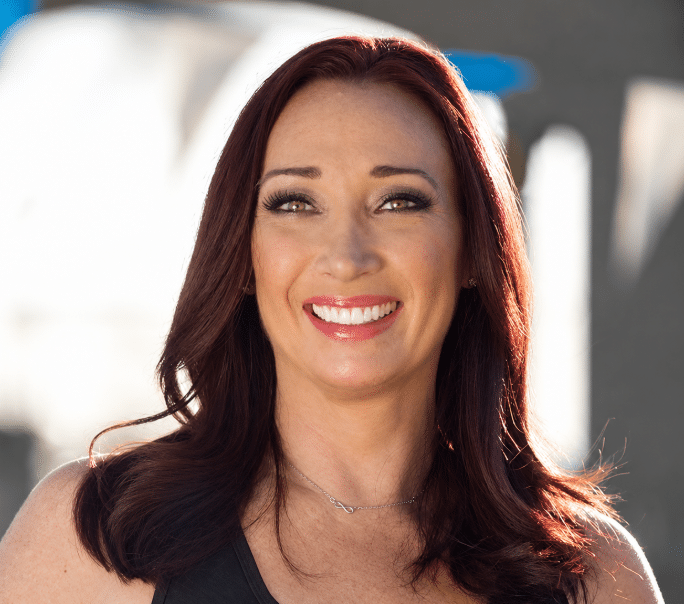
I recently interviewed Olympic gold medalist Amy Van Dyken on my podcast, Thirty Minute Mentors. Here is a transcript of our interview:
Adam: Our guest today is a six-time Olympic gold medalist. Amy Van Dyken is the first American woman to win four gold medals in a single Olympic Games and has set world records in both individual and relay swimming events. Amy, thank you for joining us.
Amy: Thanks for having me, Adam. I’m so excited to chat with you today.
Adam: I’m excited too. You grew up in Englewood, Colorado, just outside of Denver. And growing up, no one expected you to be a record-setting swimmer. You started swimming when you were six, but you couldn’t swim the length of the pool until you were 12. Can you take listeners back to your early days? What early experiences and lessons shaped your worldview and shaped the trajectory of your success?
Amy: Yeah, so I grew up kind of normal. I was diagnosed with severe asthma when I was 18 months old, and I have all three types of asthma: allergy-induced, exercise-induced, infection-induced, and I’m severe in all three types. So I couldn’t really do a lot of the things that the other kids were doing. And I remember when I was in first grade and everyone was inside for recess like I normally had to be, and the love of my life, Timmy Harper, shout out Timmy Harper, he was like, “Why are you so weird?” And I’m like, “Well, I can’t breathe.” And he’s like, “Whatever. We learned in science class you have to breathe to live. So what’s your problem?” I was like, “Oh crap!”
So I remember I went home, collapsed after I closed the door, just started crying, and my mom took me to the doctor and was like, “What can we do?” And the doctor started saying, “You need to exercise your lungs.” And I asked him, I go, “How am I going to do that? Because I can’t walk up and down the stairs in my house most days.” So he said, “Well, water sports are great for asthmatics. We’re learning a lot about it, and so water sports.” So I did everything: swim team, diving team, and synchro team. The synchro team, I couldn’t hold my breath long enough. I’m not the most graceful person, so that also was out. The diving team, I am not coordinated or graceful, and I’m also afraid of heights, so that didn’t work.
But swim team was awesome, and I mean it shaped my life in so many ways. Even though it took six years to finish the length of the pool, there was only a short amount of time in a swim meet where I wasn’t normal. I was doing cheers with my friends. I was eating Jell-O out of the packet with my friends. We were doing all the things, and it was only a short amount of time that I wasn’t normal. But I will tell you what. When I finished that first length of the pool, you would have thought that I was the next coming of Mark Spitz. Everyone was applauding because they were like, “Thank goodness she actually finished one.”
I thought it was because I was the greatest thing ever. And I remember I went over to my parents and I was like, “Guess what? Next time I swim, I’m gonna win.” And my dad was like, “Oh gosh, I hope nobody heard you say that.” But then it happened when I was 12 years old. Actually, I was 13. I won my first race, and the rest is history. So it just progressed from there. But had I not had that swim team, I don’t know where I would be right now.
Adam: You mentioned Timmy Harper. I don’t know Timmy Harper. I know Brandon Harper, who’s a friend of mine. I know Bryce Harper.
Amy: Yep, I know Bryce Harper. No relation.
Adam: I don’t know much about Timmy Harper, but it’s interesting how small experiences along the way can make big differences in our lives. And in your case, having that little push, the push from someone who looked at you a little bit differently, and then having the push from your parents who gave you the encouragement, weren’t the kinds of parents who were pushing you to be an Olympic gold medalist, but were pushing you to become a better version of yourself. Were pushing you to do more than you thought you were capable of doing.
Amy: Yeah, absolutely, and it is those little small moments that maybe in the moment seem like nothing or seem like the biggest thing in the world. I thought Timmy Harper was going to propose to me, and he asked me why I was so weird. That moment really hit me because I realized then that I wasn’t like everybody else, but I also realized that that’s what made me special, was not being like everybody else. And then fast forward to Mom and Dad. They were always my biggest support system. They just loved watching me set a goal and reach that goal, and they did everything that they could to help me do that, which is so special.
They weren’t there at the pool every day at practice, yelling and screaming at me to go faster. Mom was always just happy if I did what I wanted to do in the race. Dad was always there with his video camera. Fast forward to the ’96 Olympics, NBC actually had a live feed to his video camera. His claim to fame is Seinfeld made fun of him on one of his commercials, so he just thought that was the greatest thing ever. But he was just always there to document the moment, and we still have those moments to look back on, which is so much fun. But yeah, they were just my biggest support, and they wanted to help me be the best that I could be.
Adam: I love that, and I love how sports can be such an equalizer. You don’t need to be an Olympian. You don’t need to be in first place, but if you’re competing, if you’re participating, if you’re on a team, if you’re playing with others, if you’re in the game, you’re there. What a difference that makes!
Amy: It was life-changing. It really was. I mean, that’s where I made all of my dear friends, on the swim team, and it just became my second family. I look back to some of my coaches, and I still call some of them to this day if I have something that’s going on in my life that I need advice for. So it really did change the trajectory of my life. Obviously, going to the Olympics and all of that was fun and having that success, but also just being a part of something, and it didn’t matter if I swam one race at the swim meet or no races.
I was still a part of the team and still a part of making the magic happen. I felt like even if I wasn’t swimming in a race and I was cheering for everybody who won, I was a part of that win that our team got. So sport really is wonderful for kids, and I just think that kids need to be out there doing all of that stuff, having fun with the kids, playing outside, and just being a part of something.
Adam: How did you go from winning that first race to becoming an Olympian to ultimately becoming a six-time Olympic gold medalist?
Amy: Well, it wasn’t an easy ride, that’s for sure. After I was doing my summer league, which is when I won my first race, I started getting better and better, and I tried out for my high school swim team. At that time, we had tryouts; they only took the top 28 swimmers. I was the 28th one picked, the last one, and I remember the very first day of that swim practice. I was so excited because here I’m swimming with these girls that I had looked up to for so long and just really idolized. Wanted to be just like them.
And my coach told me, she’s like, “You are so bad that we’re not really going to swim you in any swim meets.” I was like, “Okay.” “But if you keep coming to practice and you keep getting better, I’ll put you on the relay for the last meet of the year.” Well, now knowing what I know, the last meet counts for nothing. But at the time, I didn’t know that. I thought it was an important swim meet, and I was on that relay, like I had done it.
And so I remember sitting there. I was so nervous. I was behind the blocks. I had a towel over my head, and I was like, “Please don’t mess up. Don’t be the weak link in this whole thing.” And the other three girls walked in front of me. And Adam, I’ll tell you to this day, I don’t know if they knew that I was there, and honestly, if I’m honest with everybody, I don’t want to know. But what they did changed the direction of everything.
They were like, “I can’t believe Amy’s on our relay. She’s the worst person ever. How could they do this to us?” They walked away, and I was like, “Wait, what?” So I got really sad, and I got really angry, and I had all the feels, and then I thought to myself, “Wait a minute, who are you to tell me what I can and can’t do? You don’t know me that well.” So, fast-forward to the race, we ended up winning. I did the leadoff leg, and I qualified for the state championships in the 50-meter freestyle, and that was it.
I just started getting better, and by the time I was a junior, I was breaking state records in everything I swam. And then when I was a senior at the state high school swim meet, I qualified for the 1992 Olympic trials, and that was when I thought I might actually be kind of decent at this sport. So I went off to college, and it was just wonderful. But had I not had those hurdles in my life, I don’t know that I would have pushed myself so hard. Even at the Olympics, I thought of those girls, and I thought of them sitting at home watching me. And I was like, “I’m going to show them what I can do and show them that I should have been on that relay all along.”
Adam: We were talking about the importance of those small moments, and as you’re sharing that mean girl moment, it brings up a really important lesson, which is that all too often we live our lives on other people’s terms. There are plenty of people in our lives who are very happy to set terms for us on how we should live our lives, but the most successful people live their lives on their own terms. The most successful people get in the driver’s seat. Understand that it’s your life. You only have one life. It’s yours. Own it.
Amy: Yeah, exactly. One of the things that I love to tell little kids: if I tell this story, a lot of them are shocked that I was bullied in high school. Yes, I was bullied. It was pretty gnarly. We could go into that, but if I didn’t have that, I wouldn’t have had that drive. And I always say jealousy is a nasty lady because people may see something in you and they don’t want you to succeed, so they will do whatever they can to make sure that that doesn’t happen. So jealousy is a nasty lady, and I live my life on that.
Adam: It’s interesting because we can all find sources of motivation in different ways. In your case, clearly you have found motivation in the experiences of people around you who have told you you’re not good enough, you can’t do this, you shouldn’t do this, and that is and can be a really important source of motivation. Something that I would share to anyone out there who’s in a leadership position, and to anyone out there who’s not in a leadership position but who has the ability to influence and impact others, which is just about everyone: How are you showing up? How are you influencing and impacting those around you? And how is your behavior motivating the people around you? Are you motivating people by giving them something to be angry about? Are you motivating people by giving them a bad experience that they can then hang on to and say, “This is going to be a source of inspiration for me because I want to show this person,” or are you going to motivate people by leading through encouragement?
Amy: Right, and I think it depends on the person how they receive it. You can give something one way you could think is positive, and they can take it away as negative, right? So if you are a leader, you have to understand who it is that you’re talking to. I had a lot of swim coaches who motivated based on fear, anger, all of that stuff. The one coach at Colorado State University that I still talk to to this day, who’s my second father, he was so loving and so kind, and I needed that in that moment because I had been thinking of myself not in the most positive light, and I was motivating myself based upon, “I want to show them. I want to do better than they ever thought.”
And when he showed me, “Just do better for yourself, and be a kind person, and be loving and show others how you show up every single day in a good way,” it really changed my career completely and totally because before I went to Colorado State, I had quit swimming. I was done. I was over it, and I couldn’t handle it anymore. And he knew exactly what I needed. Gave me the love, the support, always giving me hugs. The things you can’t do now, he would smack us all on the butt. But that’s a way of saying, “Way to go.” And I loved that so much. And he was there in the moment that I needed him the most.
Adam: And that’s really important because the anger can only sustain you for so long, and the anger can sustain you in certain moments and can drive you to get to that next level when you need to channel it, but in the long run, you need to dig into something much deeper, which is inspiration. You need to dig into the passion for what you’re doing, and when you’re trying to do something at the very highest level, in your case, swimming at the very highest level, but in the case of someone else, it could be leading their business at the highest level. Whatever it is you’re doing, you ultimately need to draw into that other reservoir. You ultimately need to channel not anger but inspiration to get to where you want to be.
Amy: No, absolutely. So I always say that feelings are like a cancer, and so it can either breed good or it can breed bad. And when you live so long in that negative headspace, you yourself become negative. You become that person that nobody wants to be around. And so if you can find a different type of motivation, do it for yourself. Be happy about it. Be grateful that you are there in that day to be able to go to that practice in which you’re throwing up in the gutter, and you’re in so much pain. But if you are angry all the time, you will be angry all the time.
And so, like you said, if you can find that motivation that’s a little bit happier and a little more positive, even if someone’s not giving it to you externally, you’re going to have to find it within yourself. It really does change your entire world. It’s amazing what you can do with positivity as opposed to negativity. So I do think that it’s a mindset shift. I think that it’s something that all of us have within us. It takes a little bit of work to get there, but you know what? If you’re at the highest point in your career, or if you’re an Olympian, or if you’re working in the mailroom, you’ve got to find that within yourself.
Because be the best that you are. Be the best mail carrier you can be. Be the best intern you can be. Be the best boss that you can be, to the point where people go home from meeting you, and they’re like, “That was awesome. That was an amazing experience.” As opposed to, “That person’s a real dick.”
Adam: How can anyone get there?
Amy: We can all get there. It’s more self-talk and talking to yourself. I talk to myself all the time. I was talking to myself in the shower this morning and just being positive and being like, “Listen, go out there, have the best day that you can have. You’re here for a reason.” And the way that I look at it now, when people come up to me because I am known, is it takes a lot of guts for that person to come up to me and to say hi, and I can make a decision. I can either show them the bad day that I’ve been having, or I can give them the best five minutes of my time that I can, and I choose to give them the best five minutes.
And it is hard sometimes. We do all go through struggles that do show externally, but just for a few minutes, make that person’s day good. And if you have that self-talk within yourself as someone’s coming up to you, just say, “Make this the best experience for that person.” It really does start to change, and it starts to become a lot easier. You can go back and look at your day, and you can say, “What could I have done better in my day? How could I have made that person’s life a little bit better? Did I make that person’s life miserable?” And you don’t want that because then that breeds misery. So just try to do everything with a smile, and I always say, if you’re having a bad day, smile at something because it will change everything.
Adam: I love that. I want to go back to your journey to greatness. What else did you do to get to that level? What were the keys to attaining peak performance? What were the keys to becoming the very best?
Amy: I am a big believer in visualization, so before a big swim meet, for months, I would close my eyes at night before I went to sleep, and I would picture everything going wrong in a swim race. Everything from being the last one off the blocks to not doing enough kicks underwater. The water is too hot. The water is too cold. There’s no one there watching. All the things, and then I would slowly progress to where the race was perfect. Everything was on point, and I would do that over and over and over.
I would even take the times that I wanted to go. I would write them on sticky notes and stick them all over the house. An example of that, I did that in high school. I wanted to break the American record in the 50 free. The American record was 21.9. So I put all over the house: 21.7, 21.7, 21.7. It drove my roommates absolutely up a wall. My time at the NCAAs was 21.77.
Every time when I visualized and I hit that wall, it was 21.7. If it was the worst race that I could imagine, 21.7. Because what happens is you get those neurons firing, and it gets to the point where your brain doesn’t know if it really did it or not. So then, when you get into the moment, your brain’s like, “Oh, been there, done that. Let’s just do this.” So I’m a big proponent of visualization. If it’s a big meeting that you have, if it’s going and asking for a raise, I would say all of that, and just visualize it as best as you can, as often as you can.
Set goals. It’s not going to be easy to reach that goal. Some days you take huge steps forward. Some days you take ginormous steps backwards. But at the end of the day, you will reach that goal if you keep believing in yourself and just trusting yourself.
Adam: The first step to achieving success is defining success. It’s really hard to get to where you want to go if you don’t know where you’re trying to go.
Amy: Yeah, exactly, and that goes back to that visualization. Like I said, if you’re an intern and it’s your first job, but you’re not making any money, but you want to be the CEO, visualize how you’re going to get there, and know what it’s going to take to get there, and know that it’s not going to be an overnight thing. It’s going to take a while, but at the end of the day, if you keep just picturing it and going over it, and then implementing those things into your daily life and into work, eventually the good things are going to happen. And when you get there, don’t be surprised because you are an awesome person. We’re all put here on this earth for a reason. You just have to remember that. And what is your purpose in life, and why are you here? And then amazing things can happen because you all deserve it. Everyone deserves good things.
Adam: How were you able to manage the pressure that came with performing at the very highest level? You’re on the biggest stage in the world. You’re competing for the biggest prize imaginable. How do you deal with that?
Amy: So you can deal with it one of two ways. And the way that I dealt with it was: there are a ton of people here. There are tons of cameras here. A lot of people would shrink in that moment, right? Like, “Oh my gosh, I don’t deserve to be here.” No, no, no. These people are here for me. I have worked so hard to get to this moment, and I am going to show each and every person that is watching me exactly how hard I worked.
I would always say it’s my time to show off, and that’s really how I used that pressure, was to just show off all of that hard work that I’ve been putting in, all of those mornings when I woke up at three in the morning to get to swim practice on time in the morning, all of those afternoons when I was in the weight room just pushing it to the point where you can’t do it anymore, and then getting back in the pool and training. I want people to see what I did, so here’s my time to shine. Everybody, watch out! Van Dyken in lane four. Let’s go.
Adam: I love that mindset. I love that attitude. And before you can have that mindset, and before you can have that attitude, you need to put in the work. And the fact that you put the work in gave you the ability to comfortably show up at those high-pressure, high-stakes moments and feel confident that I’m ready, I’m here, I’m able. It’s the people who are competing with me who should be nervous.
Amy: That’s exactly right, and that’s the way you have to look at it. Nothing in life comes easy. Absolutely nothing. We all have trials and tribulations, but it’s how you overcome those that matters. And if you put the work into anything that you’re doing, do it right, do it correctly, do it the best that you can do it, and then you get to that big moment, and you’re like, “And here it is. I’m going to show you exactly what I’ve done.” And it doesn’t matter what it is that you’re doing, if you are on a world stage or not, it’s your time to shine, your time to show off that hard work. You put in all those hours, and it’s time for someone to see that.
Adam: You mentioned the trials and tribulations, and after your career in the swimming pool, you experienced an incredibly devastating accident that severed your spinal cord, leaving you paralyzed from the waist down. And when we talk about the topic of resilience, you’ve experienced it, you’ve lived it, and you’ve come back from it in a way that is unbelievably admirable, to say the least.
Amy: Thank you.
Adam: Can you take us back to that moment, that experience, how you navigated it, and what you’ve learned, what you’ve taken away?
Amy: Yeah. So, I mean, if you want me to go through what happened in the accident, I can do that. It was a normal day. My husband and I were going to dinner. It was a quarter of a mile away, and we weren’t going to walk because I’m six feet tall, but I wear five- to six-inch stiletto heels every day of my life. So my husband’s like, “Let’s get in the truck.” I was like, “No, no, no. We’ve been living in Los Angeles. I want to feel the clean Arizona air on my face.” He took his motorcycle.
I took my ATV, had dinner like everybody else. I remember I got up from my seat, said goodbye to everybody, and I pushed in my chair. And that’s where my memory ends. But what happened was, as my husband told me and the people around, normally he would have taken off in front of me on his motorcycle, but something was wrong with it. So he was dilly-dinking with it, and he told me, “Go ahead.” And had he gone first, he wouldn’t have found me, so I wouldn’t be here. He said he was watching, and he was like, “What the hell is she doing?”
There was no movement, no noise, not even a flicker of a brake light. I hit a curb, went over a cliff, wrapped around backwards on a tree, landed. The ATV landed on my head. He ran over, looked down, saw that my back was broken, and got down there, and I was not breathing. So he rolled me over very gently and lifted up my neck, and I started convulsing. And my eyes went two different directions for a long time. And then I got put in Flight for Life and was in the trauma center.
Had surgery hours before I was supposed to because the sac around my spinal cord had burst open, so I was leaking a bunch of spinal fluid, and I remember the doctor telling me, “I’m going to try to get you out of here. I’m going to do my best, but if I don’t, I need you to say goodbye right now to your husband because we’re going into surgery.” And so I did. I just outright told him. I was like, “I love you, but I want you to be happy. And if I don’t make it out, I want you to date. I want you to get married.” And he whispered in my ear, “If this is too much, you can let go, and I’ll understand.”
And in my head, I thought, “Who are you to tell me what I can and can’t do?” So I went in for a nine-hour surgery, came out, and I had died several times in that accident. And so when I woke up and started to remember what was going on, I just was happy to be there. And I knew I was going to live life differently. I knew I was going to live life in a wheelchair, but I took that on as another challenge. And so I went to the rehab hospital, and I remember watching the people that were in my groups, and they would give up so easily on themselves.
And I don’t think I would have gone as far as I did without my Olympic training because I knew how far I could push my body. My brain would want to give up sooner, but my body could go a lot further. So I pushed it and pushed it, and I got out of that hospital a month early, and I just said, “This is my new life.” I remember telling my husband, “This is my new life. This is how I do things. I don’t want to look in the past. Let’s just move forward.”
And I’ve done everything that you can do in a wheelchair. I’ve rock climbed, I’ve snow skied, water skied. I have a mountain bike in my garage. I ride all the time. I still do CrossFit. Went to the CrossFit Games. Became the second fittest seated female athlete on the planet. So to me, this was just a new challenge. Something that I knew that I was going to have to live with every day, something that I knew was not easy, was not normal. I live every single day in pain, 24/7.
But at least I’m feeling something, and so I try to go about in the world in a way that people look at people with disabilities in a positive light and not a negative light. I do complain on social media all the time about parking and all of that stuff, but I do that because I have a voice and I want people to be able to hear what we have to deal with. Because something that’s so strange about the disability community, Adam, is we are told to live in a world that is not made for us, but we’re supposed to be happy and grateful about that. And I want to change that, so that’s my new goal. Again, I have goals every single day, and that’s my new goal: to make disability not a bad word, and to make it normal to have ramps everywhere, to have accessible parking that people don’t just park in and say, “I’ll be back in just a minute. I’m just going to be a minute,” because that takes our freedom away.
So now I’m fighting the fight to do that, and it’s amazing. It’s lovely. I live a great life. Things are different, but you know what? People go through things that make their life different. They lose a parent. They lose a sibling. They lose a spouse, and I can equate this to that.
You have that mourning period. You have that period where you’re angry, and then you’re like, “You know what? Suck it up, buttercup.” We’re all dealing with something, and just put your best foot forward in this world and show people that you can be disabled, but you can still be happy.
Adam: We all have a voice. We all have a platform. Some of us have platforms that might be bigger. Some of us have platforms that might be smaller. But we all have a voice. We all have influence. We all have impact. How are you using it? Are you using it as impactfully, as influentially as possible? And you’re using it in a way to make real impact, to make a real difference. And that’s a challenge and a call to anyone listening: What can you do to make a difference? What can you do to make real impact? How can you take your experiences, take your perspective, and make the world a better place?
Amy: Yeah, and we could all do that. I used to look at social media like it was the spawn of the devil. And one of my nurses in ICU, because my husband knew I needed to get my phone in my hand because that was the only time I was happy, and the nurses came in. There was so much publicity around my accident. We were having a bunch of security issues with that, and the nurses were like, “Get that phone out of her hand.” And my husband was like, “Don’t you dare! That’s the only time I see her smile.”
So I’ve used that now to do what I call teachable moments. Because when I was able-bodied, I didn’t know what people in a wheelchair went through, what people who are double amputees go through. I had no idea. And you want to be the best person that you can be and show up for everybody, right? But there are ways to hold a door open for us so that we don’t run your toe over. There are ways to make our life a little bit easier, but you don’t know until you know.
So now I use that social media that made me happy in ICU, and I do everything as teachable moments. I talk about how to open a door, how doors should open in restrooms. I talk about the inaccessibility. I talk about the parking, and I just teach people things that you wouldn’t know unless you are in my shoes, so that’s how I’m using it. And something that I thought was not good is now turning out to be something really beautiful in my life.
Adam: And Amy, something else that you’re bringing up, which is so important, is that we can all be more sensitive to each other. We can all be more empathetic to each other. It doesn’t matter who you are. It doesn’t matter who they are. You’re never going to lose by being kinder. You’re never going to lose by being nicer, by being more sensitive, by being more empathetic.
Amy: Right, and it’s so cool that you say that because there’s this one story that sticks out in my mind like a beacon in the night. And when I was able-bodied, I remember I was going into Ulta. Still remember the store. Shout out Ulta! And I remember there was a guy coming towards me, and I was like, “I’ll just hold the door open for him.” So I did. He just marched right through, and I said, in my true Amy fashion, “You’re welcome, Your Royal Highness. Next time we’ll roll out the red carpet for you,” right?
But then I go back to my accident, and my husband, the entire time I was in surgery – so nine hours plus the three hours in recovery plus the time before we went in – he was in a corner in the fetal position, just rocking. Had he needed to use the restroom, and if someone had to open the door for him, he would not have had the ability to say thank you, look at them, give them a head bob. Nothing. So I go back to that moment, and I say, “What was that gentleman going through that he couldn’t look at me or say thank you or give me the middle finger, whatever it was?” And so you have to have, like you said, more empathy for everybody because we are all going through some sort of hell in our lives. We all have something that we’re dealing with.
Mine is very visible; you can see it. Other people, you cannot. So if you can just have a moment of kindness for every person you encounter, not only will it change their perspective, it’ll change yours at the end of the day as well. So don’t be a jerk like I was. Open the door and just be happy that you could open the door.
Adam: You never know what other people are experiencing. You never know what other people are going through, and it is so important to give grace, to give grace to others, and to give grace to yourself.
Amy: Oh, it’s so important because if you’re not giving grace to yourself, you can’t do it for other people. And yes, maybe you are going through a hard time, but give yourself that ability to feel the feelings. Your mind and your body are telling you to feel the feelings, and I think a lot of times, and not to whatever, but a lot of times, men, you don’t show your feelings, and that really is harmful for the person who’s having those feelings. They want to have their moment, so just give them a moment.
But you can also take that really bad moment, and what I’ve done in my life is turn it into a ball. And the reason that I do that is so I can look at all sides of it. Why did it make me angry, sad, discouraged? Because that moment will come up again in your life. So if you can look at it, learn from it, put that ball back in your pocket, so when you need it again, you can pull it back out and just learn that you need to feel those feelings.
But at the same time, if you are feeling angry, depressed, disappointed, other people don’t have to feel that just because you’re feeling that. And so you’ve got to find, you’ve got to dig deep to be able to have kindness for everybody else because you don’t know if someone is going through the same thing you are or something worse. So I think grace is a beautiful word, Adam. I love that you use that.
Adam: And I love what you just shared because how we show up is contagious. When you show up with positivity, your positive energy is infectious. The people around you are going to be more positive. The people around you are going to be uplifted. The people around you are going to have more energy. They’re going to perform better. They’re going to be happier. They’re going to be better versions of themselves. When you show up with negativity, when you show up down, dour, upset, angry, sad, unhappy, whatever adjective you want to use, the people around you are going to be their worst selves. They’re going to show up down, and they’re going to bring the people around them down. So how you show up doesn’t only impact your performance; it impacts the performance of everyone around you.
Amy: Everybody else. And think about how awful you’re feeling in that moment. And do you really want other people to feel how you’re feeling? It’s just a simple little thing. Just treat others how you want to be treated. That’s something that I learned a long, long time ago, and it has served me well because there are times where I’m friends with somebody, and other people are like, “Oh, this person’s this or that.” Well, but that person hasn’t treated me that way, so I’m going to show up for them how they need to have someone show up for them, and I’m going to reciprocate that energy that they’re giving me. And until they’re a jerk to me, as far as I know, they haven’t been a jerk to anybody else. So treat people how they treat you and how you want to be treated.
Adam: So, Amy, I was with you up until that line, and I believe very strongly that the golden rule, by and large, treat people the way that you want to be treated, is a well-meaning rule, but when you live your life following the golden rule, it can lead you astray. Particularly as a leader, because what happens if you treat people the way that you want to be treated, and they don’t want to be treated the way that you want to be treated? I’m a believer in the platinum rule, which is: treat people the way that they want to be treated.
Amy: Yeah, that’s exactly right, Adam. Nail on the head right there between the two of us. We came up with an amazing thing. Yeah, absolutely. If you are a leader in your company, you have to understand each person’s individual quirks or whatever and work with them. So yeah, I absolutely agree with you, Adam.
That’s a better way that I will put it in the future. So thank you so much because it is true. It is true, right? You have to do that for other people. That was a beautiful way to put it. So bravo, I give you your snaps.
Adam: I appreciate that. Thank you. Having been through the highest of highs, having been through the lowest of lows, what advice would you give to anyone listening on how to navigate the highs and lows that they experience in their lives and in their careers?
Amy: I can say be very careful because a high can turn into a low, and vice versa; a low can turn into a high. You have to be strong within yourself, within your convictions. You have to know yourself very, very well, and then you can be able to deal with all of those things. Success can breed horribleness in some people. I used to tell people, they were like, “Oh, you’re the same person you were before the gold medals.” And I always say, if six pieces of gold changed me that much, I wasn’t who I thought I was to begin with.
So you have to look at it that way. The same with your failures. So me false-starting at world championships and not being able to swim. If I get that down on myself and I let that breed within myself, I wasn’t who I thought I was to begin with. And so you have to take each of those and just know deep down who you truly are. That’s why I love it when people are like, “Oh, I’m finding myself finally after X, Y, and Z.”
Great. Find yourself, know yourself, and then you can navigate the highs and the lows. And you can do it with grace. You can do it with kindness. You can do it with respect for others.
Adam: Amy, what can anyone listening to this conversation do to become more successful personally and professionally?
Amy: Honestly, you have to believe in yourself. You have to know the end goal. You have to know the goal that you’re going towards, and you have to be willing to put in the work to get to that goal. We all have it within ourselves. You have to be adaptable in any situation. You have to also know yourself in any situation so that you can adapt to those situations, but not change who you are, and just believe in yourself.
If you want something bad enough, then it’s something that you deserve, and it’s something that if you put in the hours, the blood, the sweat, the tears, it can be yours. And don’t look at others for outside validation. All you need is yourself. Validate yourself at the end of the day, because some people will be telling you things that would work for them but not work for you. So that’s probably the biggest thing that I would say. And success is out there for anyone to grab.
I mean, we live in a great place where if you dream big enough, you can have it big enough. And so, blood, sweat, tears. Believe in yourself. Work towards that goal. Then, when you get that goal, don’t change.
Adam: Amy, thank you for all the great advice, and thank you for being a part of Thirty Minute Mentors.
Amy: Thank you so much, Adam. You are a shining light in this world, and I am so grateful to have been able to talk to you. I wish you all the success in the world.
Adam: I really appreciate that. I really enjoyed this conversation. Thank you again. This has been so much fun.
Amy: Thank you.