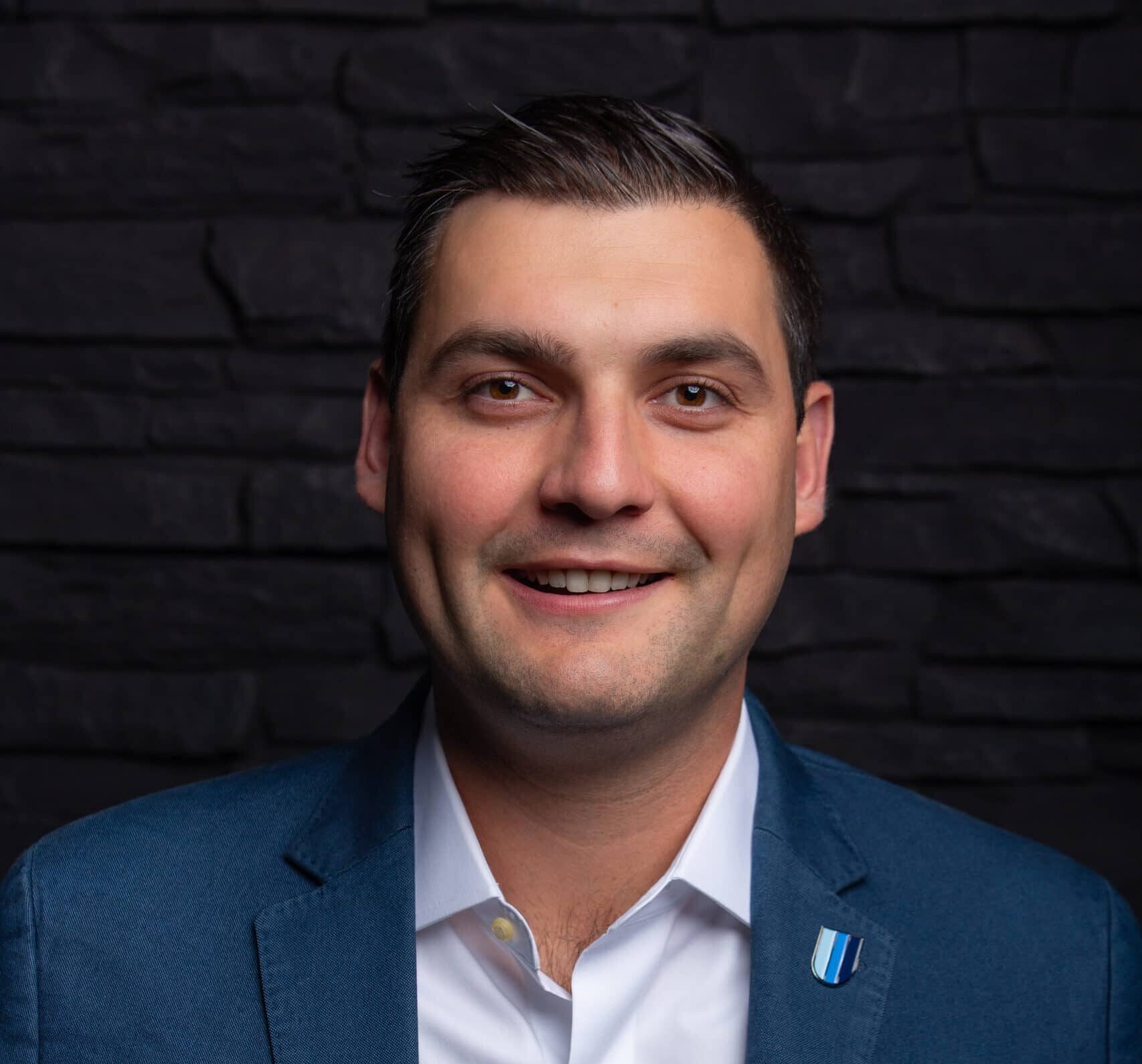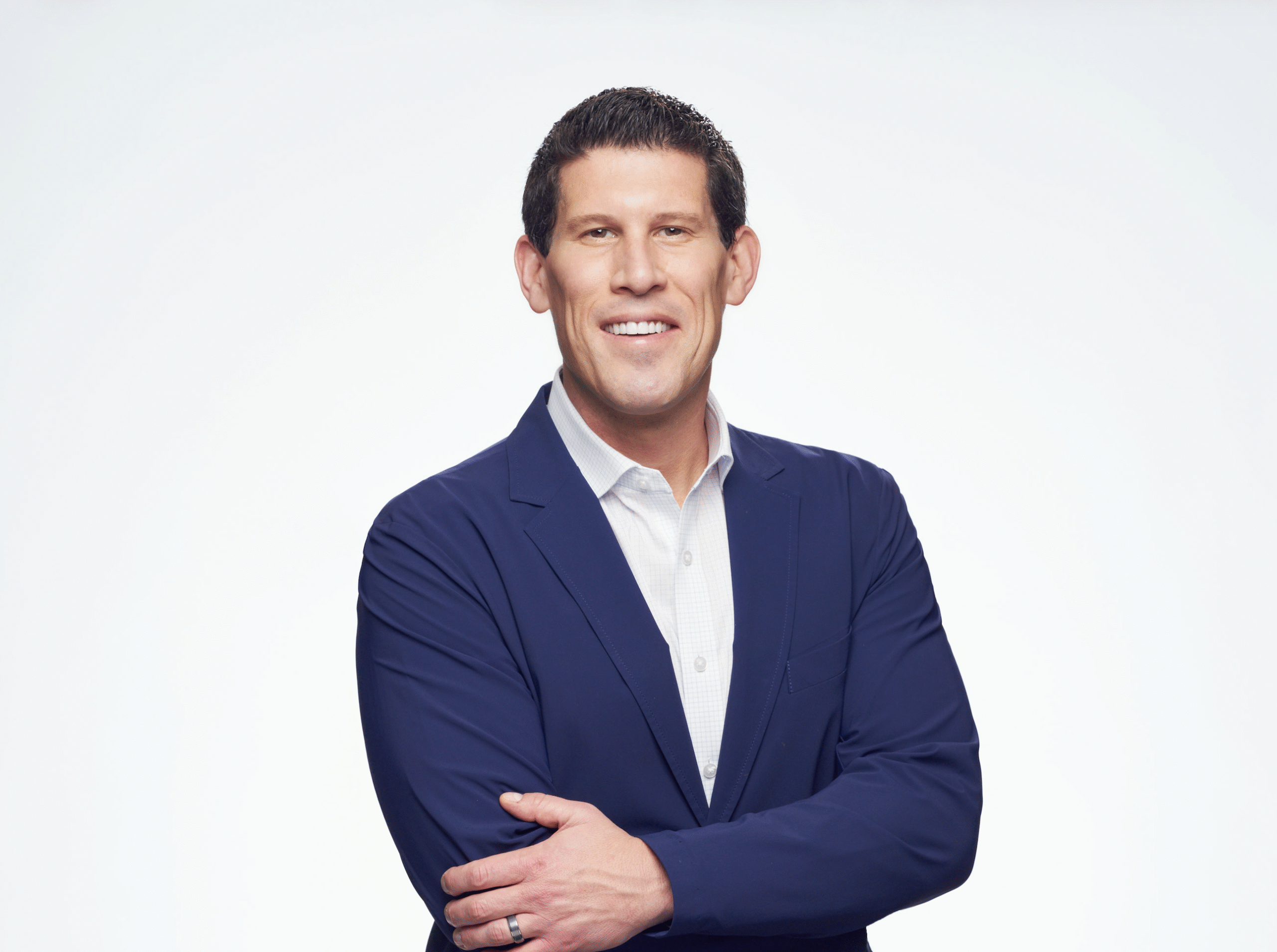
I recently went one-on-one with Alan Walsh, President of Sentiment Jets.
Adam: Thanks again for taking the time to share your advice. First things first, though, I am sure readers would love to learn more about you. How did you get here? What experiences, failures, setbacks, or challenges have been most instrumental to your growth?
Alan: My path into aviation was not a straight line, which is probably why I value curiosity as much as experience. I grew up in Cork, Ireland, and spent most of my career in technology and customer service. At one point, I came to Massachusetts for what was supposed to be a one-year assignment. That turned into a much longer chapter, and eventually into a career built around helping large organizations make complicated things feel simpler for customers.
I joined Sentient Jet in 2019 after more than twenty years in technology. What attracted me was not aviation for aviation’s sake. It was the problem to solve. Private aviation is incredibly complex behind the scenes, but the person traveling should not have to feel that complexity. That is a service challenge, a technology challenge, and an operating challenge all at once. The setbacks that have shaped me most usually came when I assumed that experience gave me the answer. It does not. Experience gives you patterns, but every business and every customer situation has its own context. I have learned to ask more questions before jumping to a solution, to listen to the people closest to the work, and to be willing to change course quickly when the facts change.
One idea I come back to is that “if there is no precedent, you cannot be wrong” simply because you tried something new. You can make a poor decision, of course, but fear of being first is not a good reason to stand still. Some of the best improvements I have been part of came from teams being willing to question an established process, test a different approach, and learn quickly. That mindset has been important in technology, and it has been equally important in aviation. Another lesson was learning not to protect a process just because I helped build it. If the customer experience changes, the process has to change with it. Leaders can become too attached to the way something has always been done. I try to stay attached to the outcome instead.
I like solving problems that sit at the intersection of people, operations, and technology. I also like that the outcome is tangible. When the team gets it right, a customer gets time back, avoids friction, or is able to be somewhere that matters to them. That makes the work very real. Sentient Jet pioneered the jet card model in 1999 and today serves thousands of Card Owners who use private aviation for business, family travel, and the moments where time and flexibility matter most. My role is to make sure we keep evolving without losing the service discipline that built the company. That means looking across the client experience, operations, technology, people, and long-term strategy and asking the same question: how do we remove friction for the customer while making the organization stronger behind the scenes?
We have been in the jet card business since the beginning of the category, but longevity only matters if you continue to earn trust. We focus on making a complicated service feel straightforward and dependable, and on having real people take ownership when a client needs help. The technology supports that promise; it does not replace it. We set a high bar, but we also give people room to solve problems and improve the way we work. We have a team of very tenured experts who collaborate with each and every colleague to deliver an amazing service experience. As a leader, my role is to create the platform for this to flourish, and then let our experts do their jobs.
Adam: In your experience, what are the key steps to growing and scaling your business?
Alan: Scaling starts with knowing what you will not compromise. Growth can expose every weak point in a business, so before adding volume, you need clarity on the standards that define the experience. For us, service and safety are not things you add after the business grows. They are the most critical part of the infrastructure that allows you to grow.
The second step is to make complexity visible internally and invisible externally. Customers should not have to understand your organizational chart, your systems, or the number of handoffs required to deliver the service. Your job as a leader is to build the processes, technology, and accountability that make the experience feel simple. When you scale, that becomes even more important because informal workarounds stop working.
Third, measure what matters. I am a big believer in data, but data is useful only if it changes behavior. A dashboard should not exist because leaders like dashboards. It should tell you where the experience is breaking down, where demand is changing, whether the team has enough capacity, and where a small operational adjustment could have a meaningful impact. Finally, stay close to the customer. The larger a company gets, the easier it is for leaders to become insulated from the actual experience. I never want that. Growth should give you more information about customers, not more distance from them. If you keep listening closely, you can scale without becoming generic.
One other point: scale has to be designed around the people doing the work. You can have excellent technology and a strong strategy, but if the team is constantly working around the system, the model will eventually break. The best scaling decisions make it easier for good people to make good decisions repeatedly.
Adam: What are your best tips on the topics of sales, marketing, and branding?
Alan: I would start by saying that sales, marketing, and branding cannot be disconnected from the experience you actually deliver. A brand promise is only useful if the operation can keep it. If marketing says one thing and the customer experiences another, the customer wins that argument every time. In sales, I believe the best people are advisors before they are sellers. They listen carefully, understand what someone is trying to accomplish, and are honest about fit. Particularly in a high-consideration service business, trust compounds. A short-term sale is not worth damaging a long-term relationship.
In marketing, clarity beats volume. Know who you are speaking to, understand what they value, and communicate in language that matters to them. For our customers, time is often more valuable than almost anything else. That changes the conversation. You are not simply talking about transportation. You are talking about control, reliability, access, and what someone can do with the time they get back. And in branding, consistency matters.
A premium brand is not created by using premium adjectives. It is created by delivering hundreds of small moments consistently: how quickly you answer, how you communicate when plans change, whether the technology works, whether the person on the other end of the phone takes ownership. The brand lives in those details.
I also think companies sometimes overcomplicate differentiation. You do not need to be different in twenty ways. You need to be very good, very consistent, at the things your customers value most. When people know exactly what they can count on you for, that becomes a powerful brand asset.
Adam: What do you believe are the defining qualities of an effective leader?
Alan: Clarity, accountability, and humility. People need to understand where you are going and why. They need to know what good looks like. And they need to see that the standards apply to leaders too. I also think calmness matters more than people realize. Leadership is tested when something goes wrong, not when the plan is working. If the leader becomes the most emotional person in the room, the team spends energy managing the leader instead of solving the problem. I try to create the opposite environment: surface the facts, be direct about what is not working, decide what we are going to do, and move.
Humility is the piece that keeps all of that useful. The higher you go in an organization, the less likely people are to casually tell you that you are wrong. You have to create permission for disagreement. I want people to bring me the problem early, challenge the assumption, and tell me what I am missing. That is how better decisions get made.
Effective leaders also have to be willing to make a decision before every variable is known. That does not mean being reckless. It means knowing what information is essential, what can be learned later, and when delay creates more risk than action. Teams lose confidence when every hard choice gets pushed to the next meeting.
Adam: How can leaders and aspiring leaders take their leadership skills to the next level?
Alan: Get closer to the work. Leadership development is often treated as something that happens in a course or a book, but most of it happens in real situations with real consequences. Volunteer for the difficult assignment. Take on the customer issue that crosses departments. Lead the project where the answer is not obvious. That is where you learn how you behave when there is ambiguity. Then build the habit of reflection. After a major decision, ask what you got right, what you missed, and what you would do differently.
Do the same after a failure. The goal is not to avoid mistakes. The goal is to avoid making the same mistake for the same reason. I would also encourage aspiring leaders to become translators. Every organization has different functions with different incentives and different vocabularies. The person who can understand the customer, the financial reality, the operating constraints, and the people implications, then connect those dots for everyone else, becomes incredibly valuable.
Finally, lead before you have the title. If you wait for authority before you take ownership, you will always be waiting. The strongest leaders I have worked with make the team better from whatever seat they occupy. And seek feedback from people who experience your leadership differently. Your boss sees one version of you. Your peers see another. The people you manage see another. If you only listen upward, you are missing most of the picture.
Adam: What are your three best tips applicable to entrepreneurs, executives, and civic leaders?
Alan: First, define the problem before you fall in love with the solution. Teams can waste enormous amounts of time optimizing an answer to the wrong question. Spend enough time understanding what is actually broken, who it affects, and what success would look like.
Second, build trust through follow-through. Leadership reputations are created in small moments. Do what you said you would do. If you cannot, communicate early. People can handle bad news much better than uncertainty or surprise.
Third, stay curious when things are going well. Success can make organizations defensive because people become invested in protecting the thing that worked. That is exactly when leaders should be asking what is changing, where the next friction point will appear, and what a new entrant would do differently.
You do not need to change for the sake of change, but you should never let success turn into complacency. I would add one more discipline that sits behind all three: protect your credibility. You can recover from a bad quarter or a flawed idea. It is much harder to recover from a pattern of saying one thing and doing another. Credibility gives leaders room to make difficult calls because people trust the intent and the process, even when they do not love the decision.
Adam: What is your best advice on building, leading, and managing teams?
Alan: Hire people who care about the outcome, not just the task. Skills matter, but ownership is difficult to teach. I want people who see a problem and feel responsible for getting it to the right place, even when the answer sits outside their job description.
Once you have those people, give them context. Teams perform better when they understand the reason behind a decision, the tradeoffs involved, and how their work connects to the customer. Context creates better judgment, and better judgment allows leaders to delegate more confidently. I also believe in very clear standards paired with room to operate. Micromanagement usually means either the standard is unclear or trust has broken down. Set the expectation, define the guardrails, make sure people know when to escalate, and then let them do the work.
Finally, recognize that culture is built by what leaders tolerate. If you say service matters but ignore poor follow-through, the real culture is poor follow-through. If you say collaboration matters but reward people who hoard information, people notice. Teams pay much more attention to what leaders reinforce than to what is written on the wall.
I would add that recognition matters. In demanding service environments, it is easy to spend all of your time on the exception or the problem. Leaders should also make a point of noticing when someone quietly prevents a problem, helps a colleague, or improves a process. Those behaviors are how strong cultures compound.
Adam: What is the single best piece of advice you have ever received?
Alan: The advice I have carried with me is: do not confuse activity with progress. A full calendar, a long email chain, or a busy team can create the appearance of momentum. The question is whether the work is moving the customer, the team, or the business somewhere that matters. I try to come back to that whenever things get noisy.
There is a second, very critical communication element that is overlooked far more often than we think: the power of a “thank you.” That follow-up, a genuine expression of appreciation, says a lot about a person’s integrity and credibility. People do business with people, and we should never forget that.
Adam: Is there anything else you would like to share?
Alan: I would add that leadership is increasingly about managing the tension between technology and humanity. I am a strong believer in technology. I spent most of my career in that world, and I have seen what good systems can do for speed, consistency and insight. But the goal should not be to automate every human interaction. The goal is to use technology so people have more capacity for the moments where judgment, empathy and ownership matter. The best experience is usually a thoughtful combination of both.