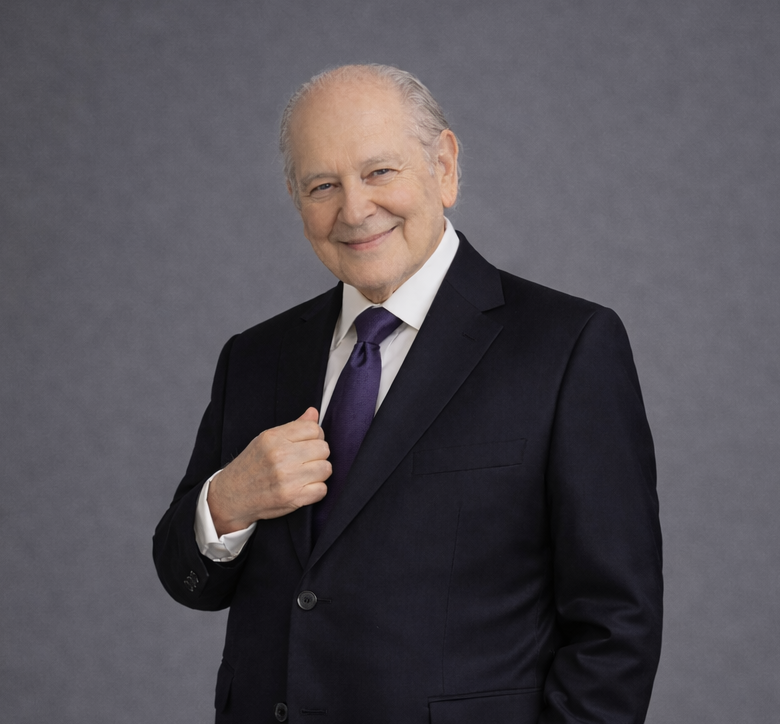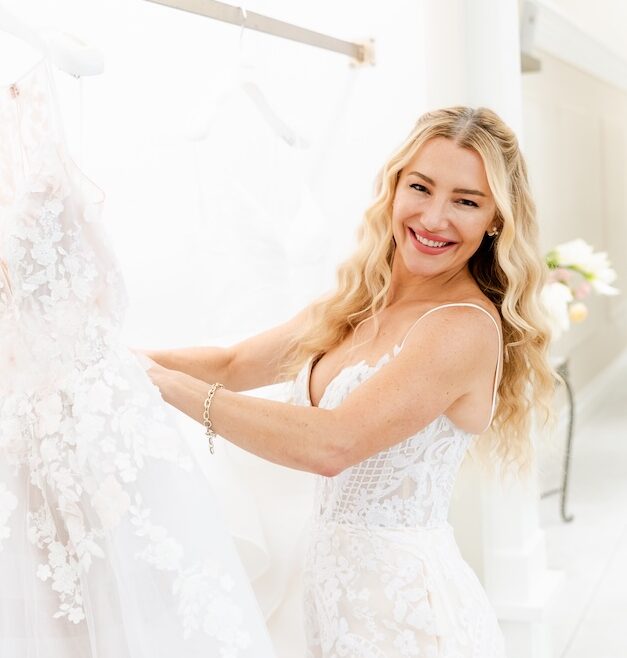


I recently interviewed Drybar Co-Founder Alli Webb on my podcast, Thirty Minute Mentors. Here is a transcript of our interview:
Adam: Our guest today is a serial entrepreneur who transformed the way millions of women style their hair. Alli Webb is the co-founder of Drybar and is the founder and co-CEO of her newest venture, Messy by Alli Webb. Alli, thank you for joining us.
Alli: Thanks for having me.
Adam: You grew up in Boca Raton, and growing up, you were a self-described underachiever. You went to Florida State but dropped out after a year and wound up going to beauty school with a stint working for a former guest of Thirty Minute Mentors, Nicole Miller, in between.
Alli: Huh. How funny. Yeah. You know, I mean, I’m 50 years old, so I grew up in that generation of be seen and not heard era. My older brother, Michael, who’s been my business partner for many years now in a dry bar and now in a messy one, was always the overachiever of the family and very smart naturally. And very ambitious, and I was a little bit more of a wallflower and definitely a late bloomer. And my parents were entrepreneurs. I certainly grew up in that world and had a front row seat to what that looks like. And I just lived it and didn’t really even think about it, and really didn’t have a desire even to be an entrepreneur. After trying to figure out what I wanted to do with my life after high school, it was a bumpy road. I moved to New York City and wanted to work in fashion. And then I ended up at Nicole Miller, which, 30 years ago, Nicole Miller was all the rage in the fashion world. And then I moved back to South Florida, where I grew up and went to beauty school and just really fell in love with it. I think one of my first jobs out of high school, or while I was still in high school, was working the front desk as a receptionist at a hair salon. And the stylist would blow out my hair for free. And it was just the greatest perk. And I was just always so fascinated by hair. And after a lot of fits and starts, I decided to go to beauty school. And like I said, I really fell in love with it and really felt like I had found my thing, and I just loved it so much. And the rest is history.
Adam: I love it. Going back to those early days, what were some of the lessons that shaped your worldview and ultimately shaped the trajectory of your success?
Alli: Like I said, my parents were entrepreneurs. I think that I got an education in leadership and being a business owner from my parents first and foremost. And I really wasn’t paying attention necessarily, but it certainly seeped in, and I do believe it’s in my DNA. And as I got older and as we started Drybar, I realized so many of those lessons were deeply imparted in me and the way my parents ran their business and they had this little mom and pop shop of older ladies clothing, moo-moos if you know that term, and they were so focused on customer service and it was very interesting at the time because my brother and I both worked at my parents’ store and my mother was so just so kind and the ladies loved her so much and they were hard on her. It was also like your grandmother’s generation, and a lot of them were cranky and weren’t always super nice to my mom, but my mom was always over the top nice and would bend over backwards for them. And I remember questioning her as a kid and just not understanding at that point, why are you so nice to these women who are not nice to you? And she was always like, We’re in the service industry, and that’s what you do. The customer’s king. I saw that with my father, too, who my mom was in front of the house, and my mom was the buyer. But my dad would set up chairs at the front of their store and bring the husbands who were just sitting there waiting for their wives to shop. He’d bring them bagels and coffee and the newspaper. And he was like the mayor of the shopping center. And it really was so smart and impactful to the business because obviously if these men were occupied, not trying to get out of there and rush their wives out. Their wives would shop more and spend more money. So it was brilliant. And it was beautiful. These men loved my dad. And so both of my parents had this very customer-focused center that they built their business around. And so that was largely imparted. To me, watching how my parents operated, and just so many lessons came from that. And I also had the fortune of working at a couple of really great hair salons. And my high school friend’s dad owned a saloon, and I went to work for him. His name was Sean Peters. And I was an assistant, really just trying to learn how to do hair, but he was the owner of the shop. So he was constantly dealing with everything else that was going on in the shop, from the stylist to like operations and whatever. And I was always shadowing him. So I also inadvertently learned a lot about what it’s like to run a salon. And then I worked in PR for a while. Like so many of the things that I did in my early twenties would certainly inform the leader or boss that I became. And just all these lessons that were imparted to me in my early twenties, of like bopping around and figuring out what I wanted to do,o just served me so incredibly well when we started Drybar.
Adam: Alli, I love it. So many lessons there. When you worked for your friend’s dad at his salon, you weren’t hired as a leader. You were hired in a very specific role, but you showed initiative. You took it upon yourself to learn as much as possible, to learn the business, and that played such a key role in learning the business that you were ultimately able to start, grow, scale, sell, and it’s something that really differentiates those who take jobs and work in jobs and those who take jobs and rise and those who start businesses and grow and scale businesses. Initiative, desire to learn, desire to grow, desire to get outside of their comfort zone, desire to push the envelope and go beyond what is expected of them, and desire to go beyond the scope of what is given to them.
Alli: Yeah, every job I had, and I feel like I’ve been working since I was 16 at my parents’ store, but beyond. And I think I was working at maybe Express, which I’m dating myself. People probably don’t even know what that store is anymore, but it was a clothing store and not an older lady muumuu store. And I remember everybody I worked with was like, Can you chill a little? You’re making us all look bad because I just. That was all I knew was to go above and beyond and work harder than everybody else, and always say yes. And again, so much of that was just instilled in me by my parents and watching how they operated. And I think I always had this mentality of whatever job you’re doing, you treat it like your own. And I was never overly concerned with money, not that I didn’t want to make money and whatever, but I was just such a natural hard worker and do whatever was needed, which has been really interesting for me to see in my own career. As I’ve grown, we have a generation that is not like that. That was hard for me to stomach, and I just was like, I’ll do anything. And sure, there was probably some in the era that I was growing up, and when I was working in hair salons, it was like, you’re lucky if you got to go to the back room and take a bite of a sandwich, let alone breaks that you had to legally take. So it was a very different generation and a big adjustment for me because I just thought everybody worked like that. And so that was interesting. When we started Drybar, we weren’t really aware of any of us, and we had to very quickly adjust. And of course, people should take breaks. And I’m actually a very big advocate of self-care and all of that. But I just grew up in this generation that was just, we worked a lot, and I loved it. So it was really interesting for me.
Adam: And it really speaks to where you want to focus. Are you focusing on money, or are you focusing on excelling at your craft, excelling at your job, doing the best that you can do? Because if you focus on that, the money is going to come.
Alli: Exactly. And that’s advice I give all the time, especially to budding entrepreneurs and people who want to start their own business. And they’re coming at it from like, I want to make millions. It’s like, well, first of all, it’s a very bad way to start. Of course, we all want to make money,y and we want our business to be successful and all of that. But if you’re not doing it from a place of like, I just love this, and the money doesn’t really matter. Per se, the money will come if the passion and desire, and drive, and everything is there. And again, I think that’s just who I am. And I’ve always had a really healthy relationship with money and trusting that it will come and being more concerned with liking my life and liking what I’m doing every day, which I think is also why I always urge any college students or even high school students that I talk to, I’m like, just go do a bunch of shit. Go take a bunch of jobs, jump around a lot. You don’t need to be in a job for several years. Go find what you love. It’s the advice I give my 20-year-old son. It’s like, go explore because you never have the opportunity that you have in your early 20s, which we know all too well. You don’t have kids. You can go explore and find out what you really love and learn so much of that, which I’m certainly living proof of. All of those experiences, and I had so many different jobs. I mean, I didn’t start Dry Bar until I was 35, and I had so many different jobs in my 20s that so uniquely prepared me to do what I did with Dry Bar.
Adam: It’s such great advice, and I can speak from personal experience, that the experiences you have when you’re younger, you never know how those experiences are going to help you when you get older. And your journey is as good an example of that as any.
Alli: Agreed.
Adam: You learned so much from working with your parents in the family business, and you started your business with family. Your co-founders were your brother and your then-husband. How did Drybar come together? How did you actualize it?
Alli: Well, given my history in the salon industry, I did get my cosmetology license when I was like 20, 21, and I’d spent several years working in traditional salons and then in New York City. And then my ex-husband Cameron and I met in New York, moved to LA, and had two boys who are now 18 and 20, which is just bonkers. But I was the stay-at-home mom for the first five years. I really thought, and it just goes to show, you just don’t know until you try things. I wanted to have the baby so bad. And I loved staying home for the time that I did, but I also really got that itch to get out there and do something that was my own. And I thought I was going to be a PTA mom, and I thought I was going to stay home her whole school life, but it wasn’t what ultimately made me happy. And I felt a really strong desire to get back out there. But when you have two little kids, it’s like I’m on one income. It was like, what am I going to do that makes sense? And I dabbled again in a couple of different things and ultimately came back to what I was good at and what I loved, which was doing hair. And I decided that A lot of my girlfriends at the time had curly hair, and I would always blow out their hair. And I decided to start a mobile blowout business. And again, back to the money conversation, it wasn’t about making a lot of money. It was more of a mental thing that I wanted to do something for myself. So I was only charging 40 bucks, which was two twenties. easy. That was the business plan, and Cameron, my husband at the time, made me a website that I named Straight At Home. It was a one-page website, and I started posting it. I was very enmeshed in the mommy community at that point, so I started posting on all the mommy blogs and people were calling me left and right because it was only $40 and You’re a dude, so you might not know this, but to get a blowout at your house is at least $100, $150, if not $250. It’s expensive to get someone to come to your house, especially in LA. And I was like, well, if I make it cheap enough, people will call me. And then I knew that they would like it because I was good at hair. And so it was really a whim of an idea. And so I started getting so much business, and I was blow-drying women. And I remember walking into these women’s homes, like in the Palisades. I was like, I didn’t even know houses like this existed. They were just so over the top and huge and beautiful. And it was definitely a good inspiration for me to be like, I’d like this at some point in my life, but on the back burner. And what happened during that time was I realized there was quite a big hole in the marketplace, which again, very inadvertently stumbled upon this that I was like, huh, I get, I’m getting so busy because even the very wealthy to do women $40 was so cheap. And that’s usually what most people gave me. And I just got so busy so fast that I called up my brother and said, Hey, I think I’m onto something here. And I think if the price point is right. I think we could turn this into a brick-and-mortar. And instead of me going to them, they come to me. And my brother, who’s bald and never understood the hair industry, was like, Whyy don’t women blow out their own hair? Which, of course, was a lot of education for him. I was like, I think this could work. The big question mark was the price point. Cause I wanted it to be even less. So we actually opened Drybar in 2010, and it was 35 bucks for a blowout. I think it’s like 55 now.w I’ve sold the company and am not involved anymore, but it was so well timed, and success is lots of things, and luck is certainly sprinkled in there. And, you know, it was at the tail end of a recession. So women were really cutting back on. Cotton collar, and there was certainly a savings in the air. And I just had this gut feeling that if we had the right price and the perfect experience that this could work and we were hoping to do those early days that Brentwood shop with the first shop had eight chairs in it and we were hoping to do 30 to 40 blowouts a day which very quickly turned into 100 and it was so crazy and very quickly we knew we were really on to something because The experience was so good. The branding was so good. Everything really checked the box. And Cameron, my ex-husband, is an incredibly brilliant designer. My brother is a brilliant businessman. I really knew hair, so it certainly wasn’t all me. It was very much the three of us coming together. And the reason that the partnership worked so well is that we all had our very different lanes. And we didn’t have to pay ourselves. We didn’t pay ourselves for the first couple of years. But again, I didn’t care about that. I just wanted to do something that I loved. And it was so intoxicating, and it was so rewarding in the way women responded to it and the way the press responded to it. And just women came out in droves and loved it. And then we were like, holy shit, we’ve kind of captured lightning in a bottle. 150 stores later and a huge product line, we sold it in 2020, almost 10 years to the day.
Adam: I love it. You talk about the importance of luck, you talk about the importance of timing, but there are so many other variables that have nothing to do with luck, nothing to do with timing. Finding the white space in the market, having the right team, a team of people with complementary skill sets. Great branding, great product, something that you shared, which is so important. Starting small, testing, you tested it in homes, and then starting off with one store, and next thing you know, you’re at 150 locations. Start small, it works. Go bigger, it works. Go bigger.
Alli: It was such a gamble. I mean, Michael and I even had to personally guarantee that first lease, which was funny because we were like, well, we don’t have any, or I didn’t have any money. So I was like, okay. But it was just, it was such a flyer really because it had never been done. And yes, we did find this white space, but what’s interesting about that is, and I think that a lot of people look for a white space, but really technically it wasn’t really because blowouts have existed forever and you can go to any hair salon and get a blowout albeit it’s a different experience and the price point is usually variable pricing and there’s a stylist would rather be doing cut and colors it’s not set up for it but we didn’t reinvent the wheel we just created a much better atmosphere, experience, the branding, the customer service, everything was so focused on one thing. And it was just great blowouts. And we took this little tiny piece of the salon industry, which is a multi-billion-dollar industry, and said, we’re just going to focus on this one little thing. Over the years, investors and people were like, Why don’t you offer manicures or do this and do that? And I was like, because I’m only really good at blowouts, and I know how hard it is. I mean, hiring was so challenging, and we had so much demand. Supply was much harder. And just to get the blowouts to the level I needed them to be was a point of work. And I loved the simplicity, and there was never a bait and switch. You knew exactly what you were getting. And that was just the model that felt right to me, which was also interesting because as such a girly girl and I grew up in hair salons with my mother, who went almost religiously every Saturday to do all the things in hair salons. Historically, there have been setups where you can get a manicure and you can get waxing, and you can get a haircut; you can do all this stuff. And we really peeled out, just blew out, and then just focused on that. And it just, it really worked. And not only did it work, it kind of spawned a movement of single services and following that. A model of just focusing on one thing and being really great at it, which I like to compare to. Not that we’re anywhere near as big and successful as In-N-Out Burger, but you can’t get a chicken sandwich there. You can only get burgers and fries. And it’s like that simplicity has worked incredibly well for them. So that’s kind of how we thought about it.
Adam: Those are a couple of really important lessons. You don’t need to build something completely new to be successful. If you can build something that’s just better.
Alli: Yeah, and even with Messy, my new hair brand, yes, there’s a million hair products out there, but we have a very distinct point of difference with what we’re trying to do with Messy. And there’s so much that goes along with it, that hair products aren’t a white space, but there is an opportunity to stand out and do something different, which is always the advice I give. Entrepreneurs that I’m mentoring are like, What is different and unique about what you’re doing? Even if you’re opening a coffee shop, there’s so much opportunity out there to do something that already is better. It’s just ripe with opportunity. And it’s like, if you’re willing to take it and you have that discerning eye and you’re obsessive about customer service and experience the way I am, you can go do anything from my perspective.
Adam: The other lesson you shared, which is so important, having the discipline to stay within your lane, to focus on what you do really well. It’s so easy as an entrepreneur to jump to the next shiny object because there are so many shiny objects. And as you said, your investors were throwing shiny objects right at you, but you had the discipline to understand what it was that you knew really, really well and to own that.
Alli: Yeah. My feeling on it always was that you can be great at one thing. That’s how I felt about it. And I don’t know that that’s always true. When you look at examples that spring to mind are like sprinkles, cupcakes. Candice Nelson is a good friend of mine. And obviously, there are many iterations and flavors of cupcakes, but you know, when you hear the word sprinkles, you know, it’s just amazing cupcakes. I just think there’s so much in that versus even what we saw with copycats with the dry bar. We saw so many. Salons doing exactly what I didn’t want to do, which was like, they would have makeup, and they would have all these other services. And it just kind of, in my opinion, convoluted the brand. And we had to put so much training in, and I didn’t know that, but we had to create training programs, and getting our stylists to be as good as I needed them to be was not easy. So the idea of adding in other things then takes us from great to good. You can’t build a good business. You want to build a great business. That was how I always thought about it. And as we were raising money, I was very bullish on that. And any investors who were like. In those early pitch meetings and the dog and pony shows that we were doing when they were like, Why don’t you sell makeup? And what you have is such a captive audience. I’m like, yeah, no, we’re just not going to do that. And that’s not the vision. And I had to really stick to my guns. And I think there was also a fair amount of fear because I was like, I’m not going to put my name and this company on the line and introduce manicures when I’m not an expert at that. I was an expert at hair. I could walk into any dry bar shop at any time and assess what was going on. I could jump in if I needed to. And that was such a superpower of mine that I had to teach to other people. But that also made us such a standout in this space.
Adam: You mentioned one of the challenges was finding good people, building really good teams. What was and what is your approach to hiring? What are your best tips on the topic of hiring?
Alli: I’m a big hire fast, fire fast kind of gal. While I think there’s certainly room for people to be trained on learning a specific skill, I think there is an innate energy and attitude that people come with, and you can teach a lot of things, but you can’t teach that, in my experience. So I was always looking for people who were just obsessed with the brand, loved what we were doing, excited about it, really positive about it. And also not afraid to speak up and say what they think, but also have like a real love for the brand and a real passion for it, because those kinds of people are going to work the hardest and love what they’re doing. And that’s the thing with Messy, my company now, my team is so incredible, which I really attribute to everything I learned. of what not to do at Drybar and hires that weren’t great and how to make changes fast if things aren’t working out versus dragging your feet, which is very, very hard in the Drybar era because, again, there’s a lot of laws that you have to follow when you’re evaluating people. But I always urge business owners, when you know this is a situation that cannot be fixed, you’ve got to move on fast because not only is it detrimental to that particular person, but it also, of course, as you know, just kind of creates a cancer in the organization, and it negatively affects other people. It’s just bad all around. So if something isn’t working, you want to move on quickly from it. And he said, I do.
Adam: I know all too well, a hundred percent. As you’re talking about lessons that you’ve been able to apply from your experience leading Drybar to your new business, Messy, something that’s been a key theme that you’ve shared throughout not only your time as an entrepreneur, but really your entire life, going back to your experience working for your parents, customer focus, customer centricity. How can leaders create a culture of customer centricity?
Alli: Well, I think it really starts with your personal team and how much they love what they’re doing and want to deliver an amazing experience, whether it’s a retail service business. Or in my case now, it’s a messy product business. How do you put yourself in the shoes of the consumer? And we live in a world that’s very bombarded with a million products. And so again, what is the difference in what you’re doing, and one of the big things that really our architect at Drybar taught me was this element of surprise and delight, which I feel like has gotten more attention in the last several years. But he had this vision of when we were designing Drybars, from when you walk from the main part of the shop to the shampoo room, that had this beautiful wallpaper. And there were just all these little surprise and delight moments that happened. And that’s something that I really think about so much is how we impact the customer. And one of the big things that we’ve done with Messy is every product has a mantra, which goes back to the last five years of my life, and having gone through some really hard things, and having to do a lot of work on myself, and having a bit of a spiritual journey. And the whole ethos of our brand with Messy is giving women permission to embrace the hair that they have and letting it be a little messier and forgetting the perfect and the undone, which I know is ironic based on what I had done with Drybar, but there’s a mantra on every product. Like our rough dry cream says, I am enough. And then there’s one that I am unbreakable, and I am transformed, and every product has a mantra. So much of that is because it is very personal and authentic to me, but also, we know the power of affirmations, and you read that and you feel something. And I think that getting your consumer to feel something, something authentic and genuine, you can’t just bullshit that. Customers are very smart. For me personally, with my personal brand, it’s like I’ve had a lot of people watch me over the last 15 years and go from dry bar and all the success with that, and then selling dry bar and then going through two brutal divorces and my son going through stuff. And it’s like, I’ve been pretty. And I’m not saying this is the path for everybody, but I’ve been pretty vocal with the things that I’ve gone through, which have really culminated in this brand that my hair came along for this journey with me. And then infusing that into the product and into the experience that people are having with the product. They love the efficacy of it, and they really work, but they smell really good. And there’s this beautiful mantra, and all of those things are so impactful to the experience a customer is having. And you just can’t. Underestimate how important that piece is when you’re building a business. And it’s crazy to me. I don’t know if this is you, but I am so obsessed with how things are when I go to a restaurant or a clothing store. And I’m like, nine times out of 10, I’m like, this could be so much better if somebody was paying attention to five things that aren’t working in the store. And it just boggles my mind how easy it is to make those changes, but nobody’s paying attention. Just be so obsessive about those things to really notice them. And that’s part of hiring a great team that can help with that. And so, how do you create a great experience? There are a lot of boxes that need to be checked. And I think a lot of people underestimate just how important that is.
Adam: And everything you shared really speaks to what we were talking about right in the beginning of the conversation about how to excel in your career, how to excel as an entrepreneur, going above and beyond surprising and delighting, not just doing what’s expected of you, in your job, not just doing what’s expected of you in servicing your customers, but figuring out what can I do that’s going to blow away whoever it is that is across from me, whether it’s my boss or whether it’s my customer or whether it’s any other stakeholder.
Alli: Right. I mean, that’s where so much of the team really matters. And like I said, we have a relatively small team of about 10. People right now at messy and they’re just so great. And everybody is so invested and obsessed with this brand. I so firmly believe that really trickles down into the whole, obviously, the culture of the company and the whole brand messaging and excitement and just the energy that we’re all putting out towards this brand. Cause we all love it and we all feel so invested in it, and it doesn’t work without that. We do a lot of activities with our team. We do a lot of fun things. And I think if I weren’t engaged and there wasn’t so much excitement for me, then it would be hard for them to feel it and take it out into the world, too. Which again, goes back to doing something that you feel really passionate about, not doing it just because you hope you’re going to get rich and be successful. So much goes into creating a love brand or a successful company.
Adam: Alli, what do you believe are the key characteristics of the very best leaders, and what can anyone do to become a better leader?
Alli: Humility. Humility. Humility. This is not an easy lesson to learn. I definitely learned it the hard way. And especially for me, having been thrust into this leadership role and never really managing people, it was very jarring for me, and I did it very wrong. I was like a bull in a china shop in many ways in the early days. And I think I had this self-inflicted idea that I had to know everything. I had to have all the answers. I had to be like, I’m the boss. I have to just know. And so much of that was bullshit because I didn’t. But I felt like, well, the buck stops with me. Fake it till you make it. That was where I was in the early days. And as I, Rowa, have been a leader and as I’ve started other companies, I’m like, Oh, that is just wrong. That is completely the opposite. I heard a story a couple of years ago where the CEO was talking. I can’t remember who it was, but he was saying that he doesn’t want his employees to serve him. He wants to serve his employees, and that’s where he comes from. I have to remind myself of that because you know, it’s very easy to get into the, I’m the founder, I’m the CEO. Everyone should be acquiescing to me, but it’s quite the opposite in my opinion, to be successful. It’s being humble. It’s really hearing other people out, creating a safe space where people aren’t afraid to say what they think and know that there’s no punishment here. No one’s going to get in trouble for an idea that they said. And it’s a very fluid, everybody feels like they can contribute. And part of why I don’t love hierarchy, I never really know anybody’s title. I know what they basically do, but. I’m going to contradict myself because I like being the CEO. That’s probably my ego talking, of just there are clouds and it feels good, but I serve my team, not my team serves me, which is really a new idea. And I think that there still is that mentality. When I go to events with my team and they’re unpacking boxes, I usually get on the floor and unpack boxes with them. And they’re always like. You don’t have to do that.” And I’m like, well, you’re doing it. Why wouldn’t I do it? And you’re in the trenches with your team. And I feel like those are a big part of what I think makes a great leader is somebody super relatable, somebody who doesn’t put themselves in an ivory tower, somebody who is really on the ground in the trenches and not having an ego. My brother, Michael, who’s my business partner now again in Messy, he’s just so focused on the business, and he’s the bald guy in the background. So we kind of joke that we don’t take him out in public rooms. And obviously, I’m very front-facing for a lot of obvious reasons, but he doesn’t have any ego either. He doesn’t care about people knowing who he is. He cares about the company doing really well. And it’s that leadership and that humility, I think, is the key for sure.
Adam: The best leaders are servant leaders.
Alli: A hundred percent. And if you had said that to me eight years ago, I’d have been like, what? It took me going through a lot of pain from the pressure I was putting on myself to have all the answers leader. And I just, I rarely have all the answers. I’ve got some good ideas, but yeah, it’s really your team.
Adam: The best leaders lead by example. Humility is essential to successful leadership. The best leaders understand that they don’t have all the answers. They’re intent on surfacing the answers by surrounding themselves with great people and listening.
Alli: I have so many debates and healthy debates with my team about things that I think, and they challenge me all the time. And there’s never a, well, I said, so that never happens. You know, it’s always a give and take. And that is so great. It really ingratiates people with you and your brand. It’s, it’s such a game changer.
Adam: And Alli, you can like being the CEO, there’s nothing wrong with that. What matters is whether the people you lead also like you being the CEO.
Alli: My brother was the CEO of Drybar for a while. And even in starting Messy, my brother was the CEO. And I really had a moment where I was like, we do very different things, but I was like, I’m really leading this brand. And my team is mostly women. And they’re like, we think of you as the CEO. And I was like, right. So I think that the co-CEO feels a little funny, but we are CEOs in very different ways. And we inform very different things, and we’re always learning from each other. And it’s the same dynamic of my brother and me; there are things that he’s just innately good at, and things that I am. And so it really works.
Adam: Any tips on how to successfully work with family?
Alli: You have to really like them. The biggest tip is making sure that you’re not both trying to have the same job. My example with Drybar, I knew a lot less about business than I do now, but he was business leases and negotiating terms and dealing with the private equity guys and the bankers and all that stuff. I was frankly intimidated by it, not anymore, but I was back then. So, Drybar was such a beast, and there was so much that had to happen in the shop, from customer service and operations, and training. It was a lot. And that was really my lane. And Cam, my ex-husband, was brand and creative. And I think that if we had overlapped in that stuff, it would have been hard. And I’ve seen that happen. I’ve mentored founders who both founders kind of do the same thing and want to do the same thing. And that’s where I think things get tricky. So, whether it’s the family thing, I think you kind of know. And I’ve had a lot of people say to me, I can never work with my brother. And sometimes that’s just dynamic. My brother and I have always been very close friends. And I think the fact that, also, especially when we were starting Drybar, I had such historical knowledge of the salon industry, and my brother didn’t. So there was a really healthy dynamic between us because I had a lot to teach him from the hair side, and he had a lot to teach me from the business side. So it just really worked. And not having ego, that is a big key, and making sure everybody has their lane.
Adam: Holly, what can anyone listening to this conversation do to become more successful personally and professionally?
Alli: Self-awareness as a leader, as a human, as a mom, as a friend, as a spouse, whatever you are. If you can’t find self-awareness and you can’t be humble and think about how you’re contributing and how you’re showing up, it’s very hard to be successful in any area of your life. And that’s certainly been part of my transformation. I’d say I’m Alli 3.0 at this point because coming out of dry bar was such a crazy 10 years and I was just so burned out and depleted and what I was doing was not working and I was very unapproachable and I was a harder version of myself and over time I softened when a lot of personal things happened to me and just realized being self-aware, how I talk to people, how I show up, and making sure that I’m always keeping myself in check, I think is the biggest thing. And that is not easy, by the way. Taking a hard look at yourself, asking people around you that you trust to tell you what they think, which my brother loves to do, and my brother thinks his number one job is keeping my head on straight and keeping me from getting an ego, which is kind of a joke, but kind of true. You do need people around you who can check you, and not to be defensive, and to be open, and to be willing to hear people out that you trust.
Adam: Alli, thank you for all the great advice, and thank you for being a part of Thirty Minute Mentors.
Alli: Yeah, thanks for having me. It was a great conversation.