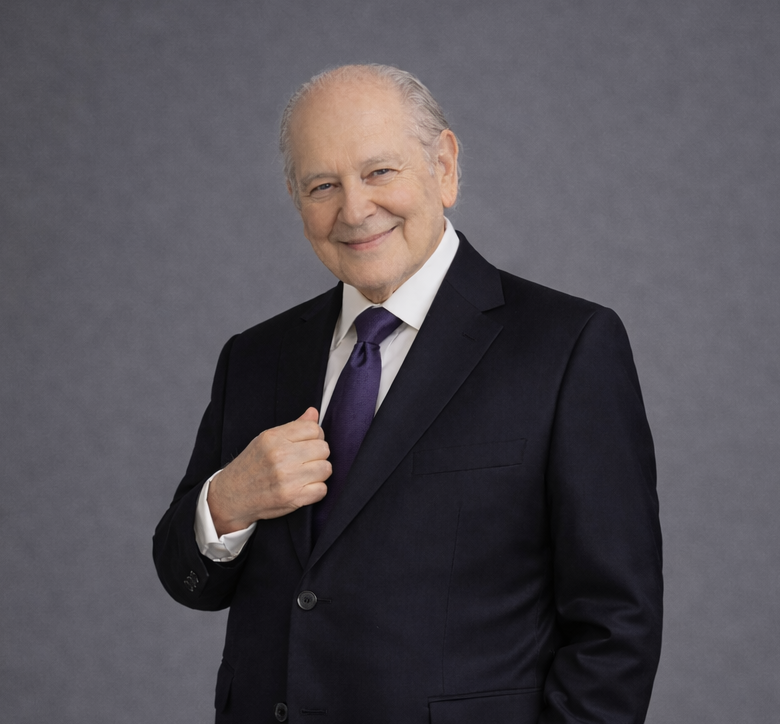


I recently went one-on-one with Bob King, Founder and CEO of Humanscale.
Adam: How did you come up with the idea for Humanscale, and how did you actualize it?
Bob: Back in 1983, I was working for a computer company right out of school. That’s when computers first started showing up on desks, and they caused a lot of problems. The displays were big CRTs, and people often put them in the corner of their desks. They’d look to the side hundreds of times a day, and many developed neck, back, and wrist issues from adapting their bodies to the machines.
I thought, there’s a real problem here. People were just slapping computers on desks without thinking about how it affected the body. I wanted to create products that would adapt equipment to people, not force people to adapt to equipment. Later, I learned that it was called ergonomics. We’ve really been pioneering ergonomics for the last 40 years.
It all happened gradually. Over time, I was fortunate to find some world-class designers and built strong relationships with them. Together, we developed products that made workplaces healthier and more comfortable, expanding little by little into a full range of solutions.
Adam: It sounds like a key turning point for you was building a team of great designers, finding those early employees who were able to work very closely with you in creating your early products. That led to initial success, and that ultimately led to greater success, and then greater success. What do you look for in the people you hire, and what are your best tips on the topic of hiring?
Bob: It depends on the role, but with design, I learned an important lesson early. We were developing a keyboard tray – one that supported a keyboard and mouse under the worksurface so it could be adjusted to the right height and angle. The existing products had flaws, so I interviewed a number of designers.
One candidate was very articulate and spoke eloquently about design, so I hired him. Another candidate, George Meleos, wasn’t polished in interviews. He often said, “I’d have to think about it.” I didn’t call him back. The person I hired struggled, but a few months later, George came back with a cardboard model he’d created. It was brilliant. You could place the keyboard exactly where you wanted it, let go, and it would lock in place – no knobs or levers needed.
We ended up working together for 15 years until he passed away, and he kept us far ahead of the industry. He was a terrible interviewer but a genius at design. That experience taught me not to put too much weight on the interview process alone.
Adam: It speaks to a really important lesson, which is that you have to oftentimes look beyond the interview. We put a lot of weight in the interview process, and for good reason. But the interview process isn’t the end-all be-all. There are plenty of people who interview really well, but when they actually show up and have to do the work, they can’t do the work all that well. And on the flip side, much in the way that you were able to find someone who was such an instrumental employee for you, there are so many people out there who aren’t necessarily all that great at interviewing, but are really good at doing the actual work. As a leader, as a manager, and as someone who is looking to build winning teams, only put so much weight into the interview process and look at other variables. Look at previous experience, look at references, and talk to people who have worked with that person in the past.
Bob: You’re right – too much weight gets put on interviews. I always tell managers to focus on the body of work. What has this person accomplished? Have they been promoted in past roles? That’s a huge indicator. If someone’s résumé and track record don’t look strong, don’t interview them. They might wow you in person, but you’ll make a mistake. Interviews can be misleading. Proven results are far more important.
Adam: How, as a leader, do you manage and support poor performance?
Bob: The first thing I ask is whether I’ve set them up for success. Have I given them clear expectations, the right tools, and the right environment? If not, that’s on me. Once I know they have the support they need, I look at the root of the performance issue. Are they in the wrong role? Do they need additional training? Or are they simply not the right fit? It’s important to distinguish between those scenarios. If it’s a skills gap, you can often fix it. If it’s a question of values or work ethic, that’s harder to turn around.
Adam: That’s such great advice. Oftentimes, we see people who perform poorly, and the first thing that we think is, “What are they doing wrong?” Instead of asking ourselves, “What am I doing wrong?” I’m the leader. Accountability starts with me.
Bob: Exactly. Leaders have to take responsibility first. If someone on my team isn’t performing, my first instinct is to look in the mirror. Did I give them clear direction? Did I put them in the right role? If the answer is no, then it’s on me to fix that.
Adam: How much rope do you give a poor performer in the process of assessing: Can I turn around their performance? Is it them? Is it me? Is it the environment? Do they need to be in a different role?
Bob: It depends on the situation, but generally, I try to give people enough time to prove themselves. If they show effort, commitment, and willingness to learn, I’ll invest in helping them improve.
But if someone isn’t engaged, doesn’t seem to care, or demonstrates poor values, you can’t give endless chances. That’s when you need to make a change quickly, because keeping the wrong person in a role is unfair to the rest of the team.
Adam: That’s another really important point, which is to delineate what the poor performance actually is. Is it poor performance because you gave them an assignment and they didn’t do it up to the standards that you expected of them? Is it poor performance because you gave them an assignment and they cut corners? Is it poor performance because they acted unethically? Those are all different scenarios, and they require different responses from you as a leader.
Bob: Absolutely. Not all poor performance is the same. Missing a deadline or struggling with a skill is very different from cutting corners or being dishonest. The former can be coached; the latter usually can’t be tolerated. Leaders need to be very clear on which type of issue they’re dealing with so they can respond appropriately.
Adam: Do you have any examples from your time leading Humanscale where you’ve had a poor performer who you were able to inspire to elevated performance?
Bob: Yes. I’ve had situations where people were underperforming, and instead of letting them go, we shifted them into a role better suited to their strengths.
One person in particular wasn’t thriving in sales, but when we moved them into operations, they excelled. Sometimes it’s not the person – it’s the role. By aligning their job with their natural abilities, they went from struggling to becoming a top contributor.
Adam: How can you inspire the people you lead, and what, in your view, are the keys to effective leadership?
Bob: For me, leadership is about vision and example. If people understand where we’re going and why it matters, and they see me living those values, it inspires them to follow. Communication is also key. Leaders need to be transparent, clear, and consistent. People want to know what’s expected and how their work contributes to the bigger picture.
Leadership doesn’t require a title. Everyone has influence. Even if you’re not the CEO, you can set an example in how you work, how you collaborate, and how you treat people. If you take ownership of your projects, bring a positive attitude, and go above and beyond, others notice. That energy is contagious, and it can inspire your peers to step up too.
Adam: How can anyone be a good steward of their company’s resources?
Bob: Treat the company’s resources as if they were your own. That applies to money, time, equipment – everything. Ask yourself: Would I spend my own money this way? Would I waste my own time like this? If the answer is no, then don’t do it with company resources. Being a good steward is about respect – for the company, for your colleagues, and for the mission we’re all working toward.
Leaders have to set the example, but they also need to make expectations clear. If people don’t know the rules or the standards, you can’t hold them accountable. So yes, communicate clearly. Define what matters and why. And then model that behavior yourself.
The biggest pitfall is entitlement – when people start to think company resources are there for their personal use. That attitude spreads quickly and can hurt the culture. To avoid it, you need both clear policies and consistent enforcement. People should know what’s acceptable and see that leaders live by those same standards.
Adam: How do you get to a place where you are at your most creative, and how can anyone unlock their creativity?
Bob: For me, creativity comes when I give myself space to think. If I’m buried in emails and meetings all day, I can’t be creative. I make time to step back, clear my head, and look at problems from a fresh angle. I also surround myself with creative people. Collaboration sparks ideas you wouldn’t come up with alone. For anyone, the key is to create conditions where you can think freely and be inspired – whether that’s quiet time, collaboration, or exposure to new experiences.
Adam: How can leaders foster a culture of creativity and innovation?
Bob: By encouraging experimentation and not punishing failure. If people feel safe to try new things, they’ll take risks and come up with innovative ideas. Leaders need to reward effort and learning, not just outcomes. Even failed experiments can lead to breakthroughs.
Adam: If you tell the person who you’re leading exactly what to do, you’re not fostering innovation, you’re not fostering growth, you’re not empowering them, you’re not enabling them to get to a place where they’re going to do their best work. It’s ultimately about positioning them to get to that place, to be able to unlock what they have within themselves, not by writing out the exact script for them, but by creating that environment for them.
Bob: Absolutely. If you micromanage, you’ll never get people’s best work. Leaders should set the vision and the boundaries, but let people figure out the “how.” That’s how you unlock creativity and innovation – by giving people ownership and trust.
Adam: How can leaders most effectively hold the people they’re leading accountable?
Bob: Start by setting clear expectations. People need to know exactly what’s expected of them. Then follow up consistently. Accountability isn’t about being harsh – it’s about fairness. If someone meets expectations, recognize them. If they don’t, address it directly. The worst thing leaders can do is ignore poor performance.
Adam: How do you manage failure, and what role does failure play in the process of ultimately attaining success?
Bob: Failure is part of the process. If you’re innovating, not everything will work. The key is to learn quickly and move forward. We’ve had products that didn’t succeed, but each one taught us something valuable that we applied to the next project. As a leader, my job is to make sure people know that failure isn’t fatal. It’s an opportunity to grow.
Adam: What can anyone do to become more successful, personally and professionally?
Bob: First, find work that matters to you. If you’re passionate about what you’re doing, you’ll naturally work harder and do better. Second, never stop learning. Stay curious, seek feedback, and look for ways to grow. And finally, be resilient. Life and business both come with setbacks. The people who succeed are the ones who get back up and keep going.