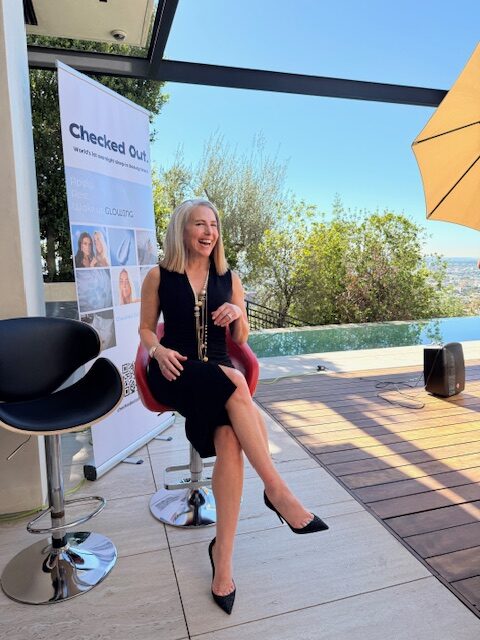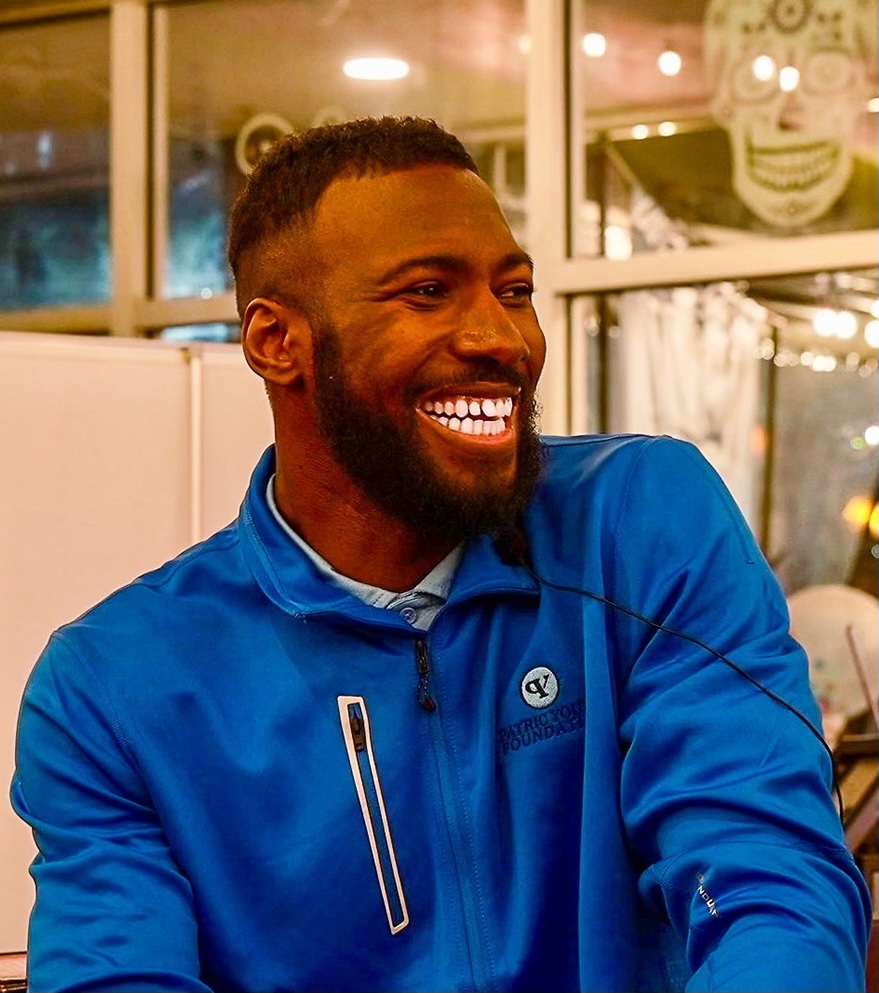


I recently went one-on-one with Brandon Steiner. Brandon is the founder and former CEO of Steiner Sports and is the founder and CEO of CollectibleXchange and The Steiner Agency.
Adam: Thanks again for taking the time to share your advice. First things first, though, I am sure readers would love to learn more about you. How did you get here? What experiences, failures, setbacks, or challenges have been most instrumental to your growth?
Brandon: I grew up dirt poor in Brooklyn with a single mom raising three kids. We had nothing, but I learned to hustle early, selling newspapers, running errands, washing windows. Those early struggles taught me resourcefulness that’s still with me today.
My career started managing a Hard Rock Cafe, where I noticed athletes didn’t have proper representation for appearances. With just $4,000 and a tiny office, I launched Steiner Sports in 1987. Over 32 years, we built it into the leading sports memorabilia company.
My biggest setback came in 2019 when Steiner Sports was acquired. At an age when most guys are thinking about retirement, I had to completely reinvent myself with CollectibleXchange and The Steiner Agency. Starting over was brutal but necessary – it forced me to get hungry again and stop resting on past successes.
I’ve always believed in failing forward. Every setback teaches you something if you’re willing to learn.
Adam: How did you come up with your business idea? What advice do you have for others on how to come up with great ideas?
Brandon: My best ideas have always come from identifying gaps in the market. With Steiner Sports, I saw athletes with free time and corporations needing entertainment options. Nobody was connecting those dots effectively.
The memorabilia business evolved when I realized fans craved authentic connections to the games and players they loved. Our “Remember the Moment” campaign was a breakthrough – finding what sporting moment was special to a fan, getting the photo, and having the athlete sign it. Most of my ideas start small. I just look for an early indication that something can work, and then feed off of this
With CollectibleXchange, I saw a broken system where athletes weren’t getting fair value for their memorabilia, and collectors faced ridiculous markups. I created a platform where athletes could sell directly to fans. Also, fans that have collected tons of stuff needed a place that could help them sell off their stuff once they need to liquidate, etc.
My advice? Great ideas come from solving real problems. Keep your eyes open to inefficiencies and pain points. Ask, “Why is this still done this way?” The best opportunities exist where the old way of doing things is causing frustration.
Adam: How did you know your business idea was worth pursuing? What advice do you have on how to best test a business idea?
Brandon: First, I put myself in the customer’s shoes, and it will help me see if this idea fits. I knew my ideas were worth pursuing when I could clearly answer: “Who exactly needs this? Who will pay for this, and why?” In the past, I already had corporations asking for athlete appearances before I even formalized the business. Issue was back then, how do I get a hold of them and how much should it cost, and how can I use these talents best?
My testing method is simple: get a minimum viable product in front of real potential customers as fast as possible and see if they reach for their wallets. Everything else is just theory.
With my new business, I tested by calling athletes and customers I knew and asking if they had items they wanted to sell directly. Many did. Then I called collectors and asked if they’d buy directly from athletes. They were excited. When both sides of a marketplace show enthusiasm before you’ve built it, you’re onto something.
My advice for testing ideas:
- Talk to at least 20 potential customers face-to-face.
- Ask them to commit money early. Real commitment separates polite interest from demand.
- Start small and iterate quickly.
- Be brutally honest about feedback.
Don’t fall in love with your idea – in case your idea sucks. Sometimes you gotta move on. Always fall in love with solving the customer’s problem.
Adam: What are the key steps you have taken to grow your business? What advice do you have for others on how to take their businesses to the next level?
Brandon: First, I perfect the core offering before expanding. Proof of concept matters. In the beginning, we mastered athlete appearances before moving into memorabilia.
Second, I look for adjacent opportunities that leverage existing assets. Our relationships with athletes made expanding into memorabilia natural. Our Yankees partnership in 2004 allowed us to secure stadium artifacts – creating an entirely new market. And I am able to do partnerships now with many schools and professional teams. Michigan, LIV golf, Savana Bananas, etc.
Third, I focus on exclusive access. Whether it’s exclusive athlete deals or team partnerships with organizations like the Yankees, Syracuse Cowboys, or St. John’s, these create competitive advantages that others can’t easily replicate.
My advice for scaling businesses:
- Systemize your core business so it doesn’t need your constant attention to some of the basic stuff
- Create small bets that can become big wins without risking everything. Is your idea scalable?
- Think like a customer (empathy), not just a business owner or salesperson
- Focus on experiences, not just products
- Never stop hustling. I always think, “What’s next? What else?”
Growth isn’t just about scaling what works today. Growth is everything. It is what will keep your staff and customers most happy. Leadership is all about fixing broken problems and growing what is working best!
Adam: In your experience, what are the defining qualities of an effective leader? How can leaders and aspiring leaders take their leadership skills to the next level?
Brandon: The best leaders I’ve known – whether they’re Fortune 500 CEOs or championship coaches – share certain qualities: authenticity, decisiveness, and clarity. They set high standards but lead with empathy. They focus less on being the smartest person in the room and more on bringing out the best in everyone else
I’ve learned that vulnerability is strength, not weakness. Admitting when I don’t know something or when I’ve made a mistake has built more trust than any amount of posturing.
To elevate your leadership:
- Develop self-awareness about your strengths, weaknesses, and blind spots.
- Build a diverse inner circle who will tell you hard truths.
- Study great leaders across all fields. I’ve learned as much from coaches like Mark Messier, Joe Torre, and Lou Holtz as from business icons.
- Create systems that scale beyond your personal capacity.
- Focus on ABCs. “Always be serving,”
Real leadership isn’t about power; it’s about service and trust. When you truly embrace that mindset, everything changes.
Adam: What is your best advice on building, leading, and managing teams?
Brandon: I’ve built teams across multiple businesses, and I’ve learned that talent acquisition is everything, and getting the right people in the right roles is 99% of success.
When hiring, I look beyond skills for three things: hunger (are they driven?), hustle (will they outwork competition?), and heart (do they care about our mission?). One person with all three is worth ten with just technical skills. Are they faithful, available, and teachable?
For leading teams effectively: Set clear expectations, then get out of the way. Great agreements prevent disagreements. Recognize different motivations: some want public praise, others prefer private acknowledgment. Never stop learning and looking for an edge. Create a safe place for your staff. Using fear doesn’t work any longer
Adam: In your experience, what are the defining qualities of an effective leader? How can leaders and aspiring leaders take their leadership skills to the next level?
Brandon: The best leaders I’ve known, whether they’re Fortune 500 CEOs or championship coaches, share certain qualities: authenticity, decisiveness, and clarity. They set high standards but lead with empathy. They focus less on being the smartest person in the room and more on bringing out the best in everyone else. Address issues immediately. Small problems become big ones when ignored. Celebrate wins but focus on learning from failures.
The hardest leadership lesson I’ve learned is that sometimes great employees outgrow your organization. Instead of holding them back, help them find their next opportunity. They become ambassadors for life, and that network pays dividends I never imagined.
Adam: What are your three best tips applicable to entrepreneurs, executives, and civic leaders? Adam: What is the single best piece of advice you have ever received?
Brandon: My three best tips that apply across the board:
First, it’s survival of the fittest. NO, IT’S SURVIVAL OF THE FLEXIBLE! master the art of the pivot. In business, sports, or public service, the landscape constantly changes. Those who thrive aren’t necessarily the strongest but the most adaptable. I’ve reinvented myself multiple times, from restaurant manager to sports marketer to memorabilia innovator to digital marketplace creator. Each pivot was built on what came before, but required letting go of old assumptions.
Second, dig your well before you’re thirsty! build relationships before you need them. Your network is your net worth. I spend at least 30% of my time cultivating relationships with no immediate agenda. Those connections have saved my business numerous times when I needed to make something happen fast.
Third, focus on solving problems rather than being right. Ego is the enemy of progress. Whether you’re running a company, leading a team, or serving a community, your job is to make things better, not to prove how smart you are.
The single best advice I ever received came from my mother. She told me, “Brandon, you can’t control what happens to you, but you can control how you respond to it.” That mindset has served me through business failures, partnerships gone wrong, and having to completely restart my career. It’s about taking ownership of your reactions rather than blaming circumstances.
Adam: Is there anything else you would like to share?
Brandon: One thing that’s become clearer to me the older I get: business success means nothing if you don’t use it to make a positive difference.
When I started out, I was driven by the need to survive, then by the desire to win. Now I’m most passionate about creating opportunities for others. Whether it’s through mentoring young entrepreneurs, helping athletes maximize their earning potential during their short careers, or using business as a vehicle for meaningful connections. That’s where the real fulfillment comes from.
I still love the hustle and the deal-making, but at the end of the day, it’s the impact you have on others that matters. Every business has the potential to solve problems and improve lives if you approach it with that mindset. That’s the legacy I’m most focused on building now.