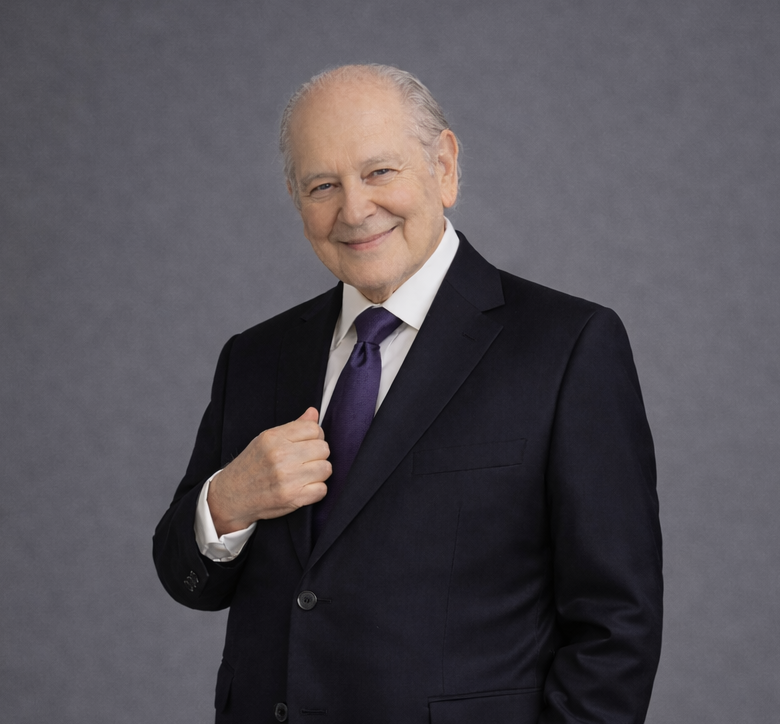


I recently went one-on-one with Bret Snyder, CEO of W. L. Gore & Associates, the multinational manufacturing company best known to many as the developer of GORE-TEX products.
Adam: First things first, let’s give the readers a chance to get to know you. How did you get to where you are today? What experiences, failures, setbacks, or challenges have been the most instrumental to your growth?
Bret: My career includes a long history in research and development focused on new technology. After 25 years in R&D, you understand there are a lot of things that need to go right to bring a product to market that creates value for a customer and for the company that provides it. Between my early career at Rohm and Haas and then Gore, I’ve experienced wins and many, many dead ends as well. R&D teaches judgment and resilience, and a certain tolerance for risk.
One of the more intense sources of learning was a customer I remember as especially demanding. Ultimately, we were successful in capturing the business, but along the way, I worked to adapt a number of our traditional practices to better meet their needs. It was an invaluable lesson in focusing on the customer, learning to collaborate and share information, and taking risks.
My first broad leadership role at Gore was as chairman of the board of directors. I had experience both as a Gore Associate and a member of the board at that point, and even though I might not have had previous executive leadership experience, the directors knew I would work hard and was passionate about the legacy of our Enterprise. I have a tremendous passion for the ability of technology to improve life. That’s Gore’s mission.
I’ve learned you need to feel a strong values alignment with the company you work for. Don’t just fall into it – can you see yourself there for the long term? Does it meet your need to be part of something bigger? That’s ultimately what powers you in the tough times, and there will always be tough times.
My status as a third-generation family member has been in itself a source of some challenge, since the stereotype of third-generation leadership is usually related to the decline of the business. Truly, that motivated me. There are companies that have been very successful with family stewardship through multiple generations. It gave me something to prove. We have so much to work with, so much good going on here at Gore, and I see my role as taking the vision of our founders forward, living it, and seeing an even greater level of success. It’s about growth and building our business, because ultimately it’s a very competitive world and marketplace, and if you’re not moving forward, somebody else is probably moving past you.
Adam: In your experience, what are the key steps to growing and scaling a business?
Bret: I think you have to realize where you are in the lifecycle of the business and what it needs at that phase. And if you have a portfolio of businesses, then you need to know what each one needs.
In the earliest stage, we use the approach that Wharton has elaborated on to ask if it’s real, can we win, and is it worth it. You can’t afford to skip those questions. I’ve seen that it’s very easy to fool yourself that you have something real in your product, that there’s really a market for it, and people want it at a price that is going to make it economically successful.
The challenge of the next phase, the growth phase, is not overdoing it and not under-doing it. Sometimes there’s a tendency to keep so much control over the product that you never release it and keep perfecting it. On the other hand, you don’t want to over-expand sales when your product still needs some work. So you need to try to navigate between erring on either side.
In the more mature phase, you have to reinvest in strengthening competitive differentiation. We’ve won in some of our markets by continuing to iterate products and moving them from a good product to a really great product.
And sometimes there are declining businesses, and you have to be realistic that not all trees are going to keep growing to the sky, and you need to trim back in some cases to give sunlight for newer saplings. All companies should be thinking about continuous renewal and nurturing the agility it requires.
Adam: What do you believe are the defining qualities of an effective leader?
Bret: I’d say there are four. The first is self-awareness: Are you aware of what you’re strong at when you’re doing well, when you’re not doing well, and when you have weaknesses? No one can do everything or be everything. Do you lead with humility? Are you willing to take feedback, incorporate it, and make adjustments? Second is energy. You need to show up and show passion for what you’re doing to drive the organization forward and encourage others to come along. Where leaders spend their time matters. Are you spending enough time and energy on the things that can really move the needle?
Next is curiosity, always being a learner and taking in new things. That’s a never-ending journey. Then fourth is engagement. You can’t do it alone, so you need to be able to engage others in the work and be someone that people want to work with. That’s a leader who listens, gives credit, treats people fairly, and respects them. And it’s a leader who ensures a team is working toward shared goals by painting a clear picture of what success looks like.
Adam: How can leaders and aspiring leaders take their leadership skills to the next level?
Bret: I think any leader should be pushing themselves just beyond their comfort zone. If you’re in your comfort zone for too long, you’re probably not growing very fast. At the same time, you need the self-awareness to know what is stretching too far. There’s a sweet spot of stretching and discomfort.
Adam: What are the three best tips applicable to entrepreneurs, executives, and civic leaders?
Bret: I think self-awareness and curiosity transcend all types of leadership. And I think you want to be a builder – a builder of teams, people, systems, and products. People respond to that with energy back. And that’s the only way things really get done.
Adam: What is your best advice on building, leading, and managing teams?
Bret: For me, this question ties directly to the earlier one about how to scale for growth. The biggest challenge to scaling is sometimes the team: finding the right people, trusting them, and empowering them with responsibility. It’s about being thoughtful about the systems, teams, people, and capabilities needed both to support the scale-up and to sustain the scaled-up organization of the future.
You have to create an all-in-this-together mindset. The team needs to know they’re the founding team of the next phase. They need to buy into the mission, vision, and values by which we’re going to operate. It goes back to being part of something bigger than ourselves.
We rely on common sense, human-focused values, like fairness, freedom to grow, keeping the commitments we make, belief in everyone’s potential, and respect for others’ perspectives. The heart of our culture is simplicity. Direct communication. Avoiding convoluted approval procedures and bureaucracy. A set of common, proven business tools and approaches shared across our global business. Associates having a real stake in – and benefiting from – our success.
Along these lines, a key strength we’ve nurtured and leveraged is a true spirit of ownership among Gore Associates, who all earn stock in the company. This lends itself to curiosity, eagerness to learn, and a desire to do the right thing for our company and each other. It goes hand-in-hand with a long-term orientation that is part of our family stewardship and values.
Adam: What are your best tips on the topics of sales, marketing, and branding?
Bret: One key is recognize that people buy from people, so show up and make the effort to meet people where they are, literally. I do this by going out to customers frequently. Be curious, as we talked about earlier. Ask what you’re doing well and what you could do better. There’s no substitute for first-hand knowledge and showing that you care about their success. And you get so much out of that, because fundamentally we’re organizing people to serve other people, and you need to understand what they’re about. In lean principles, it’s the concept of “go and see.”
For brands, you need to nurture them by investing in them and communicating regularly and consistently about what they are. A good brand has a certain ethos that’s about how you show up – more than words or a tagline, it’s how you engage and how customers feel when they interact with anyone from your organization.
Adam: What is the single best piece of advice you have ever received?
Bret: When I became chair of the board, my uncle said: You’re going to be operating in the zone where you don’t know what you don’t know. So I think the best piece of advice, as he said, is to slow down and get multiple perspectives. Don’t make up your mind very quickly on big things.
Since then, I’ve seen that as you get broader in leadership, this happens all the time. Most of the time, you don’t know nearly as much as others closer to the question. You need to trust people, and you need to hear from multiple sources. And just as importantly, you need to make it easy for them to tell you as much of the truth as they have to tell you, because ultimately, they’re the guide to the right answer. Obviously, a leader sometimes has to make a call, but seeking other perspectives helps me to be more thoughtful, reflective, and careful in making decisions.
Adam: Is there anything else you would like to share?
Bret: I think you have to take care of yourself. Whatever leadership or work role you have has to work for you personally and fit with your attention to health, family, relationships, and community. For me, exercise helps me to feel more balanced. And everyone needs a support system, which includes the understanding within your support system of what your work requires. For me, that involved conversations with my family. You need to have one life that fits together.