
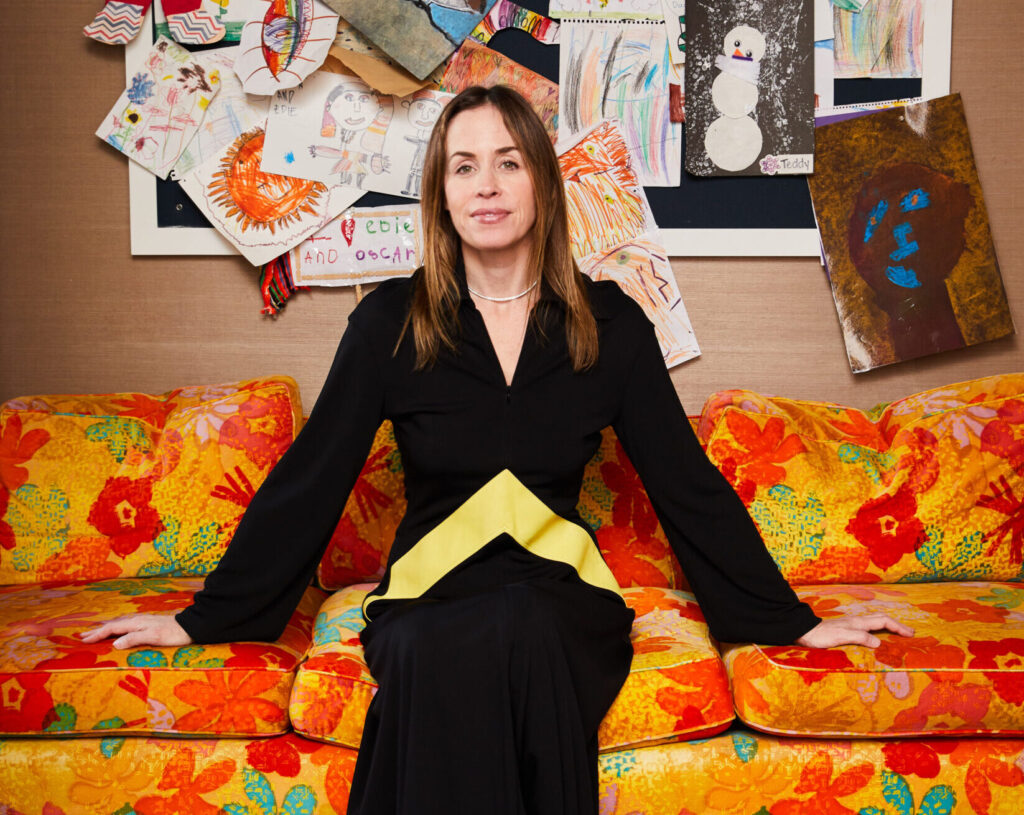
I recently went one-on-one with Brett Heyman, founder of Edie Parker and Flower by Edie Parker.
Adam: Thanks again for taking the time to share your advice. First things first, though, I am sure readers would love to learn more about you. How did you get here? What experiences, failures, setbacks, or challenges have been most instrumental to your growth?
Brett: My career began in the fashion industry, first at Gucci and then Dolce & Gabbana, where I fell in love with the power of design to shape cultural narratives. I launched Edie Parker in 2010 to bring a fresh perspective to luxury accessories, and that journey taught me everything about building a brand from scratch: the challenges of scaling, the importance of creative integrity, and the reality of rejection. The transition into cannabis wasn’t obvious to many, but it felt natural to me. I wanted to reimagine the way we talk about and interact with cannabis, particularly as women. Flower by Edie Parker is a culmination of everything I’ve learned about design, identity, and cultural relevance, and a way to shift an industry that has long been shaped without us.
Adam: How did you come up with your business ideas? What advice do you have for others on how to come up with great ideas?
Brett: I think the best ideas come from lived experience. With Flower, I wasn’t trying to follow a trend; I saw a gap. Cannabis was legalizing across the country, but the branding was still stuck in a “bro culture” that didn’t reflect how women, especially creative and wellness-minded women, were using cannabis in their daily lives. I thought: What if we made cannabis feel chic? What if we treated it like fashion, with intention, joy, and beauty? That idea became a brand. My advice: Start with what you feel is missing in the world, and don’t be afraid to make it personal.
Adam: How did you know your business ideas were worth pursuing? What advice do you have on how to best test a business idea?
Brett: With both Edie Parker and Flower, I knew I was onto something because the idea didn’t leave me alone. It kept waking me up at night. That kind of creative obsession is usually a signal. But beyond that, I tested by talking to people, friends, customers, potential investors, and by watching how they responded. Not just what they said, but how they reacted. Were they intrigued? Did their eyes light up? That’s often more telling than market research.
Adam: What are the key steps you have taken to grow your businesses? What advice do you have for others on how to take their businesses to the next level?
Brett: Focus, team, and storytelling. You have to be laser-focused on what makes your brand different, and protect that at all costs. Surround yourself with people who are better than you, especially in areas where you need support. And finally, tell your story in a way that invites people in. Consumers don’t just buy what you’re selling; they buy why you’re doing it. Scaling Flower required the same approach I used in fashion: treat the customer like a muse, not a target.
Adam: What are your best sales and marketing tips?
Brett: Don’t chase hype. Build something people want to be a part of. At Flower, we lead with identity, not just ingredients. Our marketing isn’t about potency, it’s about personality. From our aesthetic to our accessories to our philanthropic initiatives, every touchpoint is designed to make people feel seen. That emotional connection is the most powerful sales tool there is.
Adam: In your experience, what are the defining qualities of an effective leader? How can leaders and aspiring leaders take their leadership skills to the next level?
Brett: Empathy, clarity, and vision. A good leader listens deeply, communicates clearly, and holds a vision that others can rally around. One of the most important lessons I’ve learned is that leadership isn’t about having all the answers, it’s about asking the right questions, making bold decisions, and standing by your team in the hard moments.
Adam: What is your best advice on building, leading, and managing teams?
Brett: Hire people you trust, and then actually trust them. The best teams I’ve worked with are made of individuals who feel ownership over their work and understand how their role contributes to the bigger picture. Culture is everything, especially in a fast-paced industry like cannabis. We lead with transparency, support, and a shared sense of purpose, and that makes all the difference.
Adam: What are your three best tips applicable to entrepreneurs, executives, and civic leaders?
Brett:
- Don’t be afraid to disrupt
- Build a brand, not just a business.
- Use your platform for more than profit. Social impact and success are not mutually exclusive; they can be intertwined.
Adam: What is the single best piece of advice you have ever received?
Brett: Don’t wait for permission, never lose your curiosity, and be nice to everybody.