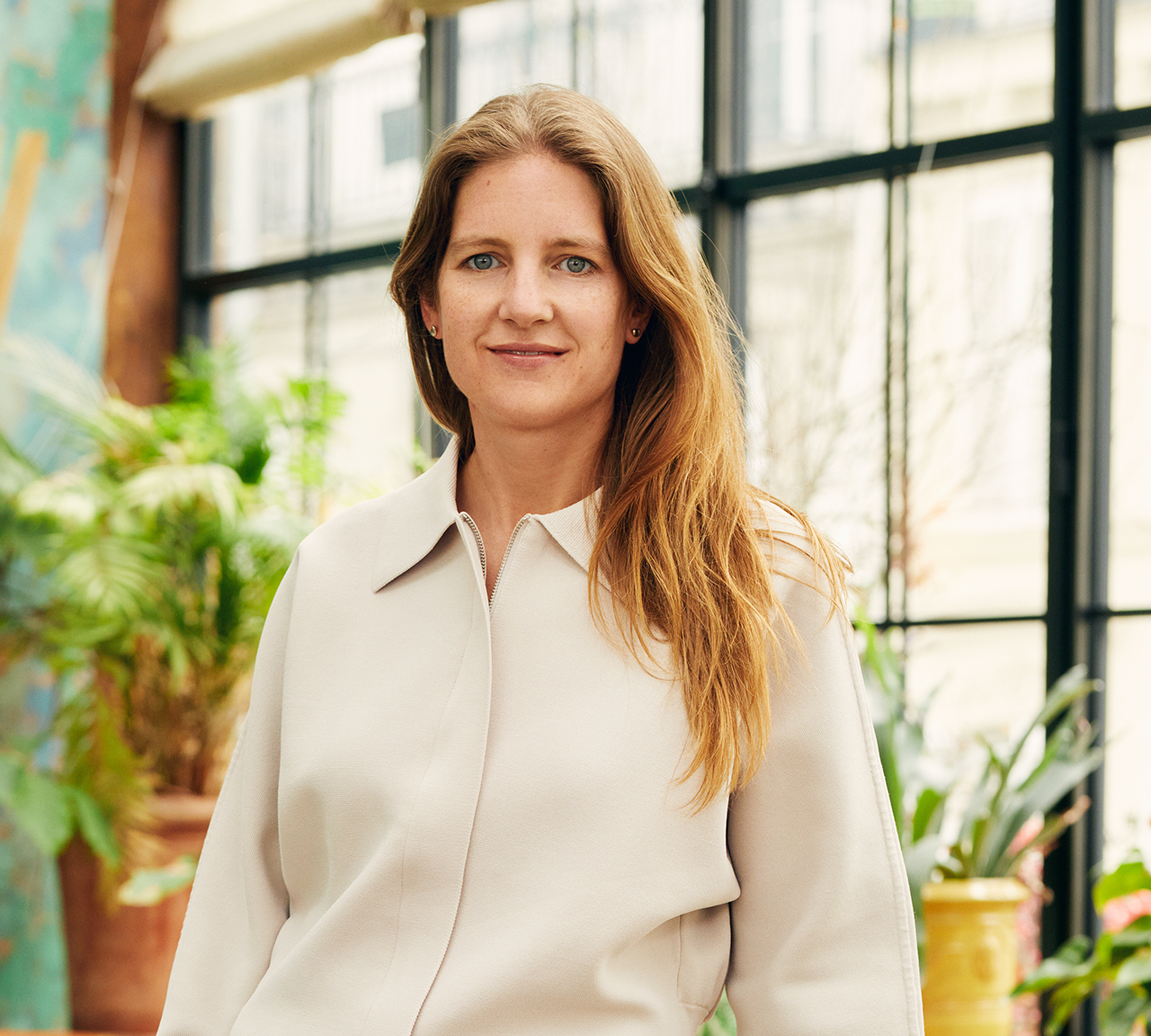


I recently went one-on-one with Brian Weatherly, CEO of Henry Schein One.
Adam: Thanks again for taking the time to share your advice. First things first, though, I am sure readers would love to learn more about you. How did you get here? What experiences, failures, setbacks, or challenges have been most instrumental to your growth?
Brian: My journey has never been linear, and I think that’s been one of my greatest advantages. I started my career in a small software startup. It was the kind of environment where everyone wore five hats and quickly learned that being scrappy, curious, and resilient mattered.
Those years shaped how I think about leadership and business to this day. They taught me to listen deeply to customers, iterate quickly, solve real problems rather than chase shiny objects, and always look for opportunities to simplify and streamline. But they also taught me humility, because startups are very effective at exposing your blind spots.
I made plenty of mistakes. There were periods when I relied too heavily on heroic individual effort rather than building scalable systems. I underestimated the importance of operational discipline. I thought I could solve everything myself. And at times, I allowed complexity to creep in because I wasn’t yet skilled at saying no.
Those failures were painful, but they pushed me to adopt what I often call the “builder’s mindset.” A builder thinks long-term. A builder understands that sustainable growth is about designing workflows, teams, and structures that allow for repeatable success. A builder keeps people at the center of the work.
Eventually, those experiences led me to broader leadership roles and to my role as CEO of Henry Schein One.
Adam: In your experience, what are the key steps to growing and scaling your business?
Brian: Strong growth comes from clarity, simplicity, and customer focus, not from adding layers of complexity.
First, design for scalability from day one. If you try to scale without foundational systems, defined processes, and shared expectations, everything breaks. Sustainable growth requires predictable workflows, clear roles, strong execution habits, and aligned goals.
Second, reduce friction relentlessly. Anytime a customer, patient, or team member experiences friction, you’ve created inefficiency. Friction might look like manual data entry, unclear communication, redundant processes, or systems that don’t integrate. When you eliminate it, you not only speed things up but also improve quality, accuracy, and satisfaction.
In an article I wrote earlier this year on embracing the startup hustle, I talked about this exact concept: scale happens when you streamline. Growth accelerates when you remove the things that slow people down.
Third, use data as your compass. Data should inform decisions, spotlight waste, identify opportunities, and illuminate patterns you can’t see from intuition alone. As companies grow, gut feelings become less reliable. Data provides the clarity needed to move with confidence.
Fourth, stay anchored to real customer needs. Not theoretical needs, not assumed needs, real ones. For example, customers don’t necessarily want “new features.” They want fewer headaches. Cleaner data. More financial predictability. When you focus on real needs, loyalty and growth follow naturally.
And finally, embrace evolution. The best companies scale not because they never change, but because they are willing to change early, often, and intelligently. When you pair discipline with adaptability, you get a business designed not just to grow but to endure.
Adam: What are your best tips on the topics of marketing and branding?
Brian: Marketing and branding are often labeled as surface-level functions, but in my experience, they sit much deeper than that. They’re about the emotional connection you create and the feeling a customer gets when they interact with you.
In tech, that emotional layer is easy to overlook. What truly defines your brand is how you make people feel when their day gets stressful, when a claim gets rejected, when a patient is waiting, or when they’re juggling ten tasks at once.
My first tip: Keep your promises. Early in my career, I watched teams launch beautiful campaigns that didn’t match the lived experience of the product. And nothing erodes trust faster than that gap. When marketing sets expectations, and the product delivers on them, that’s where you build customer loyalty.
Second: Build your brand around human outcomes, not abstract features. I’ve sat in practices where a denied claim meant the difference between hitting payroll or not. I’ve watched assistants breathe easier when imaging tools catch something early. I’ve heard dentists talk about finally getting home on time because documentation is faster. These are human stories. When your marketing captures those moments, people feel seen.
Third: Be radically consistent across every touchpoint. A brand is everything from how your team answers the phone, how intuitive your interface is on a busy day, how your onboarding feels in week one, and how you behave when something goes wrong. Consistency signals reliability, which creates emotional safety. And emotional safety creates trust.
Fourth: Simplify relentlessly. The world, especially my world of dental practices, is complex enough. Great branding should remove friction. When your product and your message feel intuitive, customers are relieved. Relief is a powerful emotional currency.
When people tell your story for you — “this made my day easier,” “this helped my patient understand their care,” “this saved me hours” — that’s the ultimate win. Because in the end, branding isn’t about what you say; it’s about how you make people feel.
Adam: What do you believe are the defining qualities of an effective leader?
Brian: Leadership today requires a blend of clarity, empowerment, humility, discipline, and empathy.
Clarity: People need to understand not only what they’re working toward, but why it matters. With a clear purpose, alignment and momentum follow.
Empowerment: Leaders should elevate the people closest to the work, giving them the authority and autonomy to solve problems. Micromanagement destroys speed, creativity, and morale.
Humility: The world changes quickly. Markets evolve. Customer needs shift. Technology transforms workflows. No leader has all the answers. Great leaders stay curious, open, and receptive to learning.
Operational discipline: Ideas are abundant, but execution is where value is created. Effective leaders build systems, communicate expectations, and model the habits that enable consistent progress.
Finally, empathy is a superpower. Whether you’re working with colleagues, customers, partners, or patients, empathy shapes how you communicate, how you resolve conflict, and how you build trust. People remember how they’re treated. They remember whether you listened. They remember whether you cared.
When you blend these qualities, you create a culture where people can do their best work.
Adam: How can leaders and aspiring leaders take their leadership skills to the next level?
Brian: If you want to grow as a leader, seek out discomfort. Take on the ambiguous challenges. Lead during periods of change. Navigate situations without clear answers. When you stretch yourself beyond your comfort zone, you develop the resilience and adaptability that leadership requires.
Beyond that:
Avoid dependency: If your team relies on you for every answer, you haven’t built a scalable organization. Leadership is about enabling others, not centralizing power.
Seek feedback: As you rise in an organization, honest feedback becomes rarer and more valuable. Surround yourself with people who will tell you the truth, not just what they think you want to hear.
Stay close to customers: It’s easy for leadership to become disconnected from customers and have their needs become theoretical. You need to make time to hear their desires, frustrations, and aspirations to keep your decision-making grounded and relevant.
Keep learning: Read, ask questions, study other industries, and mentor the next generation of talent. Curiosity is a renewable resource that fuels long-term leadership growth.
Adam: What are your three best tips applicable to entrepreneurs, executives, and civic leaders?
Brian:
- Solve real problems that matter. Whether you’re leading a business, a nonprofit, or a community initiative, the most successful efforts are those that address pain points.
- Communicate clearly and consistently. People don’t drift into alignment. It requires intentional, ongoing communication. Clarity builds trust. Frequency builds stability.
- Treat culture as a strategic asset. It’s the foundation that either amplifies or undermines your strategy. Invest in it.
Adam: What is your best advice on building, leading, and managing teams?
Brian: Hire exceptional people, especially those who bring strengths you don’t have, and then empower them with clarity and trust.
Teams thrive when:
- They understand the purpose behind their work.
- They know what success looks like.
- They feel psychologically safe enough to speak up, try new things, and take risks.
- They have the tools, data, and processes needed to execute consistently.
Leadership is not about being the smartest person in the room. It’s about creating the environment where the team can accomplish extraordinary things together.
Always remember, consistency matters. Culture is shaped less by big moments and more by what you do every day: the communication habits you model, the expectations you reinforce, the accountability you uphold.
Adam: What is the single best piece of advice you have ever received?
Brian: A mentor once told me, “Slow is smooth, and smooth is fast.”
It changed how I lead. It’s a reminder that speed without clarity is chaos. If you take the time to build strong foundations — shared understanding, operational discipline, cultural alignment — execution accelerates. When you skip those steps, you eventually pay for it with confusion and friction.
Smoothness builds true speed.
Adam: Is there anything else you would like to share?
Brian: If there’s one thing I hope readers take away, it’s this: you don’t need to be perfect to lead well, but you do need to be intentional. Show up with humility. Learn constantly. Stay close to the people you serve. And focus on creating a future that’s better, clearer, and more human.
Ultimately, whether in business or in life, leadership is about making things better than you found them, one decision, one conversation, one relationship at a time.