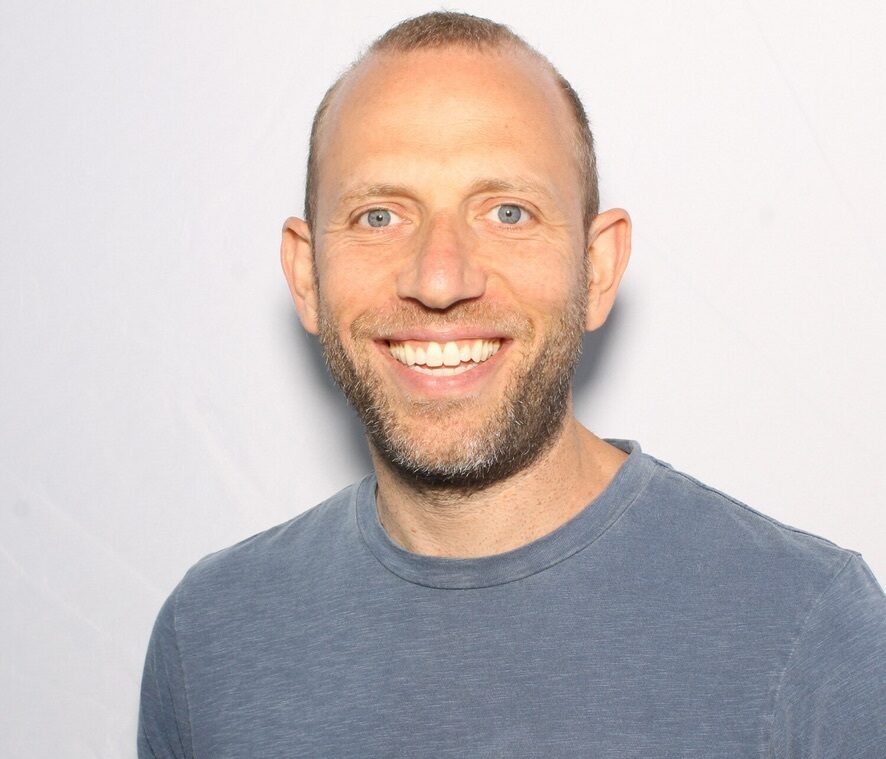


I recently went one-on-one with Chad Dime, co-founder of DIFF Eyewear.
Adam: Thanks again for taking the time to share your advice. First things first, though, I am sure readers would love to learn more about you. How did you get here? What experiences, failures, setbacks, or challenges have been most instrumental to your growth?
Chad: Thanks for having me. It’s always an honor to share my journey.
I co-founded DIFF Charitable Eyewear in 2014 alongside my friends Zach Gordan and Chad Jernigan. But in a way, the foundation for the business was laid long before we launched. I was literally born into the eyewear industry, where my father spent over 50 years manufacturing, importing, and distributing sunglasses and reading glasses. Some of my earliest memories are of me sitting beside him at trade shows, watching him close deals with ease. By 15 years old, I was traveling overseas with him, learning firsthand how product, people, and processes come together on a global scale.
But working with my dad wasn’t always easy, in fact, it was one of the most formative challenges of my life. His business was rooted in old-school wholesale, which was a grind-it-out, very volume-driven model. There was no interest in e-commerce and no excitement around building a brand, which is where I wanted to focus my energy. I saw a world changing, and I felt this deep internal pull to innovate, to tell a story, and to create genuine impact.
Along my path, I have learned that nothing worth doing comes without resistance. I’ve faced plenty of setbacks with operational breakdowns, financial pressure, and people not believing in the vision. But each challenge became a catalyst to sharpen my leadership and always reminded me why I started. Growth doesn’t come from comfort; it comes from the decision to keep building even when the path ahead feels uncertain.
Thankfully, I’ve been lucky to have a phenomenal team around me. We brought on a world-class CEO to help scale the company, and together we’ve grown DIFF into a recognized name in the industry. Thanks to my team, I’ve been able to shift some of my focus to what fulfills me most, like working directly with our nonprofit partner, Vision to Learn. That hands-on involvement in giving back and seeing the real-life impact of something that started as an idea between friends continues to be the most humbling and motivating part of my journey.
Adam: How did you come up with your business idea? What advice do you have for others on how to come up with great ideas?
Chad: Working alongside my father in the eyewear industry taught me invaluable lessons. Probably the biggest lesson I learned during all of those years was that the entire industry was antiquated. So many old brands had been doing things the same way for decades, and I believed that something new and fresh was going to be able to compete with the big dogs. It needed a “why,” though, and that was where the charity came in. During college, I worked as a brand ambassador for TOMS and was deeply inspired by their “One for One” model. That was the moment I realized eyewear could be more than just a product and that it really should be a platform for purpose. I believed that if we took the same product but made it better quality, more affordable, and charitable at heart, it was going to resonate with the future generations.
Advice I have for others that are trying to come up with the next great idea is keep your ear to the ground and never be afraid to reinvent the wheel. Some great things tend to come back around full circle, so if it worked well in the past, what can be done differently to make it work even better in the future?
Adam: How did you know your business idea was worth pursuing? What advice do you have on how to best test a business idea?
Chad: Working alongside my father definitely taught me that there was a career in eyewear worth pursuing, so that was step one. It also showed me I had real passion for this, but was a reminder that I wanted to do it very differently.
When my co-founders and I launched DIFF, we actually started by selling sunglasses at music festivals. This was where we decided that this was going to be worth pursuing. It was grassroots, scrappy, and a ton of fun. However, the most important thing about these festivals was that we saw people craving bold, fashion-forward styles at an accessible price point, and they were energized by the idea that their purchase would give back. That early traction gave us the momentum and confidence to scale the brand into something bigger.
My advice for anyone looking to come up with a great business idea is this: Be prepared to take risks and always make it fun. One very serious bit of advice I like to give when launching a new business is never let it be a side gig because if it is going to be successful, it is going to take everything you got!
Adam: What are the key steps you have taken to grow your business? What advice do you have for others on how to take their businesses to the next level?
Chad: At DIFF, our growth has been rooted in community and cause. Influencer marketing was huge for us early on, and we partnered with people who genuinely loved the brand. Our give-back model, where we’ve donated over 5 million sight-saving treatments, gave the celebs even more inspiration to work with us, and most importantly, it gave customers a reason to feel good about their purchase, too. Additionally, our omnichannel approach really helped propel us with amazing partnerships at Nordstrom, Dillard’s, and about 2,000 other specialty and boutique retailers has really helped us grow.
Advice on taking business to the next level: Build an amazing team around you. One of the most impactful steps we took to accelerate our growth was building the right team. In 2019, Bob Ross joined DIFF Eyewear as CEO, and we’ve seen consistent growth ever since. As a founder, it’s not about being great at everything; it’s about surrounding yourself with people whose strengths complement your vision. Building trust with the right leadership and team is key.
Adam: What are your best sales and marketing tips?
Chad: Building communities by working with influencers has been powerful for us. At first, it was all about A-List celebs, and now micro-influencers have been a big unlock for us. They have tight-knit, trusted communities and drive real engagement.
Selling our glasses at festivals initially was an incredible way for us co-founders, to meet customers face-to-face and to connect with them in real time. When you’re working with little to no marketing budget, you have to get scrappy. We decided showing up as founders was the best marketing tool we had at the time, and that experience was invaluable to our business in terms of learning about our market.
Equally important are the relationships we’ve built with our retail partners. We view those partnerships as a two-way street where our goal is always to create a win-win that supports both our growth and theirs. We started as a DTC brand, but prioritizing diversity in sales channels has allowed us to tap into different pockets of our consumer base in multiple ways. Amazon is a beast, and you gotta do that dance as well.
Adam: In your experience, what are the defining qualities of an effective leader? How can leaders and aspiring leaders take their leadership skills to the next level?
Chad: Great leaders listen first. I’ve learned that you don’t need to have all the answers, but you do need to empower your team to explore the answers together. When I co-founded DIFF in 2014, it quickly became clear that neither I nor my co-founders were the right fit for the CEO role long-term. In 2019, we made the pivotal decision to bring in Bob Ross, who continues to lead the company as our CEO today. Bringing on Bob was the best decision we have ever made, and he has been an incredible leader and mentor. To grow as a leader, invest time and energy into a good team and stay humble.
As a leader, I’ve learned that aligning your team around a shared purpose is one of the most powerful ways to foster drive. Humans, by nature, want to be part of something. At DIFF, our partnership with Vision To Learn gives every team member, across every department in the company, a sense of purpose and a clear reminder that we’re working toward something bigger than ourselves. I also say that as a leader, it is always our job to help those around us be successful. If you bring on a new team member, it is your responsibility to invest in their success!
Adam: What is your best advice on building, leading, and managing teams?
Chad: My father always used to tell me that “we are only as good as the sum of our parts,” and I live by that. I always say I could never do this without the help of my amazing team. However, as you grow and add new heads, it can feel very tumultuous at times. It’s important to spend a lot of one-on-one time with folks training, strategizing, executing, etc., on a daily basis to ensure I hear directly from each team and that everyone is aligned with the overarching vision of the company and maintains motivation to be part of the bigger picture.
Adam: What are your three best tips applicable to entrepreneurs, executives, and civic leaders?
Chad:
- Adaptability: I can honestly say one of the biggest things I apply every day is what I learned my whole life as a surfer. You have to be like water: you must adapt and flow with every single challenge that comes along.
- Learning from Loss: As they say, you always learn the most from the losses. Every time we have gotten in a bind and when things felt like everything was crashing down, that was what made us stronger. That was what taught us never to make the same mistakes twice.
- Profit and Purpose: For those thinking of incorporating a give-back component to their brand, my advice would be not to let this be an afterthought. If you are going to do it, go for it all the way, and do not let it be something that sits in the background. Bring it to the forefront and make it present in every touch point. It also must be done in a way that feels genuine and authentic.
Adam: What is the single best piece of advice you have ever received?
Chad: The best advice I ever received was from my father. He would always tell me that “I’ll give you a penny for a starter and a dollar for a finisher.” He believed in seeing things through until the end and never giving up. There have been times when it all felt like way too much running a business of this size, and it would have been easy to just throw in the towel. However, I can always hear his voice in the back of my head reminding me to never give up.