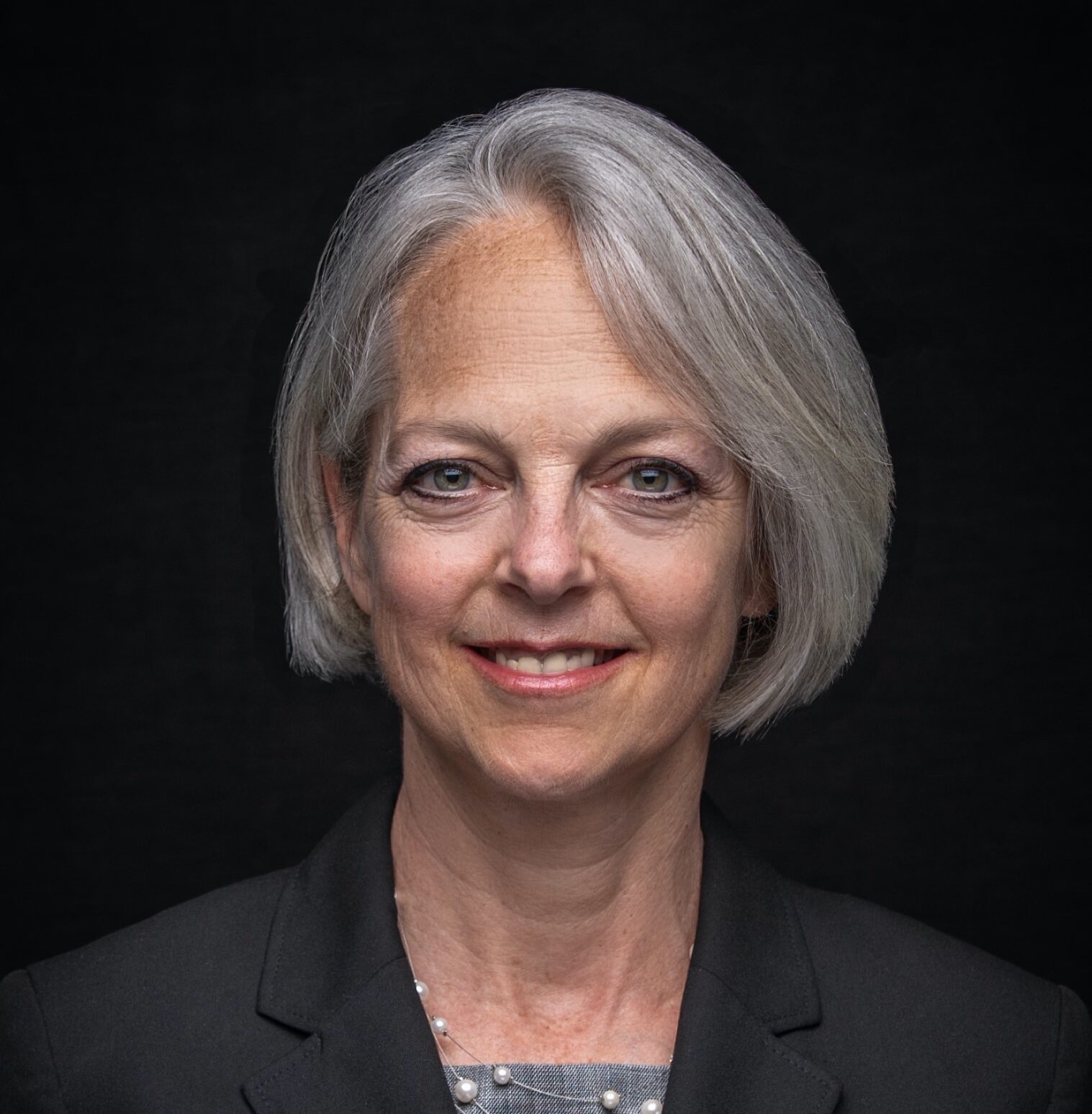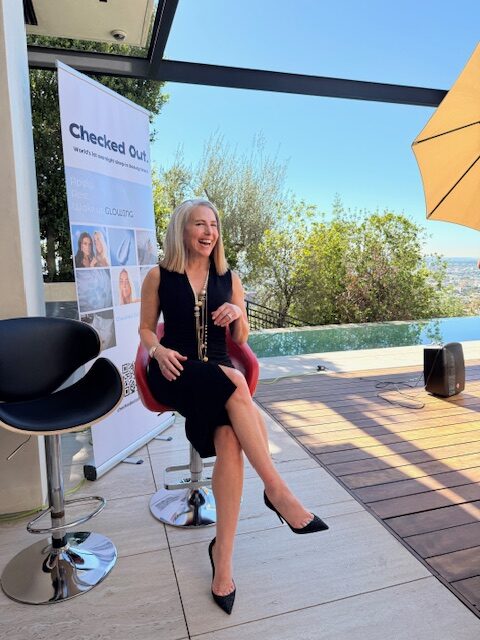

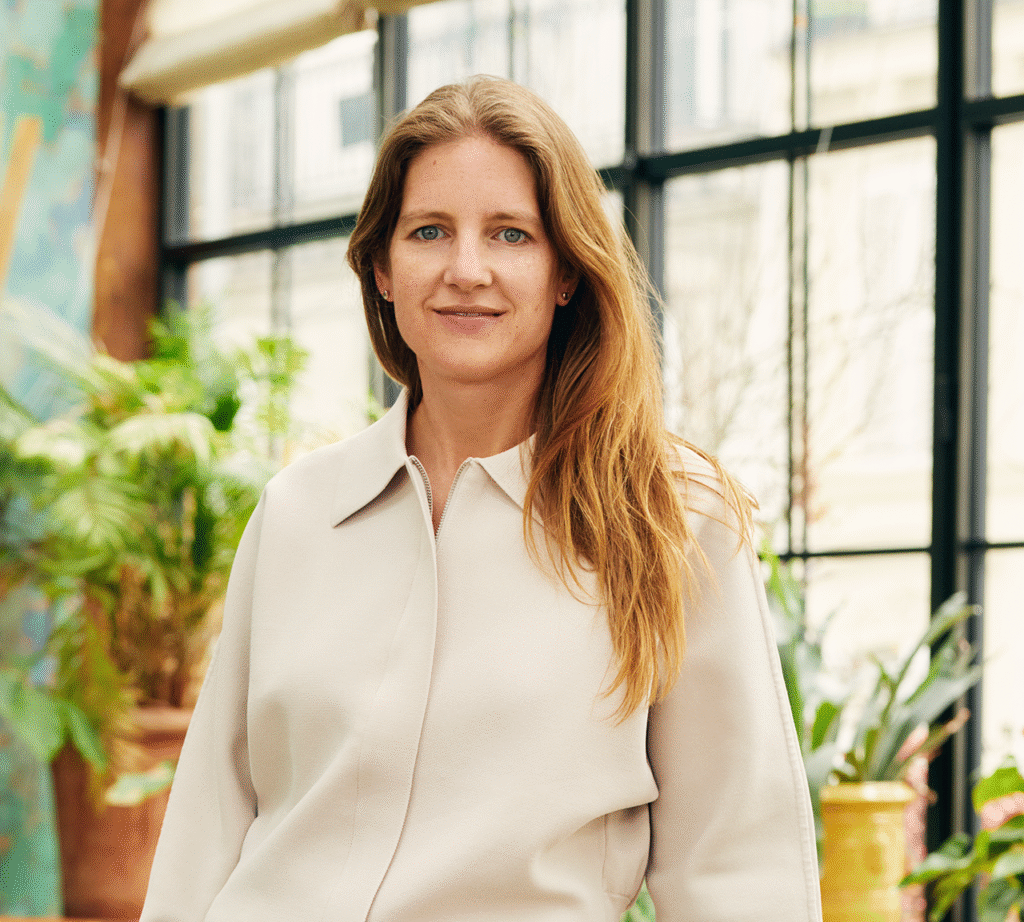
I recently went one-on-one with Christine de Wendel, co-founder and U.S. CEO of sunday.
Adam: Thanks again for taking the time to share your advice. First things first, though, I am sure readers would love to learn more about you. How did you get here? What experiences, failures, setbacks, or challenges have been most instrumental to your growth?
Christine: I didn’t take a straight path to entrepreneurship. I started my career scaling large companies in Europe, including Zalando and ManoMano, where I learned how to grow businesses at scale, build strong teams, and operate in fast-moving, high-pressure environments.
I had wanted to start a business for as long as I can remember. Growing up, my father constantly talked about entrepreneurship as the ultimate form of fulfillment and accomplishment; he even spoke about it at my wedding. That desire stayed with me, but for a long time, I didn’t know what the lightbulb idea was. This is why my entrepreneurial journey didn’t start until I was 40 years old and a mother of three – it was then that the idea formed.
Adam: How did you come up with your business idea and know it was worth pursuing? What advice do you have for others on how to come up with and test business ideas?
Christine: The idea for sunday came from a very simple, universal frustration: nobody likes to wait for the check at a restaurant. My longtime friend and now co-founder, Victor Lugger, saw this problem firsthand as a restaurateur (of the esteemed European Big Mamma restaurant group), and when he shared the idea to remove the frustration out of this process, it immediately resonated. No technology had really solved this problem.
The first time we saw sunday work in one of the Big Mamma restaurants, it was an absolute aha moment, it felt magical. We immediately knew it was an idea worth pursuing.
For anyone evaluating a business idea, my advice is to start with a real, recurring problem, ideally one you can observe in everyday life, and test it with the people who experience it most. Talk to customers early, watch how they behave, and be willing to adjust your idea based on what you learn. The strongest ideas often start simple and evolve through consistent feedback.
We took this approach at sunday and benefitted immensely from the perspective of my restaurateur co-founders. They knew firsthand the pain points experienced by restaurant operators, and it allowed us to immediately connect with our eventual clients.
Adam: What are the key steps you have taken to grow your business? What advice do you have for others on how to take their businesses to the next level?
Christine: We’re constantly balancing rapid growth with maintaining the simplicity, speed, and magic that made sunday successful in the first place. My focus has been to make sure sunday does not just grow in terms of reach and scale, but becomes the most loved guest experience platform in hospitality along the way.
Adam: What are your best sales and marketing tips?
Christine: An effective strategy begins with complete understanding of your customer’s problem. When your product clearly solves a real issue, selling becomes a conversation rather than a pitch. We found incredible success in resonating with our key stakeholders (investors, restaurant operators) by tailoring our conversations accordingly. We relate on both a universal guest level (no one likes waiting for a check) and on a restaurateur level by not positioning ourselves as a tech company, but as a hospitality company.
Adam: What are the most important trends in technology that leaders should be aware of and understand? What should they understand about them?
Christine: As technology evolves and nearly automates nearly every element of the human experience, it’s key for tech leaders to understand that the best solutions do not take away or replace these experiences, but remove the friction. sunday develops state-of-the-art technology solutions, but at our core, we’re a hospitality company. We’re not tech for tech’s sake – we have a clear goal to transform the restaurant <> guest ecosystem into a universally better experience.
In terms of AI as the unspoken tech phenomenon reaching every industry, it’s critical to understand it as an enabler, not a replacement for human judgment. The most effective use of technology enhances decision-making, frees up valuable time, and allows people to focus on higher-value work. Leaders who succeed will be those who apply technology thoughtfully and responsibly.
Adam: In your experience, what are the defining qualities of an effective leader? How can leaders and aspiring leaders take their leadership skills to the next level?
Christine: I learned so much about leadership from my former bosses at Zalando and ManoMano. At the time I worked for them, I did not fully grasp how incredibly hard it is to build a company. Looking back, I realize just how much resilience and determination it takes to be a leader in high-pressure, fast-moving environments. It often feels like eating gravel day after day. Their example of resilience has stayed with me and given me perspective on my own leadership journey.
Adam: What is your best advice on building, leading, and managing teams?
Christine: I always look for outliers when I am building teams. I highly recommend Malcolm Gladwell’s book Outliers, which dives into the concept of hiring exceptional individuals. In terms of building strong teams, I look to hire team members who are both outliers and who express our values as a company. If I am not excited about sitting next to one of our team members over a whole dinner, I don’t want them on the team.
Adam: What are your three best tips applicable to entrepreneurs, executives, and civic leaders?
Christine: 1) Stay grounded in reality: decisions should be informed by data, but also by listening to the people impacted by the problems you’re trying to solve. 2) Build for the long term: sustainable impact comes from consistency and patience, not shortcuts. 3) Leadership skills are learned. Lead by example, and your team will show up with even greater commitment and creativity in response. I rarely ask my team to do something that I am not willing to do myself – that goes from doing cold calling to Sales drop-ins to Customer Service late at night.
Adam: What is the single best piece of advice you have ever received?
You can’t do it all… at the same time. You have to pace yourself.