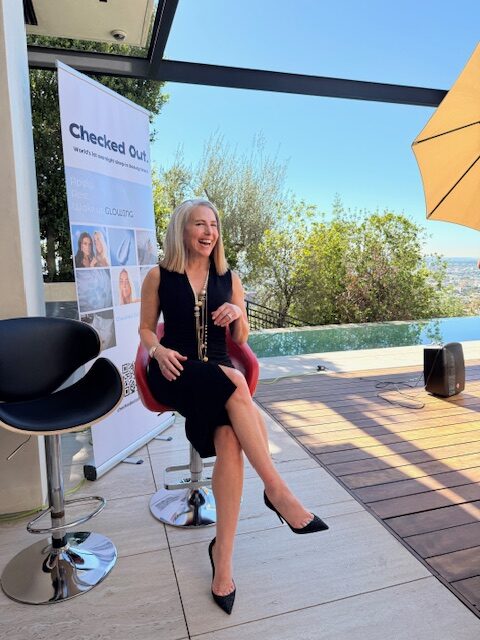


I recently went one-on-one with Craig Weaver. Craig led the North American tax practice for Baker Tilley before retiring and currently advises and invests in companies across a range of industries.
Adam: What initially sparked your interest in accounting, and what compelled you to pursue a career in accounting?
Craig: I came from a blue-collar family, so I just thought, hey, I want to do business, as I called it, you know, I got to be a business guy. And, you know, try to make some money. And I got to college, one of the first in my broader family that went to college, but got there, and then, like most people, got influenced. There was a professor of mine, a few of them actually, but one, I took this class, and, you know, just noticed I had a little bit of a knack for accounting. Took a couple of courses with this gentleman. This is, you know, back in the 80s, and he just kind of influenced me. I went and talked to him a little bit about the career. He pointed me in a couple of directions. So I then pivoted to another university that had a little longer pathway in accounting. Had a lady professor there that influenced me again, you know, just kind of to give you some praise, and hey, you’re getting this, not, you know, not everybody does. And that was kind of the start of it, you know, just I kind of refer to as falling forward, you know, it’s just, hey, I’ll figure this out. I had no real mentor early on. But you know, I happened to ask the right people a few questions, and they pointed me in that direction. And you know, they probably don’t know how much they helped elevate me, but they got me on my start. And then, you know, frankly, I stumbled into the accounting career because I didn’t really know what the firms were anything. So I stumbled into that pathway as well.
Adam: One thing you mentioned, which is really interesting: you didn’t exactly know what you were doing, but you were able to figure it out. And in every field that’s so important, but in the field of accounting, that’s especially critical. There is no roadmap on how to get to the top, but so much of it is about just getting in there, getting experience, getting your hands dirty, and figuring things out.
Craig: Yeah, I couldn’t agree more. You know, as I fast forward, as you mentioned, I lectured in accounting for 30 years, and I was like, in today’s term, my side hustle, you know, I did that in the evenings and some early mornings, but was fortunate to interact with the students, and a lot of them, you know, came to me for some mentoring, some advice. And so it’s interesting being on the other side of the table now and talking to them about what you just said, and things we talked about, I learned to be a little bit more raw in my feedback with them, as opposed to sugarcoating stuff. And you know, I said, look, you have to kind of find out where you fit in the accounting space. And, you know, as I kind of looked at it, going to government, straight into industry, go into public accounting, and then you could dissect public accounting into the Big Four, second tier, all the way down to a local firm. And I really advise the students, like, hey, you should think about what experience you want and where you fit, where you’re going to thrive. And then statistically, we all have multiple jobs during our lives. So you get out of college, you’re really thinking like, oh, I got to get the job. And, you know, it’s like you said, you really want to get out there and get your feet wet and figure out, you know, is this, is this what works for me, right? Is this, is this my line, and it might be the right path for you for five years, and then you’ve got to be, you know, have the courage to pivot. And I, as I look back now, that was some, you know, critical moves that I made that at the time, I didn’t realize how advantageous and critical they were going to be. But just having that, you know, fall forward, having the courage to take, make a change, you know, in your career. And so I really tried to pass that along to especially the students who were starting their careers. But it was really rewarding for me to kind of reflect and share, and then you feel like you did a good job when you know, 5, 10, 15, 20, years later, you’ll run into a student or get, you know, message on LinkedIn that, hey, you really influenced me and thank you, and this is what I’m doing now. You know, they’re on step four or five of their career. So pretty cool stuff. You know that it’s rare that you get to see some of what actually evolved with some of the people that you had an interaction with, like earlier in their career.
Adam: What were those pivotal moves, and what did you learn from them?
Craig: I’ve talked a lot about this with folks over the years, really telling them that there are many paths, like, here’s mine, but just to kind of give an example, and so I’ve talked about this. You know, the first step out was getting a job out of college, right? And, you know, of course, everybody goes through that, but I was like, okay, gotta land a job. It was a rough economy in ’91, so I sent out 70 resumes to accounting firms, not knowing anything about them. You know, kind of size, you know, where their focus was, in terms of client base and things like that, but I just thought I got to get my foot in the door. And that concept, getting my foot in the door, turned out to be a big part of my life. But got in there, and then, then, as I learned a little bit more about the profession, about six months later, I put a hard focus to try to get into the I think it was the big six at the time, you know. So we all know is the Big Four today. And I thought about that. That was a strategic move, as I look back, because it really got me into a higher level of validation. I got to see the big company experience. And so worked there about six months in, I thought, I’m not staying here very long. And I ended up staying 12 years and made it up to senior manager. And then, you know, as I went through my career, at that point, I started to look like, hey, this isn’t for me, like the long-term concept of it. So what I got to a point at 12 years and said, man, I need to pivot. And I started looking around. Got a call from a headhunter, and there was some small firms. And I thought, let me try that. So I went from the Big Four at the time press, or PwC, as it is today, was the biggest, and I went to a 30-person firm. And so that strategic move, although I didn’t realize at the time, was very critical for me. And it’s interesting when I was kind of, you know, analyzing the firms to go to that were smaller, and I remember thinking like, this firm is aggressive, like they’re going to grow and they’re going to, you know, be aggressive. In the marketplace. So I went with them. Got there, that firm grew from 30 people to 500, and I got in during that process, you know, led a division, the corporate division of a very small firm. And at some point, they came to me and said, hey, we’d like you to lead the tax practice. And I remember thinking, and I say for like, five seconds, well, I’ve really grown this corporate. It’s humming. Maybe I should stay here. This is, like, sweet, you know, we were really doing, getting it done. And then I, you know, quickly said, I got a leadership opportunity. I need to take this. And so stepped into a leadership role. And then from there, I did a lot of strategic build, you know, of the firm, and I can talk more about that. And you know, we grew from 30 people all the way to 500 single office. To one point we had 12 offices, and then eventually merged, as you mentioned, the opening, into Baker Tilly at some point. So happy to dive into that. But these strategic moves, you know, as I saw them along the way, getting into a big four for me was the right move, then pivoting to a small firm, critical move, pivoting into leadership when I had the opportunity, critical move, and then did a lot of things strategically, you know, as we grew squatter Mendler back in the day,
Adam: You mentioned that you were doing really well in the on the corporate side, and then you had this opportunity to run the tax practice, and that ultimately became a calling card for you before you retired, and are now doing lots of other things that are super interesting, investing, advising, but those opportunities don’t just fall out of the sky. You have to do something to really distinguish yourself. What did you do? And what advice do you have for anyone on how to distinguish themselves and excel in their careers?
Craig: Yeah, I mean, there’s definitely a common thread and all of that. So, you know, I always thought about these things, is that I want everybody to rise like all, all boats rise with the high tide. So one of the things from my style was always about elevating and hearing about people dragging others down. And so I stayed away from that. I saw that during my career, where some people tried to, you know, didn’t necessarily move up. They moved ahead because they pulled others down. So I was always like, hey, let’s everybody can elevate here. And when you think about whether it’s on a US level, or a global level. There’s so much opportunity out there. You don’t, you know, you can work with the team. So I really thought about elevating and elevating others along the way, and then also, always a teaming mentality, right? I was always like, hey, it’s, it’s teamwork, so we’re not pointing the finger at anybody. You know, people make mistakes, and it’s easy to throw them under the bus, but, you know, it’s, you know, my opinion was like, better, like, hey, let’s figure out how to fix this, you know. And, and then also, you know, just really taking the approach, like, you know, I’m going to outwork everybody, and not in a competitive way, but like, I’m going to I’ll be there. You need me. You know, I was mentioned this concept. You come to my desk at five o’clock on Friday and said, hey, I just got this project. We gotta be done by Monday. You know, I was one like, what can I do to help? And I just thought, if I do that enough, you get recognized as this team player, you’re going to make sacrifices for the team. And so it really kind of operated that way. I tried to make others look successful where I could. And obviously, at the early part of your career, that’s difficult, but you know, as you go along and you’re leading people, you have the ability to make others look good. And I felt like, regardless of the size of the firm, I kind of took that mentality in. And then I also. So looked at it from a client and service perspective, like, how can I help my client? Like, that was a big deal to me, you know. I was like, we have large, you know, big rates, if you will, hourly rates. I was like, how can I help? I want to make sure that I’ve kind of earned my, you know, my rate, if you will, when I’m working on my clients. So I really thought about that way. And I I noticed that I just invested a lot of time into my clients, like, what their business was. I would if they had an inventory. I always did a tour of the shop when I got there to see how they built stuff, how the manufacturing process worked. And I really like to go out to my clients. I mean, remember, this is back in the 90s, it wasn’t as popular as it is, or has been to work, you know, remote or out of the office. I used to go work at clients, and I remember our clients just saying, hey, it’s fantastic that you’re here. And there was a little bit of like, you care, you know, concept that you’re out here with us. So I feel like that was the thread all the way through, you know, and you have larger firms, you have to realize there’s bureaucracy and not let that weigh you down. It’s just, you know, part of the way that machine works. As you get into smaller firms in leadership, you wear multiple hats, and you have to have, you know, kind of the stomach to juggle several balls at the same time. You know, I always said as a small firm, you might wear six or seven hats, and then as you elevate into a larger firm or merge into a larger firm, you have to be willing to delegate and empower others to lead. You know you can’t wear six hats at a large national firm. You really got to wear a hat and create roles and leadership positions for others. So I felt like I saw that, you know, all the way through, and one of the things I can remember mentoring on is that you got into a leadership position, you had to be able to delegate, and you had to have the stomach that those people are going to make mistakes. You know, they’re still coming up, so you have to get away from this. I can do it better myself to I’m going to delegate and empower somebody, you know, so that they can move up. And you know, early on, some of the things I heard from some of the leaders is like, I don’t want to be the smartest person in the room, so you have to have the confidence to surround yourself with a lot of intelligence in your teams. And I also heard a saying is that, you know, if I hire somebody and they become my boss, I did a great job. And so those two things kind of stuck with me, you know, like, can, how can I elevate people? And, you know, don’t be afraid of hiring those that have a super talent. And I was fortunate to work with some people that just very intelligent, great leaders, and I see them succeeding, you know, today, as they’ve taken on leadership roles. I just was on a call yesterday with one that I worked with for 10 or 15 years, and we were talking through like, how her value has just increased, and I just, it was so exciting. I told her, I sent her a text that was that I’m super pumped at the opportunities you’re seeing right now. And I saw the talent of her a long time ago. And, you know, always just used to praise her. So it’s, it’s those type of things, you know. And like I said, you got to operate in those different environment sizes, but there is a common thread there. You know, in my opinion,
Adam: I love that. The common thread is being collaborative. The common thread is being humble. Humility is essential to successful leadership. I love that you had the mindset that I want to hire people who are going to be better than me. I want to hire people who, maybe one day, could be my boss. If all I’m doing is hiring people who I’m better than, then the performance of my team and he performance of my company, isn’t going to be anywhere near as good as it can be. My job as a leader is to surround myself with the best people possible and not to be threatened by them. The job of a leader isn’t to be the smartest person or to be the best person. It’s to bring in the best people. It’s to surround yourself with the best people possible and to empower them so that they are their best selves.
Craig: Yeah, well said. And I think you know, leaders that think that way are much more successful, right? They’re much more successful for sure.
Adam: What did you look for in the people who you hired?
Craig: I felt like I learned some lessons in life, and then I’ll share this with you as I get to answer your question. I was in this class, I think it’s my senior year of college, and there was a lady in there. She wasn’t your typical student, you know, she wasn’t 21 or 22 she was maybe 32 right? I think she might even had a couple of kids, but she was in the class, and she was, like, very aggressive. And I never said anything to but I just found her kind of annoying. It was like, man, she’s just a little over the top for me. Like, you know, like we’re all trying to learn here. So about halfway through the quarter, we had to do a group assignment, and then, of course, she’s in my group. And I thought, oh, man, how’s this going to go? Well, the long and the short of it is, you know, I sat down with her, we started meeting, and I just saw how passionate she was about things, and someone who I kind of thought, man, she’s annoying and, you know, different than me and overly aggressive. Well, we ended up just hitting it off, different personalities completely. And I still think about didn’t keep in touch with her after we graduated, but I just thought like about the experience where I thought, man, what this lady who I thought, man, I hope I’m not in a group becomes my the favorite person I met my senior year, you know, so So it got me thinking about like, hey, don’t try to put everybody in a box. And I didn’t think I was like about that. Sorry about that. So I didn’t think I was bad about that. So then I realized, I go, wow, am I not necessarily handling this the right way? And I changed my thought process again. I’m 21 22 years old at the time, so I ended up thinking about that. And so as I went forward, you know, I tried to look more at that person holistically, like you don’t want to hire a bunch of people like you, right? And I didn’t think I was doing that. But, you know, we all get biased, so I felt like that kind of broadened my vision. And then as we, as I went forward, I mean, obviously you’re looking for certain traits, as you mentioned, hey, you got to be technical, but you also need to have a personality, you know? You’ve got to have some things like compassion and obviously, got to have loyalty and trust and, you know? So I think for me, I started to look at it and that scenario, right? And one of the key things that I thought about is, do people follow you, right? And you can be a leader, but you might not have people that really follow you. You’re you’re a leader by title, and then you have these leaders, they’re leaders by character, by their performance. So I really started to shift to that. And you know, mind you, I now had a much broader sense where I thought I was broad, I wasn’t. I went broader, and I opened it up to just a whole variety of personalities and people. And then I looked at that talent. I go do people follow them, you know? And that was like kind of telling to me, and there’s no one factor, but wow, how impressive that was, when I could see that people would really put it out there for them. That was a characteristic that I really liked. So that was the driver. Some other things that, you know, I would say in public accounting, you know, you have this disparity of women partners, right? The gender line is very bad. They start out in the profession, 50 50, and when you get to the partner level, you know, at best, it’s like 80% male, 20% female. So, you know, I think part of my lecturing, I saw these talented women in there, and I was like, how do we not end up about 50 50, you know. So, another thing that I looked at in leadership was, let’s try to get past this gender barrier that exists in the profession. And at Square Millner, where we were a 500-person firm in the tax practice, I think we were 47% female partners in tax, you know. And it was like it was a big deal to me, and I really tried to make sure that we looked at things very equally, and took away a lot of the bias that existed. So, you know, I think part of what happened is, you know, as I started to open my eyes more, early, early in my career, I really took that with me along the way, and, frankly, looked for areas where there was an imbalance in that imbalance, oftentimes to your point, if you balance that out, you were really getting the best and brightest because you took away some of the bias, or, you know, systemic type of things that existed in the profession.
Adam: I love that mindset. Identify where potential biases are and try to use that to your advantage. What are other people overlooking? What are other people over-indexing? What are other people under-indexing? And how can that be a competitive advantage to you as a leader, as an employer?
Craig: And you know, when you say it, right? It sounds so simple, right? But we all get caught up in our biases. And, you know, so I do try to step back. Sometimes I look at mine and, you know, I look at the success in particular, it’s for millimeter, where we grew from 30 people to 500 you know, I look at the success there, and I think what you just said was a key part of it, you know, we saw an imbalance, we saw an imperfection, and we took advantage of it. And, you know, if I look back now and I’m like, I didn’t again, like I said, I kind of fell forward into these things, you know, it’s a little bit of like, do the right thing and good things will happen. And I, you know, I look back now, and I was like, wow, what an advantage that gave us, you know, over the years.
Adam: Do the right thing and good things will happen, particularly in a high pressure environment, in a atmosphere where people are on edge, working long hours, tax season, man just being kind to people, creating an environment where people are nice people, where people lead with grace, where people want to show up, that makes a huge difference.
Craig: Couldn’t agree more, you know, you remind me of something I used to say quite often as I was mentoring people, and I put this on myself, is, you know, I always felt like you the best leaders. They were inspirational. You know, they inspired others to perform at a higher level. So I took myself on as a very inspirational leader to others, I kind of said ruled by, like, the iron fist, you know, they would hammer you. So it was a little bit of like, hey, I’m gonna, I’m gonna beat you to perform. And I was like, I’m gonna inspire you to perform. And, you know, I was always fortunate in that regard, that, you know, I had some talent to inspire others. And a lot of people came to me over the years, and it was always nice of them. They would say, hey, you’re the best boss I ever worked for and that. And I don’t know if I was the best, but I think that they just like that I was inspirational, right? And you know this to this day, I could count on one hand how many times I lost my temper. And if it was four, three of them were brought on by somebody else. You know, you know we’re not going there. You know, I’m nice until I’m not. But you know, if you’re going to play that way, that’s how I’ll play. And then it just reminds me of one time we to your point, we were working two in the morning or something, and one of the ladies was working for me. She kept trying to explain something to me, and I go, you’re not listening to me. Now I lost it a little bit, and I remember I couldn’t sleep that night, and I got back the next morning. I said, I want to apologize. I said, I am so deeply sorry for losing my temper. And then she said, she started laughing. She goes, hey. She goes, I figured out what you were telling me last night. And she goes, I would have lost my temper with me too, you know? She says, hey, I get why you lost it, like so we had a good laugh the next day. But you know, like I said, I can count on one hand how many times I lost my temper. That just doesn’t. It wasn’t my style, and I didn’t feel like it was effective. You’ve got to keep a backbone, right? You’ve got to be decisive, but you can still be inspirational and decisive at the same time.
Adam: I couldn’t agree with you more, and I love what you shared: When you do lose it, when you do behave in a way that you look back on and say, man, in that, in the moment I did something that I really wish I didn’t do, just apologize. Take ownership, take accountability. There’s nothing more powerful than saying I’m sorry, and there’s nothing easier than saying I’m sorry. And when you say I’m sorry, and you mean it, and you say it in an authentic, genuine way, it really travels, it really carries, it really has impact.
Craig: Yeah, yeah, you remind me of something on the leadership side there. You know, we all make mistakes, and, you know, I’ve talked in the past like I, I feel like I learned so much from my failures. That’s part of life, and I cherish those, right? I mean, they’re they’re hurt when they happen, but I cherish them afterwards, like, man, that was a learning moment for me, and I can remember myself making mistakes with clients. Never tried to cover it up. I went to them right away and said, hey, mess this up. We’re gonna have to amend your tax return. No charge, you know, apologies, and it was nice when people on the other side had that humility, as you said, like we all make mistakes. Thanks for bringing it to my attention. Appreciate you taking care of it. And then where it really resonated with me is, you know, I always thought of as a team, but the managers and the seniors and staff that were on my projects, you know, I always told them at beginning, I said, if we mess anything up, it goes on me, you know, I’m the last step of the process, so if it gets out to the client, it’s wrong. I said it’s on me. And so I think they appreciated that they could come to me and say, hey, I made a misstep, and they knew what my answer was. Let’s figure out how to fix it. You know, it wasn’t like, you know, railing them about the mistake, but it was really about, how do we team together and fix this? And I just had some pretty, you know, gratifying moments where I was, like, they just came to me, like, hey, we screwed up. How do we fix this? You know, they started to come to you like, we know you fix stuff, you know, type of thing. And then, you know, they had their learning moments, just like, like I did.
Adam: That’s leadership right there. Yeah, literally, last week, someone on my team made a mistake, and it was a somewhat significant mistake, and my response was: how do we fix this? My response wasn’t: you’re bad, you’re terrible. Because he’s not. He’s great, and the last thing he needs is for me is to chew him out, to be angry at him, to be mad at him. If you’re good at what you do, if you’re a good worker, if you’re a good employee, if you’re good enough to be there – which as a leader, your job is to bring in good people – and if you’re bringing in good people, they don’t need you to remind them of how bad their mistake is. When someone makes a mistake, they know it and they feel bad and they they don’t need they don’t need you to compound it. They don’t need you to make them feel any worse. What they need from you is they need a pat on the back, and they need you to help steer them toward the resolution, which last week was, hey, get it. You made a mistake. What was the mistake exactly, and how can you help me fix this?And he fixed it. And in all likelihood, the person who makes the mistake is probably going to be the person who can be most helpful to you and fixing the mistake.
Craig: I never thought about it that way, but that’s a good point. Yeah, it’s interesting. You remind me of the students I used to talk about this because they, you know, they continually were asking me, like, hey, I got a job, or I’m trying to get a job, and how do I succeed? And I said, look, you know, when you first get hired, and this is what I resolve that I’m kind of this foundational, fundamental, like, type of personality, like, I think you have a great foundation, good fundamentals, then you can start doing some of the extras. So I really have focused on making sure you have a good foundation. So I told the students, they would ask me this. I said, look, when you get hired, they’re really looking to see that you can complete a task, a project, you know, can you do that well and efficient? I go, that’s all they’re really asking for, you, you know, the first step, you know, then as you get some experience, if you can start to identify issues, you know, like, hey, this doesn’t seem like it’s working, right? You know, you can’t solve it yet, but you’re kind of starting to see, like. Like, hey, there’s an issue here, or starting to come up with some idea, like, I think I know a way we can do this better. And I go, you know, you start to get to the next stage, right? And then, ultimately, as you go through this process of completing tasks, identifying issues, you know, then do you have the ability to solve some issues? And then can you get to a point where you’re proactive, right? And looking ahead. And I said, you know, if you start to think about things that way, I go, you’ll really progress in your career, right? I mean, if you just thought about it like, how much does somebody love proactive advice? You know, they, they’re looking ahead, you know, you’re, you’re growing, you’re going to, you know, get into the next level. There’s a larger tax credit. There’s, you know, pivoting to opening your next, you know, manufacturing location in a better, you know, tax-friendly state, you know. So you start to get proactive. So I just, you know, I thought about those things. And one of the things I told him, I said, hey, if you’re somebody that can fix a problem, then your value goes way up. And the other thing I always said is, you know, I don’t see problems, I only see opportunities, you know. And if we start to look at things that way, you know, how much you know, a better life is right? Is there a problem, or is there an opportunity? Because if something’s not working, there’s an opportunity to really fix it and make it better. And now you’re bringing a value add. And as we know, you know, just in your personal life, professional life, being a value add is, you know, just a plus to everybody involved.
Adam: I love that mindset, and it brings me back to something you shared right in the beginning of the conversation, as you were talking about how you were able to rise in your career, being a value add to your clients, being present, actually showing up in your client’s office and interfacing with them, and physically being there, and even if you’re not physically going to be there, there’s no substitute for being present and instilling confidence in the people who you’re working for and working with that I am here. I am a resource, or I am a resource for you. You brought that up in the context of client service, and then you brought that up in the context of being a leader. Look, the buck stops with me. I’m the last person who this document is going to get passed to, so it has my name on it. I’m responsible for it, and I take accountability for it. That’s leadership. And when you lead that way, people are going to want to work for you. People are going to want to give their best for you. And we can spend all day and all night talking about inspirational leadership and motivation and platitudes and this and that and but that’s such a big part of it.
Craig: Yeah, couldn’t agree more. I mean, to me, the biggest compliment is when you have people that want to work for you, want to follow you, you know, I get a text once in a while. Now, I’ve mentioned that, you know, I exited the profession. I’m doing other things, but I’ll still get, I got a text yesterday from a lady who worked for me, and she’s like, you know, hey, when are you starting your new gig? And when are you hiring me? You know, she just jokes about us working together. You know, as I always there’s a little truth in every joke. I think if I did something, she would be, you know, jump over in a heartbeat. And to me, that’s like the biggest compliment you could get from anybody. And what’s funny sometimes is these people that have said to me, I really enjoyed working with you, and you know, you’ve been so helpful. And, you know, I just flip it back on, and I go, it’s, I said, man, I feel privileged that we work together. You know, I always say we work together. You know, it’s not a concept for me, of course, in the structure it is. But I always felt like we were together. But, you know, I just think about some of these people that have reached out and, you know, just said, hey, it was so wonderful working with you. I just said, man, I felt the same way. I felt very fortunate. And, you know, over the years, I just remember interviewing people and coming home that night and telling my wife there was a lady that I hired up in San Francisco, and I met her for lunch several times. It took 12 months to get her to come on board. But I remember the first time I came in there, and I’m like, this lady is fantastic. And I think I even said, like, I think she could be my boss someday. I’m punching out of my weight class. And one of the things, you know, kind of tying into this, one of the things that resonated with me with her is she was very talented. She could have gotten many jobs, gone to many different firms, and I felt like she took a chance, coming to work for me and the firm at that stage. But from day one, I felt like she was committed. You know, she wasn’t. Test driving the car. She’s like, I’m in. Let’s get this done. And I felt like that from the beginning, and I mentioned that to her a number of times, how fortunate I felt that she saw something and came and worked with me. And then I always told her, I go. It was very comforting that she was all in from day one. You know, we’ve all had experiences where you go, hey, I got the, you know, this, all stars joined the team, but I don’t know if they’re going to stay. You know, did we pick them up for the rest of the season, or are they going to sign a long-term contract? Well, she just came in and was all in, and that just resonated with me tremendously. And, you know, frankly, one of the highlights of my career, and I share that with her, because, you know, she, she says, well, look, you believed in me, and that was a big deal. She’s, I didn’t have that everywhere. And I just kind of joke. I’m saying, well, those people made a mistake, you know, Alan and I did. So it’s, it’s nice, you know, like, I feel like both sides win, right? It’s not it’s not one-sided. And when those things happen,
When somebody I think, if somebody knows, like, you’ve got my back, then they go, I got yours, you know. And so it’s just kind of little things like that that they know you care, you know, you think highly of them. And you know, again, that saying, like, it’s easy to sail the boat with calm seas, you know how you’re going to handle it when the rough water comes. And I think people see that in leaders, where they go, look, I know when the going gets tough, this person still got my back. And you know you’re, you’re happy to contribute to that. So very gratifying. I mean, frankly, you know, it’s when somebody reaches out to me now and gives me an update on where they’re at. You know, I’ve been fortuitous where people have said, hey, I see you’re living in LA or Vegas, where I’m, you know, we’re at. Would you want to meet for lunch? You know? And I go, of course, you know, it’s just so fun for me to hear I go, what do you been doing for the last 15 years? This past summer, I just had lunch with the gentleman that was in one of my classes. I think it was, you know, 2000 82,010, something like that. And he reached out just it was great to hear his story, you know. And I, you know, as we sat down, I just want to hear what you’ve been doing, you know. And he talked about his pivotal moments and things that had happened, you know, so it’s, it’s just wonderful. And, you know, there’s no, no right path, no wrong path. It’s just, you know, concept of, like, falling forward and what, what worked for you?
Adam: What are the keys to building and growing an accounting practice?
Craig: So I’ll give you a little bit of setup for this. So you mean I mentioned I joined Squar Milner in 2003, 30 people, 8 million in revenue. And we grew that to 505 100, or, I’m sorry, 500 people and 100 and 30 million in revenue. And then we burst into Baker Tilly, but that, that ride was fun. You know, that really takes a team. For me, our CEO, there was a gentleman named Steve Milner, as I’ve told him many times, that most intelligent person I’ve ever met. We were like yin and yang. There were other players involved in the leadership, but he and I worked together pretty heavily. You know, in that having that type of success and building one, you have to have that courage to take a risk. And there were things along the way that Steve would say about, if we’re not growing, we’re dying, you know, maybe a little bit of an exaggeration, but so we just thought we got to grow. And he had the appetite to merge firms in and I had built out. Our tax specialty practice from nothing to about 10 million for us, which was substantial, but it was an attractive thing. So one of the things I thought about with growth was, hey, it’s a team. You’ve got to have different type of skill sets in that you know that leadership team. You got to be willing to take risk. You need somebody with a vision and others that will follow it. And then the way I looked at it is, he was, I call him a bulldog, in terms of finding firms that would merge in with us. And I felt like I had built some nice platforms within the firm that attracted these companies, you know, so between the two of us, you know, he was out, you know, meeting people, meeting firms. And then when they looked under the hood, they saw, you know, you guys got some attractive, unique things. And then, you know, we were two different personalities. I think that resonated with a lot of firms. And then what was really fantastic is we merged in about 20 firms over a 10-year period, eight-year period again, going back, I would say that you know those 20 firms, if there was 50 partners in those 20 firms that came in, I bet you 48 of those partners would say, what a fantastic move we made, joining you guys. You know, you can’t please everybody. So there’s probably a few out there that would be like, nah, I shouldn’t have done that. But, you know, when you get 48 out of 50 that say, what a fantastic situation. And, you know, I think that’s the case. And you see that when you have alumni events, when these people are showing up, and they’re happy to, you know, be involved in some capacity. So, you know, it’s just that, you know, it’s you need a team. You need, you need, you need take a risk.
One thing that Steve ingrained in me is that we were always like a person of our word, you know. So we always, we said it, we did it, you know, type of thing. And so I think everybody appreciated that it wasn’t like you came in and everything changed, right? You merge in with us, and then all sudden, fools you, you know, what you signed up for is what you got. And then, you know the we had a really great leadership team, really made up of three of us, expanded into about eight. But there was myself, Steve, and the leader of the audit practice, a gentleman named Ernest Miranda. And the three of us, we’re all quite different personalities, but we worked well together, respected each other, and I think because of the vision collectively that we had and the way we complemented each other, the firm did well, but we brought everybody along, right? It wasn’t, you know, somebody merged in. We wanted them to be successful. We wanted to create a platform and atmosphere for them to be successful. And one of the things we always said with them is, when you merge in with us, you know, you don’t become us together. We become the new US, right? You know, it’s like you’re going to influence our culture. Is maybe not as much as it exists, because we got pretty large, but you’re going to influence our culture, and we want you to. And if you have things that are best practices, we want to make those part of the firm. And so I think it was that mentality, right, that we kind of breeded success. And, you know, obviously, when you when you’re growing, and you’re having success like that’s obviously going to make it a happier time, right? I mean, I think people had a more solid retirement. They were making more money. I mean, obviously all those things are a plus, but, but it was really the mentality, right? You’re going to come in, and it’s going to be us, not, you know, we, you know, our it’s not I, you know, it’s us when you come in. So that I felt like that was always very strong, you know. And people had a voice when they came in, you know. And you have that backbone. Because sometimes, look, we do it this way because it works. We’ll listen to you. And if you have a better way, we’ll try it. But if not, you know we’re going to do it this way. And you know, so you had to have that backbone, as I called it.
Something fascinating to me, so I just joined a board earlier this year. A board advisor. It’s a private equity portfolio company. And as those of us in accounting know, private equity is really coming into the accounting space, in particular last five, eight years. So the way we built Squar Milner was, a lot of you call it like stock for stock deals, there wasn’t a lot of cash payout. You know, now it’s a different world. So on this board I just joined, they acquired a $20 million firm with the concept of growing that to 100 100 and $50 million firm, and then selling that to, you know, a second-tier firm, a Baker Tilly. I mean, if you if you hear that, you go, that’s what we did at Squaw Millner, right? We grew from 8 million to 30 million, and then we merged into Baker Tilly, well, now that’s more prolific than ever. Private equities are involved. They’re very straightforward. We’re going to grow this from 20 to 150, and then we’re going to find a buyer in five years. So I joined this board, and I’m advising the CEO there. It is a fantastic situation, but it’s different, way, different than score Miller, although we’re going through the same journey, if you will, building to a large and selling now, you have equity units that have clear appreciation and value. You have cash deals left and right. Private equity is bringing cash to the table. So these partners of firms, in this case, we’re doing something very similar. We’re targeting, I’ll call it $5 million firms to merge in with us, and that’s what we did. It at Squar Milner for the most part. But now these partners are getting cash payouts. They’re getting equity with appreciation around it. So, you know, one of the things is, you look at these opportunities, you’ve assessed the environment, right? Because sometimes people will say to me, like, well, what did you do? Well, we really merged people in. It was equity for equity deals. They really got into a situation with a more secure retirement, so the partners could retire and get it, you know, if you will, quote, unquote, a pension or payout, you know, now you’re more into, hey, I’m going to get cash when I merge my firm in, and the amounts are substantial, and then I’m going to get equity. So I’m, you know, I have an incentive to work hard and build the value of this firm. My equity will go up. So, you know, the platform has really changed in the accounting firm ownership, you know, you’re generically going from more of a partnership profit allocation to more of a corporate environment where I have a base salary, I can get bonus, and I have equity, you know, I can drive that value up. I can, you know, really make it for a nice retirement for myself. So for me, I kind of caught this pivot timeframe. And, you know, frankly, I had a nice buyout when large private equity firm came in and bought Baker Tilly. Hellman & Friedman came in at the time; it was the largest deal. You know, I had a fraction of that. But a fraction of a big number is lot. So it worked out. So I’m excited to see how the profession goes, you know, going forward, but you have to, you know, like you said, it’s a different environment. And so my key answer that is, like, you really got to look and see what the environment is like now for doing deals, and it’s, you know, like I said, completely different than it was 10 or 15 years ago.
Adam: What are the keys to navigating today’s environment?
Craig: Yeah, so it’s, I think, you know, kind of goes back to I was saying, I’ve seen the gamut of firms, you know, I’ve had the good fortune to see firms at relatively every significant level, all the way down to small, up to the biggest. So I think you know now you and I’m a very technology guy. We didn’t get into that. But just as a quick side note, I got involved with SAS in 2000 as an investor, and we can wear CFO. So now these two worlds are here. So you know, if I look at advice, I mean you, if you’re building a firm or in your career, you’ve got to embrace technology. Obviously, we’re seeing AI just going off the charts here. In my opinion, the accounting profession has been a late adopter of a lot of technology; regardless of what they say, they haven’t really embraced it. So, you know, as you get into your career, you know, whatever stage you’re at, I think you’ve got to be very adaptive to technology, and then start to understand that like, you know, if you get into some fundamentals, like what used to take us 100 hours of labor, hours, it might only take us 20. Now, if you’ve leveraged innovation and AI and technology, so you know, to me, you know you have to look where you’re at. You are a large firm, mid-size, small, and understand where you can be most effective there. But if you asked me, like, what would I do today if I was 25 I would really start to understand the business, really understand the innovative aspect of it, the technology element, and go out and start a firm that would, you know, be four times efficient as the way we think, you know, so I could do what 25 people with a firm used to do with 100 and, you know, you have this ability to grow those. And frankly, you could become somewhat of a serial entrepreneur. In accounting, you could grow these firms and then sell them, you know, you have a buyer now in private equity, you could grow these and turn them, I mean, you could do stuff like that, but you could also just grow a fabulously profitable firm, right to the extent you’re able to adapt and integrate and execute on the technology front, that is just, you know, moving wicked fast in the profession.
Adam: What are the most important skills in today’s landscape?
Craig: There’s some fundamentals like you got to be technically strong, right? That’s never going to go away. And I think the most successful people in our profession, they’re technically strong, and then they’re also, they have a, you know, personal side, right? They’re able to communicate effectively and know their audience. And you know, you know, kind of communicate appropriately with the different audiences they get in front. But you got the technical and that you know that you know personal interaction element, you gotta have those two. And then I think you’ve gotta have your eye on the profession in terms of how the work is getting done, is going to be a critical factor. Again, automation, AI, software platforms. I’m an investor in numerous early-stage technology focusing on the accounting profession, and it’s just amazingly fantastic. You know that the things that they’re solving for and how it’s going to make, you know, if you will, an accountant’s life much more gratifying, because it’s eliminating a lot of this monotonous, redundant work and really elevating the professional into a much more gratifying, consultative type position earlier in their career. So I think it’s really, you know, you’ve got to see that and start to envision what that’s going to look like going forward in and I think there will be some really highly disruptive firms that are created. Like I said, you know, getting the work done with a quarter of the people, and also that the user experience your clients is going to become much more just fascinating. No more data at your clients’ fingertips, with the portals and the data analytics that they could put in front of their clients. So I think you’re going to have to think a lot about how do I integrate with my clients’ systems, and then what’s my user experience? You know, as you know, some of these young tech startups, they don’t want an accountant that’s, you know, focusing on paper and personal meetings. They want portals, digital interaction, remote calls. So you better be geared up to deal with, you know, the demand of your new client base web, right, which is very digital, and technology advanced,
Adam: It speaks to the importance of adaptability, an underlying current in everything we’ve talked about.
Craig: Yeah, I used to say, you know, I had to reinvent myself every year to tax law changes. You know, different types of tax strategies apply, depending on if the economy is roaring or at a slow so I enjoyed the fact that I had to reinvent myself. You know, we were the type of projects we were doing. We had to learn new stuff. I thought that was fantastic. And those that were most adaptive and were reinventing themselves, in my opinion, were the most successful, you know. So as a firm, you’ve got to be adaptive, willing to reinvent yourself, have your eye on the changes that are coming down the pipeline. Yeah, I used to say, you know, worked in the profession for i. Know, 35 years, and it was never boring, because it like I felt like it was a constant change, right? Just things were changing, you know, I went through the .com bubble burst, the subprime crash, you know, the pandemic, and just all these different tax law changes. There was a, was not a dull moment for me. And of course, you know, I think about when I started my career, you it was a big deal if you email the client. I mean, we use fax machines. You still have typewriters in the office; smartphones, laptops didn’t exist. There was no Zoom or remote calls, or anything like that, video calls, and so I’ve just been fascinated by everything that’s changed, you know, during my career. So fun, in my opinion.
Adam: You mentioned that there was never a dull moment, and you’ve mentioned some of those moments. Is there a moment that you look back on that shaped you as a leader?
Craig: I don’t know that there was like this defining moment. You know, frankly, it was like what we talked about, just being adaptive and reinventing myself, and the fact that I liked that it didn’t, it didn’t discomfort me. It was exhilarating. And so, you know, if you think, if I think about things that shaped me, I was so fascinated by the change from technology and innovation in our in our profession, that it was just wonderful. I mean, the first portable computer I had weighed like, 35 or 40 pounds, and it looked like a sewing machine. And then I can remember going like, hey, I got the portable I’m going out to a client. And it’s funny, because I thought that was fantastic back then, you know. And then fast forward, you got these laptops that weigh three pounds and have, you know, 50,000 times the computing power. But as I just I got to see all these things evolve and become available to us, and I just embraced those, you know. So if I look back, I think it’s, you know, caring about the people I hired and embracing technology. You know, those were just key factors for me, and the willingness to take risk. And you know, the people say, you know, work outside of your comfort zone. I think I got to a point where just always being outside of my comfort zone was felt like the norm, you know? Because, I mean, if we look at it, you know how much things have changed. But again, that’s just been a part of the fantastic ride for me. But I think it’s been my, if you had to kind of say one thing, I go, it’s just been my willingness to accept that, adapt it, and, frankly, embrace it. You know, along the way.
Adam: What are the keys to getting through the difficult moments and difficult periods?
Craig: So I’ve all the way. I’ve thought about this is you have to do some self assessment, you know, and see, like, you know, one do I want that? Because they’re all other paths that aren’t as grinding. So you got to go like, do I want that? And then maybe even go like, okay, I want it, but how long do I want it for? And, you know, you gotta, you have to have resilience. And then also, just, you know, start to understand that you can’t do that forever, in my opinion, you know, throughout your career. So you’ve got to, like, look at advancement opportunities and start to elevate yourself where the busy seasons are, you know, less of a grind on you. You know, I think, as I’ve always said, like, you know, you got to put your health first before everything you know, mental, physical health, if you don’t have those, you’re trying to solve for those so making sure, as you go through your career that you have those things, you know that you’re relatively happy, and it doesn’t mean that you know if you’re grinding through taxis and you’re not happy, you just have to know that that’s part of the process. And there’s light at the end of the tunnel there, but I think it’s that resilience and then the self-assessment side of things, being mindful. You know, are you all in? Right? You got to be all in to get through those tougher times. And then, frankly, I think you also have to assess, like, is this a tough time and I’m grinding through it, or is this just a bad situation, you know? And those sometimes are, they’re hard, and you get to those a lot of times, you kind of hit a rock bottom, as we know, before you’re willing to make a decision. So I tried to keep my eyes wide open, you know, as a grinder, I put the time in during the. The tax seasons. But I always felt like, I know this is a, you know, 8 to 10 week period. And, you know, get back to some, some balance with that. But, you know, I wanted to make sure that I, you know, I had a good head on me. I was in the right mind getting through that stuff. Because, I mean, if it’s, if it is really dark for you, then get out of there, right? That’s not where you want to be, right? You’ve got to be able to, like, hey, I’m, you know, got to get through this, and then I’ll be okay.
Adam: Is there anything else you would like share?
Craig: I would just kind of wrap a little bit with, you know, I’ve said this many times, I had, it’s still going. I’m in a different phase. But, man, the last 35 years in the profession have been fantastic, you know, I would encourage people to see that element of it. You know, think strategically as you go through your career, and know that you’re going to make mistakes and have some failures and learn from those. But I, you know, I continue to forever be the optimist. You know, the glass is always half full, and frankly, I feel fortunate that I still, you know, got some toes in the game where I really see everything that’s going on through a different lens. But, you know, just encourage people to, you know, ultimately, be committed, be loyal, and then also just be willing to take some, some risk, you know, you look for some pivot points, and then there’s a self-assessment, you know, think about what you’re capable of. You know, be okay, getting out of your comfort zone. You know, a lot of this stuff you hear many times, but I think we have to be reminded of the things that we know are right. You know, work hard, push forward, and you know, be willing to take some risks and make some mistakes, right?