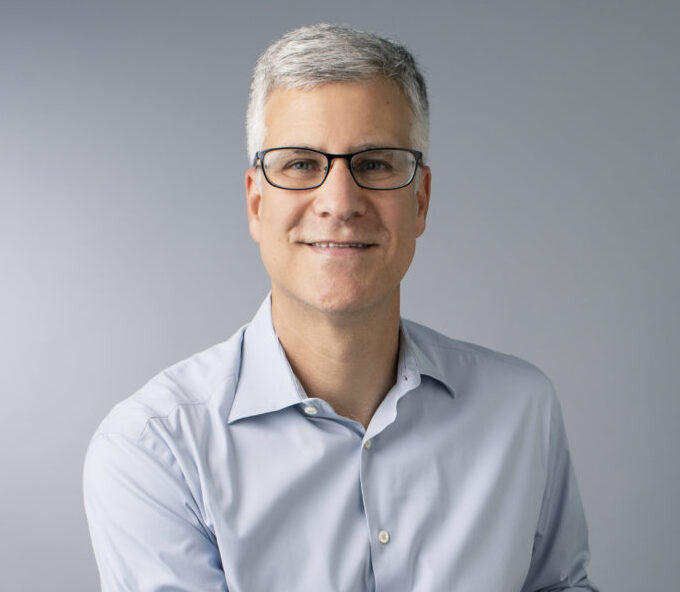


I recently went one-on-one with David Chubak, Head of Wealth Management and Field Management for Edward Jones.
Adam: Thanks again for taking the time to share your advice. First things first, though, I am sure readers would love to learn more about you. How did you get here? What experiences, failures, setbacks, or challenges have been most instrumental to your growth?
David: Thank you for having me! What a great place to start. I have such a deep passion for what I do now that it’s a little strange to think back to the very beginning. I studied law, and I only ever had a vague sense of what that career path might look like.
Fortunately, I found consulting and McKinsey, where I connected with the talented people and their sense of purpose. They found meaning in driving results for clients who were serving their communities.
I am incredibly grateful that there was a group of partners at McKinsey who gave me a chance and invested in my development. They taught me, challenged me, and elected me to the partnership within five years. I then spent nearly a decade at Citigroup, most recently as CEO of Citi’s Retail Bank, before joining Edward Jones in 2022. And I’m thrilled to be here, still learning, growing, and surrounded by people who are driven by purpose at our firm.
Ultimately, I’ve approached my career more as establishing a robust portfolio than following a linear path.
One part of that is looking for opportunities that help me become a better problem-solver. Occasionally, to build your skills and expand experiences in unique ways, you might choose to make a lateral move. The other part is about getting to know many different types of people in different settings and, again, seeking out a wide range of experiences. Both of these approaches support a growth mindset – which I consider vital to success – and help you become the best person and leader you can be.
Adam: In your experience, what are the keys to enjoying career success in the financial services industry?
David: First of all, this is a dynamic industry – so it’s important to embrace the mindset of being a perpetual beginner and lifelong learner. A growth mindset is your biggest asset if you cultivate it! Take advantage of the professional development opportunities your employer and industry organizations provide. Pursue certifications like the CFP®. I just earned my CEPA® so I can be the best coach possible for our financial advisors and clients engaged in succession planning for their practices and businesses. And lean into new technology and tools. Right now, AI and digital platforms are changing the way we serve clients in some truly groundbreaking ways. Down the line, new advancements will emerge, and we’ll need to embrace them as well.
Of course, all the learning and the technologies we utilize help us build and reinforce the foundation of our business: trust and relationships. We need to know our clients well and develop a deep understanding of their unique needs, wants, and challenges. That’s how we can put ourselves into their shoes and find the best ways to serve them completely. Clients will reward you with their trust and confidence when you make them feel seen, understood, and supported.
And, what we do “on the clock,” so to speak, is only the beginning. The most successful financial advisors at Edward Jones stay active in their communities. That’s how they keep a finger on the pulse and broaden their network, both to meet prospective clients and to best meet the needs of their existing clients. When you’re out in the community, you can create connections and learn things you can’t from behind the desk or in a LinkedIn feed. What are the hot topics from the town hall meeting? What are neighbors talking about in the carpool lane? What trends are impacting local businesses? The best way to know is to be there.
Getting involved in your community makes you a better, more informed professional. It also adds to your personal sense of fulfillment and helps you make an impact. I’m so proud of the work I’ve done with the American Heart Association and City Harvest, for example – and the strong relationships I’ve built along the way.
Adam: What is your approach to and best advice on building, leading, and managing teams?
David: I think it’s essential to foster a collaborative culture, rather than a competitive culture. Compete with yourself, absolutely, and constantly push yourself to be better than you were last week or last year. But teams should be learning, growing, and succeeding together.
That will only happen when the leader creates an environment of trust and respect, where teammates truly feel incentivized to help each other get better. Where they can feel comfortable seeking and giving constructive feedback, which is an essential part of being a lifelong learner.
During my time at Edward Jones, I’ve also seen that shared purpose can build deep relationships and create powerful bonds for teams. It really affects how we show up in our work.
Our firm is fueled by our purpose – to partner for positive impact to improve the lives of our clients and colleagues, and together, better our communities and society. I see that come to life every day, both when we’re on the job and out in the world.
Adam: What do you believe are the defining qualities of an effective leader?
David: To me, a leader actively listens, proactively asks probing questions, and sets the conditions for decision making and accountability. The best leaders work across elevations – knowing when to empower others and when to get in the weeds to accelerate problem solving and help the team deliver their true potential.
I believe in practicing what you preach, so I eagerly seized the opportunity in 2024 to immerse myself in a branch in Chesterfield, Mo., to fill in for one of our financial advisors. And I’m currently in another immersion in Pendleton, Indiana. Working day in and out with financial advisors, branch office administrators, and other client support team members for eight weeks gave me a fresh, firsthand perspective on how our firm’s hardworking branch teams collaborate to support the real-time needs of our clients.
The importance of active listening was reinforced on a daily basis. I had a client come in for advice as he prepared to propose to his girlfriend. He shared his plan to buy her an engagement ring and start a new life with her. I had a client who came in moments after being laid off from his job, another whose husband who needed to go to rehab. Real American families facing both challenges and opportunities.
Really hearing what the client was saying – and reading between the lines of what he or she wasn’t saying – asking the right questions and staying present in the moment equipped me to be a better advisor. Together, we dug deep and built on the great relationship he already had established with the firm. We were able to think through how Edward Jones could best support them from a financial perspective, and they walked out that day with the confidence they needed for this next big step in life.
In the financial advisory space, listening is essential for building strong connections with clients and delivering thoughtful, tailored advice, but it’s also a fundamental skill that underpins effective leadership in any context.
Adam: How can leaders and aspiring leaders take their leadership skills to the next level?
David: All the other things we’ve discussed definitely apply – cultivating a growth mindset throughout your career, embracing innovation, and staying active in your community. But that is probably what helped you earn a leadership role. To keep it – and to keep advancing – you need to keep building new skills and seeking out new experiences.
As we manage our day-to-day and track against our goals and metrics, we can’t let the human side of things get lost in the numbers. To me, the ability to practice empathy is a differentiator for a leader. That may sound a little “squishy” to some, but in an industry grounded in relationships, it’s simply practical.
At Edward Jones, we’re getting up every day looking for more ways to serve more clients more deeply. The only way we can do that is if we can listen and learn effectively – and then find the insights that help us offer the best financial advice and planning to each client. That’s also part of how we develop new products and services that align with investors’ needs, which are continually evolving. And, crucially, it’s part of how we can ensure we’re supporting our colleagues in the branches and our home office with the right resources to be fulfilled and successful in their role as they help our clients achieve their goals.
Adam: What are your three best tips applicable to entrepreneurs, executives, and civic leaders?
David: Early in my career, when I was working in consulting, I received three pieces of advice that I think are applicable across industries and different career stages:
- Use the information you have to make a good decision. Most business decisions don’t have a right or wrong answer, but it’s key for leaders to use the information they have available to them to make logic-based choices.
- Asking the right questions can sometimes add more value than having the right answers. Do this with both humility and assertiveness to help push teams into thinking differently and drive teams to strong outcomes.
- And lastly, remember to have fun. Bringing joy and excitement to work brings teams together and delivers excellent results. If work doesn’t produce sparks of energy, the work product itself isn’t going to be the finest.
Adam: What is the single best piece of advice you have ever received?
David: That’s tough to narrow down, just thinking about all the wisdom I’ve received from Penny Pennington, our managing partner, it’s impossible to choose! But most recently, I’ve been inspired by her emphasis on three core qualities for success: humble, hungry, hustle.
First of all, you stay humble and recognize that no matter where you are – as an individual or an organization – you have to keep building and progressing. You establish a strong foundation, and you celebrate your achievements as they come. But you’re proactive about seeking out opportunities to evolve and grow.
What does that mean? You stay hungry. As the years go by, it’s easy to become complacent. You might get a little too content where you are. But if you want to practice at the highest level of your craft, it’s a lifelong commitment to continuous improvement. It’s worth it, especially in our industry, where being at the top of your game translates into helping more people achieve their dreams.
So … you hustle. You take the resources at your disposal and the knowledge you’ve gained and just keep working hard. You bring fresh perspectives and new value to the table. And you have a little fun along the way.
Adam: Is there anything else you would like to share?
David: In my spare time, I am a private pilot – though I don’t get as much time in the air as I would like these days! Flying has been on my mind lately, as we’ve been navigating market uncertainty.
There are some interesting parallels. Turbulence in the air or in the markets can be stressful and uncomfortable. As passengers on a plane, we have to relinquish control, and that’s often difficult. But turbulence comes with the territory for pilots. That’s part of what challenges us and pushes us to be the best we can be. We study and prepare for that choppy air so we can put our knowledge to work when we need it.
At Edward Jones, our financial advisors are in the cockpit, and they’re prepared. They’re also backed by teams of experts in the branch and our home office. Our clients can feel confident, because we’re all flying together. We empower our clients to stay calm and focused on what they can do, listen closely and talk through options, to reliably manage the crosswinds, and uncover opportunities to turn headwinds into tailwinds.