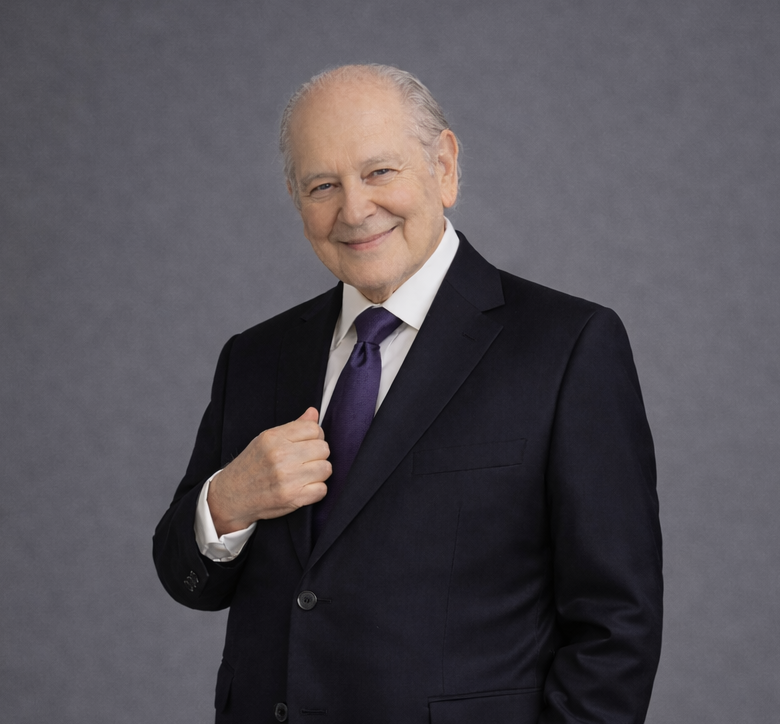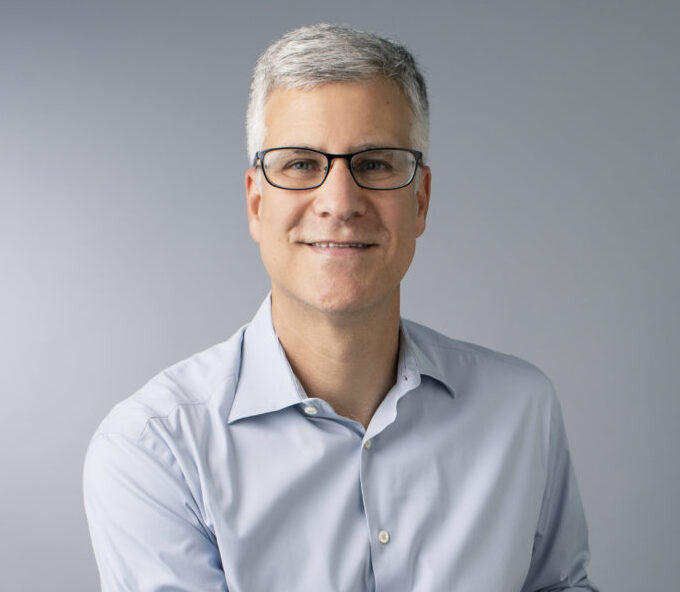


I recently interviewed Principal CEO Deanna Strable on my podcast, Thirty Minute Mentors. Here is a transcript of our interview:
Adam: Our guest today is a Fortune 500 CEO and the leader of one of America’s largest financial services companies. Deanna Strabel is the CEO of Principle, where nearly 20,000 employees serve more than 62 million customers around the world. Deanna, thank you for joining us.
Deanna: Thanks, Adam, for having me. I’m excited to be here.
Adam: I’m excited, too. You grew up in a small village outside of Des Moines, Iowa, and you were a first-generation college student. You went to Northwestern, and while you were in college, you interned for Principal. Fast forward, you’re the CEO of Principal. Can you take listeners back to your early days? What early experiences and lessons shaped your worldview and the trajectory of your success?
Deanna: Yeah, that was a really good summary of my long career and childhood. I did grow up in Iowa, which is about 30 miles south of where I’ve now worked for 36 years. I started as an intern, but if you go back farther than that, I was a first-generation college graduate, but my parents always prioritized education and made a number of sacrifices to make sure that I had access to a great education, both Before I went to college and then when I went off to Chicago to Northwestern and those sacrifices positioned me to where I was today. But I came from humble roots, which I think also really influences how I approach everything I do. And when I was starting to look for careers and companies that I wanted to work with, I didn’t know if I wanted to go back to Iowa, but I kept comparing all of my job offers back to my experience that I had here at Principal. And I ultimately decided that this was a good place for me to start out my career. I didn’t start thinking I would be a CEO. It was a journey that happened over the last 35 years, where I had different types of roles. I had different experiences, different parts of our business, which all built on each other and ultimately really brought me to where I am today.
Adam: Can you talk about that journey? You spent your entire career at Principal, which is unusual. There are very few people who spend their entire career at one organization, and far fewer who spend their entire career at one organization and then become the CEO of that organization. What were the keys to rising within your career, and what can anyone do to rise within their career?
Deanna: Yeah, I’ll maybe start with answering why I think I stayed at one company for 35 years, because I think that’s important, and ultimately did position me to where I am today. I’ve had about 15 different roles here at Principal. And so one of the reasons that I stayed here is that I was given the opportunity to learn new things, work with different people, continue to be challenged, and make an impact. And those weren’t just 15 roles in the same type of discipline. It was moving from what had started as more of a technical actuarial realm. And then ultimately, I was running different parts of our business. Then I became our chief financial officer, and then our chief executive officer. There were a few of those 15 roles I sought out, but the majority of those people were asking me if I’d be willing to take a different opportunity, move somewhere else. Some of those were lateral moves, some of them were really taking me outside my comfort zone. I even volunteered to actually move abroad for a 15–18-month assignment over in Europe. And so really that willingness to step outside my comfort zone, always leaning into how do I make a difference and how do I continue to learn new things? And, principally, it gave me the opportunity to do that all within the realms of one company. But given the fact that we are a global company, we have lots of different businesses, a diversified financial services company. I was able to do that within the realm of one company, versus having to move to a different company to get those different experiences.
Adam: Deanna, you shared a lot of great advice for listeners. Something that you shared that was really interesting to me, you have 15 different roles in one organization. And in some cases, you were promoted, but in other cases, you weren’t promoted. You took lateral roles. And oftentimes, someone might look at a lateral move and say, I’m not going to do that. I’m going to stay in my current role unless I get promoted. You viewed it as an opportunity to learn something new, to push your comfort zone, to develop in some way. I love the framework that you shared, the mini framework, two questions that you asked yourself that I think everyone should ask themselves. Number one, how do I make a difference? Number two, how do I learn new things? If you ask yourself those two questions every day, there’s a pretty good chance you’re going to get to where you want to be.
Deanna: Yeah, Adam, there are a couple of really good points there. The other thing I’d mentioned that I think helped is that I had really strong mentors who helped me think through those. There were a number of times someone would come to me and ask me if I was willing to take an opportunity. And my first initial response sometimes was, no, that’s not really something I’m interested in. And it could be that I wasn’t interested in it, but it was probably more so that I liked what I was doing, and I felt that I still had runway to make an impact. But to have somebody who could be that sounding board to help me understand what this would mean now, and what it could mean in the future, both for me and the company. Was the other piece that I would wrap into that because having somebody that would challenge your thinking and say, yeah, you might not want to do this, but let’s think about what new skills this might help develop. And ultimately, how it continues to allow you to make a difference and learn new things and be pushed into situations that maybe aren’t as comfortable, but would benefit both me from a career perspective, but also impact on the company.
Adam: How do you cultivate those relationships with the mentors who you’re referring to and ultimately optimize the mentor-mentee relationship so that you’re able to capitalize on what those mentors were able to give you and what advice do you have for anyone listening to this conversation on how to find great mentors and how to capitalize on the potential mentorship relationships that might be accessible to them?
Deanna: Yeah, if I think back on those great mentors, they didn’t all fit the same mold. One of them in particular was someone who was my leader for a period of time. I then became a peer. He is retired, but I still spend probably two to three times a year just connecting with him. And then there were others that I connected with, maybe even outside of the company. But the first thing I would say is there has to be a good connection. So again, we have a global mentorship program here at Principal. There have been times I’ve been a mentee in that. There have been times I’ve been a mentor. Some of those have developed into much longer-term mentorship, mentee relationships. And really, that came down to that personal relationship, the ability to find people that you connect with, but also people that you can be honest with. And I’d say those are the two main categories of that. Being able to have that comfort zone. So, one, they have to be people that you can say things that they’re not going to run and tell other people about what you’re talking about, but also have a great relationship where they can tell you what things are going well, what you’re doing well, and where you need to really improve. And so that has to be organically built over time. So my advice would be picking a couple of people that you think might be that, one of them might, one of them might not, and then continuing to lean into finding and connecting with those that really can serve that role for you.
Adam: There has to be a real connection there. There has to be a real relationship there. And oftentimes, organizations design mentorship programs, and mentors are paired with mentees, and they work with each other for a period of time, and then their relationship fizzles out because there isn’t a real relationship there. The two parties don’t actually want to spend time with each other. For a mentorship relationship to work, both the mentor and the mentee have to actually want to spend time with each other, have to actually like each other, and actually want to be there.
Deanna: Yeah, Adam, and I think another point to that is even though you might naturally think one of them is a mentee and one of them is a mentor, the relationships that I found most beneficial, regardless of how it started, you’re both benefiting from that relationship. And there are times you may be more the one being mentored, and there are other times you may be the one mentoring. But it’s built on that personal relationship and the openness and willingness to have those deep conversations that allows you, in the moment when you do need to get advice, you have that foundation to build from.
Adam: Could not agree with you more. What were the most important skills that you developed that allowed you to become a Fortune 500 CEO? And what are the most important skills that you utilize as a Fortune 500 CEO?
Deanna: Yeah, first thing I would say is that I moved into this role on January 7th of 2025. And so, sitting here today, I’m still learning some of those skills that are necessary. And I’ve actually had to develop some different mentors to have that sounding board in this role that might be different than what I needed in other roles. One of the things I’ve been really reflecting on through my career is that you have to have a foundation of hard skills, regardless of what career you’re in, whether you’re a communicator, whether you’re a finance person, whether you’re a business executive, there are things you have learned, and there’s just. Capabilities that you have that are strange, I am more of a financially oriented, number-oriented, analytical type of person, and that has allowed me to. Lean into figuring out root causes very quickly because I connect those analytical dots very easily. And so, from that perspective, I think it’s really important that you lean into those strengths from a foundational, what I call hard-skilled perspective. Regardless of it, if you’re in a role that’s doing that, it still is a foundation of how you approach everything you do is that perspective of critical thinking, analytical thinking, connecting dots, all of those things that I think come naturally for me. But on the flip side, I think it’s really important that you also have to make sure you have the well-rounded leadership skills that are necessary to continue to be a leader and a leader at scale across an organization. There, I also had to lean into places that weren’t as natural for me. And early on in the career, making sure I was willing to step outside my comfort zone, be involved in situations that were with people very different from me, whether that be our customers, whether that be salespeople, and ultimately knowing how to interact with all of those different types of people. I’d also say that early on in my career, public speaking was not one of my strengths. And instead of actually telling my leaders, don’t put me in those positions because that’s not a strength. I understood that that was going to continue to be something I needed to do if I wanted to continue to have an impact and move on to bigger roles. And so I leaned into that. And again, I’m not sitting here today saying I’m the best public speaker in the world, but I became competent enough that it wasn’t becoming a hindrance in my ability to be successful. And then I’d say the other is how do you get results through others versus driving results yourself. And I think the hardest part of that is early in your career. You get your rewards, you get your promotions, you get your different jobs because of your individual contributions. And then at some point, it starts shifting because you’re given teams to lead, you’re given broader accountabilities. And it’s much more around how do you get results through others versus how do you get results independently? And that changes throughout the course of a career, becomes bigger, more important. But thinking through how do I develop people to be successful? How do I develop people to scale the impact that I can have across the organization is another thing that I think is super critical in allowing people to continue to advance in their careers.
Adam: How do you get results through others? What can you do to most effectively develop great leaders within your organization?
Deanna: You could have a five-hour podcast on that. There are a few elements there. The first thing I would say is you have to recognize that you’re leading individuals. And so you can’t have a cookie-cutter approach to leadership. You obviously know what you want to accomplish, and that has to be foundational, but you have to be willing to alter your approach based on who the person is. And so I’ve always grounded it in, you have to know people personally, and you have to take the time to invest in knowing how they work, what motivates them, and what is the best way to interact with them? Do they want praise? How do they want development opportunities? And then you have to approach each of those individuals on your team in a way that’s going to get the most out of them. So the first thing is to remember, you’ve got to start with who you’re leading and work backwards. Versus starting with you as a leader and somehow applying that universally to everyone you lead. The other one is being really clear on. What are we trying to accomplish? And they know those expectations very clearly, and the timelines that you might want to have to accomplish things. And so the more you can be specific, not on how you want them to do it, but let’s make sure we have an agreement on what we’re going to accomplish in what timeframe. And then making sure they know that you’re there to help. You’re there to break down barriers if there are issues that are standing in the way, but you are giving them the accountability to do their job, and you’re there to help along the way as needed. And so I think it’s that individual approach to leadership and then being very clear about accountability and results that are expected, and then getting out of their way and letting them actually lead is the third piece of it.
Adam: I love that. Every single one of us is different. We’re all different as leaders. We’re all different as people. We’re born differently. We have different experiences growing up. We have different experiences getting to where we are. Meet people where they are. Don’t treat every single person the exact same way. It starts with listening. It starts with understanding who each person is that you’re leading. Set clear expectations. One of the most important things that a leader has to do is communicate effectively. These are the expectations. Here’s what you have to do. If you lay out the what, and then you lay out the why. This is why this is important. The show will take care of itself.
Deanna: Yeah, I think those are all so, so critical. And the other piece is, everyone you’re working with, work is a part of their whole life. And what’s happening at work is likely impacting how they’re showing up outside of work. And what’s happening outside of work is impacting how they’re showing up at work. And so to me, having that personal relationship, in addition to the business relationship, puts in context how they might be coming to work on a daily basis. And so, taking the time to know what the situation is outside of work? Do they have some struggles they’re working on? I raised two children while I was advancing my career, so I really understand the issues that come with that and the stresses that come with that. And so I think really making sure you know your people as whole people versus just knowing them from the eight-to-five time that you’re working with them.
Adam: That’s really important. We talk a lot about accountability, but leading with accountability shouldn’t come at the expense of leading with grace.
Deanna: We are people in and of themselves. And I have had the pleasure of putting together great teams and being part of great teams that accomplished great things. And when I think back to those, it wasn’t that we were all the same, but we were grounded in working together toward a common goal. And we actually recognized and appreciated our differences. And we actually enjoyed working together, and so I think when you bring all those things together, it’s powerful how you can achieve great things. You bring your whole person to either a relationship with your leader, a relationship with your team, or the team dynamics, and I think sometimes we forget that. And just want to rush into the business without recognizing people are going to do great work if they love who they’re working with, they respect who they’re working with, and they think that together they can learn from each other and get to a great solution together, versus not understanding the whole concept.
Adam: You mentioned that you’ve had 15 different roles at Principal, and the amount of leadership responsibility that you’ve had has grown with, if not each of your roles, certainly with each of your more recent roles. And now, as the CEO of Principal, you’re responsible for an enormous organization. You lead almost 20,000 employees, responsible for more than 62 million customers. How does your role as a leader change when your responsibilities as a leader change when you go from leading smaller teams to leading larger teams to ultimately leading at an enormous scale?
Deanna: There are so many aspects to that question, and how you lead is going to depend on the roles of the people that you’re leading. And I think probably the biggest transition is not maybe going from when I ran a business to today as CEO, but when you move from leading individuals to leading leaders of individuals, that’s where things change. Because when you’re leading individuals, that’s when you’re really on the ground helping them learn. You probably did their job before you had your job. And so it was a very much an evolution of a skill path. Whereas when you start to lead leaders, you’re leading people that you didn’t do their jobs or their expertise. And you can’t go deep in each of their areas of expertise. And so you have to bring your leadership up to a different level in that I’m not trying to solve a detail in your business, but I need to have enough information about each of the functions that I lead or the people that I lead, so that I’m able to identify where do I need to go deeper with them. In some people, it’s dealing with how do I make sure they’re getting their team together in the right way? Do they have talent gaps that they need to fill? In other areas, they’re having performance issues, whether it be growth or profitability, and how do I go deeper to help them understand where they should be focusing their time and going deeper on that with them. And so I’d say that’s probably the biggest transition. And then the ultimate difficulty of being the CEO is you’re now having to try to connect with the minds of 20,000 people around the globe without having a direct personal relationship with them. And so, how does leadership at scale make a connection to all of those employees in a way that they’re excited about coming to work? They’re excited about what we’re doing for our customers. They see where we’re trying to go. They love the culture that we’re building. And so it becomes just much more of a broader reach, that you have to figure out how to connect with them at a different level. But the biggest change, I think, as you’re progressing through your journey, is that first time you move from leadership of individuals to leaders of leaders.
Adam: Deanna, you’ve posed my next two questions. You laid them out perfectly. As you progress on that journey, question number one is How do you lead leaders? And question number two is, once you’re leading at scale, now that you’re all the way at the top, what do you do to ultimately impact and influence everyone in your organization when your direct impact is all that much more removed?
Deanna: Yeah, you have to figure out all of the different mechanisms that you could do that. And I’ll focus on your second question first, which is How do you connect with your broad base of employees? And to me, there are so many different ways that you can do it. But my way is I want to be visible to them. That visibility comes whether it’s doing town halls, whether it’s communicating via email on both the business, what’s going well, what’s not going well, as well as helping them have a connection to me. I have been a principal for thirty-five years, but if I think about our twenty thousand employees. There was a sub-segment that didn’t know me at all, there was a sub-segment that knew me very well, and then there were a lot of people in the middle that kind of knew me from my former role as a CFO. Butt didn’t know the broad capabilities I was bringing to the table. So there really has been a deliberate transition from our prior CEO to me, but also a very deliberate strategy of how I can connect with them at scale in a number of different mechanisms. I do try to get to many of our locations around the globe so that I can meet more and more of them. One-on-one, but I’d say one of the aspects that I really lean into is authentic leadership. I want them to know me as a person, not just the leader of the organization. And I think if you can become the person that they want to follow because they see the vision and they see what we can do together to continue to make this a successful company, you’re doing a lot to make the company successful by doing that. So to me, that’s really how I’ve approached that, and having an open door. If an intern sends me an email and says, I heard you in the town hall, and I have a question, would you be willing to have coffee with me? As long as I can make that work, being able to be there to be visible to our employee base, regardless of how old they are, how long they’ve been here, I think that’s super important. The other question was how do you lead leaders, and when you don’t know their subject matter expertise to the nth degree. And I think that’s really where you learn over time to connect the dots, you learn to what I say trust and verify you have enough. Understanding of the business and the metrics of that business to understand when you see some places that you need to lean in more, and other places where you may not have to lean in as much. If you’re bringing someone new onto your team, that’s where you have to invest a lot of time to make sure that you have the relationship that you need to be an effective leader and a team member. And then over time, how do you make sure that they’re getting involved and integrated within not just their aspect of the business, but within the broader team? Because again, it’s not just leading individuals, it’s leading a team that should be working together collectively to meet our business objectives. A lot of things in that answer that we can go deeper on, but things you have to be very deliberate about, but it’s figuring out what you are trying to accomplish and how you can best utilize the people to accomplish that.
Adam: Who are the people you try to surround yourself with? What do you look for in executive-level hires? And more broadly, what do you look for in the people whom you hire throughout your organization?
Deanna: Yeah, I’d say there are two things that I think are really important. And actually three, if I step back a little bit. One is that you have to find people who will work within the culture of your organization. And so there has to be that cultural fit. And just because they’re successful in another company may or may not make them have the capability to be successful here. And so I really do think understanding, and I ask a lot of questions about what cultures you think you thrive in? We have a very collaborative culture. We have a very non-hierarchical culture. And so making sure we understand that culture fits from that perspective is really, really important. The other thing is making sure that it fits with the team. And I think it’s really important that I don’t want all Deannas on my team. We’re going to be the best if we have a diversity of thinking, a diversity of background, and a diversity of how we approach problems. And so you’re not just thinking about a person to fill a role, you’re thinking about a person to become a part of a team. And one, do they fit the places where we need to complement? And then do they have the personality and the approach that will actually allow them to work well within the team environment as well? And so obviously you have to look at their technical capabilities, or their functional expertise, or their background. But I think it’s those types of things that really determine if it’s going to be a success, a success for them as a person, but a success for them within the company, is making sure you’re spending as much time understanding how they fit from a culture perspective and a team perspective.
Adam: Deanna, you’ve enjoyed tremendous success over the course of your career. What’s the most significant leadership failure that you’ve experienced, and what did you learn from it?
Deanna: Yeah, I think one of the philosophies I’ve always tried to focus on is that I don’t think of anything as a failure. I think of them as learning opportunities. I’ve seen people come; it’s either a success or a failure. And when it’s a failure, it’s like all-encompassing, trying to get out of that rut after a failure. Whereas if you really frame it as we learn from every experience that we do, we look back and say, these things went well, these things didn’t go well. What does that mean as I go forward into other similar situations? But specifically from a leadership perspective, I think probably what I had to learn and examples of places I wasn’t as effective are when I was trying to lead people how I wanted to be led, and it gets back to adding to what we talked about earlier. You have to start with them and work backward, versus starting with you and working toward them. And I don’t like a lot of hands-on from my leader. I don’t need a lot of recognition from my leader. And it was my natural tendency. Is that how I wanted to be led? Then, naturally, everyone else wants to be led that way. And it didn’t take me long to learn that that wasn’t the case. There are people who need to be led differently. There are people who love recognition. There are people who you have to give tine positives and two negatives to have them pay any attention to any of the constructive areas of development. Whereas others don’t want any of the nine on the piece of paper, and just jump to the places where you can get better. And so I’d say there were some failed attempts along the way because of that. And then I’d say the other leadership lesson is I used to struggle with those hard conversations, those conversations where you have to tell someone either this isn’t working, it’s not the right fit, or ultimately, we needed to go a different direction. And I ultimately got to the point that it’s usually not good for the organization. It’s usually not good for them as well. And so I can’t help them be better if I’m not willing to be honest about things that are going well and things that aren’t going well. And I’ve had so many situations now that if you do that quickly versus letting it fester, it’s better for everybody. And so I’ve gotten much more comfortable with those conversations, because I think of them in a different realm, in that I’m trying to make them be more successful in the business, be more successful. And again, if I start from, I have a great relationship, I care about the individual, it comes across in a way that helps all. And so I’d say that would be another learning is just getting much more comfortable with how you do that in a productive way. And I’ve had people appreciate that honesty. Some I was able to develop through. Others, we came to a realization that it was probably the best case to part ways. But they would still come back later and thank me for those leadership opportunities. And again, it was a win-win as you got to it. So I’d say it’s a little bit of both. But I start from I don’t think of success, failure. I think that almost everything we do that there aren’t ways we learn from and become better. And that’s how I really approach, whether it be leadership or business assignments.
Adam: Deanna, that is all such great advice. Failure isn’t terminal. For the most successful people, failure is a gateway to success. Failure is an opportunity to learn, to grow, to get better. You spoke about learning the hard way, learning that the way that I want to be treated isn’t necessarily the way that everyone else wants to be treated. In keynotes that I give, I talk a lot about this topic. I ask audiences, Does anyone know the golden rule? And everyone knows the golden rule of treating people the way that you want to be treated. And I ask, what do you think about the golden rule? And everyone says, That’s a great rule. I think the golden rule is great. But as a leader, the golden rule is actually a terrible rule. Because of your point, what happens when the people you lead don’t want to be treated the way that you want to be treated? Which is why I’m a believer in the Platinum Rule. Treat people the way that they want to be treated. And as we spoke about before, it starts with listening. It starts with understanding. It starts with caring.
Deanna: Everything you said there is how I approach leadership. And I think it’s exactly what makes leaders good leaders and leaders that people want to follow. And I think if you think about it from that perspective, start with them, start with their goals, start with how they want to be led. You’re going to get much more powerful results than if you’re trying to force it down the way that you are thinking about things. And again, not everyone has the same aspirations. Not everyone likes to be communicated in the same way. And you’ve got to start again with taking that time to understand each other and how you work forward together.
Adam: Another thing you shared, which is so powerful, is the importance of having hard conversations. As leaders, we’re all faced with situations that are uncomfortable, and we need to embrace them. As a leader, you’re not only responsible for that one person who you’re leading, who might not be performing up to par. You’re responsible for everyone you’re leading. And if that one person isn’t performing well, it’s impacting the entire team. And you have a fiduciary duty to all of the people you’re leading to ensure that you’re doing everything you can to put every person in the best position possible to succeed. And if you’re lagging in confronting the situation head-on, you’re failing as a leader.
Deanna: What I have found in a lot of situations, probably 90% of situations, is, I don’t start with giving my opinion. I start by asking them, How do they think this is going? Whether it be this project, whether it be this interaction, whether it be this meeting. And 90% of the time, they actually know what’s not going well. Again, you got 10% of the time where they’re very not self-aware, and you do have to be very blunt in coming back. But I think if you start with that and then build from what they said, it becomes a very different conversation. And if you start with, what are we trying to accomplish? If we start with where they think things didn’t go as effectively, you can get to the point of How do I help you? And what do you need to do to change this as we go forward? And again, you shouldn’t give up too fast, because part of being a leader is to develop people through some of that. But if it isn’t working, then it’s exactly what you said, Adam, it’s not just impacting them, it’s impacting the team, it’s impacting the business. And I’ve never had a situation where you did have to make that decision where it was a lift to everyone. And that’s what you’ve got to keep in mind as well.
Adam: Deanna, what can anyone listening to this conversation do to become more successful personally and professionally?
Deanna: Yeah, I come back to a couple of things. One is being incredibly curious. Being willing to see the big picture. I see a lot of people in my organization and other organizations who focus on the task at hand. They may be asked to code this, if they’re a software engineer, code this type of program. Or many other situations, but they haven’t stepped back and really understood the big picture. So what are we trying to accomplish? What are our goals? Who are our customers? Who are our competitors? What’s our target market? And again, there could be 80% of that that’s not relevant to what you’re being asked to do, but There is probably a portion of that that is relevant and that allows you to do your job more successfully, but allows other people to see that you have a broader exposure to see that big picture and connect the dots more than just completing a task. So I think it’s that curiosity, seeing the big picture. And then that willingness to step outside their comfort zone, offer to do a little bit more, not for immediate reward, but seeing that long-term perspective that people are going to remember that you did a little bit more than you were asked, and they’re going to be more willing to give you more opportunities going forward. And then being authentic. If you don’t take that personal responsibility to individually get to know your leader, your teammates, the people on your team, and approach them from an individual perspective, that’s the other thing that you have to keep front and center as you’re progressing through your career.
Adam: Deanna, thank you for all the great advice, and thank you for being a part of Thirty Minute Mentors.
Deanna: Thank you so much, Adam. It was great talking to you.