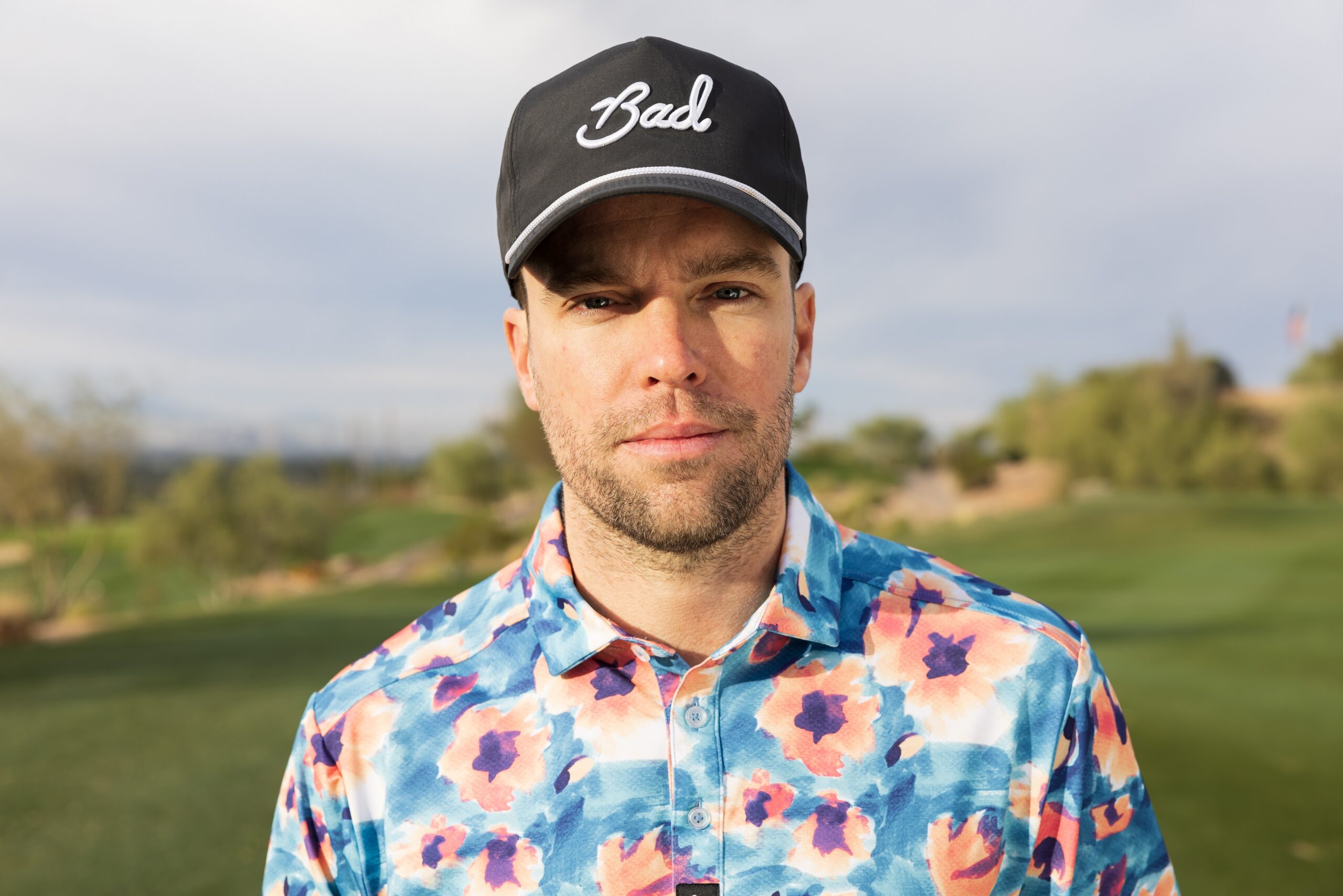


I recently went one-on-one with Elley Cheng, former President of Pantone.
Adam: Thanks again for taking the time to share your advice. First things first, though, I am sure readers would love to learn more about you. How did you get here? What experiences, failures, setbacks, or challenges have been most instrumental to your growth?
Elley: I’ve always thought of myself as an “accidental leader” because I didn’t grow up with a grand plan to be at the top. Instead, I just followed my curiosity, even if it meant bold moves or setbacks that became opportunities to pivot. Instead of trying to fit a mold, I embraced the fact that there wasn’t one for me. That gave me the mental freedom to chart my own path, see detours as part of the journey, and go after unlikely wins.
Growing up in Hong Kong in a mixed-race family, which was rare at the time, I didn’t think much about being different until moments like when a family friend told me I’d probably have “better marriage prospects” in America because of my looks. That was the first time I realized other people saw me as different. From there, “being different” became a recurring theme, and I grew to embrace my differences and pursue what I wanted, regardless. I went on to be one of a handful of women studying mechanical engineering at the time at UC Berkeley and later making the climb in corporate America as a petite woman of color, from investment banking to tech.
When it comes to setbacks, without a script to follow, I didn’t let the disappointment of “not living up to expectations” bother me. Early in my career, I remember losing a job and feeling sad and embarrassed about it. Then I realized no one was judging me except for myself. So after some networking and exploration, I thought about the skills that I felt were missing (which were mainly finance) and enrolled in business school to learn. One thing led to another, and my career was unexpectedly relaunched. Since that experience, whenever I faced a bump in the road, I just moved on to try the next door because often they lead to somewhere better.
Not fitting a mold also made it easier for me to make career moves that others didn’t understand. When I left banking to join Adobe, I was told I was making a poor choice, both in leaving finance and in choosing a company that was then struggling with Wall Street’s skepticism. Adobe was shifting from packaged software to SaaS. At the time, it was a move few outside the company appreciated. But I admired the willingness to take big, calculated risks, and I wanted to learn about the transformation from the inside. I ignored the critics and let myself be curious, exploring. The company grew rapidly, and that decision launched the next phase of my career and set me up on the leadership path.
Adam: In your experience, what are the key steps to growing and scaling your business?
Elley: To scale sustainably, you need to scale trust and relevance.
Often, companies start by sizing a market, defining a target segment, and tailoring everything from product features, sales materials, and marketing plan toward that narrow audience. That brute-force approach can work for a quick burst, but then it gets expensive and inefficient. After the low-hanging fruit, the cost of acquisition skyrockets because you’re trying to push harder and higher up the funnel.
Instead, I encourage companies to take a long view of their ecosystem and think about influencing the influencers. Don’t target just the person signing the contract, but everyone who shapes demand: customers’ customers, end users, channel partners, and even aspirational audiences. If you can create pull in the ecosystem, you scale faster without just throwing money at the problem.
To make that happen, two things matter most:
First, scale trust by being crystal clear about what your brand stands for and why it exists. If you can’t articulate the “why” beyond profit, your influence will be limited. When I was at Pantone, the company wanted to scale by extending relevance to consumers and new industries. To do that, the company leaned into its authority on color and scaled trust by reinforcing its role as a cultural touchstone. The annual event, Pantone Color of the Year, was a way to engage industries, from fashion to tech, and consumers, by sparking conversations around color and emotional connections. That influence broadened Pantone’s relevance far beyond its original niche of professional color specification.
Second, scale relevance by meeting customers where they are. This means in their workflows, networks, and conversations. During my tenure at Adobe, the company scaled rapidly since its business model shift (the stock was trading at about 1/10th of the price now). The company supported its change by being fully integrated into every step of the creative ecosystem – from inspiration to creation to marketing, Adobe extended its solutions and brands to every step of the way. That’s what scaling relevance looks like: being present where the need for your product actually happens.
Trust and relevance create the kind of influence that makes scaling sustainable. Because when people believe in your purpose and experience your value in their day-to-day lives, you’re building an ecosystem that grows with you.
Adam: What do you believe are the defining qualities of an effective leader?
Elley: I think every leader of a large organization, at some point, reminisces about how simple it was to lead a small, tight-knit team, when everyone was on the same wavelength and decisions were quick. But that kind of team doesn’t scale. Leading at scale means guiding an organization through constant change – cultural, technological, environmental – while working with the same limited resources: your time and energy.
The qualities that I find most important are: authenticity, openness, trust, and resilience. These qualities are survival skills for leadership today because they help your organization grow through change instead of resisting it.
Authenticity is the base of everything. Leadership is hard enough without wasting energy pretending to be someone else. I’ve found that when I lead in a way that’s true to my own voice, it gives others permission to do the same. People can tell when you’re genuine, and that sense of ease creates a stronger culture.
Openness is about listening (I mean, really listening) to employees, customers, stakeholders, and even critics. Leaders who can’t absorb perspectives beyond their own risk filling in the blanks with assumptions and biases. And that’s when opportunities get missed or risks get overlooked.
Trust comes from accountability and transparency. Teams don’t always have to agree with every decision, but they do need to understand how decisions are made. When people see that choices are based on clear principles and data rather than whims or biases, it builds alignment and credibility. And if a decision turns out to be wrong, you own it. That’s how trust deepens over time.
Finally, resilience. Leaders don’t get called in for the easy stuff. If it’s on your desk, it’s usually an exception — something with no playbook, where the stakes are high and the outcome is uncertain. Sometimes things don’t work out. But by showing your ability to learn, adapt, and act — that’s what keeps a team steady when things get tough.
Adam: How can leaders and aspiring leaders take their leadership skills to the next level?
Elley: Stay curious and practice intentional listening. It sounds simple, but it’s one of the hardest habits to build — and one of the most transformative.
Curiosity drives growth because it pushes you beyond the obvious. Intentional listening is about more than just hearing words; it’s about paying attention to what’s said and what isn’t. It means asking “why” to understand motivations, not just surface-level positions. When you do this well, you start to see farther down the curve, where challenges and opportunities are forming before they’re visible to everyone else.
Early in my career, I believed the fastest way to grow was to follow successful leaders closely, almost blindly. They had the big titles, the track record — surely they knew best. And while there’s value in learning from those ahead of you, I realized that mimicking someone else’s style wasn’t authentic to me. Worse, I sometimes knew facts about a situation that those leaders didn’t, and I watched decisions being made that I knew were wrong. That experience taught me that no one has a monopoly on insight.
The lesson for me was this: seek learning from as many different sources as possible. From peers, from customers, from people levels down in the organization. Even from people who are silent or disagree (or both). Then synthesize that input through your own values and judgment. That’s how you make decisions that are both informed and authentic — decisions that truly move the business forward and shape your own growth as a leader.
Adam: What are your three best tips applicable to entrepreneurs, executives, and civic leaders?
Elley: First, make time to see and hear things for yourself. Reports and dashboards are helpful, but they never tell the whole story. Numbers show the past and present, but they can’t always capture nuance or what’s about to change. Trust your team, yes, but also trust your instincts. If something doesn’t feel right, ask questions and dig deeper. And expect the same of your leaders: get out of the conference room, talk to team members, customers, and end users directly.
Second, I love looking for opportunities in incongruity. I learned this early in my consulting career. My job was to get up to speed fast, so I talked to everyone, and I noticed when stories, data, and conclusions didn’t quite line up. Those disconnects more often than not reveal the real insights. In management, they can reveal HR risks. In business, they can point to untapped markets. When things don’t “hang together,” don’t get frustrated. Get curious.
Finally, don’t scale alone. Whether it’s your business or your influence, you need others to amplify you. Early in my career, having sponsors, like mentors, peers, or clients, who spoke well of me when I wasn’t in the room, accelerated my trajectory. Today, as a leader, I rely on strong thought partners who will challenge me, not just accept and agree. Cherish the people who care enough to help make your ideas and decisions better.
Adam: What is your best advice on building, leading, and managing teams?
Elley: Start with a “social contract.” One of the best ways to prevent burnout, for both leaders and teams, is to start by building alignment as humans. With my senior leadership team, we do this through a “social contract” exercise. It’s a conversation where we ask:
- What do you expect from me?
- When should I jump in? And when do you call for help?
- What’s something I could do that would annoy you?
And vice versa. By talking through these “rules of engagement,” we surface working styles, quirks, and expectations that often go unspoken. Equally important, it creates clarity on ownership – who owns what, and when. That clarity scales when my leaders do the same with their teams. It helps prevent burnout from leaders being pulled into details they shouldn’t own.
This isn’t a substitute for a RACI chart – it’s about setting the tone for trust and accountability. When people know what’s expected of them and what they can expect from others, teams move faster, avoid friction, and stay energized.
Adam: What are your best tips on the topics of sales, marketing, and branding?
Elley: Influence the influencer. Your most powerful advocates aren’t always your customers; they’re the voices your customers trust – like their customers, communities, thought leaders, or internal champions who hold sway over decisions. Think about how you can be a part of the ecosystem that is important to your client or customers, and start building a presence there because trust spreads through networks. When your brand is seen as a trusted partner by those who influence the conversation, you build credibility at scale. And credibility, more than any ad campaign, is what sustains long-term brand equity.
Adam: What is the single best piece of advice you have ever received?
Elley: A mentor gave me this: “When something happens, don’t ask, ‘Why did this happen to me?’ Ask, ‘Why did this happen for me?’”
That small shift in language completely reframes how I process challenges. The reality is, no matter where you are in life, something will go wrong — losses, setbacks, and things not going your way. It’s easy to get stuck in negative emotions, like fear, frustration, or anger. I’ve done that before, and it never gets you anywhere.
But when I stop and ask, What is this here to teach me? The situation becomes less about loss and more about growth. Sometimes the lesson is resilience. Sometimes it’s a pivot that opens up opportunities you never expected. Other times, it’s simply a wake-up call to appreciate what (or who) you have or had.
While we can’t always control what happens, we can control the meaning we take from it. And that makes a real difference in what we do next.
Adam: Is there anything else you would like to share?
Elley: Growing up, my grandmother always told me, “Never be afraid of hard work.” At the time, I thought she meant just put in the hours. But as I got older, I realized what she really meant was don’t be afraid of the kind of work that pushes you out of your comfort zone — the uncharted paths where you have to observe, learn, adapt, and take action.
Hard work isn’t just about output; it’s about courage. The courage to ignore what’s normal and expected. The courage to approach problems and opportunities differently. The courage to seek out perspectives different from your own — and just as importantly, the courage to voice them.
Good leaders never stop learning, even if it means being uncomfortable. And if you’re someone who hesitates to cause discomfort for others, remember that the best leaders are the ones who will appreciate your help in making them better.
Thanks, Adam, for having me for the interview. It was a pleasure speaking with you.