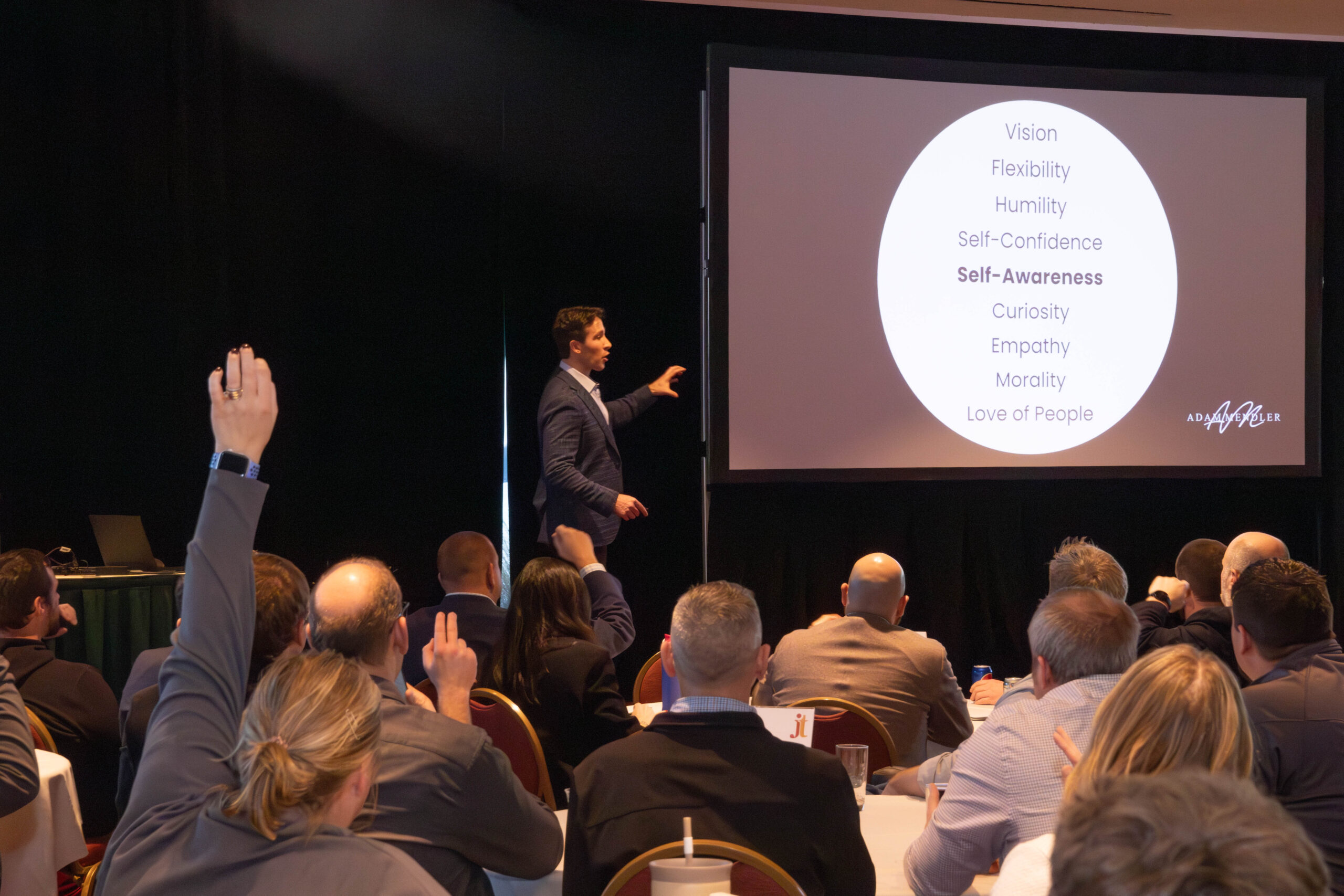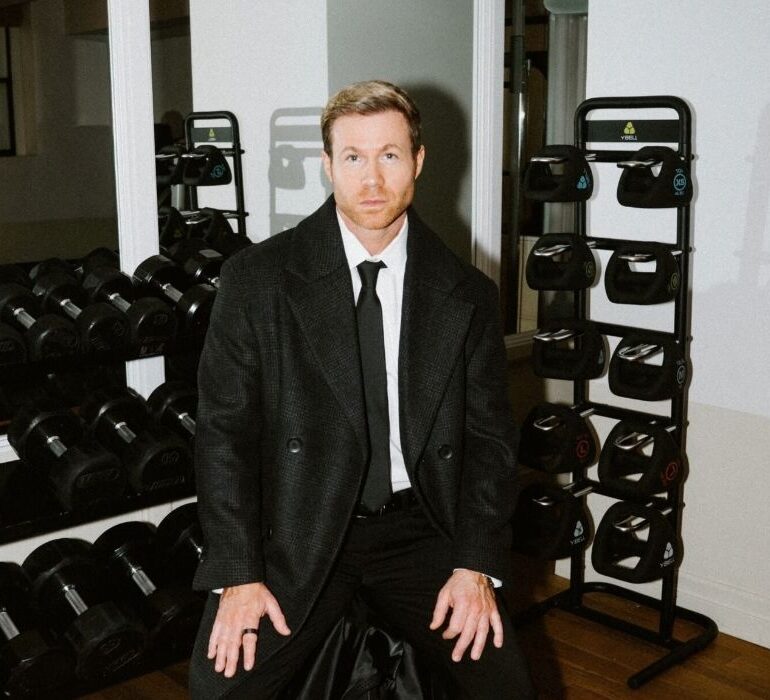

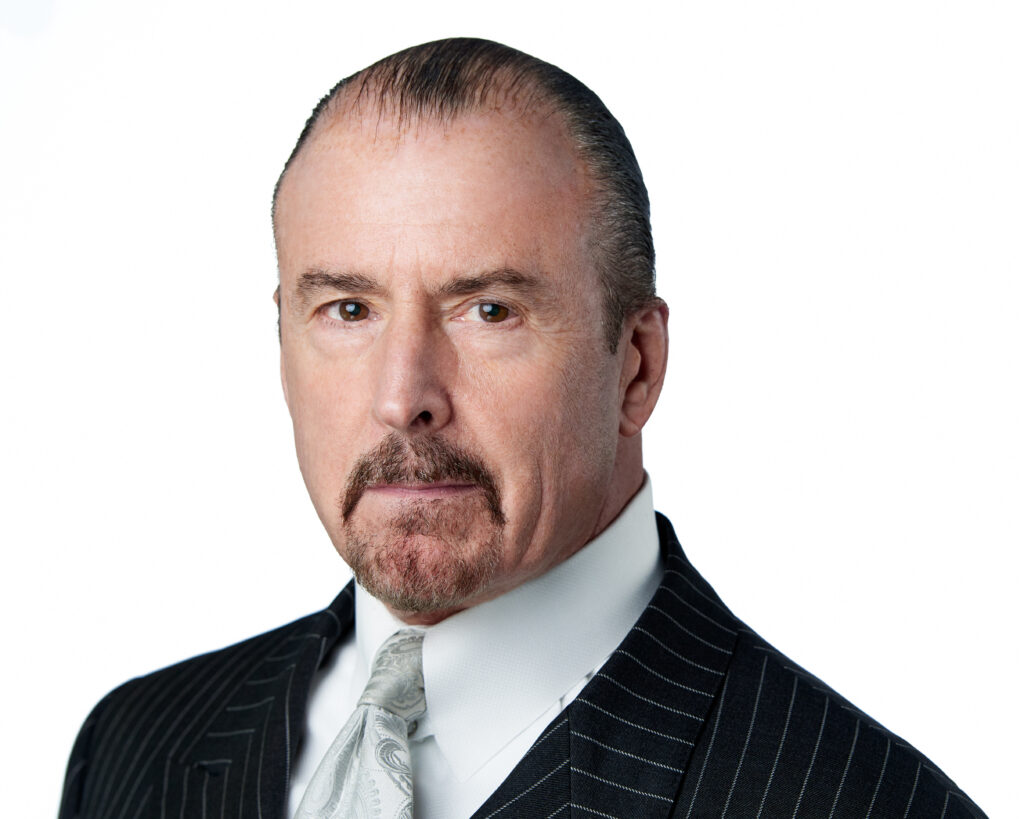
I recently went one-on-one with Frank Tirelli, former CEO of Herbalife and Deloitte Italy.
Adam: How and why did you break into the field of accounting?
Frank: You know, Adam, it’s a really interesting story. I got my undergraduate degree in accounting, and when I was going to school, it wasn’t the Big Four; it was the Big Eight. And I want to be really clear about this. I majored in accounting. I did not know what a Big Eight firm was. The reason I majored in accounting, I always thought I was going to go into business. I really thought I was going to go into the restaurant business. And I always thought that management, marketing, and leadership were gifts that you were blessed with, and maybe you can make them better by going to school, but either you had them or you didn’t. But I know no one was blessed with the gift of accounting. So I said if I’m going to study something, I’m going to study accounting so that when I’m a business person, and I’m interfacing with the accountants and the tax people, I’ll understand what they’re saying.
Went on to get my MBA and started my career, quite frankly, in the restaurant business. I worked it’s a defunct steakhouse chain that was called Valley Steakhouse, was one of the largest chains of steakhouses on the East Coast. It’s about 25 of them. And then I had an accident. I had to have some shoulder surgery, and back then, they didn’t have arthroscopic surgery, so I had full surgery, and I had to have my shoulder immobile. So I, a very active guy, decided I’m going to study for the CPA exam. So I studied for the CPA exam, passed the exam, interviewed with four of the Big Eight firms, and decided I was going to start with what was then Deloitte Haskins and Sells. I was going to stay there two years, get my certification, and leave. Here we are 46 years later, and I made a career out of professional services.
Adam: How did that CPA exam change things for you?
Frank: You know, I had been out of school for two years before I took the exam. And what I did is I took a review course, anyone who’s a CPA is familiar with the review courses, and I passed the exam the first time I took it. Not because I’m particularly intelligent or talented, but because I really applied myself. And what I realized is that when you really focus on something, focus is one of my five attributes to success; most of the time, you’re going to accomplish it. But focus, when I talk about focus, I mean razor-sharp focus like a laser. Nothing interferes with it.
Started my career and got a lot of responsibility early with Deloitte Haskins and Sells. Got to partner quickly, and I loved what I was doing, because it’s a really simple business. It’s not an easy business, but it’s a simple business. Every single day you go into the office, or you go into a client’s office, there are only two things you have to be focused on. And I tell everybody this: if you go in and you’re working and you’re not focused on one of these two things, you have to question what you’re doing. One, what am I going to do today to help make every single person I work for more successful, and what am I going to do today to bring more value to my clients than anybody else in the universe? And when I use that term universe, some people figuratively roll their eyes, some people literally roll their eyes. But I mean that. I want my client coming to me with any problem they have, because I know if they come to me with any problem, they’ll come to me with their financial problems.
Adam: Frank, I love that framework, and it’s such a simple and clear framework, but it’s such a powerful framework, and it’s a framework that everyone should apply, whether you’re in accounting, whether you’re in professional services, or really in any business. Number one, what am I going to do today to become more successful? And number two, what am I going to do to help the people who I serve become more successful? And you defined it as my clients. And in client service businesses, in a client service business like accounting or law, it’s clear, you have clients, this is clear. In what I do, I have clients. I get hired as a keynote speaker; it’s clear. But regardless of the business you’re in, you have clients who you serve, and you have other stakeholders who you serve. You have your employees who you serve. You have your shareholders who you serve. And it’s waking up every day with that service-oriented mindset. Number one, what am I going to do to become more successful, and number two, what am I going to do to help the people who I lead, who I influence, who I impact become more successful. I love that.
Frank: Yeah. It is the two tenets that I live by. And you made a very astute observation. I would proffer that those two tenets apply to every single business, whether you’re a manufacturing business, you’re a dental office, you’re a keynote speaker. What am I going to do every single day to help make the people I work for more successful? Now, you noticed I said the people I work for. A cynic might say, Frank, you’re the CEO, you didn’t work for those people, all those people worked for you. And my answer is no, my mindset always was I worked for those people. And that is not a politically correct platitude. I truly felt that way, and I truly feel that way now. As a CEO, it is very difficult for you to go get another position as a CEO, I know that. But your people have a ton of choices, as do your clients. I really wanted to bring as much value that my firm had for a client, to make sure that client knew about it, because if they weren’t going to go to me, they were eventually going to go to one of my competitors. And that applies to almost every single business I can think of.
Adam: Frank, what you’re really sharing is the basis for servant leadership, which is that as a leader, my mindset is that I’m going to show up every day trying to help the people who I lead – my job is to serve others, people aren’t here to serve me. Yes, I might be at the top of the chain of command, but all that means is that anyone technically below me in the chain of command; it doesn’t matter that they’re below me. All it means is that my job is to help them get better. My job is to serve them.
Frank: Yeah, well said. And it applies to everyone that is in a profit and loss firm that you’re in charge of, whether it’s the very top of the organization, the people who work in the mailroom, or it’s the very bottom of the organization, the people who work in the penthouse. That’s how I look at it. The top is the folks who work in your postal office, and the bottom are the people who work in the penthouse.
Adam: And that’s what great leadership is all about.
Frank: I agree with that. Yeah, there’s no question. It’s not only people who say the right thing, it’s people who do the right thing when the right thing may cost you more than you want.
Adam: I would love to dive into that. Do you have an example where that has manifested itself?
Frank: Sure. I always speak with a lot of folks who are experienced, not new people coming into our business, and they’re always trying to solicit from me what they have to do to be successful. And as I tell them, success has many different definitions. Your firm can have a definition of success. Your parents may have a definition of success. Your children may have a definition of success. Your pastor, your rabbi, may have a definition of success. The only definition of success that’s important is your definition. Now, I’m not telling you if you’re married, you shouldn’t talk to your spouse, you should. And I’m not saying you shouldn’t talk to your parents or your pastor or your rabbi. It’s good to get input. But at the end of the day, you’re the one that has to make the decision. This is my definition of success, and in that definition of success, there is a slice for my career. I want my career to be important, but there are other aspects of my life that I also want to be successful.
So now that you know what you truly define as success, you have to go out and find the firm, the company, that matches that. And there is nothing more critical to your success, as you define it, than the culture of the firm that you work for. And cultures are different. Cultures aren’t better or worse. Let’s, for a moment, eliminate the toxic cultures. There are toxic cultures; eliminate those. Cultures are different, and you have to find the culture that is absolutely right for you, because that’s going to be the biggest determining factor in your success.
Adam: Frank, I love this topic, and something that I share all the time is very much in line with what you shared. Every single one of us can and will have a different definition of success. What is yours? Is it to be the wealthiest person? Is it to be the happiest person? Is it to be the best spouse, the best son, the best friend, the best neighbor, whatever it is, the most important thing is that you have a definition of success. Because if you have a definition of success, you’re going to be exponentially more likely to get there. And your definition of success doesn’t need to be the same definition of success as mine. Something that you and I were chatting about when we were catching up, which I love, you were mentioning to me that when you were working in the field of accounting coming up, you observed that, and I don’t want to put words in your mouth, I would love for you to share this with our audience today, you observed that there were two kinds of people on two kinds of tracks who could be very successful based on their different definitions of success. Can you share that with the audience?
Frank: If you work for a firm, and if you work for a big firm, and it’s going to be a little cynical, but look through the cynicism because there’s a real point I’ll be making, if you look at some of these bigger firms, they have chief people officers, chief purpose officers, chief talent officers, and chief human resource officers. How many of those folks, or the folks that they manage, have ever gone out and asked you as an individual, what’s your definition of success? Because we want to make you successful.
Now, you can have at one end of the spectrum someone who will say, Adam, I want to be a partner here. I want to be a senior partner here. I want to get there as quickly as possible. That’s my goal. That’s my definition of success. And you may have someone else who says, Adam, I do want to be a partner here, but I want to spend four hours a week coaching my daughter’s soccer team. I want to spend two hours a week mentoring my son’s debating team. Can we put a structure together that will allow me to become successful? Now, I understand if my life’s not devoted to the firm, it may take me a little longer, but I still want to be successful here. I love working here. It’s just that my life is not the firm.
So you’ve got both ends of the spectrum. And the firm you work for should be able to put together a structure that gets you to success. And if they can’t, you’re working for the wrong firm, and you’ve got to find the firm that’s willing to do that. Now every firm is going to tell you the right thing. Again, cynically pointed out, if you work for a big firm, you have that chief purpose officer, chief people officer, chief human resource officer, chief talent officer, and they go around the globe making presentations. And behind them on the stage, you always see “we at [fill in the blank] put people first.” Everybody tells you that. But you really have to get behind those slogans. And firms are good with slogans. “We at such and such a firm hire nothing but the best and the brightest.” Every single professional firm in the world is going to tell you that. Are there that many best and brightest people in the world? Of course not. They’re lying. And you have to look through that. You really have to do your due diligence. Most people look for the answer they want. Oh yeah, they’re really going to take care of me. No. You know what your definition of success is. Now you have to have a firm that’s willing to work with you to meet that definition of success. And they’re out there.
Adam: Frank, don’t even get me started on The Best and the Brightest, because that is my favorite book of all time, and David Halberstam is my favorite author. We could spend the next hour just on The Best and the Brightest and how misunderstood that phrase is. But something that you shared, another phrase that is so misunderstood and so often misused, and is a slogan that is so often empty and hollow: putting people first. How, as a leader, can you genuinely put people first?
Frank: From my perspective, there are certain times you have to sacrifice yourself for your people. And almost no leader is willing to do that. Every so often, doesn’t happen much, but every so often, there comes a point in time when a leader has to drive a stake into the ground.
Let me give you an example. If you look at most of the professional services firms, whether they be law firms, wealth management firms, accounting firms, they measure their financial success by profit per partner. “We at [favorite accounting firm] do a million and a half per partner.” “We at such and such a firm do 1.6 million per partner, we’re more successful than you.” So the whole gauge they judge themselves by is profit per partner. Once you see that profit per partner decreases significantly, and I call that a 10–15% decrease, that’s when all the “we put people first” goes out the window.
Because what do they do? They start cutting people. You hear: “Yes, we’re making a very significant investment in technology. Today, the phrase would be we’re making a very significant investment in generative AI. It’s going to help bring value to our clients, going to help bring even more value to our people, who we put first. But in order to do that, we have to get rid of 15% of our workforce.” So they fire 15% of the workforce.
Now, what happened to “hey, we put people first”? But even from a business perspective, I’m going to tell you exactly what’s going to happen. You’re going to get rid of 15% of your people. You’re going to spend a lot of money in giving severance to get rid of those people. You’re going to destroy whatever morale you’ve built up over the last 10-15 years, telling people that we at this firm put people first. And then two years from now, you’re going to have to hire back that whole 15% workforce, spend even more money training those folks. It ends up costing firms two to three times more than if they had just retained those 15%.
And they could have told people, look, every other firm is getting rid of people, but we at Mendler and Tirelli are keeping our people. Yeah, we’re going to have excess people. We’re going to have excess people. See how I put you first? That’s the investment we’re making. I’ve seen leaders do that, but less than one-half of 1%.
Adam: You bring up something really powerful, and it brings me back to an interview that I did with Hubert Joly, the former CEO of Best Buy, one of the greatest leaders of our day. And something that he shared with me is very similar to what you just shared. He said that when companies are in crisis, the first thing that leaders do is figure out what they can cut, where they can save money. And the first place they go is people, and they start laying people off. And he said great leaders do the opposite. They don’t view people as numbers. They don’t view people as expenses that are expendable, but as resources that are invaluable. And it’s that mindset that allows you to not only weather difficult times, but excel regardless of the climate that you’re in.
Frank: Yeah, I could not put that any better. But I do want to give you an example of what happens almost all the time. You have leaders of these firms, and they’re under a lot of pressure because they have to have profitability at the right level. In my example, it was profit per partner. And so what they will say, in order for us to get our profitability right-sized, we really have to get rid of 15% of the headcount.
Now, I would say okay, you may be right, but here’s where I would start. If I was starting to make headcount adjustments, let me see my chief purpose officer, my chief people officer, my chief talent officer, my chief HR officer, all of whom are probably making in excess of $2 million a year. What are those folks doing? They’re going around the world making presentations. What value are those people bringing to me?
The other issue is they will make a blanket statement, and they will tell every leader of their business groups, “You have to get rid of 15% of your headcount.” So if you’re the next level down or two levels down, your career is important to you. You don’t get to that level unless your career is a priority. Well, if I don’t do this, my CEO is going to be upset. So if I’m the CEO and you’re running a business for me, and I tell you, Adam, you’ve got to cut 15% of your headcount, then you come back and say, Frank, I’m not going to do that. It’s going to cause too much trouble. Do you know how much money, how much time I’ve invested in building the culture of this business? I’m going to destroy it by getting rid of 15%. Let me retain the 15%. Let me keep my culture intact.
Now, what if I go to my people and say, look, everybody else is cutting 15%, we’re not going to do that. Our culture is that important. How loyal do you think those people are going to be? That’s a differentiator, and most people won’t do that.
I’ll give you another example. I was running the Connecticut tax practice when Deloitte Haskins and Sells and Touche Ross merged. And right after the merger, this happens whenever you have a merger of large professional services firms; the business tanked. And we had another one of those 15 to 20% headcount adjustments, and everyone was getting rid of 15 to 20% of their people.
I loved – loved, that’s not an exaggeration – I loved those people I worked with in Connecticut. We had the most profitable tax practice in the firm and one of the largest tax practices in the firm. Think about that in Connecticut. One of the most profitable and largest tax practices in the firm. And I loved all those people. Loved them. I called them into our conference room and said, hey guys, here’s what’s going on in the firm. The firm’s not doing well financially. We just had a merger. Whenever you have a merger, you have two of everything. The overhead is expensive. You start losing clients because you have independence issues. Every other department in our firm is getting rid of 15 to 20%.
So I’m going to give you a choice. You guys tell me now. You know me. You know I have no trouble making decisions. I’m a pretty strong individual. But I’m going to have you give me a say. Here’s what I can do. I can get rid of 15 to 20% of you, or I’m willing to keep every single person in this room employed here, but some of you may have to do the same work that you did last year. What’s the choice? What do you think they told me?
And we kept all our people. We kept them all. We didn’t get rid of anyone. Every other office, every other tax practice, every other audit practice, every other consulting practice got rid of 15 to 20% of their people. We did not. And we built a culture there that was second to none. Still one of my favorite places to work of all the things that I’ve done.
Adam: That’s culture.
Frank: That’s culture. You got it. That’s culture. And if you’re not willing to do something like that, then all you’re doing is giving lip service to the word culture.
Adam: How can leaders build winning cultures?
Frank: It takes a real sacrifice on the part of leaders to do that. It’s easy to build, ostensibly, a strong culture in good times. It’s easy. It’s when times get difficult that real leaders stand up and build that culture. We do not accept a certain type of behavior in this organization. We won’t accept it. You go somewhere else, they’ll accept it. We won’t. And sometimes that costs us money, and we’re willing to make that sacrifice. Sometimes it’s going to cost us negative publicity because the country is so polarized, but we’re going to take a position. This is our position, and we’re going to stick to it. And if we believe that there is a social initiative that’s critically important, we’re going to keep that initiative regardless of the political winds. And that’s tough to do, because maybe you sacrifice a little business.
Adam: Frank, something you mentioned right as we started diving in. We talked about the importance of everyone having their own definition of success, but you shared that you have five. You said that you had five attributes of success, and these are five attributes of success that are universal, that regardless of your definition of success, anyone and everyone can and should adopt. And you spoke a little bit about one of them, which was focus. Can you share what those five are and how anyone can and should apply them in their lives and in their careers?
Frank: I truly believe that you only need five attributes to be successful. But before I give you the five, I’m going to give you the two you don’t need. And the two attributes you don’t need are intellect and talent. And I mean that. Now don’t misunderstand what I’m saying. Intellect and talent are nice, but even if you don’t have them, or don’t have them at an elite level, it doesn’t make any difference. Eighty percent, eight zero, of the population has the requisite level of intellect and talent to be successful in anything. Successful, not great. Great, you need certain gifts. Success? Absolutely. And I’m going to give them to you.
Attribute number one: You have to love what you’re doing. Some people call that passion. Some people call it purpose. I’m a baby boomer. Purpose doesn’t necessarily resonate with me. But this is how I want you to feel. I want you to think back to a time when the next day you had a Little League game, maybe you were going to have dinner with someone who was important, maybe you were going to be coaching your daughter’s soccer team. Something that you were so excited about that you had trouble sleeping the night before. That’s passion. That’s love. I want you to feel that.
Two, you need a plan. And for almost everyone, that plan has to be written. I mentioned earlier, you need a definition of success. Well, if you give me that definition of success, we can put a plan together. Now, it’s not a life plan. It’s two to three pages. Look, this is my definition of success. These are the steps I have to take. And it’s an iterative process. What you’re doing a year out is much different than what you’re doing tomorrow. And guess what? Maybe in three or four years, your definition of success changes. Maybe you get married, you have a couple of children. Is your definition of success going to change based on when you first got out of school? Maybe. I hope so. But it might. But that plan always has to be there, and that’s the plan that guides you. If you think about the greatest coaches on the university level, they put plans together for everybody. If you play basketball for Geno Auriemma at UConn, he’s going to have you waking up at six in the morning and have a protein shake, you’re going to be in the gym, you’re going to do drills. He’s got a plan for the next year. You’ve got to put a plan like that together for yourself.
Three, you’ve got to be focused. When I say focus, I mean laser-like focus. Let’s say you wanted to be the greatest human resource executive in your firm, the best. And I work for you, and I have a problem, and I come to you and say, Adam, I’ve got a problem, do you have some time for me? Now, remember, you want to be the greatest human resource executive at your firm. And you say, Frank, of course I’ve got time for you, come to my office at three o’clock. When I come to your office at three o’clock, you’re not checking text messages. As a matter of fact, your phone is off. You’re not checking emails. As a matter of fact, your computer is off. You don’t have a to-do list. As a matter of fact, your desk is empty. Because for the next 30 minutes, there is nothing, Adam, nothing more important in your life than my problem. Nothing for the next 30 minutes, regardless of how trivial my problem is. And you know me, my problem is going to be trivial. But it’s not trivial to me. That’s focus.
Four is discipline. Now, discipline and passion are inversely related. If you need discipline to do an activity, you’re not passionate about it. You know what you need discipline for? For an activity that you love so much, you need discipline to do less, not more. Let’s say you’re a runner. You love to run. Get up at five in the morning, and you run six miles. Lunchtime, you run another six miles. Remember, you love to run. Dinner time, you run another six miles. What’s going to happen to your body? It’s going to break down. You need time to recuperate. You have to discipline yourself to do less. And guess what? That absurd example that I just gave you in the physical realm applies to relationships, relationships of all types. Relationships with your spouse, relationships with your people at work. Twenty-four-seven doesn’t work. You need time to recuperate. Recuperate mentally, recuperate physically, emotionally. You need time. People will call it “recharge my batteries.” I don’t care what you call it. You can’t be doing things twenty-four-seven. You just can’t be doing it.
Fifth, and perhaps most importantly, and I’m going to use a phrase in Italian, but the fifth attribute is the ability to overcome adversity. And in Italian, it sounds much better. It’s called “shit happens.” Don’t have your listeners saying, oh well, he cursed. He did. That truly is an Italian term, by the way. It means the same in Italian as it does in English. But it’s true. Things happen. Covid 19. Your spouse leaves you. You are an absolute superstar at work, and you get fired. Your adult children stop speaking to you. There are things in your life that you’re not going to be able to control, and they’re going to knock you flat on your back, and you’re going to want to quit. And you know what? There’s nothing wrong with quitting. Maybe it’s the right answer. I’ve had it, okay. This is not important enough in my life. I just don’t want to do it anymore. And that’s okay if you want to quit. But sometimes, sometimes, get up, dust yourself off, take a couple steps to the left, and continue on your path. And two minutes later, you’ve reached the beach. Your success.
Love. Plan, preferably written. Focus. Discipline. And the ability to overcome adversity.
Adam: I love it. And I love the way that you broke down each of them. Number one, love what you do. I have a list that is a little bit shorter than yours, but it’s a list that I share with audiences that I speak to, which is I tell people that if you want to be successful in life, you want to check three boxes. Number one, you have to do something that you love. Number two, you have to do something that you’re great at. Number three, you have to do something that allows you to make a positive impact in the lives of others. And I love what you shared about when you wake up first thing in the morning. I think about it a little bit differently, but how you framed it is amazing. When you have a hard time sleeping at night because you’re so excited. That’s how I am.
Frank: It comes through. I know that. It comes through. And people can see that. If you go out and you tell people, “I really love to do it,” and you don’t, they can see that. You can’t fool people. I love your three, by the way. I may incorporate them with attribution.
Adam: I appreciate that. But I’ve got to tell you, I very rarely get a good night’s sleep before giving keynotes. And it’s not because I’m nervous, worried. On the contrary, it’s because I’m excited, fired up. I’m antsy. I’m amped up. On a typical night, if I’m at home and I’m just on my bed, I have zero problem falling asleep, passing out. It’s easy for me. It’s great. But before a keynote, I’m just excited. It’s like, let’s go. Let’s make this happen. I’m just so fired up.
Frank: I love that you said that. I do a lot of keynote speaking also, and I’m really the same. As a matter of fact, the night before, I want to see the room. Because when I do my keynotes, I don’t do them from a stage. I do them walking around with a lavalier mic, because that makes the audience know they’re accountable now. When I’m up on that stage, sometimes you have to do that, as you know, because the venue wants you to do it. They can check emails, and they can check texts. But when you’re walking around, and you’re looking at everyone, I mean, they’re really paying attention.
And I want to make sure that room – I’ve reconfigured rooms the night before because they did not fit the way that I wanted to make that presentation. And I still do. I still get unbelievably excited every time I’m going to do a keynote. I love doing them. I love it. You love it too. It totally comes through.
Adam: And like you, when I do a keynote, I get there early the day before to do a sound check, just to make sure everything is smooth, there are no issues. But like you, it’s walking the room. We were talking offline about baseball and the greats. They love walking the field, walking the stadium, the smell of the grass. I’m a huge baseball fan. You’re a big baseball fan. You go to the stadium, you talked about things you’re passionate about, and it’s not just the game. It’s the cut of the grass. It’s the noise off the bat. It’s all the little things that make you light up. And when you are trying to figure out what you want to do, it’s critical that you do something that lights you up.
Frank: And I’m going to add one more to it. And you said it, I’m going to say it a little differently. It is the process. You love the process. I love doing the keynote, but I also love the process. I check out who’s in the audience. I give a lot of examples. I may pick on one guy that I’ve done a background check on before. Depending on the size of the audience, I try to do a little something on a lot of the people ahead of time so that I know, okay, he went to USC, he went to UCLA, so that I can make a wise ass comment, for lack of a better term.
And there have been times I have given keynotes when I haven’t been the keynote speaker because the keynote speaker had the audacity to fly up the day of the presentation and had flight problems. If you’re doing a keynote, and this is just for me, you get in the day before. I don’t care whether they’re paying you or not. You get in the day before. Maybe even two days before. And if it’s a longer conference, you get in maybe three days before. And you interface with everyone there, so they know you’re the keynote. So there’s absolutely no problem.
Adam: You mentioned the importance of overcoming adversity. Is there a moment in your career that crystallizes this takeaway for you, a moment that you had to overcome, that defined you as a leader?
Frank: You know, when I look back on my career, people always ask you, “Well, if you could have done something differently, what would you have done?” And it’s a really good question. And I always answer it as honestly as I can, and the answer is I wouldn’t have done anything differently. Now, let’s eliminate the absurd. I should have bought Microsoft, you know, but from a career perspective, the reason I say no is because if I made a mistake in the past, and I’ve made mistakes in the past, and I say, okay, I would have changed that, you don’t know what would have happened afterwards. Sometimes that mistake defines who you are on a prospective basis, and you make adjustments for it. Nothing wrong with making mistakes, just try not to make the same mistake twice, and try to learn from that mistake.
But for me, the biggest lesson that I ever learned was I left Deloitte in 2000 after 22 years, went to work for a client of mine, Herbalife International. The founder of Herbalife, founder, CEO, chairman, Mark Hughes, died very suddenly in 2000. And I loved that company, and I still do. And would have loved to have finished my career there, but for a number of reasons, didn’t. We ended up selling to a private equity firm, and then I didn’t know what I was going to do after we made the sale. And Deloitte calls me back and says, “Hey, we’ve got a problem in Italy. Would you go out there and look at it first?” So I go there, came back, told them what the problem was. They said, “Well, can you solve it?” Now, I said, wait a second. You just asked me to identify it. Now you’re asking me to solve it? Yeah. So I decided, yes, I was going to solve it.
And the issues were we had too many people, too much real estate. But what you have to understand is Italy has a different culture than the United States. In the US, it is not as difficult to get rid of people. We had about 6000 people, and we needed 4000. Now, getting rid of 2000 people… now, I just gave a whole lecture for the last 45 minutes about how you can’t get rid of people. But if the business is going to go under, you’ve got to do something. And I had a long conversation with the leaders of our Italian practice. And in a lot of the European countries, they never get rid of people. Never. In their 25–30 year careers, they’ve never had to fire anybody. And so we had to put a structure together.
And the structure I ended up putting together is I communicated. I went to every office – Rome, Milan, Genoa, Naples – I went to every office and explained to everyone, from the most senior partners to the people who worked in the mailroom, that this was the problem we’re having, and this is what we’re going to do. And that was difficult for me. Very difficult.
Adam: What did you learn from that experience?
Frank: You’ve got to be a straight shooter. At least, I was being too presumptuous there, I have to be a straight shooter, because that fits my personality. If I try not to be a straight shooter, people will see through it, because I’m just not that type of person. I tell people I am introverted, taciturn, and a loner. Three terrible attributes for leadership, by the way.
Adam: I don’t know. Actually, interestingly enough, I’ve interviewed in the past year three different generals who are self-described introverts. There’s a big misconception that you need to be an extrovert to be a successful leader. I can tell you that’s anything but the truth.
Frank: And you have to realize that the definition of introvert is not that you can’t communicate, you can’t speak. It just means you find a certain amount of solace by yourself. It doesn’t mean you don’t find enjoyment with other people. You do, but you don’t need other people for enjoyment.
Adam: And a big takeaway for me from what you shared, and from my conversations with each of those generals, and from my conversations with hundreds and hundreds of the most successful leaders, a big piece of the puzzle is authenticity. The most successful leaders are their authentic selves. And if you’re an introvert, that’s okay. Show up as your authentic self. If you’re an extrovert, that’s okay. That’s great. Show up as your authentic self. And as you said, you learned, look, this is who I am. I can’t be someone else. I can’t show up and be a person who I’m not. The only way that I’m going to be successful is by being me. And whether you’re a CEO or whether you’re starting off in your career, the only way you’re going to be successful is by showing up every day and being the best version of yourself, not trying to be the second-best version of anyone else.
Frank: Yeah. And let me tell you, that word authenticity, very well said, for two reasons. One, it makes you appear much more comfortable. And two, people are smart. If you’re not being authentic, they can see it.
Adam: What do you believe are the key characteristics of the very best leaders, and what can anyone do to become a better leader?
Frank: I think everyone can improve in being a leader. I do think the greatest leaders have a certain genetic blessing to be great leaders, and I believe it’s because they know intuitively how important authenticity is to being a leader. But if you truly want to work on your leadership skills, you have to learn to make yourself secondary. It’s not about you. It’s about the business. It’s about your people.
I know that there are a number of what I call Hollywood CEOs out there, front and center, getting all the publicity. And there’s nothing wrong with that. A lot of them are authentic about that, and that works well in certain businesses. It never worked well for me. You always have to have your ego in check when you’re the CEO, because you’re not any more intelligent or any more talented than your people. Your differentiating feature is that you have been given a responsibility to take care of those people. Not a responsibility to take care of yourself.
Adam: Frank, as a leader, what are the keys to leading through change, driving change, and driving transformation?
Frank: You really have to, as a leader, you are painting the vision of where you’re going to take the organization. You’re in a side street of Naples, and you’re describing what Positano looks like. The great managers are the ones that get things organized to take the people from the little village in Naples to the beautiful beaches of Positano. But the leader has to paint that picture.
Very few people, very few, are both great leaders and great managers. There are some, but very few are. You really have to be able to paint the picture of why you have to go from that little village in Naples to that beautiful beach in Positano. What’s the business reason? What’s in it for your people? You have to be honest. Some of your people are not going to make the trip because they’re not going to like it. You’re going to be there. You’re going to make the trip with them. You’re not taking a separate bus. You’re not taking a limousine. You’re driving with them. And they have to understand that.
And I will tell you, there is going to be seismic change in all professional services, whether it’s law firms or accounting firms, over the next three to five years, and a lot of the firms are not equipped to make that adjustment. We are clearly changing from a, what I would say, compliance-oriented type of business to a value-added business. And very few firms are going to make that adjustment. Law firms included.
Adam: How can they make that adjustment successfully?
Frank: They need people who are going to come in and shake up the organization. And you’re going to have to shake up senior management, because most senior management in a lot of these professional services firms have been there for years, some even decades. “Hey, we’ve been doing it like this for 20 years, and we’ve been successful. Why do we have to make this next step?” And what’s really going to accelerate this, I believe, is all the private equity investment. You’ve seen it in accounting firms. It’s now starting in law firms. I don’t know if you’ve seen that, private equity is starting to buy law firms. And when private equity has a model, when they first get in, the first thing they do is cut costs. But you can only make so much money by cutting costs. The real benefit is in accelerating revenue. And the only way you can accelerate revenue is by having a structured process, what I call channel one and channel two. Channel one is the process by which you get all the value-added services of your firm into your existing client base. And channel two is how do we get those same value-added services into the marketplace of companies that are not yet our clients.
Adam: Yeah, Frank, I feel like we could spend an entire additional hour just on the future of the profession, the future of professional services. It’s a whole other animal.
Frank: And we’re right at the beginning. But it’s going to change quickly. It’s going to be an accelerated change. To me, in my opinion, it’s going to be a three-year process.
Adam: Something that you’re sharing really speaks to the importance, as a leader, of fostering a culture that prioritizes innovation. When you’re focused on doing things the way that they’ve always been done, you’re never going to innovate. And I would love for you to share, in your experience, how you believe leaders can create a culture of innovation.
Frank: I’m going to start with this: it’s going to be very difficult for current leaders to do that. But the best leaders are going to bring in people who can change the way those leaders think, and the management teams around those leaders. They have to paint what the value-added proposition is going to look like for all these professional services firms. And it’s going to make a lot of senior leaders uncomfortable. Uncomfortable for a number of reasons, in that if we’re doing something different now than we did for the last three, five, ten years, does that mean the CEO and his or her management team has been doing something wrong? Have they not done this quickly enough? And the answer in most cases is yes. And that’s okay. The best time to have realized this was five years ago. When’s the second-best time to realize it? Right now. Right now. Exactly. And there is going to be change.
Adam: Yeah, and Frank, you’re bringing up another really important theme, which is accountability. And you can’t correct mistakes that you’ve made in the past, in the past. But you can correct them now. And when you make a mistake, the first thing is to acknowledge that we all make mistakes. Everyone makes mistakes all the time, and mistakes are part of the process. You’re never going to innovate if you’re not open to making mistakes. So as a leader, giving your team the room to fail. Encouraging failure. Encouraging freedom, exploration. And with that comes mistakes, comes failure. But when you do make a mistake, when you do fail, acknowledging it, learning from it, taking accountability, and figuring out, okay, what am I going to do differently the next time? What is the learning here? What is the lesson here? How do I apply that moving forward?
Frank: Yeah. In my opinion, the most successful professional services firms are those who take smart risks. And when I talk about smart risks, some people say, “Yeah, we have a real big appetite for risk, as long as nothing wrong happens.” That’s not going to happen. You laugh, but I can’t tell you how many organizations that applies to. “We’re going to take smart risks here. And somewhere along the line, we’re going to screw up.” But that’s okay if we screw up and we’re trying to do the right thing. Someone takes a risk and is being dangerous and is trying to hurt the organization… that’s not what I’m talking about. I’m talking about smart risks.
We know that in order to be successful, we need some type of methodology to get all our value-added services out into the marketplace, both existing clients and new clients. And we have to hold our people accountable—there’s that dirty word again—for doing that. The profession hates keeping people accountable. Hates it.
And in order for us to do that, we’ve got to take certain risks. We’re going to get 20% of the way there, and we’re going to take a risk, and it’s not going to work. It’s okay. We’ll course correct. Now we’ll get to 40% and we’ll get to 60%. I tell people that on occasion, I have been accused of “ready, fire, aim.” And everybody laughs when I say that. But that is significantly better than what most firms do, which is “ready, aim, aim, aim, aim.” They want to get things 100% perfect before they go somewhere.
I want to work with my team, and I want to get it 70% there. Okay, guys, we’ve got a plan. Let’s go. Now we know that in order to get from 70% to 80%, we’re going to make certain mistakes. But now we’re at 80%. And then from 80% to 90%, we’re going to make certain mistakes. But hey, now we’re at 90%. Whereas if we were back on day one and we were still planning, who knows where we would be. I truly believe you get it 70% right and you get started. And you’re going to make mistakes. And you encourage people who make mistakes. You encourage people to take risks to get us to the next level.
Adam: I love that mindset. Get started. The perfect is the enemy of the good. And you’re absolutely right. When you try to do something important, you oftentimes try to do it perfectly. And to your point, Frank, you’re never going to do anything, let alone do anything well, if you’re trying to do it perfectly. I did an interview recently with a woman by the name of Anne Beiler. And people might not know the name Anne Beiler, but they would know her nickname, which is Auntie Anne. Anne Beiler is the founder of Auntie Anne’s, the largest pretzel franchise of all time, the largest pretzel franchise in the world, more than 2000 locations in 30 countries. And something that she shared with me, which was really interesting, was the importance of delineating between perfection and excellence. And all too often, high achievers are focused on perfection. And that’s the wrong approach. Perfection limits you. Perfection is unattainable. Perfection is impossible. Perfection… it’s all those things that you talked about, Frank. Your five secrets to success. Man, if you look at them within the framework of perfection, are you ever going to be able to develop a perfect plan? That’s impossible. Are you ever going to be able to have the perfect amount of focus, the perfect amount of discipline? But if you reframe things and instead of trying to attain perfection, you try to attain excellence, that gives you the freedom to allow you to be great. I don’t care about being perfect, because I’m never going to be perfect. But I want to be excellent. I want to excel at what I do. I want to pursue something that I love and that I’m great at. I want to develop a great game plan. The best coaches aren’t trying to develop the perfect game plan. They’re trying to develop a game plan that will allow them to win. You don’t need to win in a 100 to zero shutout. You just need a win. Period.
Frank: You know, it’s interesting you said that. There was a very famous football coach, most people won’t remember him, he was an NFL coach, coached college also back in the 50s, 60s, and 70s. His name was Vince Lombardi. And he had a saying that we pursue perfection with the intent of achieving excellence. The pursuit of perfection gets in the way of getting better. It does get in the way of good, but it also gets in the way of getting better.
Adam: Frank, what can anyone do today to get better?
Frank: To me, everything starts with taking stock of yourself. True stock of yourself. Don’t tell me what your firm wants you to do. Don’t give me the politically correct table. Take stock of yourself right now. What does success mean for you right now? And if that differs from what your firm is saying, and your firm is giving you a definition of success, if you don’t have a definition of success, your firm is going to impose one on you. And there’s nothing wrong with that. The firm knows what they’re looking for to be successful. They may tell you they’re all things to all people. They’re not.
Sit back, take stock of yourself. Write down exactly where you want to be in life today and prospectively, with the full realization that three years from now, you may have a different answer. And that’s okay. This thing is a journey. All my life, it’s been a destination and not a journey. It’s a journey. You have to enjoy the journey. Where are you? Where do you want to be? And you know what? Maybe the firm you’re with right now is not the right firm for you. Or maybe it is. “Well, no one’s ever asked me what my definition of success is.” Well, then you go pursue someone you work for, and you tell them what it is. You’d be surprised. Firms aren’t mind readers. Very smart people. It’s a two-way street. You have a responsibility also. You have to tell your firm, hey look, this is my definition of success. What can you do for me?
Adam: Frank, I love that advice. And you were talking a little bit about football and Vince Lombardi. I did an interview with Brian Dawkins, NFL Hall of Famer, one of the greatest defensive backs of our day. And something that Brian shared: everyone needs to have a vision for their life; if you don’t have a vision for your life, there’s a pretty good chance that someone else is going to have a vision for your life, and it’s going to be a lot more beneficial for them than it is for you.
Frank: Exactly. Same thing. Exactly. That’s right. Well said by him, by the way. Exactly. And you can’t blame the other. “You don’t give me what you want, I’ll give you what I want.”