Planning a leadership event has never been more challenging. Expectations are high, and attention spans are short. Audiences want inspiration. They also want practical tools they can use immediately in their work and lives.
Choosing the right leadership keynote speaker can make or break the experience. The right speaker energizes the room, sparks meaningful change, and brings people together around a shared mission. The wrong one leaves your audience disengaged and the event team frustrated.
It is a high-stakes decision.
I have had the opportunity to interview and learn from hundreds of the world’s top leaders across business, the military, sports, government, and more. Those conversations have taught me what resonates with audiences and what truly drives better leadership.
Over the years, I have also worked with organizations of all sizes, from startups looking to strengthen their culture to global corporations investing in their next generation of leaders. One pattern always stands out. The most impactful events are those where the keynote sets the tone for transformation, not just motivation.
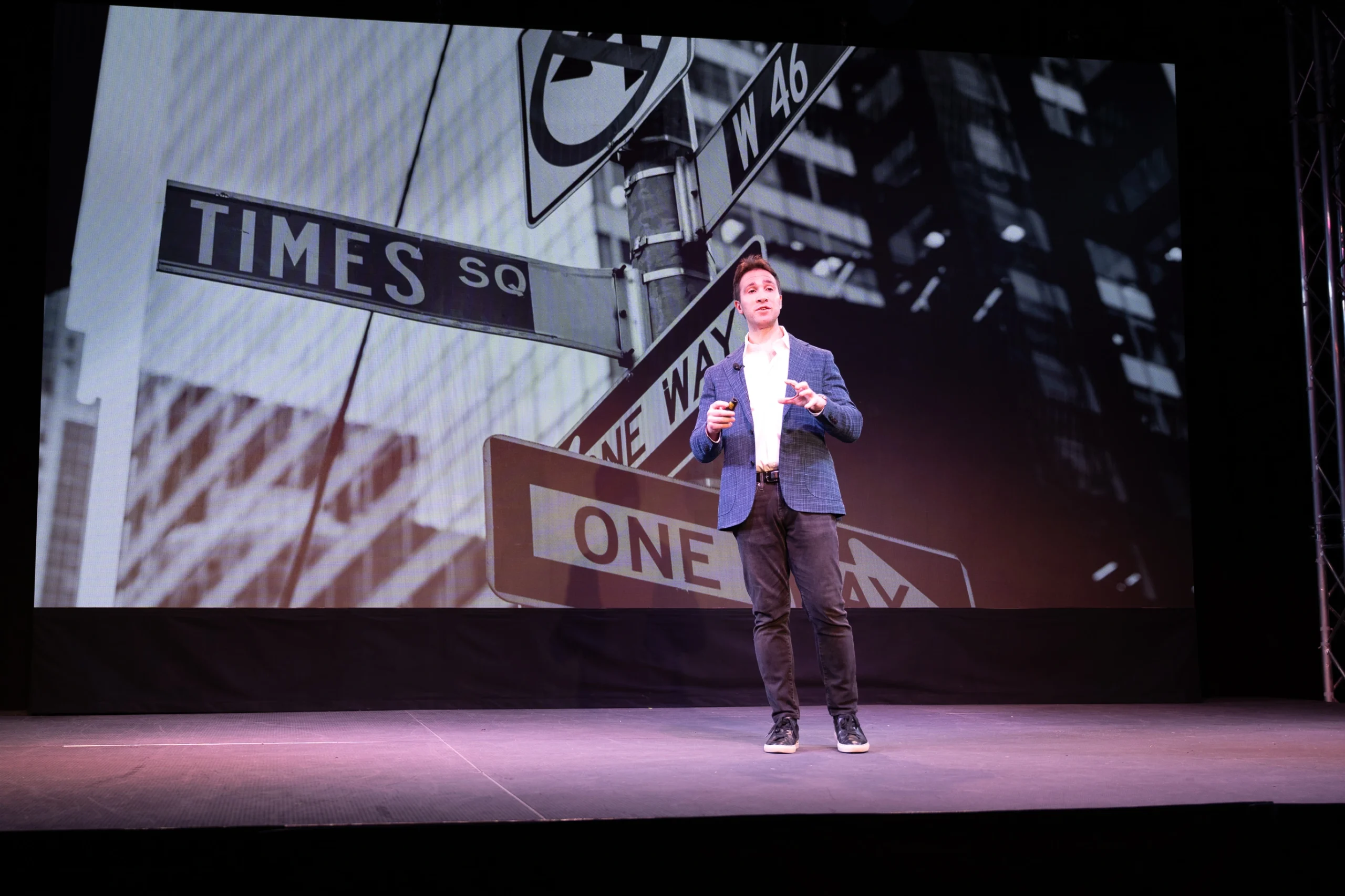
“Adam went above and beyond any national speaker I’ve ever worked with when it came to consistent communication, working with our budget and policies, and willingness to make our event the best it could be. I wholeheartedly recommend Adam for your next speaking event.”
If that’s the kind of experience you want for your audience, learn more about bringing me to your next event.”
Here is a practical guide to help you choose the best leadership speaker for your corporate conference, association event, university program, or public sector training.
1. Start with the transformation you want
A successful keynote begins with a clear purpose.
Before searching for names, speaker reels, or testimonials, define the change you want to see in your audience. The more precise your goal, the easier it becomes to identify the right person to deliver it.
Ask:
• What do I want people to think about differently?
• What behavior should change afterward?
• What challenge are we trying to solve?
Every strong event begins with clarity. Some organizations want to reignite morale after restructuring. Others want to strengthen culture, drive collaboration, or develop emerging leaders.
Common outcomes include:
• Better communication and alignment
• Higher engagement and morale
• Leadership development at every level
• Stronger accountability across teams
• Confidence navigating change
The best keynote speakers move people toward your desired outcomes. They use every moment of their time on stage to reinforce what matters most to your mission.
When I prepare for an event, I always begin with a conversation about transformation. I want to know exactly what success looks like for the client and how they want their people to feel after the session. Once that is clear, the keynote can be customized to deliver not just a talk, but a meaningful shift.
A powerful keynote is not about information. It is about transformation.
When event planners take time to define that desired change, they set up every element of the event for success. The lighting, schedule, and follow-up conversations all start aligning with that goal. Clarity multiplies impact.
2. Choose a speaker who brings substance, not just stories
Leadership audiences want more than entertainment. They value ideas that feel both inspiring and applicable.
Look for speakers who:
• Share specific tools leaders can use right away
• Make complex ideas simple and memorable
• Reinforce takeaways with powerful examples
• Bring research and real-world insight
A great keynote triggers note-taking because people do not want to miss a single idea.
When I speak on leadership and culture, I aim to give leaders practical strategies they can apply that same afternoon. The goal is always real improvement.
It is easy to tell a moving story, but the best leadership keynote speakers combine storytelling with frameworks that audiences can act on. For instance, when I share lessons from leaders I have interviewed, whether a Fortune 500 CEO, a general, or an Olympic athlete, I highlight the principles behind their success and how anyone can use them in their own organization.
A story that ends with “here’s what you can do with this insight” sticks.
The right keynote speaker should leave your audience saying, “I know exactly what to do next.” That is substance in action.
A leadership keynote should be built like a bridge, connecting inspiration on one side with execution on the other. The speaker must deliver both. When a talk combines clarity, credibility, and actionable guidance, audiences remember it long after they leave the room.
“As highlighted in SpeakerFlow’s guide on thought leadership, the most effective speakers combine storytelling with actionable insights that help audiences connect ideas to real outcomes.”
3. Choose someone who understands your audience and industry
Every audience is different.
When I speak to:
• Corporate revenue teams: the focus is on performance, motivation, and accountability
• Public sector professionals: the focus is on service-driven leadership and communication
• University audiences: the focus is on emerging leadership and career readiness
• Associations: the focus is on alignment around a common purpose and professional growth
A great leadership speaker adjusts content to match the mission.
Ask your speaker how they will tailor the talk specifically to your audience.
The best speakers prepare by researching your organization, understanding your challenges, and integrating your values into their message. When I meet with event organizers, I always ask about culture, priorities, and what attendees most need to hear. That preparation allows me to build a talk that feels personal, not generic.
An audience can tell when a message is made for them. Tailoring builds connection, and connection builds impact.
“If your audience skews corporate, draw on stories like L’Oréal executive Leslie Marino’s lessons on scaling and focus. If you’re serving the social-impact or public-sector space, point to perspectives like Stanley Richards on rebuilding lives and cultures at The Fortune Society. These contrasting lenses help you tailor the same core leadership ideas to very different rooms.”
I have learned that when the audience feels seen, they listen differently. When a speaker mentions their challenges or industry terms accurately, there is an instant sense of trust. Great speaking is not about being impressive. It is about being relevant.
4. Consider credibility and lived leadership experience
Your audience should feel they are learning from someone who has learned from the very best.
My leadership insights are drawn directly from the top performers I interview. These are leaders who have grown billion-dollar companies, led teams through crises, competed at the highest levels of sport, and solved problems that impact millions of lives.
Credibility matters because real leadership is shaped by real pressure.
When your speaker brings wisdom earned from proven leaders, the message hits harder.
I have spoken with leaders who navigated global economic shifts, commanded troops under intense conditions, and built organizations from the ground up. These experiences show that leadership principles are universal, but their application requires perspective. A credible leadership keynote speaker knows how to make those lessons real for your people.
When attendees see that the speaker has engaged directly with decision makers, innovators, and culture builders, it creates instant trust. That trust allows the message to resonate on a deeper level.
Credibility also builds anticipation before the event begins. When participants know the speaker has interviewed or worked alongside respected leaders, they come ready to listen. That attention creates the foundation for meaningful learning.
5. Make sure the speaker elevates the entire event experience
A keynote is not a single moment. It influences everything around it.
Your speaker should:
• Reinforce the event theme
• Engage before and after the talk
• Build energy that carries through the day
• Support planners with pre-event content
• Make attendees feel seen, valued, and inspired
I see myself as a partner, not just a presenter. The goal is a shared win for the entire planning team and audience.
An impactful keynote can shape the mood of the event, set the standard for future gatherings, and strengthen relationships between departments or teams. A well-chosen speaker not only delivers from the stage but also helps elevate the overall tone of the conference through alignment, anticipation, and follow-up.
When I partner with event organizers, I look for ways to create value before I even step on stage, whether that means recording a short video to build excitement or sharing discussion prompts that participants can use during breakout sessions. These small details make a big difference in the audience experience.
A leadership event should feel like a conversation that begins before the keynote and continues long after. The speaker’s role is to build that bridge.
6. Look for collaboration, not just presentation
Ask your speaker:
• Will you work with us beforehand?
• Can you participate in a Q&A or a fireside chat?
• How will you help us promote the event?
• Are you willing to customize fully?
When a speaker collaborates, the event becomes more meaningful and unforgettable.
A collaborative approach allows the content to evolve in real time based on audience needs. I often work with event hosts to design a format that best fits the environment, whether it is a keynote followed by a moderated discussion or a fully interactive session.
The process is not about simply showing up to deliver a speech. It is about partnering with the event team to ensure that every minute on stage connects to the larger goals. Collaboration transforms an ordinary keynote into an unforgettable experience.
When a speaker collaborates fully, it creates consistency across the entire agenda. From marketing materials to closing remarks, everything flows together to tell one story.
7. Look beyond the speaker reel
Videos show speaking style. They do not show the full picture.
Also look at:
• Thought leadership and depth of ideas
• Audience engagement approach
• Adaptability across settings
• Demonstrated ability to drive outcomes
The best leadership keynote speakers bring both presence and substance.
A video may capture charisma, but it cannot show preparation, humility, or how a speaker adjusts to challenges. The real test is how they respond to your specific context.
A speaker who can make a large ballroom feel intimate or who can adapt quickly to technical issues while keeping energy high is someone who has mastered their craft. The more versatile the speaker, the smoother your event will run.
When I am invited to speak, I study the environment, venue layout, timing, energy flow, and even audience demographics. These details influence pacing and tone. The best leadership speakers think like event partners, not just performers.
Always look at the ideas behind the presentation. Stage skills matter, but substance is what lasts.
8. Value a cross-industry and cross-sector perspective
Your leaders grow when they learn from other worlds.
Corporate teams can learn from the military. Universities can learn from entrepreneurs. Associations can learn from innovative companies.
My work spans business, government, sports, public safety, and education. This provides me the ability to show leaders what excellence looks like everywhere, not just where they work.
Breadth creates value.
When audiences hear how a Navy admiral approaches trust or how a startup founder handles uncertainty, they begin to think differently about leadership in their roles. That shift in perspective can lead to creative problem-solving and renewed motivation.
The best leadership keynote speakers connect universal principles to your industry’s specific realities. They show that great leadership transcends titles and job descriptions.
When people see leadership through multiple lenses, they understand it more fully. That perspective helps them grow faster and lead more effectively.
9. Choose a speaker whose message drives behavior change
A leadership keynote should:
• Inspire
• Equip
• Empower
Not just entertain.
The true test is what happens after the room empties:
• Do people communicate better?
• Does collaboration increase?
• Do leaders take more ownership?
• Does morale improve?
A keynote that drives progress is a keynote worth investing in.
A great speaker leaves behind more than applause. They leave behind movement. When I work with clients, I design each keynote with actionable frameworks that participants can revisit afterward.
Sometimes I encourage teams to write one commitment they will act on within 48 hours. Occasionally we create reflection guides to extend the learning. Change starts with intention, but it takes structure to sustain it.
When the message continues to live inside the organization after the event ends, that is the mark of a successful keynote.
The most rewarding feedback I receive is when leaders reach out months later to share that the talk sparked ongoing change within their teams. That is why I do what I do.
A successful example
A national organization brought me in to speak at a leadership event uniting remote and in-person teams. Their priority was improving communication and trust. I partnered with their planning team, aligned my message with their theme, and delivered a keynote designed specifically for their needs.
The result was immediate. Leaders left energized with specific commitments and communication tools they applied right away. The keynote launched forward momentum that continued well beyond the event.
That is the impact you want.
In another instance, I spoke for a company navigating a major transformation. By focusing on culture, collaboration, and consistency, we created an energy that sparked new initiatives within weeks. The true value of a keynote is measured not in standing ovations but in the progress that follows.
The role of the event moderator in driving engagement and connection
While choosing the right leadership keynote speaker can define the tone of your event, selecting the right event moderator can elevate its rhythm, energy, and connection.
A moderator is the bridge between ideas and audience engagement. Whether guiding a panel discussion, facilitating a fireside chat, or interviewing executives on stage, the moderator sets the tone for dialogue that feels natural, focused, and inspiring.
A great moderator does not dominate the conversation. They amplify it. They draw out the best in each participant, balance perspectives, and keep the discussion flowing with purpose.
In my experience as both a keynote speaker and event moderator, I have learned that moderation is an art form built on preparation, listening, and intuition. Before stepping on stage, I invest time learning about each panelist’s background, areas of expertise, and communication style. This preparation allows me to ask meaningful questions, highlight valuable insights, and connect themes in real time.
When done well, moderation transforms an event from a sequence of talks into a living conversation. The audience becomes part of the story, not just an observer.
Here are a few things to look for when choosing an event moderator:
• Curiosity and preparation
• Empathy and awareness
• Balance and flow
• Adaptability under pressure
When I moderate leadership panels or fireside chats, my goal is to create connection, to help leaders share experiences that feel authentic and relevant to everyone in the room. I often weave insights from my interviews with top performers to frame questions that spark reflection and action.
For example, in one corporate leadership forum I moderated, a senior executive shared how they rebuilt team trust after a failed product launch. Instead of moving to the next topic, I paused and asked a follow-up that led others on the panel to open up about their own challenges with failure and resilience. The unplanned moment turned into the emotional core of the entire event.
That is the difference between a session people attend and one they remember.
If you are planning an event that includes multiple voices, executives, guest speakers, or thought leaders, consider how a moderator can bring cohesion, structure, and momentum. The right moderator ensures your audience hears diverse ideas and understands how those ideas connect to your overall theme.
In many ways, a great moderator and a great keynote speaker share the same goal: to help people see themselves in the message and walk away changed by it.
The lasting power of great leadership events
A fantastic leadership event does more than fill seats. It creates energy that spreads throughout an organization.
When people leave an event with clarity, connection, and purpose, they return to their teams as catalysts for improvement. They communicate better. They solve problems faster. They lead with more empathy and accountability.
I have seen it happen again and again. Months after a keynote, clients tell me their leaders are still referencing ideas, still practicing lessons, and still using frameworks we discussed. That is the true value of bringing in a thoughtful leadership keynote speaker. It multiplies over time.
As a leadership development speaker, my goal is always to help organizations turn ideas into habits. Culture does not change overnight, but a powerful shared experience can spark that change. A single keynote, when aligned with the right goals, can become the starting point of an ongoing movement inside a company or community.
Leadership is not a title. It is a practice. And every leadership event is an opportunity to help people see what is possible when they commit to growing together.
When you invest in the right speaker, you are investing in your people, your culture, and your future.
Final thought
Leadership development is essential for any organization navigating change and growth. Your leadership keynote speaker should help your audience become better leaders and make your event stronger, not just longer.
You deserve a speaker who will connect with your people, elevate the experience, and give leaders the ideas, tools, and confidence to succeed.
Frequently Asked Questions
1. What makes a successful leadership keynote speaker?
A great leadership keynote speaker combines credibility, authenticity, and substance. They not only inspire but also give leaders actionable strategies they can use immediately. The best speakers connect ideas to your organization’s goals and tailor their message to your audience.
2. How far in advance should I book a keynote speaker?
Ideally, you should secure your leadership keynote speaker three to six months before your event. This provides enough time for collaboration, customization, and promotion to maximize engagement and attendance.
3. How do I choose between a motivational speaker and a leadership keynote speaker?
Motivational speakers focus primarily on inspiration. Leadership keynote speakers combine inspiration with leadership development, helping audiences grow their communication, culture, and decision-making skills long after the event ends.
4. What is the difference between a keynote speaker and an event moderator?
A keynote speaker delivers a structured message that inspires and educates. An event moderator guides conversations between speakers or panelists, helping ideas flow and keeping discussions relevant and engaging. Both roles can work together to create a powerful event experience.
5. How can I ensure the keynote message has a lasting impact?
Choose a speaker who collaborates before and after the event, provides actionable takeaways, and aligns their message with your organization’s leadership goals. Following up with discussion sessions or internal workshops after the keynote helps sustain momentum.