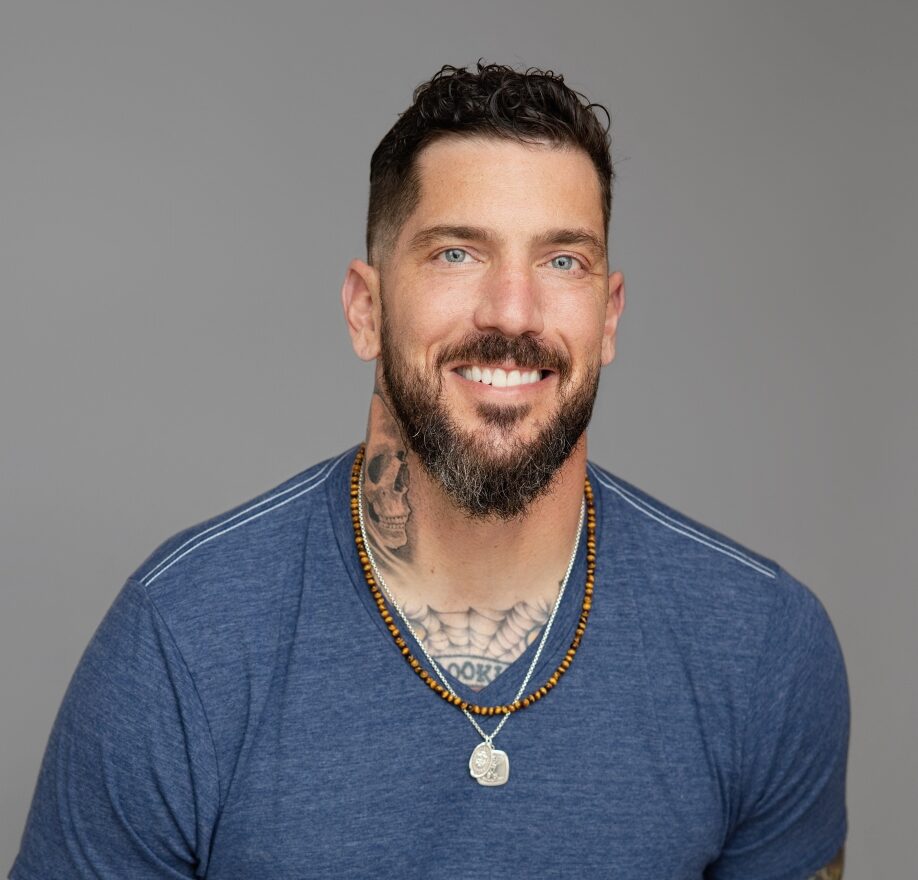


I recently went one-on-one with Jason Richardson, founder and CEO of Bad Birdie.
Adam: Thanks again for taking the time to share your advice. First things first, though, I am sure readers would love to learn more about you. How did you get here? What experiences, failures, setbacks, or challenges have been most instrumental to your growth?
Jason: I didn’t grow up in golf. My family didn’t play, and I came to it a little later than most. I caddied at a course in Flagstaff during middle school, which was really my first exposure to the traditions and culture of the game. At the same time, I was building a career in advertising and production, which taught me a lot about storytelling, brand, and how to bring ideas to life with limited resources.
One of the biggest challenges early on was realizing that just because you think something is a good idea doesn’t mean the market agrees. There were plenty of moments where things didn’t resonate the way I expected. You learn quickly that feedback, especially the kind that stings, is the most valuable input you’ll get.
Another inflection point was deciding whether this would stay a small, lifestyle business or whether I was willing to build something much bigger. That required a shift in how I thought as a leader. It became less about doing everything myself and more about building systems, hiring people who were better than me in specific areas, and getting comfortable with a different kind of accountability.
Adam: How did you come up with your business idea? What advice do you have for others on how to come up with great ideas?
Jason: The idea came from a pretty simple observation that golf had a very defined look and feel, and it hadn’t changed much in a long time. At the same time, culture outside of golf was moving quickly – more expressive, more creative, more individual. There felt like a gap between those two worlds.
I don’t think great ideas come from trying to be disruptive for the sake of it. They usually come from paying attention – what feels outdated, what feels underserved, where people are quietly frustrated or just not excited.
My advice would be to look for tension. Where are people compromising? Where are they saying, “this is fine,” but not actually enthusiastic? That’s often where the opportunity is.
Adam: How did you know your business idea was worth pursuing? What advice do you have on how to best test a business idea?
Jason: I’ll be candid, I didn’t know. It’s easy to rewrite that part in hindsight. Early on, it was more about testing and observing than certainty. I made a small batch of product and brought it to an environment where I could get real-time feedback. Watching how people reacted, what they said, what they didn’t say. That told me more than any survey ever could.
I think one of the biggest mistakes people make is over-relying on hypothetical feedback. If someone says they would buy something, that’s very different from them actually doing it. So my advice is to get as close to real behavior as possible, and do it as quickly as possible. Put something in front of people, even if it’s imperfect. The goal isn’t to prove you’re right, it’s to learn fast enough to improve.
Adam: What are the key steps you have taken to grow your business? What advice do you have for others on how to take their businesses to the next level?
Jason: A big step was getting clear on who we’re for, and just as importantly, who we’re not for. Trying to appeal to everyone slows you down and dilutes what makes you different.
Another was building repeatable systems. In the early days, growth can come from hustle and instinct, but that only gets you so far. To scale, you need processes that allow other people to contribute at a high level without everything depending on one person.
I’d also say being willing to evolve your own role is critical. What got you from zero to one is not what gets you from one to ten. Letting go of certain responsibilities and trusting others is uncomfortable, but it’s necessary.
Adam: What are your best sales and marketing tips?
Jason: Listen more than you talk. The best insights don’t come from sitting in a room brainstorming; they come from paying attention to how people actually respond, what they gravitate toward, and what they ignore. Having clarity on those things beats any level of marketing cleverness. If people don’t immediately understand what you stand for, you’ve probably already lost them.
Adam: In your experience, what are the defining qualities of an effective leader? How can leaders and aspiring leaders take their leadership skills to the next level?
Jason: Self-awareness is a big one. It’s good to unpack what you’re good at, where you need help, and how your behavior impacts others. And I’d also add decisiveness. Not every decision you make will be perfect, but slow decision-making often creates problems. For leaders looking to improve, start with some self-reflection and feedback from others. Ask for it, create space for it, and actually act on it. That’s where real growth happens.
Adam: What is your best advice on building, leading, and managing teams?
Jason: Hire people you trust and then actually trust them. That’s a lot harder than it sounds, especially when you come from a scrappy, do-it-all-yourself beginning. You’re used to having your hands in everything, and that can quietly become a bottleneck. Learning to let go isn’t about stepping back; it’s about creating space for others to do their best work.
Adam: What are your three best tips applicable to entrepreneurs, executives, and civic leaders?
Jason:
- Play the long game. Meaningful outcomes take longer than you expect, and short-term thinking usually leads to shortcuts that don’t age well.
- Stay close to reality. It’s easy to get disconnected as you grow. Be sure to make time to stay close to your customers, your team, and the actual experience you’re creating.
- Protect your energy. Where you spend your time and attention matters. Not everything deserves equal weight and that’s ok.
Adam: What is the single best piece of advice you have ever received?
Jason: Focus on what actually moves the needle. There’s always going to be noise, opinions, trends, distractions. The ability to filter that out and stay focused on what matters most is a real advantage.
Adam: Is there anything else you would like to share?
Jason: I think there’s a tendency to look for perfect timing or a perfect plan before starting something. In my experience, you learn more by doing than by waiting. If you’re thoughtful about how you test and willing to adapt, you can figure things out as you go. It may sound cliché, but don’t let perfection be the enemy of good. “Good” done consistently will take you a lot further than waiting on “perfect.”