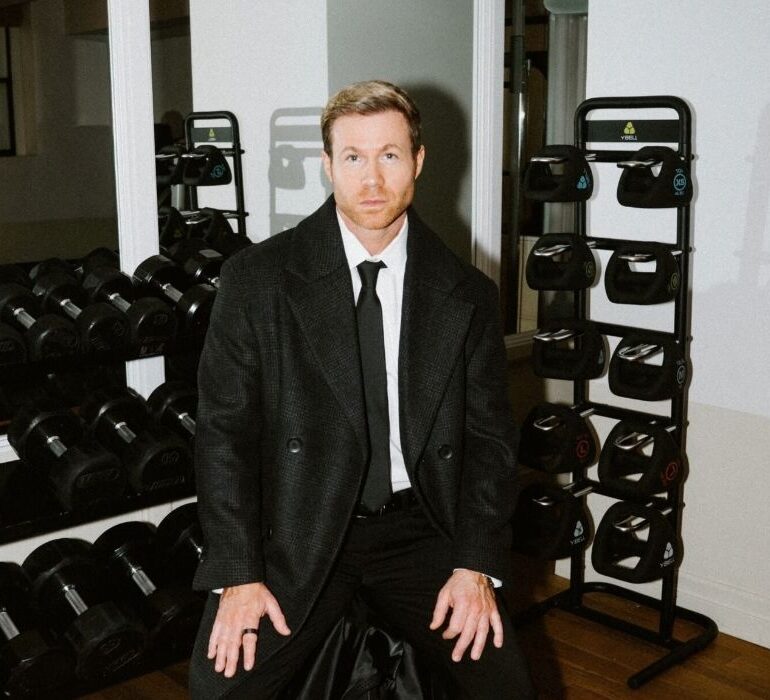


I recently went one-on-one with Jim Heidenreich, CEO of Merrithew.
Adam: Thanks again for taking the time to share your advice. First things first, though, I am sure readers would love to learn more about you. How did you get here? What experiences, failures, setbacks, or challenges have been most instrumental to your growth?
Jim: Growing up, I loved sports; watching, playing, and learning the lessons competition teaches. That passion shaped my drive to work in health and wellness and to lead great teams. Along the way, I’ve also completed multiple Ironman races, which I often equate to business: no matter how grueling the course, you dig deep, push forward, and never give up.
My path, though, has been anything but straight. I was given opportunities early in my career, guided by strong mentors, but I also faced plenty of setbacks and moments of doubt. What carried me through was a never-give-up attitude, a competitive edge, and a belief that resilience is built in the hard moments. When a deal falls through or a strategy fails, I’ve learned to fail fast, take the lesson, and pivot quickly. Every challenge became feedback, every roadblock a stepping stone, pushing me to ask better questions and surround myself with people smarter and more capable than I am.
Adam: In your experience, what are the key steps to growing and scaling your business?
Jim: Scaling a business isn’t about chasing a silver bullet; it’s about consistency and discipline. It starts with clarity of vision: knowing what you stand for and where you’re going. At Merrithew, the North Star has always been a commitment to training students around the world, and that guiding principle keeps the team aligned through every stage of growth.
Investing in people and culture early is essential because scaling isn’t possible without a team that believes deeply in the mission. Building systems and processes helps move the business out of firefighting mode and creates space to focus on strategy. And just as important, you can’t improve what you can’t measure. Metrics and accountability matter, but they only have meaning when tied back to serving the customer. Growth happens by staying relentlessly customer-obsessed: truly understanding the people being served and delivering value in ways that surprise and delight them.
Adam: What are your best tips on the topics of marketing and branding?
Jim: Coming up through marketing taught me that brand consistency and personality are critical in driving results. Marketing isn’t about shouting louder; it’s about connecting more deeply. Great branding reflects your values, not just your visuals. Authenticity is everything people can sense when it’s missing.
At Merrithew, the most powerful marketing has come from telling real stories: of our clients, our instructors, and our partners, and how they have changed the lives of tens of thousands of individuals. Branding isn’t a logo or a tagline; it’s the emotional connection you create, the community you build, and the trust you earn over time. It’s not about being transactional; it’s about showing up as a trusted friend and partner on the journey.
Adam: What do you believe are the defining qualities of an effective leader?
Jim: Humility, vision, and courage. Humility keeps you grounded and open to learning. Vision gives people something meaningful to rally around. And courage is what allows you to make the tough calls when the path isn’t clear.
At Merrithew, we’re transitioning from a successful entrepreneur-led company to a professionally run, world-class organization. That shift is central to our growth strategy; building the structure, discipline, and culture needed to scale globally. It has required clear communication, alignment on the “why,” and a willingness to evolve. One of the toughest but most important steps was reorganizing the business, realigning teams and roles to match our long-term vision. It wasn’t always easy, but it positioned us to grow in the right way.
Adam: How can leaders and aspiring leaders take their leadership skills to the next level?
Jim: Leadership is like a muscle; it grows stronger the more you work it. That means seeking feedback, especially when it stings. It means stepping into situations that stretch you, and learning to listen more than you speak. The best leaders stay curious and keep evolving.
Mentors play a huge role in that growth, but so do peers and team members; every conversation has the potential to teach you something about yourself as a leader. I was fortunate to have a mentor who put me in a role I didn’t think I was ready for. He had trust and confidence in me, gave me the support I needed, and the occasional kick in the butt, to succeed. That experience taught me that sometimes leadership means taking a chance on someone who shows a spark and giving them the opportunity to let it ignite.
Adam: What are your three best tips applicable to entrepreneurs, executives, and civic leaders?
Jim:
- Play the long game. Overnight success is a myth … real growth comes from building patiently and with integrity.
- Seek truth-tellers and smarter minds. Surround yourself with people who challenge you, who are smarter in their areas of expertise, and who help balance your weaknesses. Leadership isn’t about doing it all; it’s about building a team that makes each other stronger.
- Block out the noise. The world is full of distractions: trends, opinions, competing priorities. The best leaders know how to filter the noise, stay anchored in their values, and keep their teams focused on the signal that truly drives progress.
- Simplify the complex. Business will always be complicated, but great leaders break ideas, strategies, and projects down to their essence. The clearer and simpler you make things, the easier it is for teams to move with focus and speed.
Adam: What is your best advice on building, leading, and managing teams?
Jim: The old saying goes, “Culture eats strategy for breakfast.” I’d take it a step further: culture trumps skills every time. Hire for character and values first, skills second, because you can always teach skills, but you can’t teach integrity, resilience, or empathy.
Just as important, make sure you have the right people in the right seats. I’ve seen it often; someone who struggles in one role can thrive in another when their strengths are aligned with the work. That requires walking around, talking with people, and really getting to know them to ensure full alignment between their talents and the team’s needs.
Strong cultures also create environments where people feel safe to take risks and fail forward. Set clear expectations, then give your team the autonomy to do their best work. Recognition and accountability should always go hand in hand. When people feel trusted, valued, and seen, they’ll often exceed expectations and achieve more than you thought possible.
Adam: What is the single best piece of advice you have ever received?
Jim: “Don’t mistake motion for progress.” Activity doesn’t equate to productivity. It’s easy to get caught up in being busy, but busyness is not the same as impact. While I believe an organization must move quickly, it also has to move with purpose and thoughtfulness.
The leaders I admire most are the ones who pause, think, and act with intention. That mindset helps filter out distractions and keeps the focus on what truly drives progress.
At Merrithew, that discipline has shaped critical decisions, like choosing not to rush into certain markets, products, or acquisitions. By resisting the temptation to move fast without clarity, we created the space to make smarter choices that fueled stronger, more sustainable growth.
Adam: Is there anything else you would like to share?
Jim: Leadership, entrepreneurship, and growth aren’t solo pursuits; they’re team sports. No one succeeds alone. The true measure of our work isn’t just in the businesses we build, but in the people we lift up and the successes we create together.
That’s why I’m so proud of the team at Merrithew. From the moment I stepped in as CEO, they supported me, embraced the journey, and leaned into the changes needed to grow. Together, we’re not just building a stronger company — we’re redefining the Pilates industry, transforming lives, and expanding the reach of mindful movement around the world.
Yes, financial results matter in business. But the real impact comes from trust, working together, building community, and helping others thrive. That’s when you know the work has made a lasting difference.