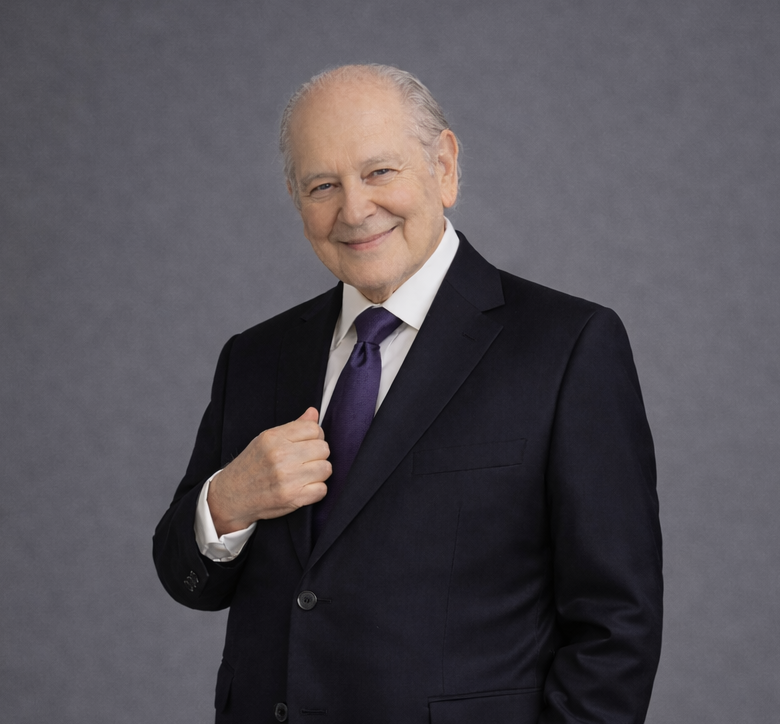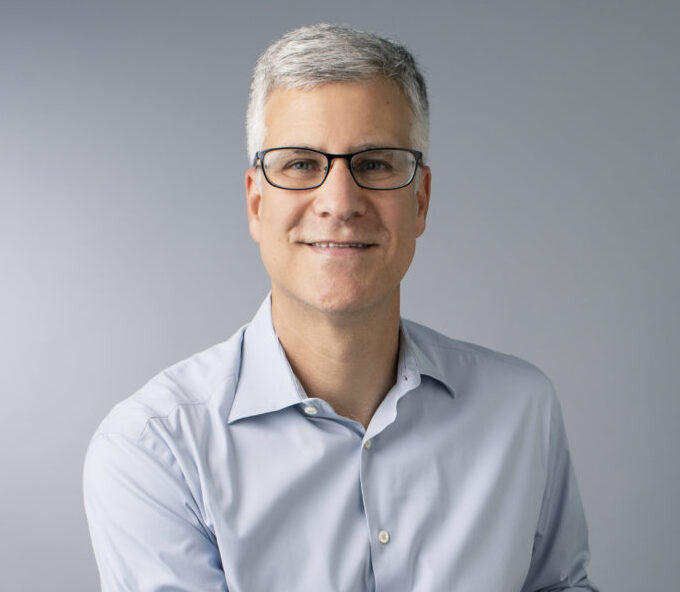


I recently went one-on-one with John Bartleman, CEO of TradeStation.
Adam: How did you get here? What experiences, failures, setbacks, or challenges have been most instrumental to your growth?
John: I’ve spent most of my entire career at TradeStation, joining the company in 1999 when we were still shipping software on CDs. Within a year, our founders, Bill and Ralph Cruz, made the bold decision to transform the company from a software developer into an online broker-dealer. Living through that transition taught me how focusing on the customer can reshape a business model and make it more resilient, in the case of TradeStation Securities, that’s focusing on active and sophisticated traders.
For me personally, two traits have defined my journey: a willingness to always say “yes” to opportunities, and a singular focus on doing what’s best for the company, even if it means taking on tough assignments. Those choices have opened doors and built trust.
I’ve also been fortunate to have mentors like Bill and Ralph, who shaped my thinking, and later leaders like Salo Sredni, who helped guide the company through its sale to Monex. Of course, it wasn’t always a straight path, and there were setbacks along the way – for example, we focused too much on global expansion at the expense of our U.S. business – but those lessons prepared me to refocus TradeStation when I became President & CEO in 2016.
Adam: In your experience, what are the key steps to growing and scaling your business?
John: Great products and great marketing can drive growth, but strategy is what really scales a business. TradeStation has always been a niche brand serving serious, active traders. Early on, we wrestled with whether to remain laser-focused on backtesting and automation or broaden to discretionary traders. When I tried to expand too far into mass retail, I learned firsthand how difficult it is to scale a niche product without massive investment in infrastructure.
The lesson: you can stretch your market, but you must remain true to your core. That’s why we’ve refocused on high-end active traders and institutions. To execute, I lean heavily on the Balanced Scorecard framework, which keeps us aligned on strategy, mission, employees, and core processes.
Adam: What is your best advice on building, leading, and managing teams?
John: I came up through product management, so I know the details of how everything works. That makes me hands-on capable, but my leadership style is to empower. I want to hire and develop great talent, give them clarity on our strategy, and let them run.
We’ve also built a culture where conflict is surfaced quickly and constructively. Early in my tenure as president, we worked with CultureWise to define what we call “The TradeStation Way.” Those fundamentals give us a shared language to resolve issues before they fester.
Most recently, I’ve put the greatest emphasis on clarity of vision. If your people understand where the company is going and why, accountability and culture naturally follow.
Adam: What are the most important trends in technology that leaders should be aware of and understand?
John: Artificial Intelligence (AI) is the trend every leader needs to focus on. It will transform business models more than anything we’ve seen since the internet. Quantum computing and robotics will only amplify its impact.
And it isn’t just finance. AI and automation will impact every industry. If leaders aren’t preparing their people and their processes for that reality, they risk getting left behind.
Adam: What do you believe are the defining qualities of an effective leader?
John: Adaptability, resilience, and the willingness to constantly learn.
The industry is evolving fast, and so must we. If FINRA’s proposed change to the pattern day trading rule passes – for example, eliminating the $25,000 minimum balance – TradeStation will adopt it on day one. This is part of staying ahead and leading through change.
Beyond financial services, Steve Jobs is a great example of an effective leader. He was relentless about learning from failure – whether it was being ousted from Apple or iterating on products that didn’t work. His resilience and adaptability didn’t just bring him back to Apple; they enabled him to transform entire industries. Leaders don’t need to be Steve Jobs, but they do need his mindset of evolving, learning, and never giving up.
Adam: How can leaders and aspiring leaders take their leadership skills to the next level?
John: Experience is the best teacher, but you don’t have to learn everything the hard way. I believe strongly in continuous learning – from coaches, mentors, books, podcasts, and peers.
For me, Vistage, which is the world’s largest CEO coaching and peer advisory organization for small to midsize business leaders, has been transformative. My chair and fellow members have challenged and supported me in ways that made me a better leader. My wife, an HR executive and coach, has been my greatest partner in this journey. And I’m always consuming new ideas, whether it be through audiobooks and podcasts, to seeing the world through other leaders’ eyes.
The moment you stop learning, you stop leading.
Adam: What are your three best tips applicable to entrepreneurs, executives, and civic leaders?
John: Focus. Know who you are, what makes you unique, and don’t get distracted.
Resilience. Expect setbacks – they’re part of the journey. Push through them.
Adaptability. The world is changing faster than ever. Embrace change instead of fighting against it.
Adam: What are your best tips on the topics of sales, marketing, and branding?
John: I’ve learned from our founders and from studying great brands like Apple that product and brand must be inseparable. Bill Cruz, our chief product mind, taught me to obsess over quality and detail. Ralph Cruz, our marketing visionary, showed me the importance of staying true to your mission. Steve Jobs was the master at marrying great products with even greater branding.
At TradeStation, that’s why we repositioned the company around the emotion of exhilaration with our “Born to Trade” brand. Even in finance, emotion matters. You need a powerful story to connect with your audience, and then you need data to measure what’s working and refine your message. It’s not either/or. It’s both.
Adam: What is the single best piece of advice you have ever received?
John: One of my mentors, Salo Sredni, used to tell me, “It is never as good as you think and never as bad as you think.” That advice has kept me grounded. When things are going incredibly well, it reminds me not to get complacent. And, when things seem to be falling apart, it keeps me from overreacting.
Adam: Is there anything else you would like to share?
John: My advice to young leaders: say “yes” more often than “no.” Don’t be afraid to take on the hard work, even when it isn’t glamorous. Those moments are what build resilience, create opportunity, and earn trust. And never, ever, stop learning.