
Life is what happens when you’re busy making other plans.
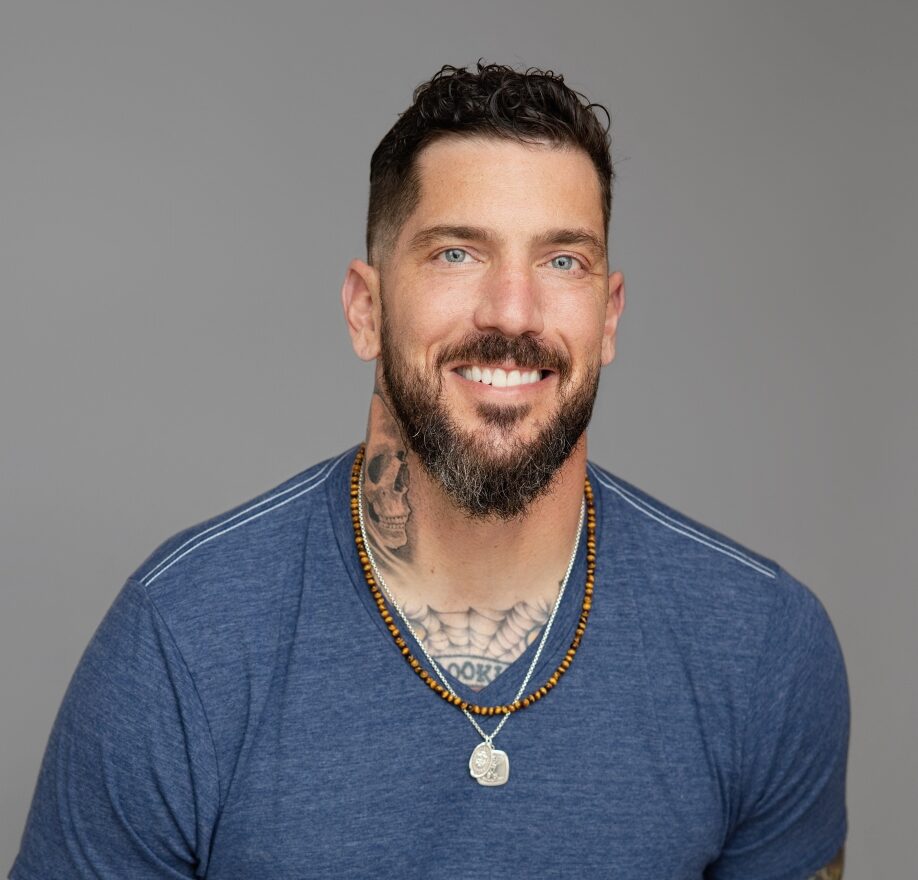
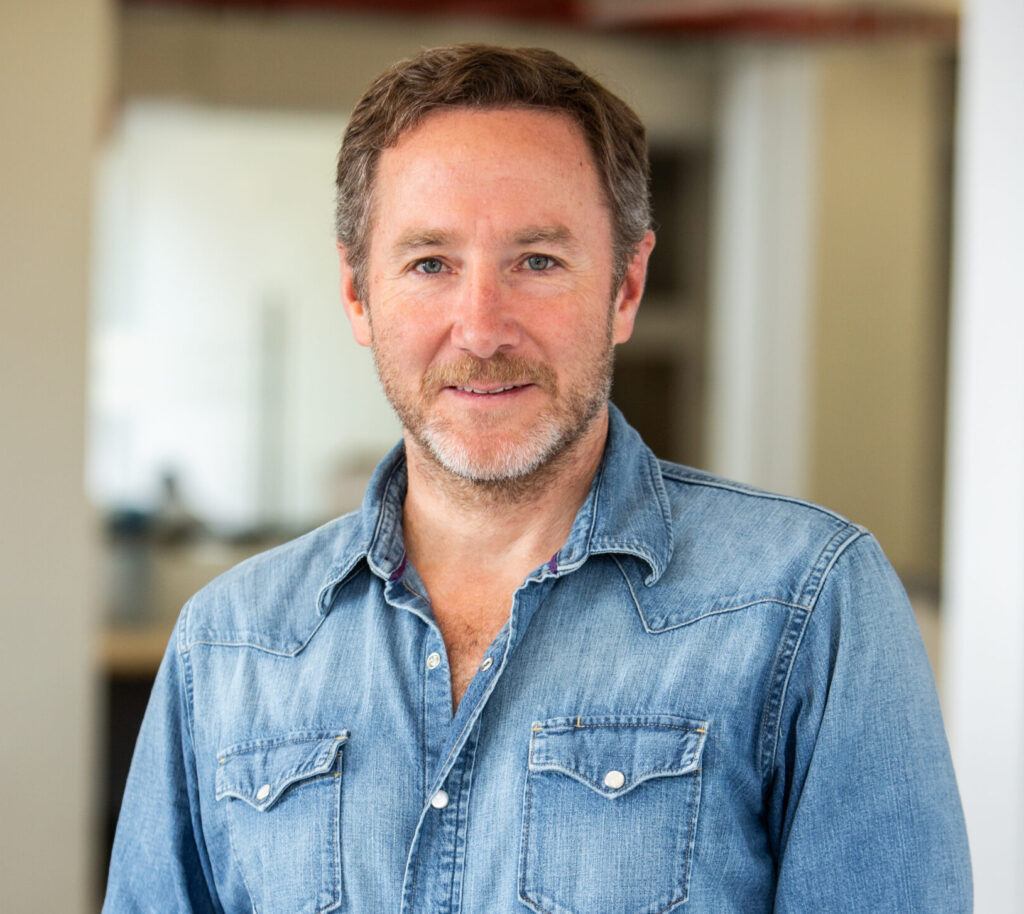
I recently interviewed Peloton co-founder John Foley on my podcast, Thirty Minute Mentors. Here is a transcript of our interview:
John: Thank you, Adam. I’m excited. Thanks for having me
Adam: Our guests today changed the way millions of people exercise. John Foley is the co-founder and former CEO of Peloton. John is also the co-founder and CEO of the interior design startup, Ernesta. John, thank you for joining us.
Adam: I’m excited too. You grew up in Key Largo, a city made famous by the great Humphrey Bogart. And you studied electrical engineering at Georgia Tech, spending half the year in college and the other half the year working to pay for college, working in a manufacturing plant in Waco, Texas. Can you take listeners back to your early days? What early experiences and lessons shaped your worldview and shaped the trajectory of your success?
John: Yeah, interestingly, Casablanca is my favorite movie and another Humphrey Bogart classic, but going back to Key Largo, I started even before paying my way through Georgia Tech. I paid my way not through high school, was public high school, but I had to pay for my gas money and my dad’s old pickup truck to drive 45 minutes down to the nearest public high school, and I worked at McDonald’s for three years over those years, and the day I worked at McDonald’s, night, I delivered pizzas at Domino’s, but working was always a part of my life, and I’ve always really enjoyed it. I enjoy people. Enjoy building teams. I enjoyed time and manufacturing in Waco, Texas, as you alluded to; those were the formidable years of me just developing a work ethic and learning how to be a good team member and starting to study leadership that I’ve always been a student of. I was, interestingly, at Mars. They had an interesting culture within their company, which was called egalitarianism, and they were very progressive in the late 80s, with self-led teams and empowered teams. And so while I was a manager of 120 people when I was 22 years old, I was able to actually be a very good leader, because what they were asking their managers to do is to empower the teams to lead themselves. And so it’s a very fascinating moment for a 50-year-old company to try to become a progressive organization, and it fit my personality and my age. At 22, I didn’t know how to lead, so getting out of the way was the requirement or the ask of the leaders. And the 40 and 50-year-old leaders struggled with it a little bit, because they had come from the old school of top-down, kiss the ring in old school management, and I, at 22, the best way that I could lead was to learn from the folks who’d been on the floor for decades. And it was a fascinating moment that kind of informed the way I lead in general, which is getting great people around me and getting out of the way. And it served me well and allowed me to really enjoy my career, because I’m able to work with very impressive people with this style.
Adam: I love that, and there are a couple of really important lessons there. At the heart of leadership is empowerment, not you as a leader being the person who’s doing everything, rather you as a leader helping all the people around you be their best selves, helping all the people around you get to a place where they’re performing at their very best, creating the environment that allows people and teams to excel, getting out of the way, not being an impediment. But the other great lesson is ignorance is bliss. When you walk into a situation with the ignorance or with the humility or with the combination of both, to say, look, I don’t really know anything. I’m going to come in as open-minded as possible. That’s really where you can be at your very best.
John: Yeah, and I would add confidence in there. Adam, I find that often insecure leaders and managers will try to help you in air quotes bad ways, get in your grill, because they don’t have the confidence to step aside and totally empower somebody. Yeah, all of those things factor in, and again, I think done well, you’re able to recruit and retain really impressive, really outsized executives. No big-time executive wants to work for an insecure leader who tries to get in their grill and air quotes help them do their job. At Peloton, I was able to do it. Certainly. We’re doing it even more so here at Ernesta, looking back at Peloton at two or three years in, and Ernesta, two or three years in, this leadership team and the team more broadly is meaningfully more impressive than what we had at Peloton. And Peloton was full of incredible professionals, but here at Ernesta, we have eight or 10 of the most senior, seasoned, incredible executives, and we have a great team culture where we slap high fives and we’re good communicators. It’s a small team, but it’s a situation where I personally have more fun coming to work in an environment where the people around me are smarter and more creative and more experienced, and it’s intoxicating for everyone on this leadership team to be around such impressive, self-managed, ambitious, selfless, incredible professionals, but yeah, it’s a special cocktail, and at a lot of companies, you don’t see it.
Adam: Going back to that critical ingredient within the cocktail, confidence. How can you develop confidence, and how can you instill confidence in others as a leader?
John: The general formula of building people up and praising them and not breaking them down and not browbeating them, and some of the things of bad leaders of yesteryear, of yelling at people and pointing out things that they do wrong and generally relationships, building people up, building their confidence, is pretty straightforward, that said, so I tried to do my best as a partner to the team. A lot of it goes back to your parents, though, if we’re keeping it real. A lot of people come out of high school with confidence, or they come out of high school insecure, and it goes to how their parents did, of making them feel like they’re capable and they’re becoming a confident human being, has to come from the earliest days, but I do my best to make sure that people feel confident when they step into the four walls of Ernesta as well. I am a part of a 10 or 12-person leadership team, and I do my part to build confidence. Colleagues can also help or hurt a culture and your ability to have confidence in approaching your job. And going back to Netflix culture deck of 20 years ago that I’m sure you’re familiar with, they talked about the no a-hole policy, and so trying to minimize or eliminate a-holes in the leadership team that might inadvertently hurt people’s confidence, while I’m trying to do my best, if two or three of your colleagues are big personalities and they’re intimidating you, making fun of you or challenging your ideas or dismissing your ideas. It’s a total team culture of a whole leadership team that would create an environment where confidence can be built. So not only do I try to do my part, I have to make sure that the people around you at the table are also net builders of confidence, not destroyers, are confident. So it’s a whole cocktail of understanding human dynamics and team dynamics, and I’m fascinated by it. I think it’s super important. I think it’s not that talked about, but to really win in a really dynamic environment and start-up where the stresses are acute, the ups and downs are daily, and the pressure is real, just from a financial perspective, where you’re not making much money and you might make a lot of money, so that, just to the extreme nature of the financial stuff, but the emotional stuff and the pride, there’s a lot of real day-to-day emotional whipsaw that happens at start-ups in general. And so you really have to be in touch with the human side of it, because on the margin, it really matters, from what I’ve seen.
Adam: We’re going to dive into some of that whipsaw over the course of this conversation, but before we do, I would love to know what were the keys to rising within your career, and what can anyone do to rise within their career?
John: It’s funny, Adam, we’re talking about this. My son is going off to college. Fingers crossed. The next six months, he has to get into college first, but these are right at that precipice in his life. And I keep telling him, you’re smart enough to get in the room. Hopefully. I believe he is. But from there, it’s all about hard work and teamwork. Can you outwork people, and do other people want you in the room when they build a company? And so it’s all those intangibles of human relationships and trust and transparency and honesty and the things that makes you want to have them in your life. And then are you getting to work earliest? Are you staying the latest? One interesting thing, Adam, when I was in my kind of late 20s, and I was preparing for a presentation, and that some banged up hotel in some banged up city, and sitting there struggling with motivating myself to get ready for this presentation, and I had the TV on, and there was some 30 for 30, or some type of expose on Michael Jordan. And it was saying how he wasn’t born Michael Jordan. He was Michael Jordan, as we know, the GOAT, and just the name says greatness. But before anyone knew who Michael Jordan was, he was his name on a roster. Dean Smith, his coach from North Carolina, would say this: that Michael Jordan is Michael Jordan, because he flat-out worked everyone. He was at the gym two hours before anyone showed up, and he stayed two hours later than anyone stayed every day. And so when the game was on the line, you gave the ball to Michael Jordan because he had practiced for that moment 10,000 times more than anyone else on the court, and so that’s how you become Michael Jordan, and I’m not sure I quite showed up two hours before everyone and stayed two hours later, but I have tried to make a hallmark of my career, working hard and leading from the front. I don’t think I’m quite smart enough, and maybe my son is smarter, but I don’t think anyone is quite smart enough just to show up and use their intelligence and win. I think you have to have some baseline of intelligence, but the rest is just flat, hard work, it coupled with great teamwork. If you are a great team player and you work really hard, I think you can go places in life.
Adam: I love that, and I love the example of Michael Jordan. I did an interview with Sidney Moncrief, NBA Hall of Famer, one of the greatest defensive players of all time, and he guarded Michael Jordan. And I asked Sidney about his experience competing against Michael Jordan, competing against Larry Bird, competing against Dr. J, competing against the all-time greats. And I asked him what made Michael Jordan, what made the very best, so much better than everyone else? And he broke it down to two variables. He said number one, the very best players are admittedly more talented than everyone else. So, to your point, are you smart enough? And that’s something that you can’t control. We can’t control whether we are smart, we can’t control whether we’re talented. We can’t control how fast we are. We can’t control how high we jump. Michael Jordan couldn’t control the fact that he was that much taller than his older brother, who he says was even better basketball player than he was, but wasn’t gifted with the same height. So there are certain things that we can’t control. But the second variable that Sidney identified, he said that the players like Michael Jordan and Larry Bird, and Dr. J had the desire to be the very best. They wanted to be better more than anyone else. And to your point, it comes down to, are you willing to put in that extra work? And Michael Jordan outworked everyone. Larry Bird outworked everyone. I love the advice that you shared. Right off the bat, your son, you’re smart enough to get in the room, but from there, it’s all about hard work and teamwork. And the truth is, for most of us, we’re smart enough to get in the room, but from there, it’s all about hard work and teamwork. Before you were an entrepreneur, you enjoyed a successful career in the corporate world before starting Peloton, you were the president of e-commerce for Barnes and Noble, and then you pivoted and became an entrepreneur. How did the idea for Peloton come about, and how did you actualize it?
John: Yeah, you say I was successful. I wouldn’t agree with that. I wouldn’t define being a senior leader at a big corporation as success against my own framework of what I wanted to do, my ambition. And when I was 40 years old and I found myself working at a big company having a couple layers of bosses, I did work for Barry Diller directly for five or six years, and then I did report to the CEO of Barnes Noble, but it felt like a corporate job that, one, it’s not that soulful. Two, it’s not that lucrative. And three, it’s safe. And so I just didn’t feel like I was there. And when you don’t feel like you’re there, you don’t feel like you’re a success. So I wasn’t successful. In my mind, I’m still very unsuccessful, because to be where I want to go in life, to be totally honest, I was going somewhere at Peloton, but felt like that was robbed from me from COVID. The up and down of COVID took a lot out of a lot of us at Peloton and a lot of the company, which was unfortunate. But to answer your question, Adam, I was ready at 40 years old, if, I guess it was 14 years ago, to go take some risk, and in order to do something that you’re really proud of and that you would be in charge of, and that you would be really lucrative, that type of risk is often required. And in my case, it was trying to raise some money and go after the Peloton opportunity. At the time, I thought it was an incredible idea. I thought I was a proven CEO. My co-founders were world-class, and so I thought it was a very fundable, venture-backed opportunity. But in the years that were ahead, I learned that it wasn’t as fundable as I had thought, and or I was a terrible fundraiser. One of those two things is true, but we eventually were able to capitalize it and get it off the ground and eventually make something very special for the Peloton community and for the team again, until COVID was just such a wild time for an at-home fitness company like Peloton that the demand went through the roof, and then three years later, everyone wanted out of their basement and wanted to go travel. And so for a year or two, they were done spending money at home fitness equipment, which totally makes sense. But that type of demand shock, on the up and then on the down, was pretty brutal, as you can imagine.
Adam: What did you learn from your experience leading through the highs and leading through the lows?
John: I learned that the people around me were incredible on the up and on the down, back to how important your team is. I’ve always been proud of the people around me, and certainly in those type of crises, you benefit from that type of support and that type of partnership. So that was good. One of the things I learned by that type of 100-year tailwind and 100-year headwind is it’s hard to be a public company. We would have benefited if we were a private company during those times. But that’s 2020. At this point, I try not to think about it, to be honest. Adam. Okay. PTSD with how much we cared about Peloton, we cared about the team, who cared about the community and the shareholders, and it was a pretty brutal ride. There are learning specific things that I would have done differently, but for the most part, it was a macro situation that was pretty hard for any CEO or any company in our shoes. Zoom was the other pandemic darling that people compared us to. But Zoom, if you want to grow, you spin up some new AWS servers and distribute some more clients, and put some more bandwidth out. And you double the size of the company. For Peloton to double the size of the company, we had to make twice as many bikes and twice as many treads, and maybe more retail stores and more logistics and more vans to distribute them, and more middle-mile logistics and more inventory and more shipping across the Pacific, and more tablet computers made in Taiwan, and some more manufacturing capacity. I was obviously vertically integrated and required us to do Herculean stuff across 10 or 15 different vectors to double the size of the company. And we did it, but we invested in infrastructure and fixed cost in order to do it, and that became a liability. On the flip side of the demand shock, we had fixed cost levering, which eventually cost me my job and cost shareholders a lot of money. But I don’t know, Adam. I do sometimes think about what I learned and what could have been done differently. One of the biggest things there that we’re trying to take into Ernesta was a learning of not investing in your own fixed cost and not vertically integrating. I’m not sure it’s that smart without the 100-year tailwind and headwind of the pandemic. Peloton might be one of the great companies, publicly traded companies, on the market today, it’s hard to say. It’s academic to debate, but so the thing, the decisions we were making were brilliant, I believe, until they were not. And so it’s really hard to but just in case, we are being a little bit more conservative on those types of investments here at Ernesta, instead of going all the way up to the mills in India to get our supply, we are going through suppliers and importers here in the states who do that. We’re not a younger John Foley, 15 years ago would have said, hey, we can do that. Let’s go find those same mills. This time, and we’re leaving a little margin on the table and dealing through those importers, letting them take that margin, and we are playing in a very specific place in the market. This is a little more conservative and little easier, to be honest, the things we did at Peloton were so ambitious and so hard, I think they’ve created a great company, but it was orders of magnitude harder than most companies would want to do. So this time with Ernesta, we are being more conservative, having learned from that experience, and we’re swimming in our lane, so to speak, frankly, on the more valuable part of the value chain, where we think 90% of the value can be in acquiring the customers and building the brand and doing the logistics and doing the fabrication and doing the kind of the cocktail of things we’re doing at Ernesta that’s a little bit more focused this time.
Adam: Having gone through that experience, what advice do you have for leaders on how to lead through the difficult moments that they face?
John: One thing I will tell you that’s wild for today’s leaders is the AI opportunity to answer your question, Adam, you can put in here’s what I’m dealing with. By the way, I’ve created my own John Foley agent in ChatGPT, and I’ve had it read every Harvard Business School case and every book by every great business leader, the Jack Welch’s and the Lee Iacocca’s of yesteryear and everything they’ve ever said, and Warren Buffett and all the strategy consulting, Michael Porter, and I pointed at 100 different things that I wanted to know. And I’ve taught it to speak like me, and I ask it really deep strategic questions about what we could be doing at Ernesta. And I’ll tell you what comes out of it is flat brilliant. It can help you think through this decision or that decision. So certainly, 15 years ago, you couldn’t have done that. You would have to lean on your team and have benefited from having a great team. Now you have the opportunity to ask this thing that has IQ of 3000, all the world’s information and all the experience in the business world, and it can help you be sure-footed on all kinds of different strategic decisions as a leader.
Adam: Who are the people that you surround yourself with, both on a senior level, and who are the people that you look to hire throughout your organization?
John: Here at Ernesta, we’ve been able to bring over a lot of the former leaders at Peloton who are dear friends of mine and are just elite business leaders. Our CTO, Yoni Fang, I think he could be the CTO of Google. He’s that good. He was the CTO of Peloton, and he’s now the CTO of Ernesta, this small custom rug company. And you think of what an embarrassment of riches that is. Alan Smith, our CMO, ran a big part of marketing for Verizon, spending billions of dollars for Verizon and building that brand. Same type of role, huge role, CMO at Peloton, spending billions of dollars building one of the great brands in the consumer space. Now he’s CMO of Ernesta, spending a lot less, but in a very focused way, building something that we believe is going to be an outsized brand with performance, demand, spend and across omnichannel marketing. And those are two examples. We’ve got Hisao Kushi, we got Jen Parker, we have Jamie Beck as our COO. All these people were at Peloton. And so they’re just really special human beings. They’re kind, compassionate, low ego people, but they’re also, I think, to the one the best in the world at what they do. And so when you bring those type of people together at a venture-backed startup where we say, okay, we’re going to create a $10 billion drug company that’s never before existed, and here’s what we’re going to do, and here’s our capital partners that are also elite, and here’s the opportunity, and we feel like there’s a huge product market fit, and we know that there is low brand recognition in this category, so we feel like we’re going to do what we did at Peloton, where we build a brand that punches above its weight, it transcends its category, and creates an outsized culture, team and financial outcome for everyone involved. Everyone who works here loves that type of ambition and that type of opportunity. We have it, and it’s a fun thing.
Adam: Given that this is your second go-round, you’ve developed a formula for what you look for when deciding how to spend your time on a new venture. There are a lot of different directions you can go in. But you said, Peloton, is it for me? You were right. You then said, Ernesta, is it for me? And you’ve gone all in, what is that formula? What would you advise listeners to look for in determining what type of business to pursue?
John: You one thing that I’ve always looked for, I don’t think I’m smart enough to go be a top 10 leader in AI. I think I’m pretty smart, but some of the people that are leading the AI stuff, there’s steam coming out of their ears, as you well know. So what I look for is categories that matter, but aren’t really sexy, that are off people’s radar. And certainly when we went into fitness equipment, people would say fitness equipment, that’s a dopey category, and I’m like, exactly it is. That’s the opportunity. Same thing with rugs. When I told people I’m leaving Peloton and going to start Ernesta, the rug company, they’re like, wait, rugs. Why, that’s such a dopey category? And I said, exactly. And so you think about there’s not a lot of Brainiac the smartest people in the world. I can’t imagine any of them that said I’m going to go into rugs. They don’t say that. So there’s a little bit of the in the land of the blind, the one-eyed man is king, and I’m here at Ernesta, and we’ve got a lot of people with two eyes, and we’re like, wait a second, we can have it. We can win. And we think it’s a big enough category and a big enough opportunity. And we think homeowners, mostly the women decision makers and interior designers, mostly women as well. We think that they appreciate what we’re doing. We know they appreciate what we’re doing. They’re telling us that. But finally, someone who cares about something important that we care about, and making the experience easy, making the right affordability, the right quality, and the very delivery experience, and the right community. Everything we’re doing is being noticed by a very specific group of people that we care deeply about, but it’s not necessarily on the radar of maybe venture capitalists or public markets, or it will be. It’s becoming because of our success, but we look at them for what I’ve looked for in general, opportunities that are really big but are underserved by capital and by entrepreneurs, and by disruptors.
Adam: Having done it before, what are the keys to growing and scaling your business?
John: First key is putting the team together, like we talked about. The second key is getting the capital so that you can invest and hire your team. Peloton that was very hard, or Nesta, it’s been a little easier because of the success we saw. If you define the right challenge, you look at the right mountain and say, okay, that’s the mountain we’re going to tackle. So you define the challenge. You get the team of capable people that represent all the skill sets that you need. And then you get the capital so that you can choke down the rent for the headquarters, so you can have a place to congregate. You can get the desks as chairs for people to sit in. And then you can hire enough engineers and marketers and other folks to build whatever you need to build. And in our case, open stores and have CapEx for different things. Those are the formulas for getting started. And then we just triage day to day and week to week, the opportunities and challenges that come up from there.
Adam: What do you believe are the key characteristics of the very best leaders, and what can anyone do to become a better leader?
John: One thing that I look for, that I have, and I think defines a lot of the people here at Ernesta and Peloton as well, is a really odd balance that’s very hard to find of kind, compassionate, caring, low ego, beautiful, decent human beings that are also hyper smart, hyper competitive, and have a bit of a chip on their shoulder. And the Venn diagram of those two things is pretty slim. Sometimes a chip on your shoulder means you’re a jerk, or you’re given an angular facade or sharp elbows. Nobody wants to work with that person. So to have all of those characteristics is hard to find, and when you find it, there’s magic, and you just always want to work with those people. And we have our cup runneth over here at Ernesta with those people.
Adam: I love that we talked a little bit earlier about the importance of having good people in your organization. You made reference to the no asshole policy and how having a toxic leader in your organization can crush a culture, can crush one person’s confidence, and can crush the confidence of an entire team, and can really ruin an organization. And on the flip side, when you have good people, genuinely high-quality human beings in your organization, that makes a huge difference. And being a good person is not mutually exclusive with being a high-charging, highly competitive, deeply hungry individual. And when you find someone who is a good person and a competitive person, that’s the person you want in your team. What can anyone do to become a better leader?
John: Oh, gosh, one thing, Adam, that I think is interesting, and it’s becoming a better leader or becoming an entrepreneur at all. And my advice to people on that front is not to be in a hurry. I don’t think that many people are great leaders or great entrepreneurs. At 22 years old, when I started Peloton, I was 40 years old, and I had a ton of experience on all kinds of different businesses, and I had studied a ton of great leaders. Personally, I’d worked for and mentored under a lot of different leaders, and I’d also read hundreds, maybe even 1000s, of books about and by other leaders to study political leaders or business leaders or just biographies in general. Studying leadership is something that I’m fascinated by, and I think is important to become a great leader. There’s a lot of great frameworks and metaphors, and stories that young leaders can benefit from and say, wow, that resonates with me. Or, gosh, I don’t want to be like this. I read an interesting book, call me Ted, about Ted Turner, and I went to Georgia Tech. And so he’s from Atlanta, and it’s a fascinating book, and he’s a fascinating guy in some ways, and an incredible guy, but in other ways, a flawed guy. And I read the book, I was like, wow, I really enjoyed it, and there were things that I wanted to be like in the book, and there are things I didn’t want to be like in the book. But I recommend the book to people, because learning what you don’t want to be is just as important as learning what you do want to be again. I think he’s incredible, but it’s an imperfect journey. Another great book that everyone should read is Shoe Dog by Phil Knight. Phil Knight opens up about his flaws and his challenges, and there’s things that he did that you would say, wow, I would want to avoid that. But he’s emotionally forthcoming in the book in a way that’s very beautiful, and I think is a gift to young entrepreneurs to learn what is good about his journey and what mistakes he made. And I think all of that stuff is very rich. So my macro takeaway there is to read and to take your time. Everyone dreams about being Mark Zuckerberg at 19. I’m going to create a billion-dollar company, and I know that’s appealing, shortcutting your life and your career and your balance sheet in such an aggressive way, but I think that’s so rare that most people should plan for Plan B.
Adam: I love that advice, and it’s advice that I give to a lot of people, and it’s advice that I wish that I could have given to my younger self. Don’t be in a hurry. Success takes time. What is the rush? And when you try to rush, you’re going to be a lot less successful. And I would love your perspective on when is the right time to go? When is the right time to start a business? Take a risk, take a chance, make the move for you. It was when you were 40, and you said, I’m in a career that isn’t fulfilling. Isn’t satisfying. I’m not doing as well financially as I would like to; even though I’m doing all right, I’m not doing as well as I think I can. This isn’t where I want to be, personally, professionally. There’s more I could do with my life. For you, it was clear, but for many others, it isn’t. What advice would you share?
John: For everyone, it’s going to be different. But I would say the most important thing when you’re ready to push off and take real risk, if you’re saying, start a company, let’s specifically talk about that when you have the right idea. I think, coming out of college and just saying, I want to start a company, and trying to concoct a company out of nothing, I’d give that a small chance of success. There’s also an interesting curve, I’ve seen, Adam, from Harvard Business Review of the chance of success of a startup based on your age, and it goes up linearly from 20 to 55. I think is the highest likelihood of starting a company and it’s succeeding is when you’re 55 years old. That’s not to say you can’t succeed at 25, but with each year and decade that takes pie. Of course, it drops off after that, so don’t wait till you’re 65 but having the right idea, having the right experience, I guess one of the X factors there is also having one or two or three people that you’ve connected with that would materially help change the outcome of starting said company. Starting a company by yourself, I think is pretty tough generally. When you’re thinking about starting a company, you run it by two or three other people and say, hey, what if we did this? And you think about the roles, and you’re good at x, I’m good at y, this would be where yin and yang would be great. So the X factor would be having a killer idea, having the right experience, having enough network where you think you could capitalize it, but also knowing some people that you feel like are at the same moment in their career with you, and they would be willing to push away from their day job to join you. When all those things come together, then I think you should give it a real consideration. That said, maybe you should have those moments two or three times to make sure they feel real enough and not jump at the first one, but continue to have those ideas around the water cooler for a couple of years until you’re like, all right, this time’s real. Let’s do this, and let’s take the risk. The risk is exhilarating, but the downside is it can take you off the path of your other career and get you into trouble if you’re not sure-footed enough, or if you’re at the wrong stage in life.
Adam: John, what can anyone listening to this conversation do to become more successful, personally and professionally?
John: Jeez, I wish I knew that Adam. Yeah, one thing I think back to Peloton and fitness. If you work out in the morning, even going for a two or three-mile run, just something to get the blood pumping, I think your chance of winning the day is greater if you get those endorphins and get the blood pumping than if you didn’t. Will Smith had a thing that he went around schools, inner city schools, and otherwise, and did at a talking tour. And his takeaway to these young high schoolers was the key to life. He studied rich white people all his life, and he said the key to winning in life is reading and running and just the most simple thing, reading and running, when I think about what could increase somebody’s likelihood of success at any stage, at any age, at any socio economic background, if you read more and you run more, and running, obviously, is a metaphor for any type of fitness, but more reading and running would increase the likelihood of you succeeding in life. And I think that’s pretty, pretty solid.
Adam: John, thank you for all the great advice, and thank you for being a part of Thirty Minute Mentors.
John: Amazing. Thank you for having me. Adam, it’s good to talk to you.