

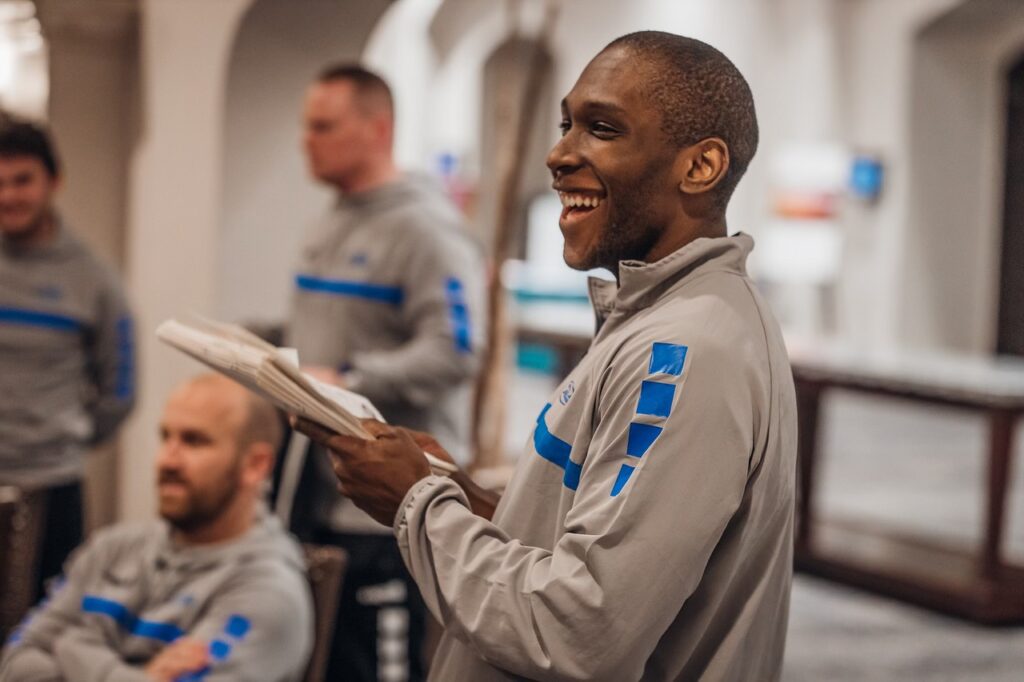
I recently went one-on-one with Justin Miller, CEO of Rush Soccer.
Adam: Thanks again for taking the time to share your advice. First things first, though, I am sure readers would love to learn more about you. How did you get here? What experiences, failures, setbacks, or challenges have been most instrumental to your growth?
Justin: As a young athlete, I joined the Colorado Rush because I couldn’t beat them. Growing up, I played for Littleton United, and every time we faced Rush, we lost. At 14, I made the switch, and it was the best decision of my life. The culture at Rush was different; you felt it immediately. Expectations were clear, standards were high, and there was a real sense of belonging. That stuck with me.
I played through high school, went on to play at the University of Colorado Colorado Springs, and every summer, I kept coming back to intern with the Rush. At first, I thought I’d be a professional coach, but what I saw behind the curtain changed my path.
Youth sports were messy: spreadsheets running organizations, volunteers trying to hold everything together, and no long-term systems in place. I realized I could make just as big of an impact off the field as I could on it, so I leaned into the operations side.
It wasn’t a straight line, though; there were plenty of failures. I’ve made decisions that didn’t work out. I led through seasons where things didn’t seem to click. But each setback forced me to slow down, reassess, and recommit to what mattered most: Building culture, building systems, and building people. That’s how I grew into the role I’m in today.
Adam: In your experience, what are the key steps to growing and scaling your business?
Justin: Scaling is really about discipline. A lot of people think it’s about chasing opportunities or adding headcount, but if you don’t have clear standards and systems, scaling just exposes your weaknesses. For us, it comes down to “The Rush Way.” That’s our blueprint—how we train, how we speak, how we travel, how we carry ourselves. Without it, there’s no way to expand from one club to almost 100 and still feel like the same organization.
I’ve also learned that growth isn’t always glamorous. Sometimes it’s grinding through the boring stuff – finance, systems, the fun stuff can happen. When our investors came in and invested, a lot of people assumed things would change overnight. But what really mattered was the culture and foundation we had already built.
That’s what allowed us to step up a level without losing who we are.
Adam: What are your best tips on the topics of marketing and branding?
Justin: Marketing and branding start with authenticity. You can’t manufacture a story that people don’t feel. For Rush, our best “marketing” has always been the experiences of our players, parents, and alumni.
When families talk about what it means to be part of the club, when alumni come back and coach, when parents feel included, that’s what builds our brand.
The advice I’d give is simple: Listen first, find the authentic stories that already exist in your organization, and amplify those. That’s what people trust, and authenticity is what they want to hear.
Adam: What do you believe are the defining qualities of an effective leader?
Justin: Consistency, humility, and service. A leader who changes direction every other week will lose people fast. Teams need to know what they’re getting from you, win or lose, good season or bad. Consistency builds trust.
Humility matters just as much. The best leaders I know work hard to clear the path for others. Leadership is service. If you’re not willing to model the behavior you expect, you can’t expect anyone to follow. I’ve learned this the hard way at times. The moment I got caught up in trying to solve everything myself or make it about me, that’s when cracks appeared. Staying grounded, staying humble, and remembering that your role is to serve the people you lead, that’s the real test of leadership.
Adam: How can leaders and aspiring leaders take their leadership skills to the next level?
Justin: Two words: Feedback and discomfort. You don’t grow as a leader if you’re always comfortable. Take on challenges that stretch you, even if you don’t feel ready. And more importantly, seek out feedback from people you trust. Don’t just ask for compliments; ask where you’re falling short.
When I first started, I thought leadership was about having all the answers. Over time, I’ve learned it’s more about asking the right questions and being willing to hear the truth, even when it stings. Leaders who get better are the ones who stay coachable. It’s no different than being an athlete; if you stop learning, stop adapting, stop seeking coaching, you will not grow.
Adam: What are your three best tips applicable to entrepreneurs, executives, and civic leaders?
Justin: Build culture before chasing results. If you skip this step, the results won’t last. Invest in people early and often. Relationships are what scale, not spreadsheets. Define success beyond the numbers. Wins are temporary, but culture and impact are permanent.
Adam: What is your best advice on building, leading, and managing teams?
Start by finding the best people you can. Without the right people, you will fail. Look for smart individuals with a great attitude and some competitiveness to them, then make sure they’re in the right role. The right people, in the right seats, make everything else possible
The other piece is celebrating progress, not just outcomes. It’s easy to only cheer when you win the trophy, but real momentum comes from recognizing the small steps along the way.
Teams want to feel like they’re building something together, not just chasing a finish line. When belonging, standards, and celebration align, that’s when you get the best out of people.
Adam: What is the single best piece of advice you have ever received?
Justin: It is an old cliche, but a very good one; you cannot lose if you never give up. This is really the truth. After any failures, as long as you get back up, reflect, and make a plan of improvement, you are always in the game. There is always an opportunity to “win” the next time.
Adam: Is there anything else you would like to share?
Justin: I’d add this: Leadership isn’t reserved for titles. Some of the best leadership I’ve seen has come from young athletes who set the tone on the field, or parents who step in with support at just the right time. Leadership is everyday actions that shape culture, not just corner office decisions. The more we expand that definition, the stronger our teams, companies, and communities will be.