
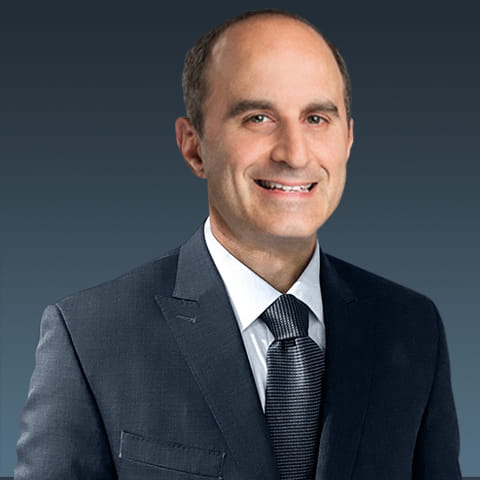
I recently went one-on-one with Kane Polakoff, Client Advisory Services Practice Leader of CohnReznick. Kane was named one of the Top 100 Most Influential People in Accounting by Accounting Today.
Adam: What drew you to the field of accounting, and how did you become one of the 100 most influential people in the field of accounting?
Kane: It’s a long story. It would probably take eight hours, so I’ll give you the Cliff Notes. I started my career in business administration and always wanted to get into management consulting. After about six months of knocking on the door at Accenture, I was able to join and learn about management consulting, which really comes down to three main things: people, process, and technology. As I got into that space, I kind of fell into AP automation, leveraging technology to solve a need that a lot of large Fortune 50 companies had. They had all this manual process, all this paper, and needed to find ways to automate it. So AP automation was my first step into accounting.
Over the course of my career, I’ve always tried to understand not how things are being done today, but how they can be done in the future. I’ve always tried to challenge the status quo. Fast forward 30 years, with a lot less hair and being a little more tired, and now I’m in public accounting at Cohn Reznick. Things have changed. It’s not like it was 15 or 20 years ago, where you had the same standard processes and procedures. Technology continues to evolve. The cost of implementing technology internally and for clients has come down significantly, which is allowing us to change the way we do business and the way we serve clients.
Over the last six or seven years, I’ve been in client advisory services. It’s been fun to use my technology background with my process mindset and leverage great people to do great things for our clients. It’s a great time to be where I’m at because things are evolving so quickly. I’ve also had the opportunity to meet a lot of very smart people in the industry, listen to them, learn from them, and I’m still learning today. It’s exciting to think about where things are going and how much the profession is changing. There’s change management, upskilling, and the reality that accountants are no longer going to sit in the corner just doing data entry without being able to articulate things to clients. Clients expect soft skills now. It’s really changing the way we do business, and I’m excited to be part of that going forward.
I always like to think that the only constant should be change. When you think about the evolution of a profession that’s been around for hundreds of years and has followed similar processes, now it’s being disrupted by technology. You have private equity coming in, a lot of investment, and things are changing quickly. It almost reminds me of the late 1990s, when I was part of the dot-com boom and technology was evolving around personalization, websites, and e-commerce. You’re seeing that same kind of evolution and revolution happening in the accounting space today.
Adam: How does one become influential in accounting?
Kane: I think it’s about being inquisitive and asking a lot of questions. I can go back seven years to my previous organization. At the time, there was this new thing called CAS, and I don’t think many people knew what that meant. People would ask, is it client advisory services? Client accounting advisory services? Outsourced accounting? There were all kinds of terms. At that point, my experience had mostly been doing accounting outside of public accounting firms. We were providing accounting as a business process outsourcing service. We were doing bank reconciliations, providing financial statements, helping process transactions, and becoming a back office for our clients. That was really part of the evolution of what CAS has become over the last 10 years.
A big part of how I got to where I am today came from spending a lot of time with leaders who were building the foundation of what client advisory services is today. I wanted to understand the different types of technology, the general ledger systems, and for a mid-market firm serving mid-market clients, what tools are out there. How do you build or leverage point solutions, whether it’s AP automation, AR, expense management, or close management, to create a tech stack that allows you to provide better services to clients?
Another piece was understanding the global expansion of capacity. I don’t know if you’ve read Thomas Friedman’s The World Is Flat, but the idea of leveraging global capacity to scale is real. I’ve been to India about 45 times in my career. I’ve spent time in China, the Philippines, and all over the world. I’ve learned that if you combine the right people, the right technology, and a great process, you can do some pretty amazing things. Over the last five to 10 years, there has been a big push toward building more global capacity, but the question is how to do it successfully. I’ve been part of that journey here at Cohn Reznick and elsewhere.
You hear a lot about there not being enough accountants coming into the field, and surveys saying there are 300,000 fewer accountants. So as I kept peeling the onion and learning more, and as we’ve shown substantial success, that helped. The first time I built a practice from scratch, we grew it very successfully in almost four years. Here, it’s been a little over three years. I started with fewer than 20 people. Now we have about 120, and we’ll be up to 150 or 200. It’s not just the number of people. It’s what we’re doing. We’re leveraging technology, building by vertical, and providing great services to clients. What we’ve done in three years has taken a lot of firms 10 to 15 years. I think that’s part of why I’ve gotten some good PR. I’m very honored by that, but I think it comes from being willing to jump in and help not just myself, but the profession. I spend a lot of time with other CAS leaders, other clients, and other firms, helping educate them on how to be successful.
The way I look at it, it’s not just about me being successful at my firm. If everybody can provide great services in the CAS environment, it’s going to benefit the profession. For a long time, the profession has been centered around tax and audit. We’re trying to elevate CAS to become something at a similar level, providing the kind of services clients need. It’s been fun to watch that evolution. When I started at Cohn Reznick, most people didn’t even know what CAS was. It wasn’t even called CAS. It was just a small client group. Now you can ask almost any partner or person in the firm, and they know what it is and what we provide. That’s pretty cool.
I do a lot of mentoring for professionals and others. I’m also involved in associations. I’m the chairman of the Information Technology Alliance, and what we’ve built there, specifically on the CAS side, is a collaboration that brings leaders from different firms together twice a year to talk, collaborate, and share. One thing that’s been really different in the accounting profession compared with the past is the openness to sharing. Coke and Pepsi aren’t going to share their secret syrup recipes, but firms are willing to share what technology they’re using, what challenges they’re facing, and what they’re learning. Even when it comes to technology partners, if one firm is having challenges with a provider, others try to help. A lot of my time is spent outside Cohn Reznick helping others, and I enjoy that. I try to help people learn from my mistakes. I learn more from what I do wrong than from what I do right. If I can help somebody avoid the same mistakes I’ve made over the last 30 years, hopefully they’ll be in a much better position than I am today.
Adam: What mistakes were impactful in ultimately allowing you to get to where you are today?
Kane: On the CAS side specifically, one mistake was trying to grow too fast and not taking the time to build it right the first time. I had a strategy, but I didn’t take enough time up front to plan better. It’s great to grow 100 percent year over year, and I’ve done that, but what does that mean for your staff and your clients if you’re not providing good service? That’s not a good thing. Another mistake was not having a mentor earlier in my career. I wish I had someone looking out for me or challenging me. Fortunately, my father-in-law became that mentor when I met my wife, but that was later in my career. Without that mentor, one of the things I had to learn was when it makes sense to push for something, ask for something, or recognize that a place is no longer right for you. Looking back, I may have been a little too loyal to some organizations and probably should have moved on sooner. That would have allowed me to progress faster in my career. Those are a couple that stand out, both personally and professionally. But learning from those mistakes has allowed me to share them with others. I try to be more of a mentor now to people in the profession and serve as a sounding board for them.
Adam: How can anyone understand when to stay and when to leave an organization?
Kane: Don’t be afraid to push to understand the goals for your role and what it takes to get to the next phase. I was often given the carrot. If you do this, if you do that, then something will happen. You have those conversations once a year, and then when the year comes, and nothing happens, it’s, well, we’ll do it next year. Instead of becoming complacent, be aggressive and proactive in the right way. Have those discussions with your supervisor or manager, and really understand what your career path is if you perform well. Take charge of that. Own it instead of letting the company own you. I stayed in one place for about 10 years, and it was a great 10 years. But if I look back, I probably should have left after five. So it’s also about making sure your goals and aspirations are clear, and that the organization is helping support them, whether through training, giving you new opportunities, or challenging you.
I’ve always been ambitious and hard-working. I always wanted to learn something new. Whenever I got to the point where it felt like the same thing every day, I knew I had done my job and needed to move on. I’ve always liked building something from scratch, watching it grow, and being part of that. It depends on what you love to do, but I can tell you I love what I do, and not many people can say that. I really enjoy helping people. So if you’ve been somewhere for a while, you need to meet clearly with your supervisor and set expectations around what you want to achieve. You need a way to monitor that objectively. If you don’t make it because you failed or something happened, that’s one thing. But at least you know objectively. You don’t want to guess. You don’t want to live in the world of maybe. You want to take ownership of your career.
One thing I’d add is culture and positivity. As I reflect on my career, there were situations where the culture turned bad or became toxic, and that affects employee morale. You don’t want to be in an environment filled with negativity because, over time, it can wear you down and put you in a very bad position. So yes, take ownership of your career, but also know that if things get really bad somewhere, you need to get out as soon as possible. You don’t want to sit there saying maybe it’ll get better in six months or a year. I’ve talked with a lot of friends and colleagues who have gone through that, and it really impacted them mentally and affected how they performed. They lost confidence. A lot can come from that. People want to be loyal. That’s just human nature. Sometimes they think they can be the change agent and turn the negativity around. But in many cases, it starts at the top. It’s the culture that’s being driven down. You don’t want to spend too much time trying to change a culture that isn’t going to change, because that can put you in a very bad position going forward.
Adam: How can you understand if you are in a culture worth trying to improve or not?
Kane: When you look at an organization, look at the executives. Look at how they interact, what their leadership style is, and how they lead. Are they empowering people, supporting growth, bringing positivity and energy? Or are they more of a dictatorship? Do this, do that. I’m being very blunt and black and white, but one sign is when Sunday night comes, and your stomach starts bothering you because you have to go to work on Monday. When that happens, you know it’s time to leave. It’s hard because you can have conversations with HR or others and try to understand what’s possible. I’ve been in a situation where the culture was great for the first five years, and then it changed almost overnight because of certain things that happened. It can go the other way, too, but that usually takes time. The question is whether you’re willing to put that time in.
It also depends on your level in the organization. You want to be a role model. One thing I am glad I learned from being part of bad cultures is that I know what I don’t want my team to be part of, and I take that very seriously. If I hear that things aren’t going well or someone is being toxic, I try to do everything in my power to change that. If you’re in an organization where the culture is bad and you don’t see any changes or any effort to improve it, then you know you’re in the wrong place.
I do think it starts from the top in terms of setting the precedent and expectations, and with the leaders who are hired. I have seen organizations make changes at the top that changed the culture. I’ve seen private equity come in and acquire a company and change things as well. There are a lot of dynamics that can affect culture.
Adam: In your experience, what makes a positive culture a positive culture and can anyone improve their company’s culture?
Kane: First, listen. Spend a lot of time listening to your staff. If you have 1,000 people, that’s obviously harder, but I meet with all my directors once a week, my partners once a week, my managers once a month, my senior managers every other week, and all of my seniors once a month as a group. That gives me a pretty good pulse on what’s going on, both for my global team and my local team. So listening and understanding are important. One-on-one matters. Feedback, surveys, and other ways of gathering information matter too, because some people may not feel comfortable telling me directly what’s bothering them.
Second, be a role model. Set expectations, be positive, provide energy, and show the vision and mission of what you’re doing as an organization and why you’re doing it. I also like being transparent. I’d rather be open about how we’re doing financially, what challenges we have, and what we need to fix. We have an all-hands call once a month where I put it out there. Here it is. Are we doing well? Are we not doing well? What needs to change? What deliverables are we struggling with? What technology isn’t working? Then we work on solutions. When people bring me ideas, I try to put together individuals and teams who can drive those ideas forward. One thing I’ve found is that if someone is complaining about something, put them in charge of helping fix it. That has been a positive for me.
I think it’s always positive when something that was bad six months ago is good now. It’s much better than seeing something that was great six months ago become bad. Nothing is ever perfect, so there will always be challenges, stress, and pressure. In accounting, January is a crazy month for us. So what do we do? We try to limit meetings. We try to do things differently to accommodate the long hours and pressure that come with what we do.
Adam: What are the keys to leading in high-stress moments and environments?
Kane: January and the first two weeks of February are huge for us because of year-end, 1099s, and a lot of other requirements. Clients also need all the information for their tax returns, so you have a lot of compounding requests. Things slow down in late December, and then January hits, and the fun really begins. What we’ve tried to do is limit meetings, spend more time with people, and make sure our leadership team is there for them in the right way. We try to staff up during that period to help as much as we can, but it’s also just the nature of the work. There are certain times when you’re going to work long hours, and the expectation needs to be clear. If you talk to the team in March, there’s usually a big smile on their face, because January and the start of February are tough. It’s also about bringing awareness to new team members. We hired a couple of new people in January, and they were having a tough time. We told them this would be the hardest time, it would be challenging, but we’re here for you. They said later, you’re right, it was tough, but now I’m prepared to keep going and do what I need to do.
What’s fun about year-end is being able to spend time with clients, help them look at the past, and get them prepared for the next year. A lot of cool things come out of it. There’s just also a lot of work. Just like tax season and April 15, there are deadlines in March, deadlines in September, and deliverables all year, depending on what you do. Professional services can be tough in some ways, but you want to make sure people understand that expectation before they join.
Adam: What are the most important skills for accounting professionals?
Kane: Multitasking and critical thinking are probably the two most important. Also being driven to do things efficiently. On the soft skills side, communication, articulation, problem-solving, and being able to interact well with clients and internally with your staff are critical. Delegation matters. Teamwork matters. People use the word teamwork lightly, but it’s about being able to work with your staff, your manager, or someone below you and help support them. You can’t do it all on your own. You’ll never survive.
You also have to be able to pivot quickly. You may come in with 10 things you need to do that day and then find out there are 10 new things that push those aside. How do you prioritize? How do you determine what needs to be done and when? How do you manage client expectations when things are unreasonable? One of the toughest things in our profession is what happens when things go wrong. It’s easy when things go right. But how do you handle it when they don’t? How do you listen? How do you position things? For me, I take a step back and try to understand what happened and how it happened. I try to take the emotion out of it. People make mistakes. I make mistakes. My staff makes mistakes. Instead of getting mad at an employee or manager, I try to treat it as a learning experience and figure out what can be done next time to reduce that risk.
If something goes wrong with a client and it’s our fault, I take accountability. I say it is my fault, we are sorry, this is what we learned, and this is how we’re going to fix it going forward. Taking accountability instead of blaming someone else is important. I’ve seen a lot of people in my career point fingers at others when things don’t work. But if you take accountability as a leader and your employees see that, they respect it. That doesn’t mean there are no standards. If someone makes the same mistake two, three, or four times, that’s different. But how you interact with them really matters.
What is the client going to say when you take accountability for a mistake and explain why it happened? Even when the client makes a mistake, you don’t put blame on the client. You ask how we solve it going forward. I think some of my success in my career has come from how I handle things when everything hits the fan. How do you recover? How do you get things back to where they need to be? Not by blaming everybody else, but by taking accountability and communicating in a way that builds respect.
Early in my career, when I was at Accenture, I was working for a very large insurance company. Our team made a pretty big mistake, so big that the department leader called us all in and yelled at us. It was horrifying. I had only been working for about two years at the time. I remember looking him in the eye and saying, “Sorry, sir, but that was my mistake. I apologize, and I should have done better.” He looked at me, thanked me for saying it, and told us we’d better go do better next time. For me, that was an important moment early in my career. I could have just sat there and said nothing. But stepping up and taking responsibility helped me progress in that first job and take on more people management responsibility. People management and building culture have always been strengths of mine, and those things have helped me get where I am today.
Adam: What are the keys to building a client-centric and customer-centric culture?
Kane: Just being in the service business means it has to be client-focused. We’re selling ourselves and our solutions to clients. What I’ve done is make sure that from a very early stage, even interns are interacting with clients. They’ve been on calls, listening to what clients say. It’s almost like osmosis. Years ago, only managers or senior managers engaged with clients. Today, everybody needs to be able to communicate with clients and be part of those discussions. I’ve never been someone who hides people from clients. I don’t believe in saying, you’re only a staff or a senior, so stay over there until you’ve been here three years, and then we’ll let you start servicing clients. I want them to hear the conversations. I want them to see the deliverables we’re sharing and how clients react, what questions they ask, and how the work they are doing contributes to the results we’re giving clients. I also think spending time together matters. It’s harder after Covid because we’re more hybrid and we’re sitting here on Zoom, but we’re starting to do more in-person interaction again, and that helps build relationships and serve clients better.
Adam: How can leaders support mental health within the workplace?
Kane: Mental health is a big problem and continues to be. It was definitely exacerbated during Covid, especially for younger people. I have two daughters, and I saw the impact on high school, junior high, and college students. It was terrible. Being isolated for that long was very hard. In business, too, it’s about being aware of it and being open with employees. We’ve had staff members go through difficult times, and we’ve tried to help, support them, give them better work-life balance, allow medical leave where needed, or let them work part-time. We’ve tried to be flexible because it’s pretty scary. I’ve seen some very scary situations. You look at rising suicide rates and a lot of other things happening nationally, and it’s very tough. That goes back to culture, too. Awareness matters. Covid changed people and the way they think. Some folks have really struggled, including some of my friends. Instead of ignoring it, I’ve always tried to embrace it and be there for people, help them find help, or support them however I can. It’s a big problem at every level, from CEOs to staff.
I just hope things get better over time. There was a period in the last few years when, if you wanted to refer someone to a psychologist or psychiatrist, it was almost impossible to find somebody available for three or six months. I talk about mental health with colleagues all the time. Left untreated, it can become a really bad situation. My youngest daughter wants to become a psychologist, and I’m excited for her because people are more willing to talk about mental health now. Even before Covid, it was much quieter. In one way, that’s a good thing. People are more open about struggling, needing help, and asking for it, whereas before they were not. So I just hope anyone out there who is struggling reaches out. There are people who can really help. Hopefully there are more people like that who are open to helping, supporting, and fixing things. I hope that continues to get better, because unfortunately, there are so many people struggling.
Adam: What are the keys to navigating change and leading change?
Kane: Jump in and have fun. You have to be willing to take a risk. We haven’t talked much about risk, but when you’re at a crossroads in your career or in a profession that is changing, you have to be willing to jump into the deep end and start swimming. Don’t be afraid of that. It’s not for everybody, but if you don’t take that chance, you’ll miss out. Sometimes a little luck helps too. When you think about client advisory services seven or eight years ago versus where it is today, it’s night and day. I came to the right place at the right time, but then I had to embrace it, help make it better, help solve problems, and be part of the solution. You also need to be open-minded, supportive, and willing to share, not keep everything close to the chest. When you help people, listen to them, and support them, good things usually happen.
Adam: How are technology and outsourcing disrupting the accounting industry?
Kane: About three years ago, some organizations took the leap and started building around AI in a deeper way. I’m not talking about using Copilot or ChatGPT to write letters, emails, or LinkedIn posts. I’m talking about using AI within the tech stack to determine how to provide solutions that categorize data, bring data together from different sources, understand what it is, and actually post something into a general ledger system for review. On top of that, AI can facilitate a dynamic close management process and help generate reports systematically. That’s work accountants used to do manually. What’s interesting is that, depending on your tech stack, whether you’re using system A, B, C, D, or E, it’s agnostic to the system. It’s also agnostic to the vertical. What you’re really doing is replacing the preparer level with technology and a foundation that upskills your staff into more of a reviewer role, focused on understanding the data. That is completely changing the way we think and work today. If you think about 20 years ago, you had rooms full of people doing data entry. That’s long gone. Now the system is actually doing the accounting for you, and you’re validating it. And if the outcome is a financial statement, that’s one thing. But imagine taking that data, combining it with industry benchmarks, putting it into something that can help tell the story, and using that to articulate insights to clients. That’s game-changing. It is going to change the way we do business in the future. That’s happening now. This year is a big year for us. I’ve been following the technology, and now it’s ready. We’re going through that process as we speak, and we’re going to see enormous change in the way we do business. It’s fascinating.
One thing I learned early on, the first time I went overseas in 2003, is that we’re all people. We all want to be cared for, supported, treated equally, and feel part of something special. During Y2K, which really started that process for a lot of organizations trying to build global capacity, I saw that if you treat people here with respect and support them, you have to do the same for people globally. In some organizations I was part of later, that wasn’t happening. It became us versus them, and it caused cultural problems and made things harder. What I’ve learned is that you have to hire the right skill sets and leadership there, align everyone on the vision and execution, and make sure they understand how important they are to us and vice versa. It can’t be just throw the work over there and let them figure it out, and if they make a mistake, point fingers. Unfortunately, some organizations still do that. Instead, you need to become collaborators, overcommunicate, understand how to give feedback, and adjust to different cultures appropriately. Some of the best work we get today comes from our global teams. You also need exchange programs. Have someone come here. Go there. Spend time together. Get to know how people think and what matters to them. It’s no different than having teams in Florida, New York, or Boston. Different people think differently about what’s important to them. Spend the time to make them feel like part of the solution, not just people you’re dumping unwanted work on. Give them high-value work too, and you’ll see what they can do.
Adam: What do you look for in the people you hire? What are your best tips on hiring?
Kane: I can usually tell within the first five minutes whether someone is going to be good. I set the resume aside and pay attention to whether they’re interactive, whether they have energy, whether they ask the right questions, whether they listen, and how they engage with me. Those interactions tell me a lot right away. I interview almost all of my new staff, whether they’re in the US or globally. Part of that is just having a conversation and understanding why they want to come work with us. If someone says, “I’m coming because I want to get paid more,” that’s probably not the right answer. I want to hear that they want to be part of something special, that they’ve heard good things, that we’re growing, providing new services and new technology, and that they want to be part of that. That’s a very different answer from just wanting more money.
I want people who want to be here because they want to be part of something special. It may sound corny, but I want them to grow, progress, get promoted, take care of their families, and be proud of what they do. Whether you’re here or somewhere else in the world, I love seeing somebody start at a lower level and work their way up and become a leader. There’s nothing better than that for me.
Adam: Is there anything else you’d like to share?
Kane: I enjoyed our time together. It was fun to cover all these topics. I’d just say don’t be afraid to jump into the deep end and try to learn something new or push yourself. You have to challenge yourself to become better. Don’t get complacent, and control your career like we talked about earlier. I think good things will happen.