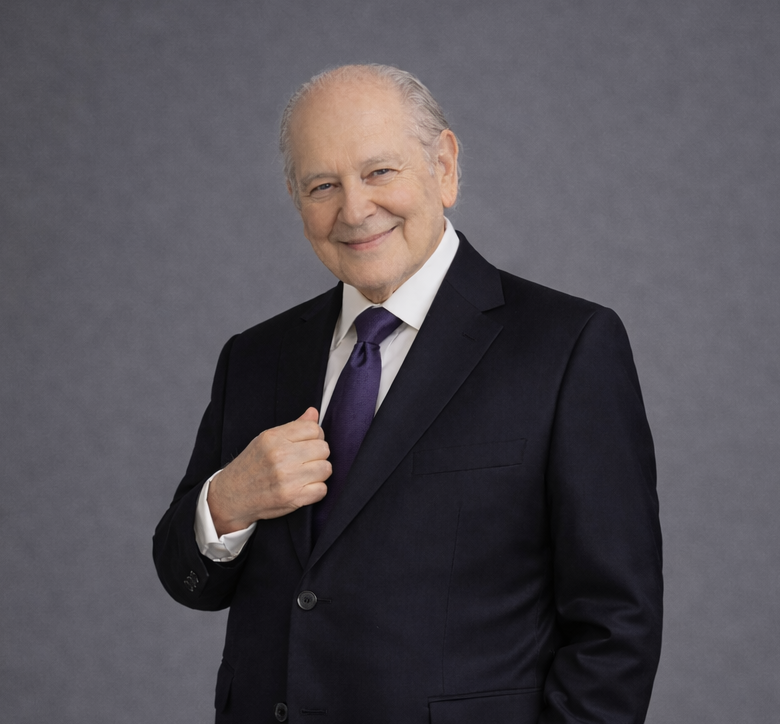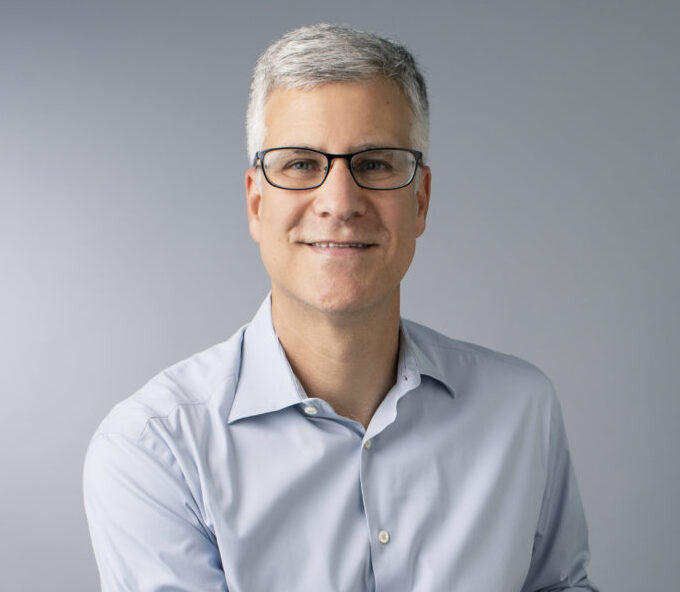

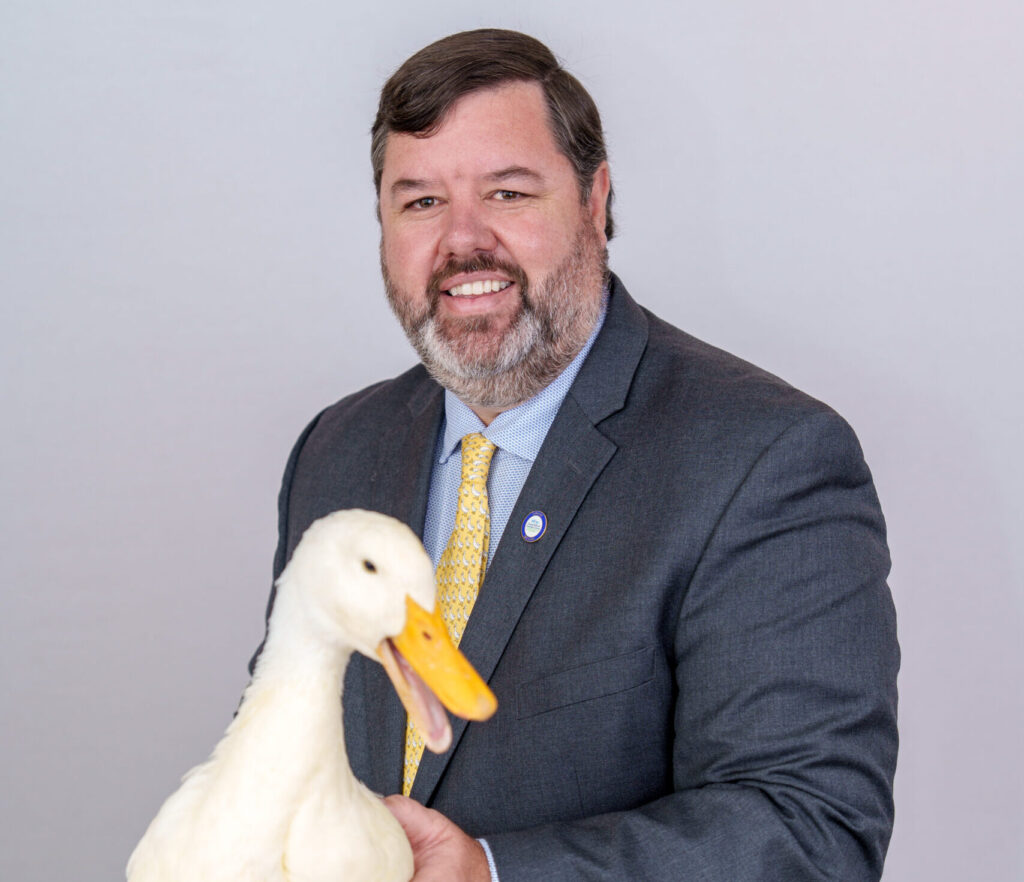
I recently went one-on-one with Aflac executive Keith Farley. Keith is Aflac’s Senior Vice President, Individual Benefits, where he is responsible for Aflac’s largest U.S. segment.
Adam: Thanks again for taking the time to share your advice. First things first, though, I am sure readers would love to learn more about you. How did you get here? What experiences, failures, setbacks, or challenges have been most instrumental to your growth?
Keith: I cut my teeth in marketing and the consumer packaged goods industry, working with brands like Coca-Cola and Black & Decker/DEWALT. It was the perfect training ground for studying and refining the consumer experience. We would do market research to understand the end-user and their practical needs and preferences would always help point to how we could outsmart the competition.
I transfer a lot of those learnings to the way we perfect financial services tools and the customer experience, and because of that, I take a little different approach than you might expect. I like to look holistically at the business environment beyond innovations in the insurance industry. Our customers are ordering pizza with a mobile app, booking flights with 3 clicks, and buying everything online from cars to groceries. If the making and delivery of a pizza can be tracked, measured, and improved, then we have to look at how we can deliver a similar experience with insurance benefits. Ultimately, we are not only engaging our immediate competition for business, but we are also up against the entire consumer ecosystem, competing for each customer’s dollars and how they choose to spend or invest them. The positive experiences they have with one brand becomes the new baseline for all brands.
At Aflac, I moved into the innovation world by doing the unexpected – I moved my family to Northern Ireland for four years to effectively build a technology start-up for Aflac and now, I’m stateside – managing Aflac’s largest P&L. With 2000+ employees and a call center that takes 15,000 calls daily, my side of the business is working directly with consumers and end-users.
Adam: In your experience, what are the key steps to growing and scaling your business?
Keith: I see two main ways to grow business: 1. Winning new business, and 2. Keeping that business. At Aflac, we talk a lot about persistency, meaning keeping the customer for the long-haul because, as with many financial service industries, the initial purchase or acquisition is only the beginning. That’s because, particularly with insurance products, after a customer makes their initial selection and purchases the product, it is out of sight and out of mind until they experience a health event. That could be a routine checkup, an accident, an illness, or any other reason for hospitalization.
That’s why it is so important to create and build upon the ways that the customer uses the product. One way we do that is by offering a wellness benefit with most of our policies. So even when a customer is healthy, we can pay them a benefit for going to a checkup and have the opportunity to remind them of the value of their purchase with our company.
We also must continuously build trust. Customers are grateful for service that goes the extra mile, but they remember the service that falls short. We are a trust-based business. As I alluded to above, we don’t sell a tangible product. You don’t twist off the top for a refreshing taste or cut 2x4s with a long-lasting battery. We sell a promise, and trust is the glue that binds that long-term relationship with customers.
Adam: What are your best tips on the topics of sales, marketing, and branding?
Keith: The best tip I can give is to remember just how much the customer experience is tied to the long-term success of any brand or sales strategy, and it is not one-size-fits-all. It is important to think beyond generational and demographic differences by also looking at why and how customers are experiencing your brand.
In insurance, some customers contact us for smaller things, maybe to change their address or add a dependent. Then there are times that things are more urgent requests, like filing a claim to receive money to help pay your bills while recovering from an accident or fighting an illness. While each of these touchpoints requires a different approach and level of empathy, they all require care and an experience that builds on trust. The key is designing your sales and marketing strategy around these specific customer moments rather than broad assumptions about generational or other demographic differences. And you have to be omni-channel, as the same customer may want a different experience depending on what they are doing.
Adam: What is your best advice on building, leading, and managing teams?
Keith: There are two things I look at when building a team – the first is curiosity. Curiosity brings innovation and new thinking and questioning why things are the way they are, and can’t be another way – that is critical for innovation. The second thing I look for is empathy, which is critical in our business. We have 50 million policyholders, and when they file a claim, it’s often on the worst day of their lives. They’ve been diagnosed with a disease, they’ve lost a loved one, or maybe they’ve broken an arm and are in pain. If they don’t see, hear, and feel real people on the other end of their exchange, we’ve fallen short of their expectation, and therefore can’t hope to satisfy the customer.
Adam: What do you believe are the defining qualities of an effective leader? How can leaders and aspiring leaders take their leadership skills to the next level?
Keith: One of the best things a leader can do is to give their teams leeway to surprise and delight the customer. My employees come to work every day with fresh perspectives and direct customer insights that I simply don’t have in my leadership role. When leaders step back and trust their teams to make decisions, innovation happens naturally. The key is setting clear expectations around outcomes while giving people the freedom to determine how they get there. And you would be surprised by how much employees appreciate that trust, because everyone enjoys success and a sense of accomplishment. I think giving employees freedom to succeed is a motivating force.
Adam: How can leaders cultivate a culture of innovation?
Keith: Innovation thrives when employees feel empowered to identify trouble spots and develop solutions without waiting for approval from above. The best ideas often come from the people who interact with customers daily and understand exactly where we can make their experience smoother and better. For a customer, owning your product is only one piece of the puzzle, and it is the service experience where all of the pieces fall into place. Providing latitude to your employees to help enhance the customer experience – one that leans into human interaction when the world is moving towards AI – now that, that is different.
Adam: What are the most important trends in technology that leaders should be aware of and understand? What should they understand about them?
Keith: Unequivocally, Artificial Intelligence. AI serves as a superpower collaborator, but remember, the first letter in ‘AI’ stands for Artificial, and at a time when things are going wrong and you need support, you may value another A: authenticity. At Aflac, I see AI as augmenting workers rather than replacing them. AI can take over routine tasks, making their jobs more strategic and, most importantly, allowing them to focus on the human touch. To that end, in this age of AI-driven algorithms, human beings are, ironically, Aflac’s secret sauce. Our people are our path to providing the type of personalized and personal service customers expect. AI helps them spend more time doing just that.
Adam: What are your three best tips applicable to entrepreneurs, executives, and civic leaders?
Keith: My best advice for leaders and executives is this:
Take the customer journey as often as you can – this will help you uncover your customer’s greatest pain points and fix them.
When it comes to the competition, always keep them guessing and be different. Offering a unique alternative will help you to shine against the brightest stars.
Lead with your own humanity. We are human after all – in the business of buying and selling to humans, with feelings, emotions, goals, and objectives. When we’re willing to lead with humility, sharing our imperfections and mistakes and lessons learned, our people are more inclined to learn from theirs and share from their uniquely human experience as well.
Adam: What is the single best piece of advice you have ever received?
Keith: Our CEO, Dan Amos, who incidentally will be the longest tenured CEO in the Fortune 250 in January when Warren Buffett retires, has three principles that he lives by, and I am happy to embed them into my thinking as well. You can apply them to almost any significant decision in your life, whether business or personal.
First, don’t risk a lot for a little.
Second, don’t risk more than you can afford to lose.
And third, always consider the odds.
It is amazing how these rather simple nuggets can improve your decision-making and provide solace if a decision doesn’t work out. It gives you the confidence that you made the best decision you could make at the time, given the information you had. I use them all the time.