

Stepping into a leadership role for the first time is exciting. It is also one of the hardest transitions in any career. Many new managers earn their promotion because they have consistently performed at a high level as individual contributors. They knew how to get things done, meet deadlines, and deliver results.
But leadership changes the game. Suddenly, success is no longer measured by personal achievements. It is measured by the collective success of the people you lead. What matters most is not how fast you can work, but how effectively you can guide others to work well together.
Over the years, through interviews with top leaders in business, sports, government, and the military, and through countless conversations with emerging managers across industries, I have seen a consistent truth. The best new leaders are not the ones who know everything on day one. They are the ones who stay curious, seek feedback, and commit to learning how to bring out the best in their people.
That learning begins with three essentials: support, clarity, and skill. Every first-time manager needs organizational support to succeed, clarity on expectations and priorities, and the right leadership skills to inspire, coach, and communicate. When these come together, new managers can lead confidently and create real impact, not just for their teams but for the entire organization.
Here are the leadership skills every new manager needs to thrive in 2025 and beyond.
Clear and Confident Communication
Communication is the foundation of effective leadership. It is also one of the first areas where new managers stumble. When you move from doing the work to leading others, the quality of your communication determines how well your team performs.
Many new managers hesitate to be direct because they want to avoid conflict or come across as overly critical. Others assume their team already knows what to do. But people cannot deliver on expectations that were never clearly defined. Great leaders communicate in a way that removes confusion and builds confidence.
Strong communication comes from four key habits:
- Clarity: Be specific about what success looks like. Replace vague statements like “Do your best” with clear direction, such as “Our goal is to complete the project by Friday with no errors.” Clarity keeps everyone focused.
- Consistency: Your team should always know where you stand. Consistent communication means following up regularly, keeping your tone steady, and aligning your words with your actions.
- Curiosity: Leadership is not a one-way broadcast. Ask questions, invite input, and listen with the intent to understand. Curiosity helps you uncover problems before they grow and shows your team that their voices matter.
- Confidence: Deliver your message with conviction. Confidence does not mean being loud or dominant; it means speaking with calm assurance and belief in your vision and your team.
When leaders communicate with clarity, consistency, curiosity, and confidence, teams stay aligned, engaged, and motivated. They know what to do, why it matters, and how their work connects to the bigger picture.
The Ability to Build Trust Quickly
Trust is the currency of leadership. Without it, nothing moves. With it, everything becomes possible. A team that trusts its leader will take risks, share ideas, and give its best effort. A team that does not will play it safe, stay silent, and hold back.
For new managers, building trust is often the biggest and fastest test of leadership. Your title might grant you authority, but it does not guarantee respect. Trust has to be earned, and it is built in the small, everyday moments that show your team who you really are.
Trust grows when leaders:
- Follow through on commitments: When you say you’ll do something, do it. Even small follow-ups signal reliability and integrity.
- Listen without judgment: People open up when they feel heard. Listening fully, without interrupting or rushing to solve, builds psychological safety.
- Admit when you don’t have every answer: Pretending to know everything erodes credibility. Admitting uncertainty shows honesty and confidence in learning.
- Show respect to everyone equally: Teams watch how leaders treat others. Respecting every person, regardless of role or opinion, sets the tone for the entire group.
New managers earn trust not through titles or authority but through consistent action. Each time you follow through, listen carefully, and treat others with respect, you reinforce that trust is safe to give. Over time, these behaviors create a culture of openness and loyalty; the kind of trust that turns good teams into great ones.
Delegation That Empowers Rather Than Overwhelms
One of the hardest adjustments for new managers is learning to let go. When you’ve built your career on doing great work yourself, it can feel risky to hand off responsibilities to others. The instinct to hold on often comes from a good place; you want things done right. But when managers try to do everything themselves, two things happen: they burn out, and their team stops growing.
Delegation is not a sign of weakness or laziness. It is a sign of trust and strategic thinking. It shows that you believe in your team’s potential and that you understand your job has shifted from “doing” to “developing.”
Effective delegation is built on three pillars:
- Clarity about expectations: Be specific about what needs to be done, why it matters, and how success will be measured. Don’t just assign a task; communicate the desired outcome.
- Support with resources: Give your team what they need to succeed, whether that’s information, training, or time. People perform best when they feel equipped, not left guessing.
- Accountability through follow-up: Delegation doesn’t end when you hand off a task. Check in regularly, offer feedback, and celebrate progress. Accountability keeps momentum and shows that you care about the results.
Delegation is not dumping tasks on people. It is developing people through trust, support, and shared ownership. When leaders delegate effectively, they multiply their impact. Their teams become more capable, confident, and ready to take on bigger challenges, freeing the manager to focus on what only they can do.
Giving Feedback That Encourages Growth
Feedback is one of the most powerful tools a leader has and one of the most underused. The higher you rise, the more important feedback becomes. Yet many new managers struggle with it. They worry about hurting someone’s feelings, creating tension, or being seen as too harsh. So they avoid the conversation altogether. The problem is, silence helps no one grow.
Feedback is not criticism. It is information. When delivered thoughtfully, it becomes a roadmap for improvement. It shows your team that you care enough to help them succeed, not just to point out mistakes. The goal isn’t to judge; it’s to develop.
Good feedback has four qualities:
- Timely: Don’t wait weeks to bring up an issue or recognize success. Feedback has the most impact when it’s close to the moment it happens.
- Specific: General comments like “Do better next time” are unhelpful. Point out exactly what worked or what needs adjustment, and why.
- Focused on behaviors: Talk about actions, not personalities. For example, “Let’s work on improving how we handle client updates” is far more productive than “You’re not good at communication.”
- Delivered with belief in the person’s potential: Feedback should inspire, not deflate. When people feel you believe in them, they listen and take action.
People genuinely want to get better. They want to know where they stand and how to improve. Leadership means creating an environment where feedback is normal, safe, and growth-oriented. When managers make feedback part of everyday conversation, they don’t just correct problems; they build stronger, more self-aware teams.
Emotional Intelligence and Empathy
Leadership is, at its core, a people business. Processes, plans, and performance metrics all matter, but what truly drives teams is the human connection between leaders and their people. Emotional intelligence, the ability to understand and manage your own emotions while recognizing and responding to the emotions of others, is what allows leaders to build that connection.
For new managers, empathy is the entry point to emotional intelligence. It helps you see beyond tasks and deadlines to the real experiences and motivations of your team. When you take time to understand what people are going through, you earn their trust and respect, and you unlock their best work.
New managers can show empathy by:
- Asking open questions: Replace “Everything good?” with “What’s been going well this week, and what’s been challenging?” Genuine curiosity builds understanding.
- Checking in often: Don’t wait for formal reviews to see how people are doing. Regular, informal check-ins create space for honest conversation.
- Considering others’ perspectives: Before reacting to mistakes or frustration, pause to see the situation through your team member’s eyes. It often changes how you respond.
- Recognizing real effort: People need to feel seen. A simple “I noticed how much time you put into that project” can go a long way in making someone feel valued.
When people feel understood, they perform at a higher level. Empathy does not mean lowering standards or avoiding tough conversations; it means leading with humanity. The best managers blend accountability with compassion. They care about both the work and the people doing it, creating a culture where individuals feel safe, supported, and inspired to give their best.
Managing Conflict With Confidence
Conflict is not a sign that something is wrong; it’s a sign that people care. When smart, passionate individuals work together, disagreements will happen. What matters is not whether conflict exists, but how a leader handles it. Ignoring tension or brushing issues aside doesn’t make them disappear. It makes them grow quietly until they damage trust, morale, and performance.
Leaders who manage conflict well approach it with calm, clarity, and curiosity. They don’t take sides impulsively or react emotionally. Instead, they create an environment where people feel safe to speak up and work toward resolution.
Strong conflict management:
- Focuses on solutions: Keep the conversation centered on what can be done to move forward rather than what went wrong. Ask, “What can we both do to fix this?” instead of “Who’s at fault?”
- Separates the person from the problem: Critique the issue, not the individual. This prevents defensiveness and keeps the dialogue constructive.
- Creates space to understand both sides: Listen to each perspective before deciding. People feel respected when their viewpoints are heard, even if the final decision differs.
- Reinforces expectations moving forward: Every conflict is a chance to clarify standards, communication, and accountability. Use it to reset and strengthen team alignment.
Handled well, conflict can actually strengthen relationships rather than weaken them. It builds mutual respect, sharpens problem-solving skills, and deepens trust. For new managers, learning to face conflict with confidence is one of the most powerful leadership lessons because peace is not the absence of disagreement but the presence of understanding.
Prioritization and Decision-Making
One of the toughest parts of being a new manager is realizing that you can’t do everything. The higher you rise, the more demands come your way: emails, meetings, projects, and people all competing for your attention. Everything feels urgent. But leadership is not about doing it all; it’s about deciding what truly matters and making those decisions visible to your team.
Great leaders know that focus is a form of strength. They protect their time and their team’s energy so that effort goes where it counts most. Without clear priorities, teams spin in circles, working hard but not necessarily moving forward.
Effective leaders:
- Protect time for what drives results: Schedule your calendar around high-impact work and strategic thinking, not just reacting to every request that appears.
- Simplify instead of complicate: When priorities pile up, step back and cut the noise. Simplicity builds clarity, and clarity builds speed.
- Base decisions on values and data: Values guide what matters most; data informs what works best. Together, they help leaders make sound, balanced choices.
- Help their teams focus: It’s not enough for you to know the priorities; your team must know them too. Communicate clearly and keep reinforcing what’s most important.
A manager who prioritizes well creates direction and momentum. They help their teams spend less time guessing and more time executing. The result is not just better performance but greater confidence and calm, because everyone knows what matters most and why.
Confidence in Leading Through Change
Change is one of the few constants in leadership. Whether it’s a new company direction, team restructure, or shifting market conditions, leaders are always guiding people through uncertainty. For new managers, this can feel daunting. You may not have all the answers, and that’s okay. What your team needs most from you is confidence, clarity, and composure.
People look to their leaders for cues on how to respond. If you panic, they panic. If you stay calm and focused, they find reassurance. Confidence during change doesn’t come from pretending everything is perfect. It comes from acknowledging challenges honestly while reinforcing the team’s ability to adapt and succeed together.
New managers can lead through change effectively by:
- Communicating the purpose behind change: People handle uncertainty better when they understand the “why.” Be transparent about the reasons and the benefits, even if the path forward isn’t fully defined.
- Giving people structure and support: Provide clarity about what stays the same and what will shift. Offer tools, training, or check-ins to help people adjust smoothly.
- Modeling positivity and resilience: Your mindset sets the tone. Approach change as an opportunity to grow rather than a threat to stability. Optimism and resilience spread quickly.
According to research from Harvard Business Review, organizations led by managers who communicate clearly and consistently during periods of change see significantly higher engagement and stronger overall performance. When leaders explain the purpose behind the change and help their teams understand how their work connects to the bigger picture, they reduce uncertainty and strengthen commitment across the organization.
Confidence is contagious. When leaders stay steady, teams stay steady. The ability to lead with assurance during change not only builds credibility; it also defines a leader’s lasting impact. Great managers turn uncertainty into progress by guiding their teams with patience, empathy, and belief in what’s possible.
A Real-World Example of New Leaders Growing Fast
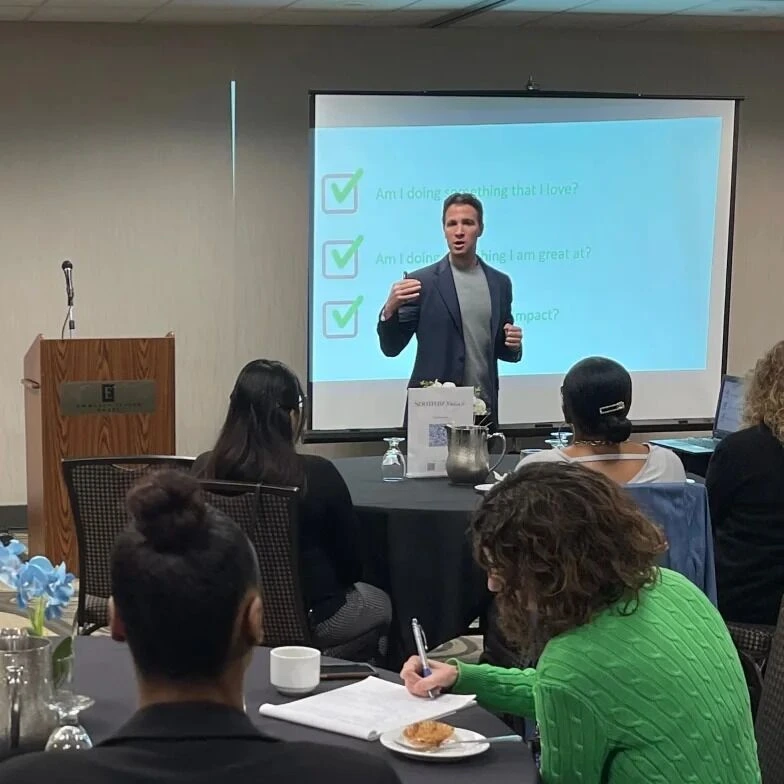
Not long ago, I spoke to a group of newly promoted managers at a company in the middle of a major transformation. The organization was changing direction, introducing new systems, and asking its leaders to take on greater responsibility almost overnight. Understandably, many of these first-time managers felt uneasy.
Some were nervous about giving feedback to team members who had more years of experience than they did. Others struggled to balance being liked with being respected. A few admitted they weren’t sure how to motivate people who were anxious about the company’s future.
Over the course of our sessions, we focused on practical leadership tools: clear communication, active listening, and confidence under pressure. They practiced real conversations, role-played feedback sessions, and learned how to build trust through small, consistent actions.
The transformation was noticeable. Within weeks, these managers began to lead with more assurance. They became stronger communicators, better motivators, and more trusted team builders. What changed wasn’t just their knowledge; it was their belief in themselves.
In fact, as one of the leaders I interviewed recently put it, “Leadership is like a muscle; it grows stronger the more you work it.” That means the skills we’ve covered here aren’t meant to be perfect the moment you step into a manager role; they’re meant to be applied, practiced, reviewed, and refined. See more on the mindset of growth in his piece Simplify the Complex: Interview with Jim Heidenreich, CEO of Merrithew, which dives into how consistent effort, feedback, and learning build leadership over time.
They walked away with a lesson that every new leader eventually learns: leadership is not about perfection; it is about progress. Growth happens when you step into discomfort, keep learning, and lead with intention. That is what great leadership development creates: confidence built through experience and progress built one day at a time.
Final Thought
Becoming a leader is one of the most meaningful milestones in anyone’s career. It marks the shift from focusing on personal achievement to helping others achieve theirs. Yet it is also one of the most challenging transitions. New managers deserve not only the title but also the support, mentorship, and skills they need to succeed.
When leaders learn to communicate clearly, build trust, delegate with purpose, coach effectively, manage conflict, and lead with empathy, they create teams that perform at their highest level. They cultivate workplaces where people feel valued, motivated, and connected to a shared purpose. Strong leadership doesn’t just elevate individuals; it strengthens entire organizations.
Great leaders are built, not born. They grow through self-awareness, practice, and the willingness to keep improving. Every new manager who commits to learning these essential skills takes the first step toward becoming the kind of leader people want to follow.
Key Takeaway
Leadership is not a single skill but a collection of habits, mindsets, and daily choices. New managers thrive when they learn to communicate clearly, build trust quickly, empower others through delegation, deliver feedback that inspires growth, lead with empathy, handle conflict calmly, prioritize effectively, and stay confident in times of change. When these abilities come together, they create leaders who don’t just manage; they elevate everyone around them.
FAQs
1. What is the most important leadership skill for new managers?
Clear communication is the foundation. It ensures that expectations, goals, and feedback are understood, helping teams stay aligned and productive.
2. How can new managers build trust quickly?
Follow through on commitments, listen without judgment, and treat everyone with respect. Trust is built through consistency and authenticity, not authority.
3. Why do new managers struggle with delegation?
Many were promoted for being great individual contributors. The challenge is shifting from doing the work themselves to empowering others to do it well.
4. How should a manager give feedback without discouraging employees?
Keep it timely, specific, and focused on behavior, not personality. Deliver feedback with empathy and belief in the person’s potential to grow.
5. How can new leaders handle change with confidence?
Be transparent about the purpose of change, give people structure, and model calm resilience. When you stay steady, your team does too.