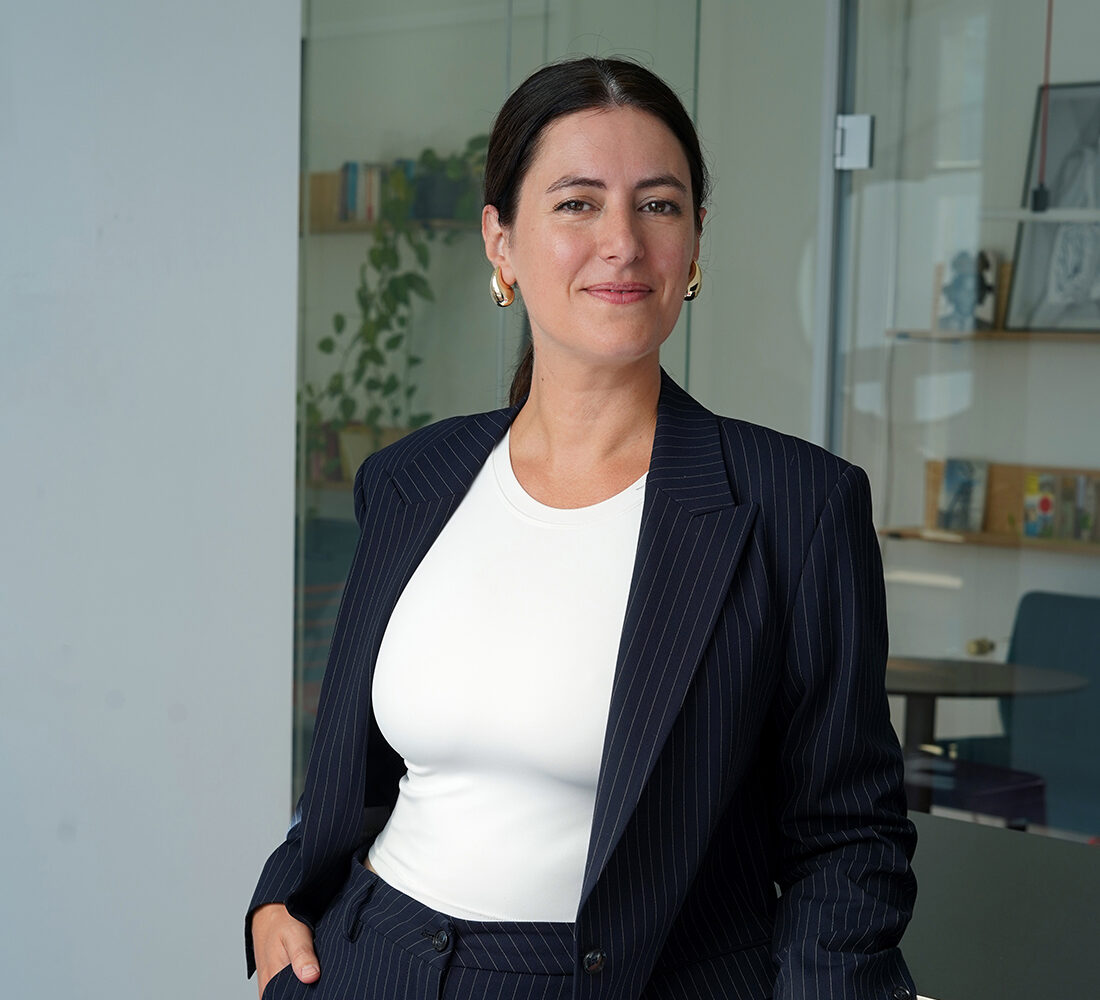

I recently went one-on-one with Leah Solivan. Leah is the founder of TaskRabbit, the founder of The Precedent Collective, and Managing Director of Precedent.vc.
Adam: Thanks again for taking the time to share your advice. First things first, though, I am sure readers would love to learn more about you. How did you get here? What experiences, failures, setbacks, or challenges have been most instrumental to your growth?
Leah: I got here by surviving a lot of moments that easily could have ended the company: running out of cash, hard hiring decisions, rebuilding product strategy, and convincing the world that strangers would trust each other enough to trade tasks for money. Those moments taught me that resilience isn’t about pretending things are easy; it’s about staying anchored to your mission while adapting relentlessly to reality. One of the biggest lessons for me was learning that conviction and flexibility can coexist. The best founders aren’t stubborn about tactics. They’re stubborn about outcomes, and willing to change their approach when the data changes. That’s true whether you’re building a company or, as I’m doing now with Precedent, building a fund.
Adam: How did you come up with your business idea? And what advice do you have for others on how to come up with great ideas?
Leah: TaskRabbit came from a very ordinary frustration. It was a cold, snowy night in Boston; I was heading out to dinner, and I realized we were out of dog food for our dog, Kobe. I remember thinking, “I’d happily pay a neighbor to grab some for me … why isn’t there a way to do that?” The best ideas often come from friction points hiding in plain sight: the things people tolerate every day because “that’s just how it works.” My advice is to pay attention to inefficiencies, especially those that trigger an emotional reaction. Great businesses usually emerge when you pair a real human problem with a structural shift in technology or behavior and when you keep asking, “Does it really have to be this way?”
Adam: How did you know your business idea was worth pursuing? What advice do you have on how to best test a business idea?
At the beginning, I didn’t know TaskRabbit would become a massive business; I just knew the behavior made intuitive sense. The earliest signal wasn’t hype; it was repeat usage and trust forming between strangers. That told us we were solving a real problem, not a hypothetical one. The best way to test an idea is to get it into the real world quickly and watch what people do, not what they say. People are very good at telling you something sounds interesting, and much less reliable at predicting whether they’ll actually change their behavior.
Adam: What are the key steps you have taken to grow your business? What advice do you have for others on how to take their businesses to the next level?
Leah: One of the biggest growth lessons at TaskRabbit was realizing that sustainable scale comes from systems, not hustle. We focused relentlessly on building trust infrastructure, verification, reliability, customer experience, and operational discipline. Growth without trust eventually breaks down. As companies grow, founders also have to evolve from being the person doing everything to being the person who builds the machine. The next level usually requires more focus, more delegation, and clearer strategic thinking … not simply working harder.
Adam: What are your best sales and marketing tips?
Leah: The best marketing is connecting with your audience via storytelling. You have to have a compelling story. People don’t connect with companies; they connect with how the company makes them feel and how they treat their users.
Adam: In your experience, what are the defining qualities of an effective leader? How can leaders and aspiring leaders take their leadership skills to the next level?
Leah: The best leaders combine conviction with adaptability. They can make hard decisions under uncertainty while staying intellectually honest enough to change course when new information emerges. I also think great leadership requires emotional steadiness. Teams don’t need leaders who panic at every market swing or headline; they need leaders who can absorb complexity, communicate clearly, and create focus in the middle of chaos.
Adam: What is your best advice on building, leading, and managing teams?
Leah: Hire missionaries, not mercenaries. Skills matter, but alignment around mission, curiosity, and resilience matters even more, especially during the hard stretches. As a leader, your job isn’t to have all the answers. Your job is to create clarity, trust, and accountability so the team can execute well even when conditions are uncertain.
Adam: What are your three best tips applicable to entrepreneurs, executives, and civic leaders?
Leah: First, anchor to a long-term thesis instead of reacting to every short-term narrative swing. Second, treat focus as a strategic advantage. Saying no is often more important than saying yes. And third, build trust before you need it, because trust is the foundation that carries organizations through volatility.
Adam: What is the single best piece of advice you have ever received?
Leah: One of the best pieces of advice I ever received was: “The pivot is the point.” Most people assume successful companies are built through perfect execution of the original idea, but in reality, success usually comes from adapting intelligently as the world reveals itself. That advice changed how I think about leadership. Flexibility isn’t weakness; it’s often the difference between surviving and disappearing.