

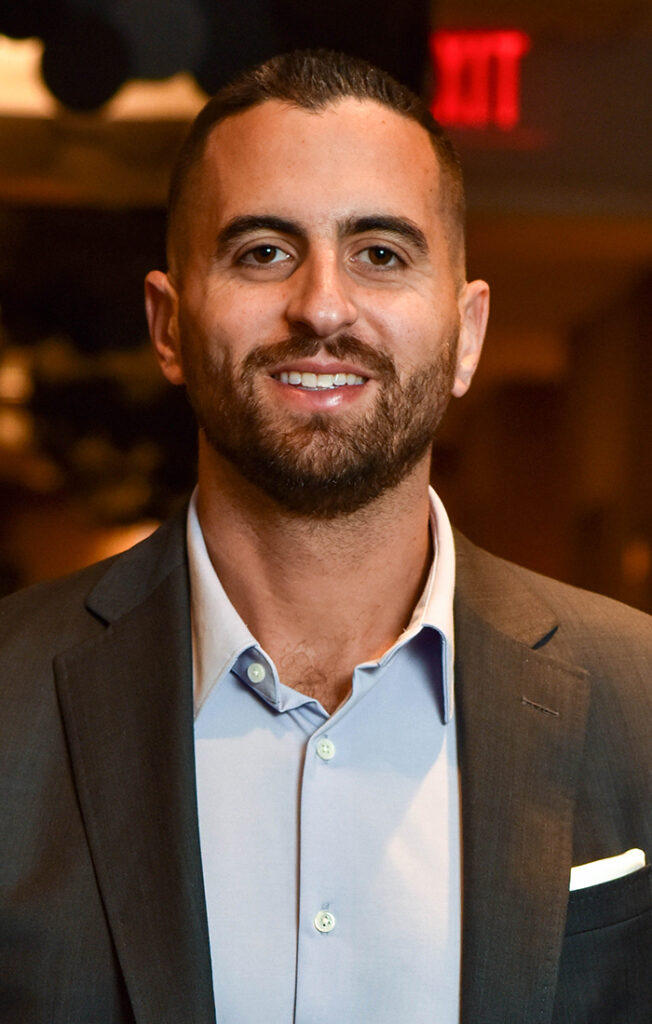
I recently went one-on-one with Paul Herskovitz, founder and CEO of Discount Lots.
Adam: Thanks again for taking the time to share your advice. First things first, though, I am sure readers would love to learn more about you. How did you get here? What experiences, failures, setbacks, or challenges have been most instrumental to your growth?
Paul: I started my journey in the world of e-commerce, which proved for me to be a space that taught me how to move quickly, think strategically, and optimize constantly. I learned the importance of making things easier for the customer, which eventually led me to the basic approach for building Discount Lots. But my biggest growth did not come from success as I expected; it came from frustration. A few years ago, I tried to buy a piece of land myself. I thought it would be simple, just like buying anything else online. Instead, I faced a bunch of administrative hurdles, complicated paperwork, and old-fashioned systems that seemed more like obstacles than helpful tools. For me, that was the wake-up call when I realized there was a huge gap in accessibility when it came to land ownership, especially for the regular Americans. That experience and how frustrated it made me gave me the idea of building Discount Lots in hopes of fixing a broken process instead of just sitting and complaining about it. I also strongly believed that real estate should be more accessible for everyone, instead of just the privileged few who knew the system inside out. The early days weren’t all rainbows and sunshine, as having made several mistakes, I used up all my savings, and learning how to build trust with customers who had had bad experiences with traditional land deals before wasn’t easy. Those challenges, though, actually taught me the value of transparency, education, and empathy in business, and every setback made me more intent on building something better.
Adam: How did you come up with your business idea? What advice do you have for others on how to come up with great ideas?
Paul: The best ideas are born out of lived experience, and for me, it was Discount Lots. It started when I faced countless challenges trying to buy land for myself, and I just couldn’t believe how outdated and opaque the process was. It wasn’t about reinventing real estate; I just wanted to simplify it for every regular person. If I had one piece of advice for other entrepreneurs, it would be to pay attention to your frustrations. When something doesn’t make sense, when it feels unnecessarily complicated or inaccessible, that’s often where the biggest opportunities lie. Chasing trends or copying what’s already working for someone else won’t get you too far. Solve the problems that are real to you, because if they’re real to you, they’re real to others too. A great business idea doesn’t have to be groundbreaking; it just has to remove a barrier that’s standing in people’s way.
Adam: How did you know your business idea was worth pursuing? What advice do you have on how to best test a business idea?
Paul: Being a big believer in validating ideas through data, not opinions, I didn’t build a full website or hire a team when I first had the concept for Discount Lots. I created a single landing page which clearly explained the idea in simple words as affordable land ownership with no middlemen. I ran a few targeted ads, and within a day, the response was overwhelming. Besides being curious, people were genuinely ready to buy. That’s when I knew I had something worth pursuing since the market validated the idea before I invested heavily in it.
For anyone testing a business idea, my advice is to start small and move fast. Getting stuck on planning for long periods doesn’t help you one bit; just test your idea in the simplest, leanest way possible. You don’t need perfection, you need proof. Gathering real feedback from real customers gives you a head start as it allows you to better refine your product without wasting too much money on your assumed ideas.
Adam: What are the key steps you have taken to grow your business? What advice do you have for others on how to take their businesses to the next level?
Paul: Growth comes down to one word: systems. From the very start, I focused on building processes that could scale customer trust, team alignment, and operational efficiency, along with revenue. We adopted automation early, making everything from lead generation to customer communication much more efficient, which allowed us to move faster without sacrificing on our product quality. We also made education a key part of our brand by helping first-time buyers understand land ownership so they could navigate the process with full confidence. That transparency built loyalty and word-of-mouth referrals that fueled organic growth.
For those looking to scale, I would advise them to go deep, not wide. Chasing every opportunity you see will drain you, so focus on the one that best matches with your mission and has the most potential for long-term value. Growth is not about doing more; it’s about doing what matters most, better.
Adam: What are your best sales and marketing tips?
Paul: Educate first, sell later. Most people make the mistake of treating sales like a transaction when it should be a transformation. When customers understand what they’re buying, why it matters, and how it benefits them, they don’t need to be convinced; they will choose you naturally. We focus on storytelling and transparency. Instead of pushing listings, we share success stories from real buyers who turned their land into homes, investments, or legacies. It’s about showing what’s possible. Also, data is your best friend. Know who your audience is, where they spend time, and what they care about. Tailor your message to speak to their aspirations, not your features. The goal isn’t to sell land, it’s rather to sell opportunity.
Adam: In your experience, what are the defining qualities of an effective leader? How can leaders and aspiring leaders take their leadership skills to the next level?
Paul: Great leaders are defined by how much clarity they provide. Leadership, to me, is about alignment. It’s making sure every person on your team knows why they’re doing what they’re doing. The defining qualities I’ve found most important are self-awareness, adaptability, and humility. You can’t lead effectively if you’re afraid to listen, or if your ego is louder than your purpose. The best leaders I know are those who create space for others to grow into their strengths.
To take your leadership skills to the next level, surround yourself with people who challenge you, and not just agree with you. Growth happens when you’re uncomfortable. And remember that the goal of leadership isn’t to be the smartest person in the room, it’s to build a room full of smart people who share your vision.
Adam: What is your best advice on building, leading, and managing teams?
Paul: Overcommunicate your mission. People don’t just want to know what they’re doing, they want to know why. Every time we hire, we focus on character first and skills second. Skills can be taught, but integrity, curiosity, and empathy cannot. Once you have the right people, empower them. Give them ownership, trust their decisions, and celebrate small wins along the way. Teams perform best when they feel connected to something meaningful and see their fingerprints on the outcome. The culture you build isn’t written in a handbook; it’s actually reflected in how you show up as a leader every day.
Adam: What are your three best tips applicable to entrepreneurs, executives, and civic leaders?
Paul: Solve real problems. The best businesses and initiatives start by addressing something that’s broken or missing. If it doesn’t serve a genuine need, it won’t last.
Lead with empathy. Whether you’re running a company or a community, people respond to authenticity and care.
Iterate fast with intention. Don’t wait for perfect conditions. Start, learn, adapt, and improve as you go. Momentum creates clarity.
Adam: What is the best advice you have received?
Paul: “Don’t build a business. Build a system that solves problems without you.” That advice completely reframed how I think about entrepreneurship. A business built around one person’s effort will always be limited. But a system, one that educates, automates, and scales, can make an impact far beyond the founder.
Adam: Is there anything else you would like to share?
Paul: It’s important to know that entrepreneurship is not about chasing growth; it’s about creating consistent value. Every milestone reminds me that success is never a finish line; it’s a ripple effect. If what you build helps others move forward, you’re already winning.