
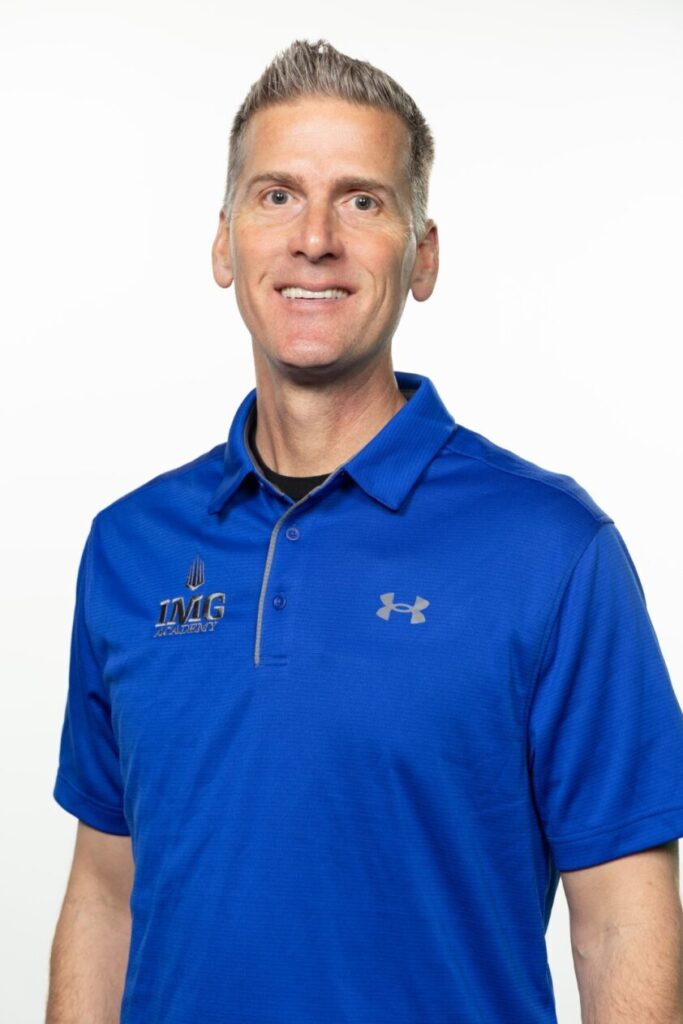
I recently went one-on-one with Dr. Pete Paciorek, Ed.D., Head of Leadership & Character Development at IMG Academy. Pete previously spent a decade playing minor league baseball in the Los Angeles Dodgers and San Diego Padres organizations.
Adam: Thanks again for taking the time to share your advice. First things first, though, I am sure readers would love to learn more about you. How did you get here? What experiences, failures, setbacks, or challenges have been most instrumental to your growth?
Pete: Thanks, Adam, for the opportunity to share insights on leadership. I grew up in a family that has produced 11 professional baseball players, so I have been fortunate to learn from some of the best in sports from an early age. During my own 10-year playing career, I had the privilege of being coached by some truly iconic leaders. For a short period in 2000, I played under the legendary Hall of Fame manager Tommy Lasorda during a weekend series when he returned to the dugout to lead our minor league team. That weekend changed our momentum, and we went on to win the California League Championship.
The trajectory of my professional playing career was halted after suffering a broken jaw from a pitched ball. I battled back after returning to the field, but I was not quite the same. After my playing career was over, early on, I embraced this same “grind it out” mentality, trying to do everything on my own. Like many athletes, I leaned too heavily into the “Mamba Mentality,” which, while powerful, can sometimes feed an ego-driven-flying solo approach to success. That mindset held me back in my late twenties. It wasn’t until I accepted my first college head coaching job in my early 30s that I understood the strength in leaning on mentors. It was at that point that I started building a network of mentors.
One of my greatest mentors is Fred Claire, the former GM of the Los Angeles Dodgers, who led the Dodgers front office for 30 years, including during their 1988 World Series run. Fred has been a trusted guide for me for more than 20 years as I transitioned from playing to coaching to athletic administration and into my current role at IMG Academy. His experience and wisdom have helped me navigate through the ups and downs.
The most instrumental force in my growth has been my commitment to continuous learning, from my own experiences and those of the people around me. My advice to the young athletes and sport management professionals I teach at IMG Academy and the University of Florida is simple: find mentors. You don’t have to go it alone. This is where my understanding and appreciation for Servant Leadership began to form. Since then, I have returned to college to earn two master’s degrees in leadership and Sport Management, as well as a doctoral degree in Servant Leadership & Character Development.
Adam: In your experience, what are the key steps to growing and scaling your business?
Pete: It all begins with a clear purpose. Your purpose and “why” shape your mission and guide your vision. Every successful business identifies a need, meets it, and then shows up consistently with a relentless desire to improve. At IMG Academy, we evolve constantly to meet the needs of our student-athletes and families. That spirit was modeled by our founder, Nick Bollettieri, who saw a need to provide holistic development for elite youth tennis players and built a visionary academy that now serves student-athletes from around the world from all sports.
As the head of our Leadership & Character Development program, my business serves the growth and flourishing of every student-athlete we encounter. I have spent the past 30 years
working closely with young student-athletes, authoring two books on youth development through sport, and delivering in-person and online programming to student-athletes at every level. Whether I’m working with a summer camper, a full-time student, or someone engaging with us through our online platform IMG+ or NCSA, the mission is the same.
Scaling any program or business requires passion, purpose, and consistency. These principles drive excellence, keep teams from settling for “good enough,” and prevent the stagnation that undermines long-term success.
Adam: What do you believe are the defining qualities of an effective leader?
Pete: Our curriculum at IMG Academy is anchored in three evidence-based frameworks. One framework is CViL (Cultivating Virtues in Leaders), developed by Dr. Marvin Berkowitz and Dr. Mindy Bier from the University of Missouri-St Louis. CViL identifies 12 core virtues that consistently show up in the best leaders across sports, business, and family life. Some of the key virtues that we focus on in our leadership and character development workshops include purpose, integrity, humility, joy, courage, forgiveness, gratitude, and empowerment. All qualities of an effective leader!
Also, a central belief that my staff and I have is that you must be able to lead yourself before you can effectively lead others. Everyone wants to lead the locker room or inspire a team in the huddle or boardroom. But leadership starts with daily consistency, showing up as your best self, and modeling what you expect from others. Effective leaders also bring empathy, care, and a strong sense of shared commitment.
Adam: How can leaders and aspiring leaders take their leadership skills to the next level?
Pete: Be where your feet are. Focus on the present. I see a lot of young professionals chasing titles or the next opportunity without fully embracing their current role. Pour into your team and pour into your position. When you commit to being excellent where you are, opportunities will come. Build habits that reflect reliability and excellence, and success will follow.
Adam: What are your three best tips applicable to entrepreneurs, executives, and civic leaders?
Pete:
1. “You have to do well in order to do good.” This advice is from Bill Shumard, the former long-time CEO of Special Olympics and another mentor of mine, and it has always stayed with me. To truly make a positive impact, you must be doing well in your own life: in your family life, in your personal wellness, in your finances, etc.
2. Prioritize intrapersonal development. It’s easy to get consumed by results, but great leadership begins with inner work and self-awareness. One model I use is Vulnerable Leadership, introduced to me by a mentor and developed by Dr. Kevin Navarro. The Vulnerable Leader focuses on being open, being authentic, and having humility. Brené Brown has also contributed powerfully to this space.
3. Use a proven daily framework or system to stay connected to your purpose, both collectively and individually. I use PRIMED, developed by Dr. Marvin Berkowitz, which is also the foundation of our upcoming book PRIMED for Competition: Coaching for Character. The acronym stands for: Purpose, Relationships of trust, Intrinsic motivation, Modeling, Empowerment, and Development. I spend three minutes at the start and end of each day walking through this system in my mind: “Did I model positive character for
my student-athletes today? How did I empower them today to be good leaders?, etc.” It helps me stay centered and connected to my “why.”
Adam: What is your best advice on building, leading, and managing teams?
Pete: Be real. That means having the courage to address issues directly rather than letting them linger. Be honest. Transparency may not always be fully possible, but your team needs your truth. And be visible. A mentor of mine once told me to “lead by walking around.” That simple advice has stuck with me: be present.
Adam: What are your best tips on the topics of sales, marketing, and branding?
Pete: Be bold. Identify a need and pursue it with passion. At IMG Academy, our brand speaks for itself, but what truly fuels our growth is the energy and commitment of our people. When your purpose is real, it shows. I wear IMG polos everywhere I go, and people often stop me to ask about the Academy. I am passionate about my role, so that kind of genuine enthusiasm is the best marketing there is.
Adam: What is the single best piece of advice you have ever received?
Pete: Again, it comes back to this: “Do well in order to do good.” Take care of yourself so you can show up fully for those you lead.
Adam: Is there anything else you would like to share?
Pete: Leadership is hard. Don’t wing it. Find frameworks that help you stay focused, grounded, and aligned with your purpose and goals. Those systems will support you when things get tough, and they will get tough.