
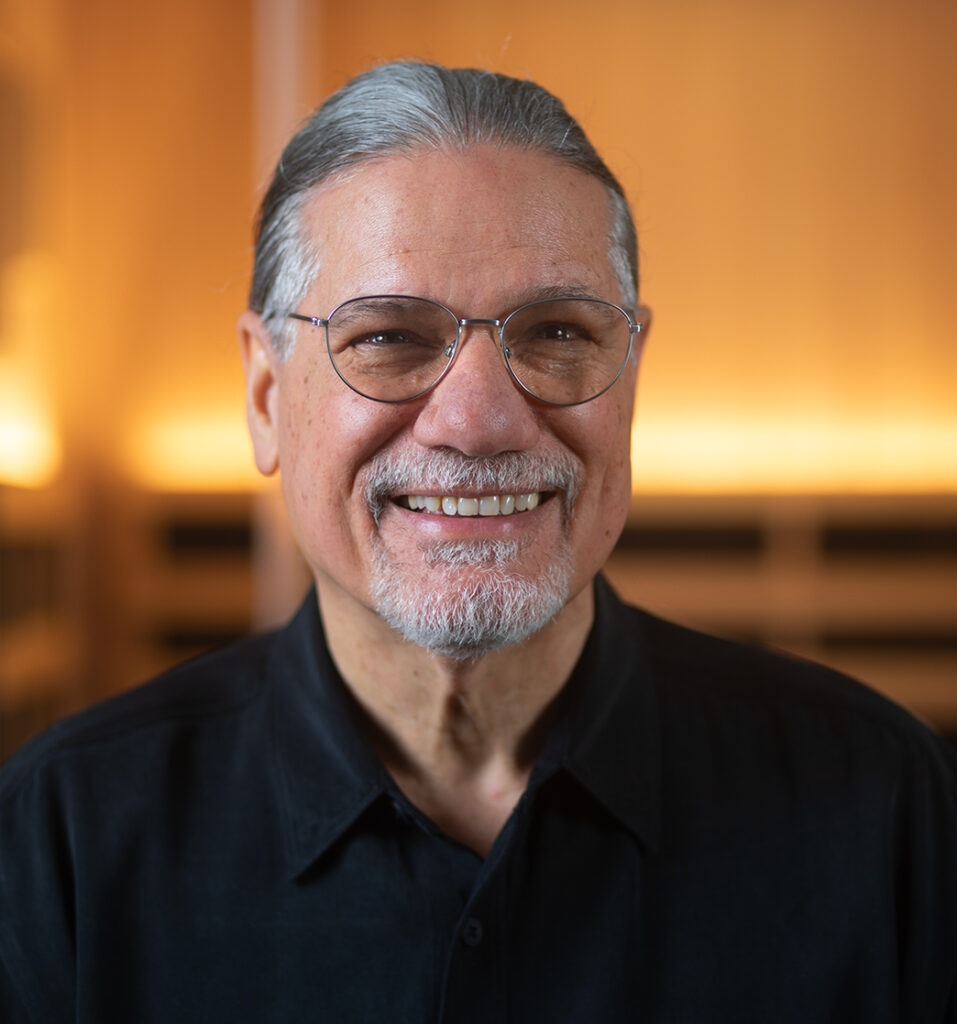
I recently went one-on-one with Dr. Raleigh Duncan, founder and CEO of Clearlight.
Adam: Thanks again for taking the time to share your advice. First things first, though, I am sure readers would love to learn more about you. How did you get here? What experiences, failures, setbacks, or challenges have been most instrumental to your growth?
Raleigh: I have always wanted to be an entrepreneur since I was a small boy. I saw so many people working regular jobs, but many didn’t seem very happy. Somehow, I was determined to build a better life for myself even at that young age. I had an uncle who was a traveling salesman. He had the gift of gab, always telling a joke, he drove fancy cars, and seemed to live a good life. He also always picked up the tab for lunch! I was pretty shy and admired him greatly. He had built a business where he would drive around and visit all the high schools in rural Kentucky to sell them band uniforms. Most or all of the schools, however, had little extra money for such things. He would then offer them a way to make the money for the uniforms by selling candy door to door in the communities. He would make double profit through both the sale of the uniforms and the candy. Everyone was very happy because they got what they wanted in the end. I marvelled at the simplicity and results he was able to foster.
In my teens, I started selling vacuum cleaners door to door in Cleveland, Ohio. That helped me get over my shyness, and I learned how to strike a good bargain, make money, and take care of my customers over time. We sold the highest quality products, and I had a good amount of success. I learned that if you do your best for your customers, they will also take care of you and tell their friends. I was about to embark on a completely new chapter in my life when I landed a job selling machine tools to businesses and manufacturers, and found that the same attention to selling high-quality products and taking care of customers was an unbeatable combination for success. I would, however, soon have other problems to deal with. In those days, the three martini lunch was the norm, and I came to like it a bit too much. At 24, I got to the point that I had to seek help for the disease of alcoholism. I was totally washed up on all accounts. I got sober, rebuilt my life, and have not had a drink ever since. That was an immense failure that I was able to turn into an asset by rebuilding my life and adopting positive beliefs and credos to guide my actions and life.
I kept working in the machine tool industry, applying myself, learning, and enjoyed almost 20 years figuring out how to help companies make better products. At some point, however, I started getting a gnawing feeling that I had to learn how I could give back. It got to be an existential crisis, and I could feel that a big change was about to happen. It was not comfortable at all. I felt as though death was actually stalking me! I was also having good experiences going to a chiropractor. The changes I felt were remarkable. I felt better in my body, mind, and spirit over time. The treatments really helped me and also my whole family. I was curious how Chiropractic worked. How did these simple adjustments to the body make such a big change? One thing led to another, and I started taking night classes at a local college to get the science prerequisites to be able to be admitted to Chiropractic College to become a Doctor of Chiropractic. I ended up earning a Bachelor of Science degree. I was about to grow a lot more and moved my whole family out to California to start school to become a Doctor of Chiropractic. Chiropractic College is a lot like medical school, with much the same curriculum of sciences, diagnosis, chemistry, labs, anatomy, disease, radiology, microbiology, immunology, clinical reasoning, and so forth. The last half of four years includes practical adjusting and also treating patients in the clinic. I was challenged in ways that I could never have imagined. I worked harder than I had ever worked before in my life, and also had two teenage daughters at home as well. It was all so worth it because I grew in so many ways.
Adam: How did you come up with your business idea? What advice do you have for others on how to come up with great ideas?
Raleigh: The idea really hatched itself. When I was in Chiropractic College in the ’90s, I was running through my savings rather quickly, so I had to get another plan. To supplement my savings, I became a certified massage therapist as a way to make money between classes and on the weekends. I then set up my home like a day spa with a $500 used hot tub, and I also purchased a new fangled infrared sauna that I had seen in a magazine at a doctor’s office. At that time, you could become a dealer if you bought two from the manufacturer in Los Angeles. I did just that and was off and running with a new business! This was before people started marketing on the internet. The internet was actually still in its beginning phase. So I would go to home and garden shows, set up one or two of my saunas, and talk to people as they walked by and expressed interest. I was the company owner, CEO, salesman, truck driver, and installation person. It took several years to build momentum, but Health and Wellness was about to grab the World by storm! That was almost 30 years ago.
My passion was and is now to find ways to help other people heal and live better lives. The infrared sauna fit right into that passion and my overall goals. To come up with great ideas, look into areas that you have real interest in and see what is missing there. See where a change is needed, not thinking so much of how to make money, but how to be creative and serve the greater good with a better mousetrap, method, or thought. Great ideas will flow like water from that place.
The most important thing is to believe in what you are doing. From that simple belief comes passion and resolve. Both are necessary to be able to meet the down times that are part of starting a new business. The greatest thing to overcome is our own negative thinking. I started writing affirmations every day. I would come up with a phrase that I could believe and then write it three times, and then repeat the phrase out loud. I would do this for 30 days in a row, writing and repeating out loud every day and then twice a day for 20 days, and then once a day for 10 days, and so on. The phrase would change over time as I attained the stated goals. This would be typical: “We are building a tremendously successful sauna sales and service business. We will sell at least three saunas per week by February 20th 19__. This business is creating health, happiness, and prosperity for all.”
We were able to hit every goal that was ever written down, even as we grew the sales numbers over time. Today, we employ over 85 people in the US and sell many thousands of infrared saunas worldwide every year. I would encourage everyone who has a mind to increase their business to do likewise. You will be amazed at the results.
Adam: How did you know your business idea was worth pursuing? What advice do you have on how to best test a business idea?
Raleigh: I talked to other people that were smarter than me. I listened and took their counsel. There is an old saying that says, “If you are the smartest person in the room, you are in the wrong room.” When I first had the idea for my business, I talked to many people. Most told me that it was a bad idea, that it didn’t seem like there was a real business there. Somehow, I believed that there was a chance for this idea. I knew it was a great idea because I had seen so many changes in myself and others by using the product. It had “legs”. I took a chance and got a booth at a local health show, “The Whole Life Expo,” that was held in downtown San Francisco every year. It was a compilation of many different health approaches and companies, spiritual organizations, and many health practitioners. It was a very “New Age” meeting of the minds. Keep in mind, this was the mid-’90s! There were many speakers as well, and it was well attended. I had purchased two infrared saunas from the sauna manufacturing company in Los Angeles to get the wholesale price, and I was on my way. I carried the sauna to the show in wall sections in my ‘71 VW bus. My business was officially started!
Adam: What are the key steps you have taken to grow your business? What advice do you have for others on how to take their businesses to the next level?
Raleigh: We have offered a lifetime warranty on our saunas for the last 17 years. This has allowed our customers to have confidence in our products, our rationale, and our company. We stand apart from our competition because of this warranty. It has also informed us how to build a better product. We have always been innovating constantly for the last almost 30 years. These have sometimes been bold advancements, such as taking EMF out of our heaters, but many changes have been incremental advancements occurring over many years. A better product gets better word-of-mouth advertising. We keep our customers happy, and they talk about us.
We have also paid attention to style, look, and feel, and always used the best materials and components. We stand in a field by ourselves. We have also used the Internet to good advantage as a marketing tool. We were able to secure the web address that describes our product line. For many years, this allowed us a very high placement in the search engines without having to advertise.
Adam: What are your best sales and marketing tips?
Raleigh: I think consistent advertising campaigns work best. A/B testing is a must to fine-tune any campaign. Appeal to the customer’s sensibilities and hidden desires. We can meet the deep needs that our customers have but may not presently be aware of, such as greater peace, health, and fulfillment. A call to action must be preceded by a message that tells the customer exactly what their next options are. And, sharing the founder’s story usually draws a lot of interest because people can relate with the idea of fulfilling a dream by starting a company. This is a very genuine way to connect with people around the purpose, passion, and vision of the company. PR and social marketing are your friends.
Adam: In your experience, what are the defining qualities of an effective leader? How can leaders and aspiring leaders take their leadership skills to the next level?
Raleigh: An effective leader leads by example and the ways that they consider and demonstrate their attention to their customer needs, employee needs, and company needs. There must be a real balance, just like a three-legged stool. A company leader must be able to project today’s actions into the future and how today’s decisions will play out in the next weeks, months, and years.
Adam: What is your best advice on building, leading, and managing teams?
Raleigh: Lead by example. Build a culture of trust and empower individuals to lead their teams by allowing individual agency instead of micromanaging. Treat everyone, including all stakeholders with respect and curiosity. Develop a company ethos that is clear, fair, and welcomes critique.
Adam: What are your three best tips applicable to entrepreneurs, executives, and civic leaders?
Raleigh: Develop and embrace honesty, compassion, and passion in personal and professional life.
Adam: Is there anything else you would like to share?
Raleigh: You are responsible for your own happiness. If you are in a lousy job, don’t complain; make it better. If you can’t make it better, then do something else. Develop a “can-do” attitude. Seek out ways to develop a positive attitude for your personal and professional life. As an entrepreneur and company owner, the critical decisions, especially in the beginning, are made alone. It is important to develop a vision of what you want to build and hold that vision close in your mind and your heart. This will see you through the certain challenging times that will arise.