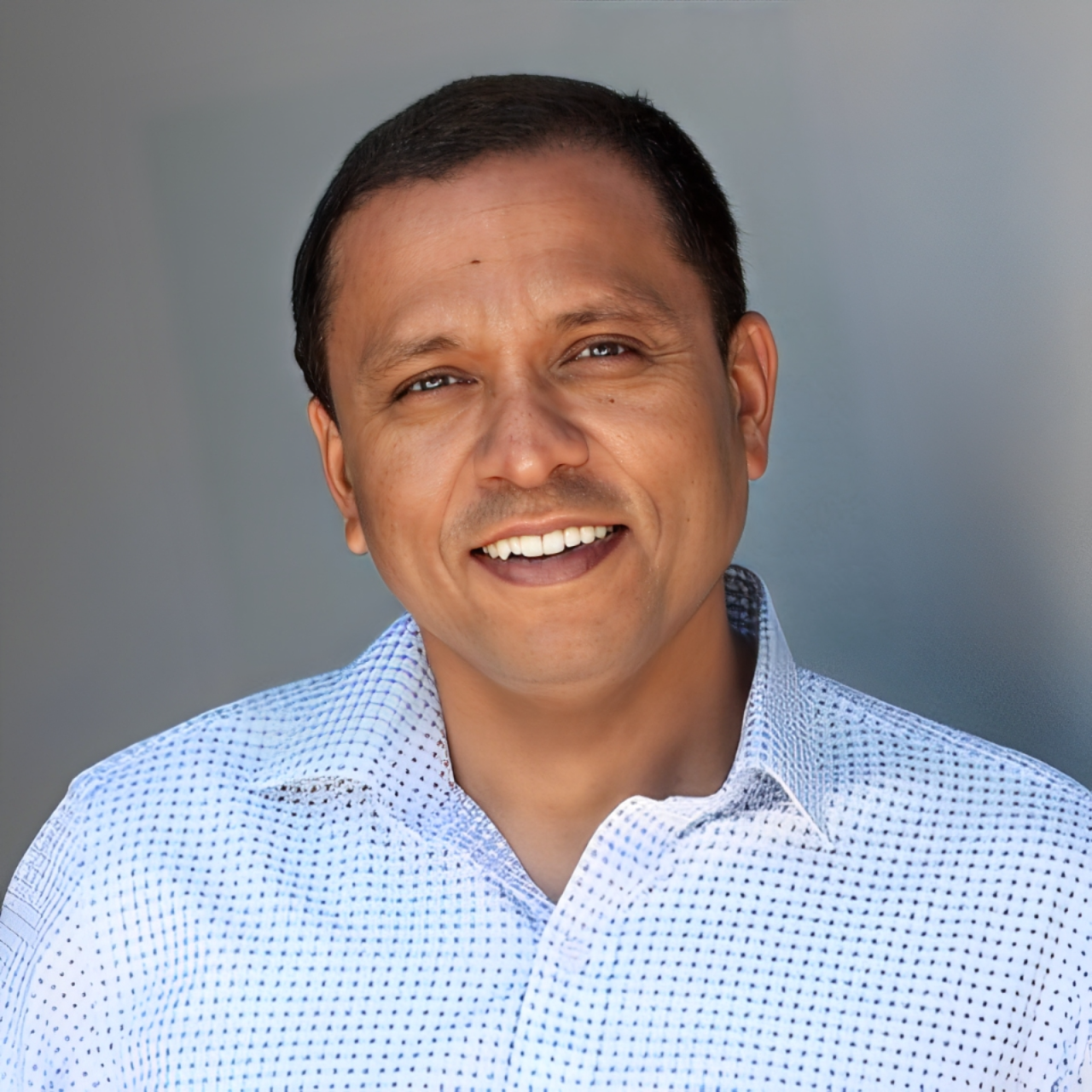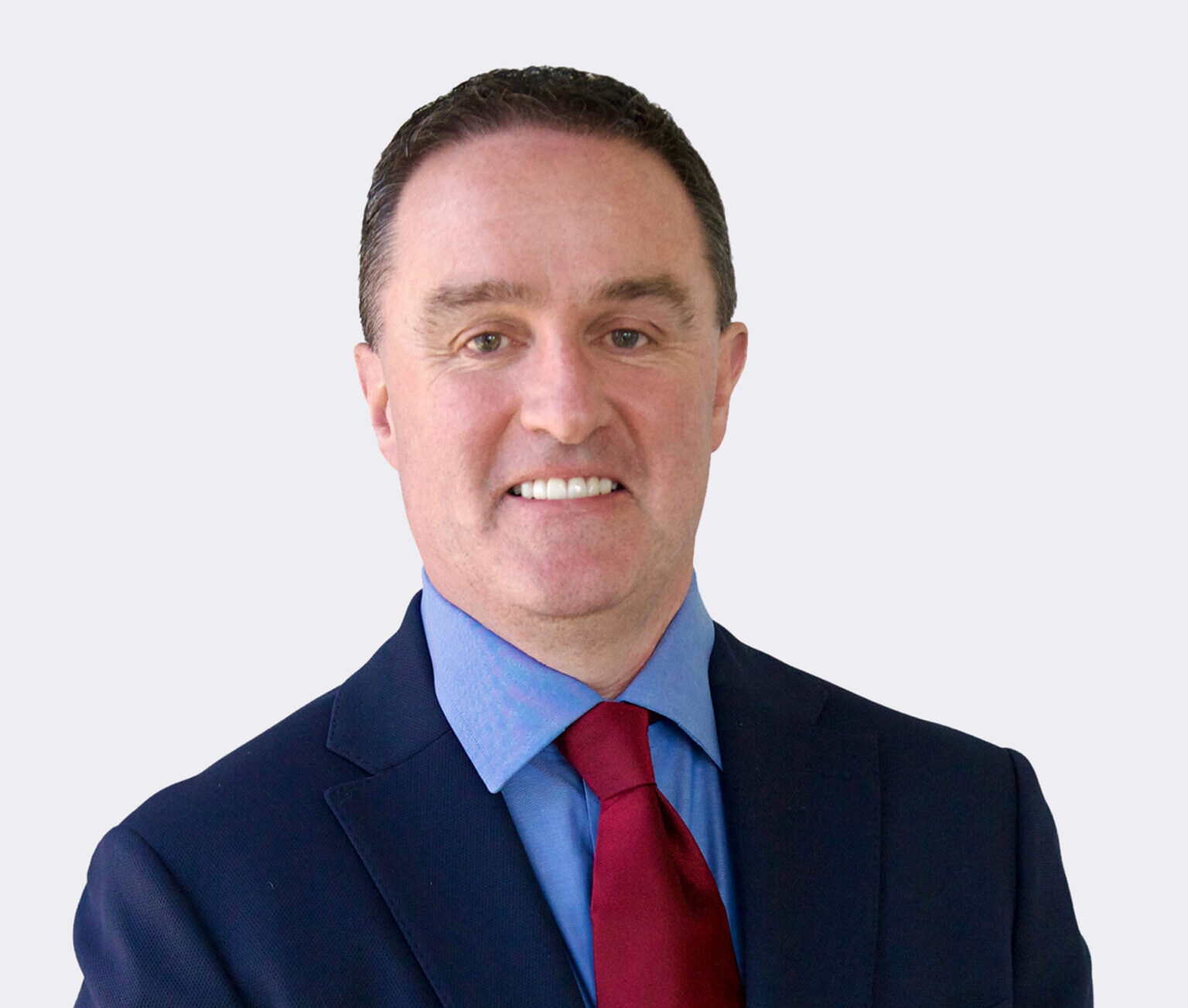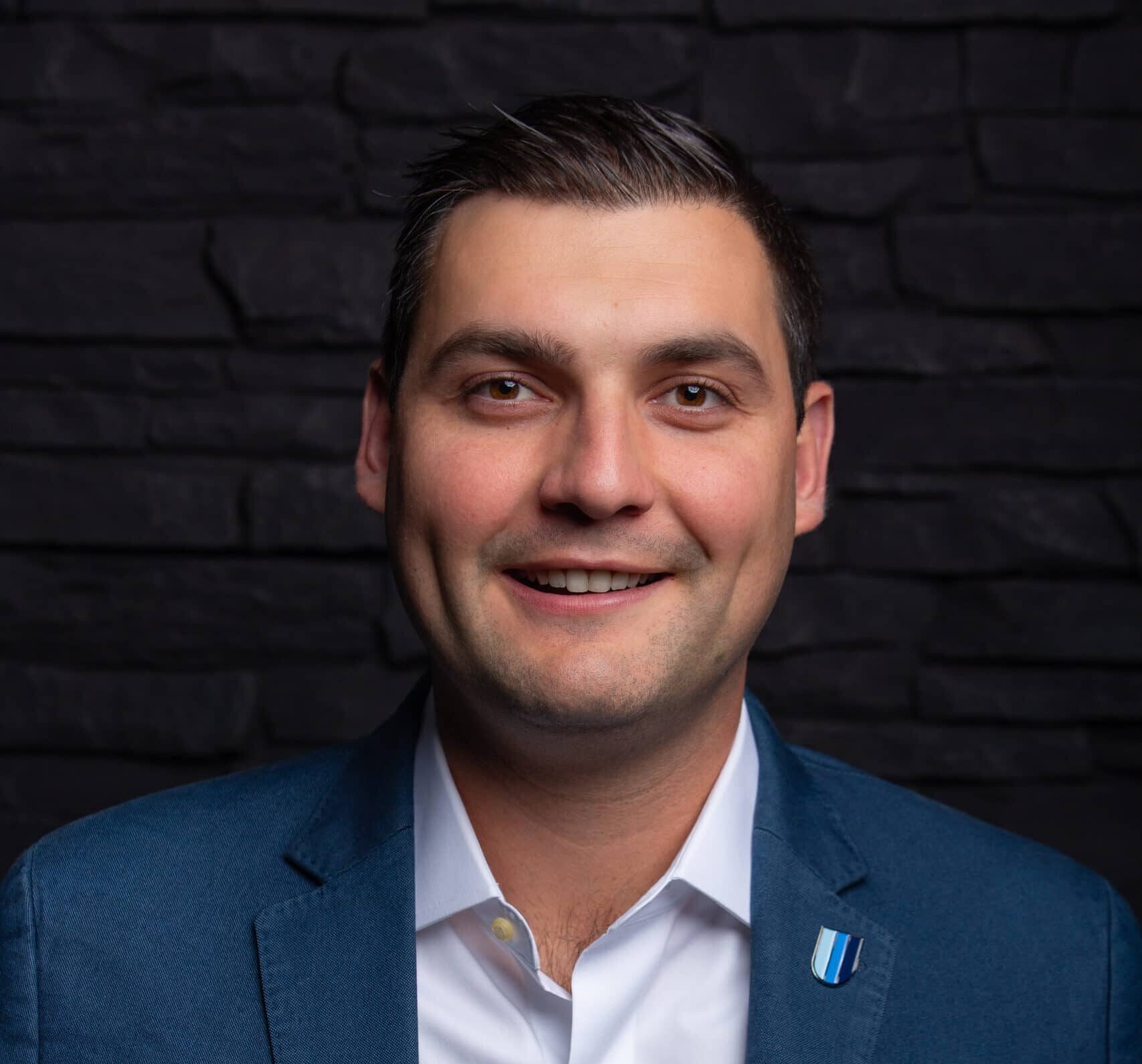

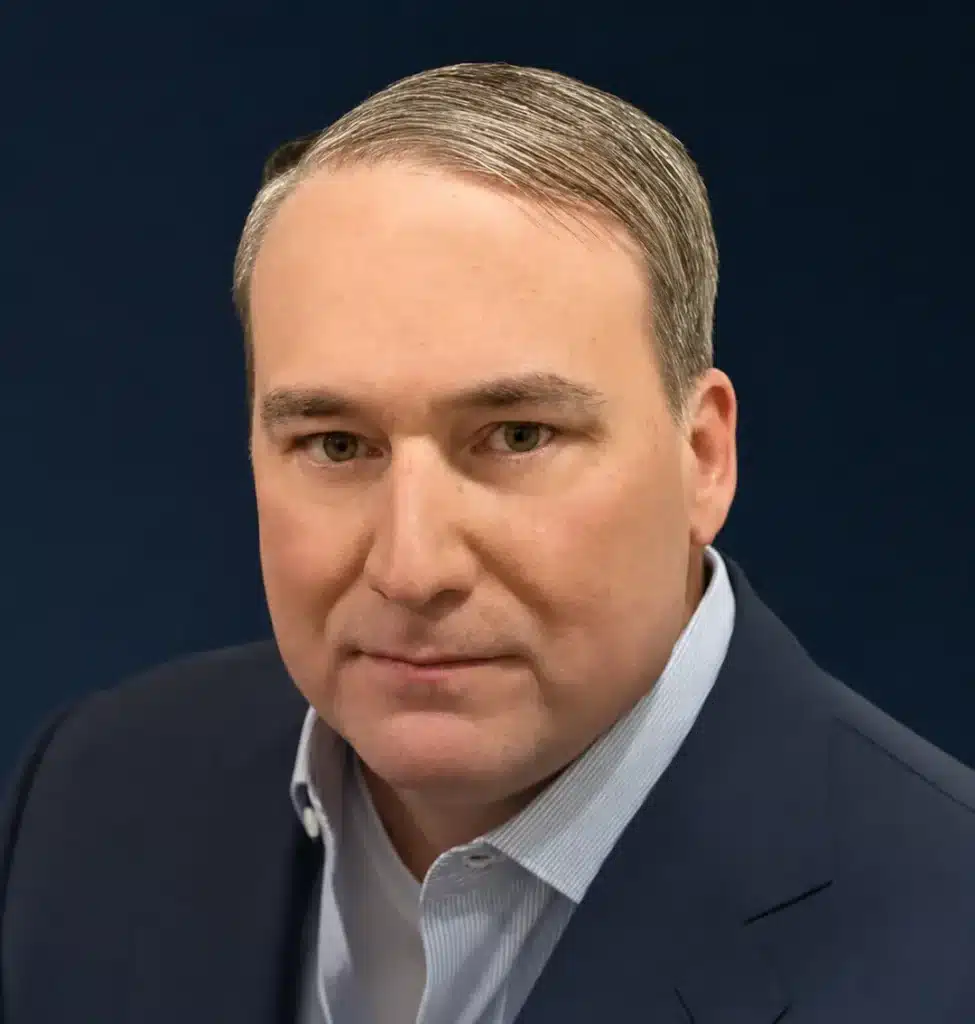
I recently went one-on-one with Robert Moser, founder and CEO of Prime Group Holdings.
Thanks again for taking the time to share your advice. First things first, though, I’m sure readers would love to learn more about you. How did you get here? What experiences, failures, setbacks, or challenges have been most instrumental to your growth?
Robert: I’ve always had an affinity for real estate. I earned my real estate license while I was still in high school and my broker’s license while attending Union College. Like many entrepreneurs, I started with very little. My father was a retired New York City detective, and I grew up in a hard-working, middle-class family where discipline, perseverance, and accountability were expected. My first corporate office was my childhood bedroom in my parents’ home. My goal was always to be an owner-operator rather than a broker, and the year I graduated from college, my parents took out a home equity loan on our family home to provide the seed capital that allowed me to begin investing.
In college, I wrote my senior thesis on the “Valuation of Income-Producing Real Estate Using Hedonic and Non-Hedonic Regression Analysis.” I became fascinated with fragmented real estate sectors and with using data as a tool to uncover opportunities others overlooked. I spent countless hours making Freedom of Information Act requests to gather water and sewer permitting records, which helped me identify institutional assets owned by non-institutional operators with attractive characteristics. I wanted to buy those assets directly, before they were broadly marketed. We still operate with that mentality today, targeting sellers directly to transact on an off-market basis.
A turning point in my career came when I partnered with a well-known asset management firm to acquire a portfolio of multifamily assets. What struck me was how many layers of fees and promotes there were between the underlying real estate and the investors. By the time the property-level promote, management fees, and carried interest allocations were paid to multiple parties, surprisingly little of the cash flow ultimately reached the limited partners who had provided the capital. That experience fundamentally shaped how I think about the industry, and it motivated me to explore a different model, one that is vertically integrated, where we source, acquire, operate, and manage assets ourselves, with the goal of maximizing property-level returns rather than relying on multiple layers of intermediaries.
Real estate is a long game. In many ways, it can be boring for the first 20 years, and that’s exactly why I like it. The greatest value is often created through patience, discipline, and compounding over long periods of time. I generally do not like selling properties, because truly exceptional real estate is difficult, if not impossible, to replace. At Prime Group, our philosophy is simple: we seek to buy high-quality real estate that happens to have storage on it. Real estate is ultimately about location, and our focus has always been on supply-constrained, highly populated markets in highly visible retail corridors where long-term demand and barriers to entry are strongest.
Looking back, these experiences taught me some of the most important lessons of my career: think long term, remain disciplined, stay curious, and surround yourself with smart, enthusiastic people. Success is rarely the result of a single great decision; it’s usually the outcome of thousands of small decisions made consistently over time. For us, that meant aggregating a portfolio of institutional-quality real estate, one or two assets at a time, largely on an off-market basis.
Adam: How did you come up with your business idea? What advice do you have for others on how to come up with great ideas?
Robert: Early in my career, I owned a diverse real estate portfolio that included storage, marinas, manufactured housing communities, RV parks, and multifamily properties. During the Global Financial Crisis, I conducted a detailed review of the performance of every asset I owned. What stood out were the storage properties, which generally outperformed the other sectors in my portfolio. They generated cash flow, maintained occupancy, and performed well through a period of significant economic stress.
That realization changed everything. I sold many of my other assets and decided to focus exclusively on storage — one of the most fragmented sectors in commercial real estate, with thousands of facilities still owned by small, non-institutional operators.
My advice to entrepreneurs is simple: pay attention to what the market is telling you. Great ideas are often hiding in plain sight. Instead of chasing trends, look for businesses that demonstrate durability, strong fundamentals, and consistent demand. Storage, in particular, benefits from relatively low operating expenses, month-to-month leases that allow for dynamic pricing, minimal tenant improvement and leasing costs, diversified demand drivers, cash flow, and other characteristics I find attractive. I always say that the best opportunities are discovered through observation rather than invention.
Adam: How did you know your business idea was worth pursuing? What advice do you have on how to best test a business idea?
Robert: Storage benefits from demand drivers that are often influenced by life events and business needs. People need storage when they move, renovate, downsize, upsize, inherit belongings, start a business, or expand an existing one. Businesses value it too, because it is a flexible and cost-effective alternative to larger warehouse or office space.
What gave me confidence was not just the performance of the assets, but the consistency of the demand. I also believe strongly in industry specialization. The more you understand a particular industry, the more likely you are to identify opportunities and, just as important, to avoid the same mistakes. Over time, I developed deep expertise in storage operations, demand drivers, revenue management, and site selection.
Adam: What are the key steps you have taken to grow your business? What advice do you have for others on how to take their businesses to the next level?
Robert: For many years, I acquired properties using my own balance sheet. Eventually, I realized that the opportunity was much larger than what I could pursue with personal capital alone. In 2015, we launched the private equity business, which allowed us to scale significantly while maintaining the same disciplined investment approach.
Scale matters in all assets, including storage. A larger portfolio lets you invest in technology, revenue management systems, training, marketing, and operational infrastructure that smaller operators simply cannot justify. As we grew, we stayed focused on building institutional-quality systems while preserving the entrepreneurial culture that made us successful in the first place.
My advice is that growth should be intentional. Do not pursue scale for its own sake. Focus on building systems, hiring great people, and creating a consistent process. Sustainable growth comes from improving the underlying business, not just making it bigger.
Adam: What are your best sales and marketing tips?
Robert: At its core, storage is a hospitality business. Customers trust us with their personal belongings, and they want to feel comfortable and valued.
There are things customers sometimes tolerate in storage that would never be acceptable in a hotel: poor lighting, unclean facilities, confusing processes, or unhelpful staff. We think about this differently. We prioritize clean, well-lit, professionally managed facilities and make sure customers feel well taken care of at every step.
Customer reviews matter too, because they give us real-time feedback on how we are performing. In some businesses, marketing ends when the customer walks through the door. We believe that is where it begins.
Adam: In your experience, what are the defining qualities of an effective leader? How can leaders and aspiring leaders take their leadership skills to the next level?
Robert: The best leaders bring energy, enthusiasm, and conviction to everything they do. They set the tone for the organization. People are naturally drawn to leaders who are optimistic, authentic, and passionate about their business. I think passion is one of the most underrated leadership qualities. When I speak with our investors, they can hear how much I enjoy real estate and storage. I love building our business, supporting the team, and finding new avenues to be entrepreneurial. I arrive at work before sunrise and often leave after sunset — not because I have to, but because I truly enjoy it. People occasionally ask me when I plan to retire, and my answer is always the same: I do not. As long as I have the energy and enthusiasm to contribute, I intend to keep doing this until I am 90.
I’ve also learned that great leaders never view themselves as above the work. They are willing to step into difficult situations, solve problems, make tough decisions, and support their teams however necessary. Leadership is not about having the title. It’s about being accountable when things go wrong and giving credit to others when things go right.
Adam: What is your best advice on building, leading, and managing teams?
Robert: Hire for character and attitude first. Skills can often be taught, but qualities like enthusiasm, integrity, work ethic, accountability, and a willingness to learn are much harder to develop. I would rather have someone with the right attitude who is eager to grow than someone with an impressive résumé who lacks those traits.
Building a great team also requires creating a culture where people understand the mission and feel connected to something bigger than themselves. Employees perform at their best when they understand how their work contributes to the organization’s success and feel a sense of ownership over the outcome.
Adam: What are your three best tips applicable to entrepreneurs, executives, and civic leaders?
Robert:
- Think in decades, not quarters. Most people spend their careers looking for the next big deal. I have found more success buying great assets and giving them time. People also tend to overestimate what they can accomplish in a year and underestimate what they can accomplish in five.
- Stay curious. Some of my best opportunities came from asking questions other people were not asking and digging into data others overlooked.
- Focus on fundamentals. Trends come and go, but the most resilient businesses are built on strong cash flow, customer satisfaction, and operational excellence. Real estate 101 is “location, location, location.”
Adam: What is the single best piece of advice you have ever received?
Robert: “Do not count someone else’s money.” It’s a simple but powerful idea. The message is to focus on your own goals, opportunities, and execution. Comparing yourself to others is distracting and often counterproductive. Success comes from creating value, staying disciplined, and consistently doing the right things over a long period of time.
Adam: Is there anything else you would like to share?
Robert: If there is one thing I have learned over the course of my career, it is that opportunities often exist where others are not looking. When I started investing in storage, it was considered a niche asset class that attracted very little institutional attention. Today, it is a sector that attracts significantly more institutional attention than it did when I first began investing in it. That reinforces a lesson I believe applies to business, investing, and leadership alike: don’t be afraid to think differently.
I have also learned how important it is to show enthusiasm at work. Business is hard, and there will always be setbacks, challenges, and periods where things do not go according to plan. The people who succeed over the long run are usually the ones who genuinely enjoy what they do and bring energy to it every day. Enthusiasm is contagious. It inspires employees, builds confidence with investors, and creates a strong culture within an organization.
Finally, a mindset I have carried throughout my career is that no task is too small for a leader to take seriously. Early on, I did everything myself: cold-calling property owners, reviewing leases, collecting rents, handling maintenance issues, and yes, even cleaning bathrooms. Those experiences taught me that leadership is not about status; it is about setting an example. If you are willing to roll up your sleeves and do the hard work, the unglamorous work, the work nobody else wants to do, people will follow you. That is a lesson I have carried with me throughout my entire career.