
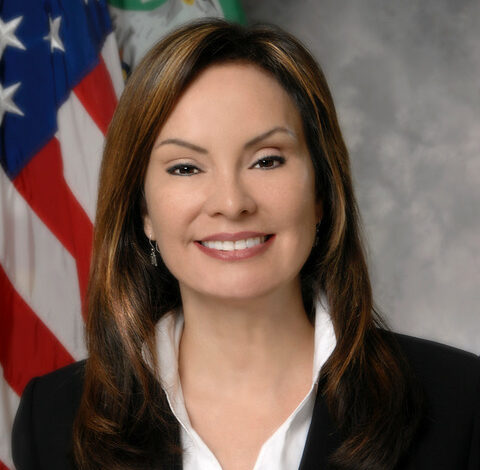
I recently went one-on-one with former U.S. Treasurer Rosie Rios. Rosie is the Chair of America250, the bipartisan organization charged by Congress to lead celebrations for the country’s 250th birthday, and the CEO of Red River Associates.
Adam: Thanks again for taking the time to share your advice. First things first, though, I am sure readers would love to learn more about you. How did you get here? What experiences, failures, setbacks, or challenges have been most instrumental to your growth?
Rosie: I always start with my mother, who came to this country from Mexico in search of a better life. She raised me and my eight siblings on her own, and with the support of our village, our Catholic church community, she sent all nine of us off to college. Her story and her example shaped me more than anything. I went on to Harvard after working full-time in high school at the County Library headquarters, which was my dream job. After graduation, I took a job as a commercial property underwriter for General Reinsurance. From there, the three parts of my career that I focused on specifically had been real estate, investment management, and economic development. Never would I have imagined that those three areas translate so perfectly into what was happening at the height of the financial crisis in 2008.
Adam: What are the best lessons you learned during your time as U.S. Treasurer?
Rosie: When I served as Treasurer, I would often bury my head in the Bureau of Engraving and Printing’s Historical Resource Center. This was the archive of every financial product in the government’s history, including every piece of currency we ever produced. I couldn’t help but notice that women on our banknotes were depicted only as allegorical figures, like Lady Liberty. But men were real historical figures: presidents, cabinet members, and elected officials. It shocked me to learn that no woman had ever been featured on a Federal Reserve Note. I felt a deep obligation to change this and worked on the coin legislation for the American Women Quarters™️Program for over five years before it finally passed Congress in December 2020. With this next generation of leadership, this is what I call “inspirations for aspirations.” I’m using historical American women to inspire these next generations, male or female. If you’re missing 51% of the population and how we tell these stories, it’s not our story, right?
Adam: Who are the best leaders you have been around and what did you learn from them?
Rosie: I’ve had the privilege of working with extraordinary leaders across government, business, and education. One person I often think about is Warren Buffett. What I admire about him is the same thing I’ve seen in the best leaders I’ve worked with: he’s authentic, he’s clear, and he runs towards problems instead of away from them.
Adam: In your experience, what are the defining qualities of an effective leader?
Rosie: An effective leader is guided by vision, empathy, and accountability. Vision gives direction. Empathy builds trust. Accountability ensures follow-through. When those three qualities align, they create a culture where people feel both inspired and supported.
I’ve also found that great leaders are comfortable being uncomfortable. They are willing to take risks, to admit when they don’t have all the answers, and to surround themselves with people who challenge their thinking. True leadership isn’t about being the smartest person in the room – it’s about empowering others to shine.
Adam: How can leaders and aspiring leaders take their leadership skills to the next level?
Rosie: Continuous learning is key. No matter how much experience you have, there’s always room to grow. I tell young leaders to stay curious, seek mentorship, and practice reflection. Leadership is a muscle, and it gets stronger the more intentionally you use it.
It’s also important to serve. Some of the most valuable leadership lessons don’t come from a boardroom; they come from volunteering in your community or listening to people whose lives are different from your own. The more you connect your leadership to service, the more impactful and fulfilling it becomes.
Adam: What is your best advice on building, leading, and managing teams?
Rosie: Start with trust. A team built on mutual respect and shared purpose can overcome almost any challenge. When people feel seen, valued, and included, they bring their best selves to the table. Transparency and communication are also essential. As a leader, your job is to create clarity—about goals, expectations, and the “why” behind decisions. The best teams I’ve ever been part of were united by a common mission and motivated by a sense of belonging.
Adam: What are your three best tips applicable to entrepreneurs, executives, and civic leaders?
Rosie:
- Lead with purpose. Always know your “why.” It’s your north star in good times and bad.
- Invest in people. Surround yourself with those who complement your strengths and share your values.
- Embrace change. Innovation and progress depend on adaptability.
Adam: What is the single best piece of advice you have ever received?
Rosie: Susan B Anthony has a great quote: “Failure is impossible.” Every day, I wear a bracelet on my left hand that is engraved with this quote to remind myself of the tireless efforts of the brave women before me, while also reminding myself of all that I and the next generation can achieve.
Adam: Is there anything else you would like to share?
Rosie: America’s 250th anniversary is a once-in-a-generation opportunity to inspire the next generation and bring our country together. America250 is just as much about the future as it is about the past, and we’re building a movement that will inspire and unite Americans long after the fireworks fade on July 4, 2026. We have something for every American to get involved, and I hope your readers will find a way to engage with us by visiting our website www.America250.org.