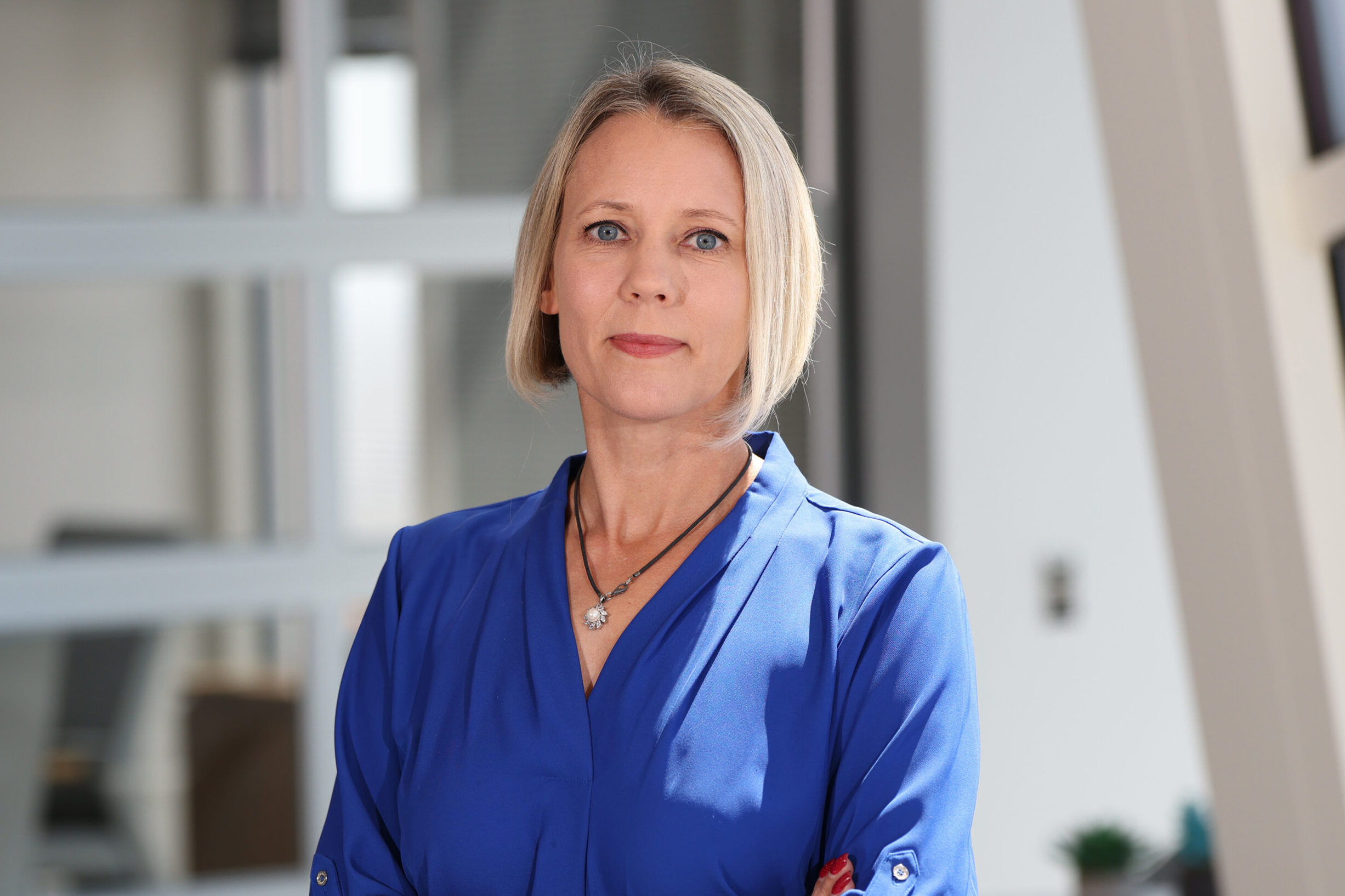


I recently went one-on-one with Sameer Gulati, President and Chief Product Officer of ZenBusiness.
Adam: Thanks again for taking the time to share your advice. First things first, though, I am sure readers would love to learn more about you. How did you get here? What experiences, failures, setbacks, or challenges have been most instrumental to your growth?
Sameer: I grew up in India, studied engineering at IIT Delhi, and then worked at a few companies across Europe before making my way to the US. I’ve been a perpetual immigrant my whole life, and that drove how I approached the majority of my career. I was always looking for ways technology could open doors for people who didn’t have access otherwise. After business school at the University of Chicago, I spent nearly eleven years at McKinsey, eventually leading the company’s payments work in Europe. That experience gave me a strong foundation in running financial systems at scale. But eventually, I wanted to get closer to building products, so I moved into operating roles as COO at LendingClub, and later President & COO at Plastiq.
One of my most formative career experiences, though, was a project that was unsuccessful. At LendingClub, we launched a small business lending initiative that unfortunately just didn’t work. Not because the need wasn’t there, but because we were a consumer company trying to serve small businesses on the side. Small business owners have very specific needs, sometimes unusual needs, and you can’t just bolt that on. That lesson taught me that you cannot succeed with a customer unless you wake up every single day thinking about their problem, and that is ultimately what brought me to ZenBusiness.
Adam: In your experience, what are the key steps to growing and scaling your business?
Sameer: Start by being honest about who you’re building for. It sounds obvious, but most companies drift from this without realizing it. A product that assumes your customer has more time, money, or expertise than they do will always underperform, no matter how good everything else looks. The second is delivering value early. Small business owners are juggling everything at once. They’re not going to wait around to see if your product eventually proves itself.
And as you grow, it becomes about discipline. What got you early traction won’t necessarily get you to the next stage. The question is whether the work is making things easier for the people you serve. Then, be willing to say no to ideas that might be good, but don’t serve your core customer.
Adam: What are your best tips on product management?
Sameer: The instinct to add more is one of the hardest things to fight in product. When something isn’t working, the default response is to build more features. But for most customers, and especially for small business owners, that just creates more work. They don’t have time to learn a new system. Removing steps almost always has more impact than adding capabilities.
I’d also say that the best product experience is often when people forget your product exists. Not because it failed, but because it’s handling everything quietly in the background. That’s what we’ve built toward with Velo, ZenBusiness’s AI agent for small business owners. For us, the ideal outcome is that small business owners stop thinking about compliance and filings because they trust it’s getting done.
Adam: What is your best advice on building, leading, and managing teams?
Sameer: Keep teams small. A lot of inefficiency comes from too many people being involved in decisions, rather than a lack of talent. When we built Velo, we only had a product manager and three engineers on the team. Most companies would have put 20 people on that. The small team forced us to make tough choices about what mattered most to customers and what to leave out.
But ownership matters more than almost anything. There’s a significant difference between someone who ships a feature and moves on and someone who feels responsible for whether it works well for the customer. The second person catches issues early, pushes back when something isn’t right, and doesn’t wait to be told when something needs to change.
Adam: What are the most important trends in technology that leaders should be aware of and understand? What should they understand about them?
Sameer: The biggest shift is that software is moving from helping people manage work to doing the work for them. That changes how you build, who you hire, and what you expect from your products. One of the clearest examples of that right now is AI-assisted coding. It’s now possible to build software very quickly with minimal engineering experience, which is genuinely useful. But it means more code going out the door without the same level of review.
For companies in regulated spaces like finance, legal, or healthcare, the gap between how fast you can build and how well you understand what you’ve built is a risk. At ZenBusiness, if we get something wrong, it has real consequences for someone’s business. So the question I’d push leaders to ask isn’t just “are we using AI to move faster?” It’s “do we have the right guardrails in place so that speed doesn’t come back to bite us?”
Adam: What do you believe are the defining qualities of an effective leader?
Sameer: Clarity, above everything else. Not just knowing what you’re working toward, but being able to communicate it clearly enough that your team can make good decisions when you’re not in the room. Restraint is close behind it. There are always more ideas than time or resources. Be honest about what isn’t working and comfortable walking away from it.
Adam: How can leaders and aspiring leaders take their leadership skills to the next level?
Sameer: Stay close to the problem. It’s easy to drift from it as you grow with more meetings, more reports, and more layers between you and what’s really going on. The best leaders I’ve seen still make time to understand what customers are dealing with firsthand, as opposed to just what gets filtered up to them.
Adam: What are your three best tips applicable to entrepreneurs, executives, and civic leaders?
Sameer:
- Don’t confuse being busy with making progress. If you’re not regularly asking whether the work is actually moving the needle for the people you serve, you can spend a lot of energy going sideways.
- Spend more time on what’s most useful for customers rather than on what’s new. There’s always something shinier on the horizon, especially in tech.
- Most people are still using AI like a smarter search bar. The ones getting real value out of it have stopped asking it questions and started giving it work to do.
Adam: What is the single best piece of advice you have ever received?
Sameer: Build for the customer you have, not the one you wish you had. It’s tempting to design for a future version of your business that doesn’t exist yet. But if you’re not solving the immediate problem, none of that matters.