
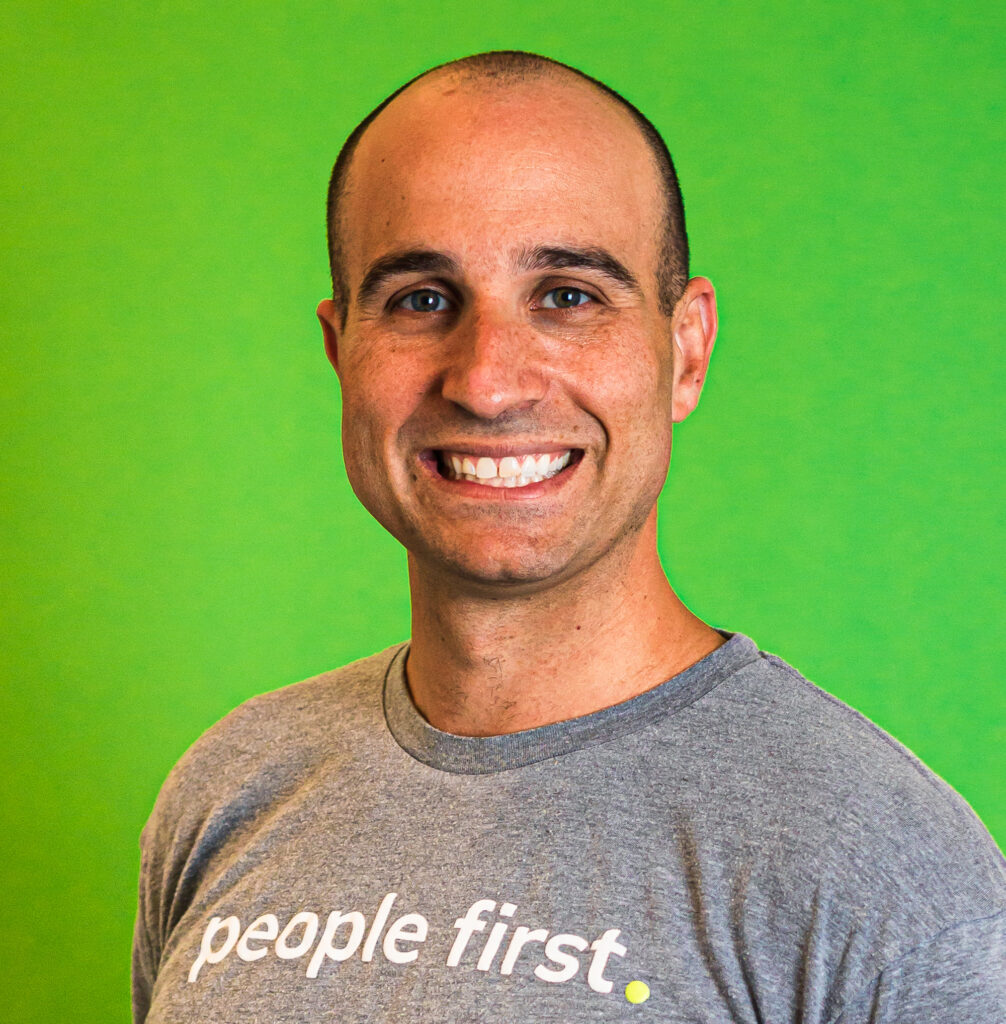
I recently went one-on-one with Seth Besmertnik, CEO of Conductor.
Adam: Thanks again for taking the time to share your advice. First things first, though, I am sure readers would love to learn more about you. How did you get here? What experiences, failures, setbacks, or challenges have been most instrumental to your growth?
Seth: My path really started with an obsession I’ve had since I was a kid: building things. I’ve always been drawn to creating something from nothing and learning the hard lessons that come with it. I started my first company in college, and that experience taught me the realities of entrepreneurship long before I was ready for them. I’ve had moments where I thought I was making the perfect call, only to learn later that I’d completely missed the mark. Those weren’t fun experiences, but they were hugely formative.
The truth is, the biggest inflection points in my career came right after the toughest setbacks. Every time something went sideways, it forced me to rethink how I lead, how I make decisions, and what success really looks like. I’ve probably made more mistakes than anyone I know, but each one sharpened me. I’ve learned that growth doesn’t come from getting it right on the first try; it comes from how you adapt when you don’t.
That mindset is what ultimately led me to build Conductor. When we started the company, search was already changing fast, but nothing compared to the transformation we’re seeing today with AI. What’s been consistent is the need for brands to truly understand their customers and build digital experiences that help them. That’s what Conductor was built for: helping companies create content that earns trust, ranks, and now shows up in AI answers across every major platform.
Conductor wouldn’t be where it is today if we’d played it safe. We experimented early. We tried new models. We invested in innovation long before the market caught up. And we made plenty of mistakes along the way, but those mistakes pushed us to build the category-leading search and content intelligence platform we are now.
Looking back, the through line is simple: keep learning, keep experimenting, and keep going. That’s what got me here, and it’s what continues to push Conductor forward as we help some of the world’s biggest brands navigate the shifts happening with AI, search, and digital visibility.
Adam: In your experience, what are the key steps to growing and scaling your business?
Seth: There isn’t one formula. But if I take a step back, there are several recurring themes.
You need a clear vision. You need to inspire people around that vision. And you need enough operational discipline to keep everyone focused on what success actually looks like as you scale. It all starts by helping your people grow. If your team levels up, your business does too.
That applies especially to new technologies.
Right now, AI is changing the way work gets done. Companies that encourage their employees to explore these tools by learning, experimenting, and getting comfortable with the technology will have a real advantage. We’re heading toward a world where every contributor must know how to use AI in their job. Helping your team get there becomes a growth strategy.
I also think expertise matters. Leaders who understand their product and their industry can make better decisions and earn more trust. Of course, it’s not a case of having to know everything, but you need to bring something real to the table beyond generic leadership instincts.
Adam: What is your best advice on building, leading, and managing teams?
Seth: The simple answer is listening. Great leadership starts with paying attention to people and understanding what motivates them, where they struggle, and what help they need.
I’ve always believed in getting direct feedback from the team. Ask them what’s working. Ask where you’re helping them and where you’re not. Use surveys, conversations, or whatever format works. The important part is that you’re open to hearing the truth. You can learn a lot about how to lead simply by asking people who experience your leadership every day.
At Conductor, we spend time helping people learn how to grow. That creates an environment where people feel supported. It also helps us to get better collectively. Teams respond to leaders who are authentic, who are consistent, and who care more about outcomes than ego.
Adam: What are the most important trends in technology that leaders should be aware of and understand? What should they understand about them?
Seth: AI is the big one. It’s transforming every industry, and it’s going to keep accelerating. The companies that sit on the sidelines, trying to decide whether AI is a bubble, are putting themselves at risk.
The cost of not engaging is high. Teams that learn how to use AI well can move faster and focus more time on the work that matters most. Leaders need to make space for their employees to explore the tools and figure out how AI can help them personally in their roles.
We’re also entering a period where more of the customer journey begins and is resolved within AI experiences. That’s reshaping how people discover information and make decisions. Leaders need to understand what that means for their product, brand, and go-to-market approach.
Adam: What do you believe are the defining qualities of an effective leader?
Seth: Having a clear vision and being able to inspire people around that vision. You also need enough operational capability to keep the company focused. Another quality is authenticity and, obviously, some kind of real expertise, either in the product or the industry. You cannot just be a generalist managing from 30,000 feet. As a leader, you must bring something tangible that helps the team succeed.
Adam: How can leaders and aspiring leaders take their leadership skills to the next level?
Seth: The real unlock is humility. Great leaders don’t assume they’ve arrived; they stay curious, open, and willing to be wrong. The moment you believe you’ve mastered leadership is the moment you stop growing.
For me, it starts with being humble enough to learn from the people around you. Your team sees your leadership up close every day; they know where you shine and where you get in your own way. When you create space for honest feedback, you get better, and the team gets better with you.
The other piece is being a lifelong student. I’m constantly reading, watching talks, and listening to founders and thinkers who’ve done big things. You can learn something from every story, every failure, every success, but only if you stay open to it.
Leadership isn’t a title; it’s a practice. And it’s a practice you refine over the years by staying curious, staying humble, and staying committed to getting a little better every day.
Adam: What are your three best tips applicable to entrepreneurs, executives, and civic leaders?
Seth: I’ll keep it simple.
First, don’t fear failure. The lessons are worth more than the mistakes.
Second, keep learning. Curiosity compounds.
And, third, lead with value. Whether you’re building a product, a partnership, or a community, help first.
Adam: What are your best tips on the topics of sales, marketing, and branding?
Seth: For me, the answer is the same everywhere: lead with value.
If you’re not helping people, you’re just selling something. The teams that focus on delivering value in sales conversations, on go-to-market, and on how they show up as a brand are the ones who build trust. And trust is what makes everything else possible.
Adam: What is the single best piece of advice you have ever received?
Seth: Put the company’s best interests first. If you do that, sincerely, you’ll make the right decisions, even when they’re hard.
Adam: Is there anything else you would like to share?
Seth: Just that we’re entering an exciting chapter. AI is changing how people find information and how work gets done. It’s opening huge opportunities for people who are willing to learn and adapt.
My biggest encouragement is not to sit on the sidelines. Experiment. Get your hands on the tools. Help others do the same. The future is being built by people who are willing to learn in real time.