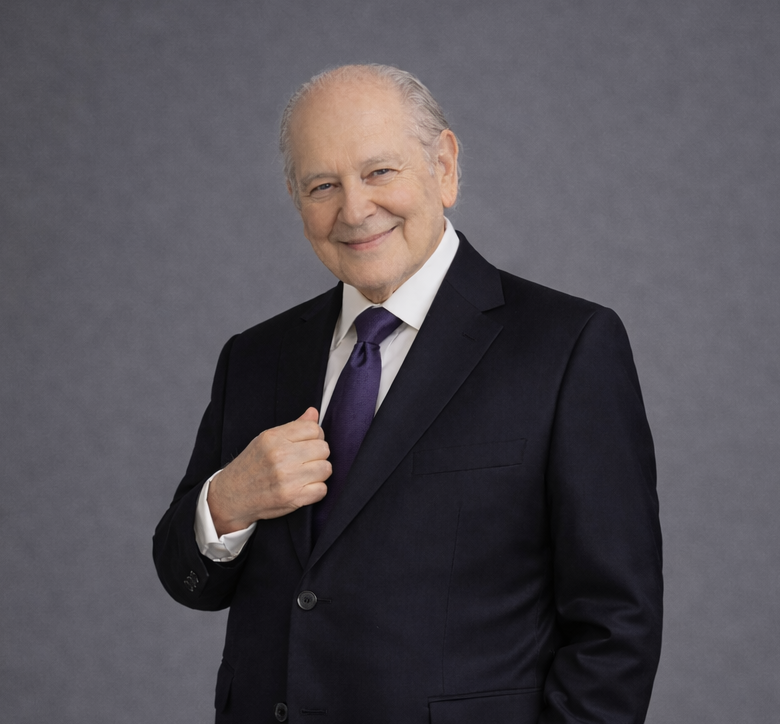

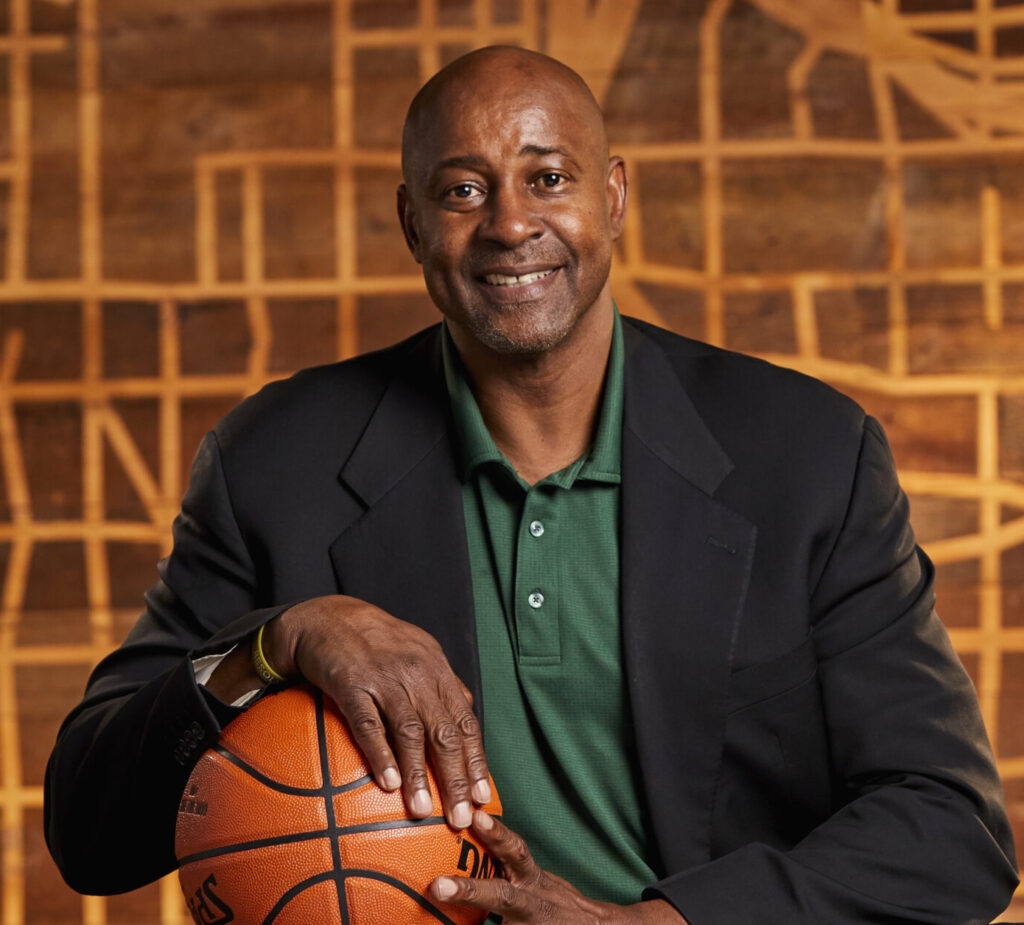
I recently interviewed NBA Hall of Famer Sidney Moncrief on my podcast, Thirty Minute Mentors. Here is a transcript of our interview:
Adam: Our guest today is an NBA legend and a member of the Basketball Hall of Fame. Sidney Moncrief was a five-time member of the All-NBA Team and two-time NBA Defensive Player of the Year. Sidney, thank you for joining us.
Sidney: Adam, thank you for having me. Looking forward to it.
Adam: I’m looking forward to it. You grew up in Little Rock, Arkansas, a nd played college basketball at the University of Arkansas, where you were instrumental in establishing Arkansas as a powerhouse college basketball program. Can you take listeners back to your early days? What early experiences and lessons shaped your worldview and the trajectory of your success?
Sidney: The theme, and this is an old cliche, is the theme of team, building a team, and having vision. When I went to Arkansas, it was just starting to turn in basketball. Traditionally, it’s a football school, always will be, kind of always has been. We came there when football was still at its peak. Eddie Sutton was the coach. We have some other very talented players in Arkansas, Ron Brewer and Marvin Def. We had an opportunity to do something special. We did not know that at the time. We just knew, hey, we had good players, a coach with vision, a great leader, and let’s go and see what we can do with this team. We continue to build with other players around us. We had this very, very close relationship off the court and on the court. We worked extremely hard, were very focused, and had a good system in place. I like to tell people, Adam, we just kept getting better. I use the acronym GRIT a lot. The GRIT factor and the G is growth. Just keep growing, get better every day. But we got better individually. A lot of times, people think a team just develops as a team. No, a team is based on individuals getting better. And that’s what happened in Arkansas. Each player took it upon themselves every summer to come back a little bit stronger than the previous year. We gelled as a team, had a good schedule, and had some breaks along the way, which you must have if you’re going to be successful. We were able to make it to the Final Four. And my senior year, we made it to the Elite Eight, one game from the Final Four, beaten by Indiana State, Larry Bird. And that’s the year they played Michigan State in the finals. But yeah, we had a good run at Arkansas. We won 100 plus games in my four years there and lost 20, which is a pretty phenomenal record. Won 84% of our games. It was based on having a team, having individuals who could play, who understood the team concept, and who got better every day.
Adam: I love it. So many important themes there, starting off with the importance of getting better every day. You show up on campus as a freshman, and if that’s the best you’re going to be, you’re going to be in trouble.
Sidney: It’s so funny, Adam, I have a story about Marvin Depp. Marvin was my teammate at Arkansas. He was actually my roommate my freshman year. Back then, he was a hotshot college basketball player, one of the best players in the state. I remember going to play one-on-one and just, I think we played horse and one-on-one. Marvin was going to be a senior. I was going to be a junior. He was in Conway, Arkansas. I was in Little Rock, Arkansas, and we played one-on-one. And Adam, he was better than me. In the realization, we talk about emotional intelligence quite a bit, and self-awareness is, of course, one of the main components of EQ, emotional intelligence. At that point, I knew. I had the self-awareness to know, God, that guy just outplayed me. He just outshot me. He beat me one-on-one. I need to step my game up. And that’s what I did. But it was based on me realizing that I wasn’t quite there yet, as opposed to thinking that since I was this hotshot All-State player from Little Rock, Arkansas, I had arrived. I had not. Marvin taught me that lesson, and so did Ron Brewer, my other teammate.
Adam: I love that. The first step toward getting better is having the self-awareness and humility that you need to get better every day. What else can you do to get better every day? What else can you do to take that leap?
Sidney: Definitely have to have self-awareness. And grit means grow, be resilient, our intentionality, I, and tenacity is a T that I use when I do my workshops. And they all go together, getting better every day. One, you have to just know that you’re going to fail. Resilience is so important. And it’s not the issue that you fail. How do you respond to that failure? How do you get better? How do you bounce back? How do you refocus your skill and your mindset to get better? And I had to do that. I had to be resilient. I had to have a plan, intentionality. I had to have a practice plan that I needed to get better in these specific areas. This is how much time I needed, Adam, to take each day. This is how many days I had to take off every week to get better. I had to be very intentional about my plan. And then I had to have tenacity, which I had anyway, but that’s basically just going out there and getting it done. I had this thought in my mind, Adam, you might have more talent than I. But effort is one thing you would never have more than I would have. The great equalizer sometimes is how hard you can play. If you have some talent, whatever you do, and you just go out and work hard and work smart, more importantly, not just work without a purpose, then you have a very good chance of being successful. I used the grit principles even before I knew I was using the grit principles. And that’s why I got better every day.
Adam: I love that. And when you talk about your teammate freshman year who was more talented than you, you wound up being an NBA Hall of Famer. I think back to when I was a kid, Chick Hearn, the greatest basketball announcer of all time, used to say that the most talented NBA player he’s ever seen was Derek Coleman. And unless you’re a hardcore basketball fan, you probably don’t know who Derek Coleman is. And that’s the point.
Sidney: Yes. Yes. Super talented. Just a little late in understanding grit. Once he caught the principle, which was later in his career, as we know, once he settled in and had more self-awareness and worked harder and was more intentional about his game plan and bounce back, he had a lot of setbacks, he bounced back, and he got better. I thought he was a lot better player later in his career. Although he was not as explosive or as productive, he was a better player for that team or whatever team he played for.
Adam: Yeah, I’m with you. And to Chick Hearn’s point, when he watched Derek Coleman, he said, This guy should be one of the all-time greats. But how much of it is talent? How much of it is how you apply your talent? And to your point, you could have all the talent in the world, but without applying it, without giving every last ounce that you have. That’s the difference between being okay and being good or being good and being exceptional.
Sidney: And the flip side of that is if you don’t develop your skills, I’m not talking about talent now, skills, talent, a little different. You could have all the work ethic you want. But if you don’t develop your skills or talent, then you will never reach your potential to be a great player either. It’s a good balance between the two. And that balance depends on your personality. Some people can probably do with less talent because they put so much effort into what they do. They have so much focus. Then that evens everything out.
Adam: When you were drafted by the Bucs, they had a losing record. You then spent 10 seasons with the Bucs, and in every single one of those seasons, the team had a winning record, including finishing first in the division in each of your first seven seasons. What were the keys to transforming a losing culture into a winning culture and to ultimately maintaining a winning culture over time?
Sidney: It’s just like in business or sports or politics or whatever else. It really is about leadership and acquiring talent. And I think Don Nelson, John Killalay at the time, and some other people were committed to getting this team better, but they were very good about picking their players. They pick players out of college who play for winning programs. Which is not a novel concept, but how many people do that? Gwen Buckner was a national champion player at Indiana. Ken Benson, national champion player. Marcus Johnson, UCLA, says no more. Dave Myers, UCLA, keep going. Junior Bridgman. They picked some really good players who knew how to win, who did not accept losing as an option. And then they applied their leadership, which included being very spot on with how we perform, how we worked out our practice sessions, a nd the level of expectations that they had for the players. To me, that was a huge key. It wasn’t just Sydney. It was the players who were on my team that had the same mindset, a winning mindset. And remember, back then, most players played four years in college. In those top programs, you got four years of really good, hard coaching, and that did carry over into the NBA.
Adam: You mentioned Eddie Sutton right off the bat. You mentioned Don Nelson right off the bat, as you talked about how the Bucks were able to create this winning culture. So much of it is about the coach, the leader. In your experience, what makes a great coach? What makes a great leader?
Sidney: Transparency is one. Curiosity, their ability to be transparent so that you can trust their word. You can trust their system. You can trust what they tell you. You know that they have the team’s best interests at heart. And a lot of coaches, you know this, they say one thing and they do something else, or they make a promise to a player and they don’t keep that promise, nor do they explain why they could not keep the promise. And I thought we just had very good open rank communication from the coaching staff to the players, and the players respected that, and they accepted those coaches for what they were saying. So I thought that one big key was the ability that they had to communicate and to be transparent with players. Curiosity is also a huge key. And I thought in their own way, of course, back then it wasn’t fuzzy, wuzzy. I love you. I’m going to hug you as a player. It wasn’t any of that. It was like, do as I say, a nd do it like I asked you to do it. There’s no conversation. This is how we’re going to do it. I need you to follow the plan. However, within that, there was a sense of curiosity from the coaching staff about what players did what things better. Coach Nelson was extremely good about working his system around the skill set of the players. I was an inside player. It was very unusual for a two-guard to post up like a four or five. But he allowed me to do that because that was my skill set. Paul Presley was 6’7″; he could handle the basketball. He allowed Paul Presley to be a quote, point forward because of his ability to handle the basketball. And it took pressure off our point guards who were trying to get the ball up court against some very quick, tenacious defenders. Everything he did was based on what made sense and what fit the skillset of that player. That’s why he was such a great coach, and he had tremendous success in the NBA.
Adam: Sidney, you hit on so many of the most important characteristics of the very best leaders. Trust, transparency, curiosity. As you’re describing Don Nelson, Hall of Fame coach, and his coaching style, you’re describing Adaptability, flexibility, right at the heart of who he is, what he is all about. That’s what made Don Nelson, Don Nelson.
Sidney: I’m glad you said adaptability because that’s a word that’s not tossed around lightly in our economy, in our society today. It’s so important to be adaptable. And he would do that. He’s one of the first coaches who allowed the big guys to shoot three-point shots. Now, I’m a traditionalist. So when he first started, I’m like, what the hell? You know, you’re a big guy. You should have your butt in the paint rebounding on the post. But he understood the concept early that if a big guy can shoot the basketball, it puts more pressure on that defensive center. And it brings that center out. Where he has to guard that other player, that big three-point shooter, and it opens up lanes for other people to drive, and you can do more things offensively if that center could make or shoot three-point shots. Those types of things, coaches were very hesitant to do. And that goes to another point. Creativity, as you know, is one of the seven principles that’s really important, especially in today’s business world and sports world. He was very creative. He could just look at matchups and figure out how I exploit this matchup to benefit the team.
Adam: When I think of Don Nelson and when I think of everything that you’re sharing, I think of another great coach. May he rest in peace. I think of Mike Leach. Same mindset, same philosophy. I’m going to try things. They might work. They might not work. It doesn’t matter that they haven’t been tried before by other coaches. Someone has to try it first. And if no one tries it first, then who knows if it’s going to work. And the coaches who are not afraid are ultimately the innovators who are able to enjoy such tremendous success.
Sidney: And my philosophy, Adam, is if you try it and if it doesn’t work, don’t do it again. But if you never try, you never will know if it will work or not. I do this in my business a lot. I take a lot of chances on concepts. And if they flop, which they do sometimes, I just won’t keep going after that little rabbit. I would just change and do something different. I want to always give an idea that makes sense. Sometimes it doesn’t make sense, a chance to succeed. Otherwise, you will never know.
Adam: I love that. Can you describe your leadership style when you played in the NBA? You were the leader of the Bucks. You were known as much for your talent and skill set on the floor as for your leadership style. What was your approach to leadership, and what can anyone do to become a better leader?
Sidney: My style, since I’m not very vocal.l Traditionally, point guards are the quarterback of basketball teams. We know that. We’ve seen that evolve over the years to where LeBron James might be a leader. However, most, when I played point guards, if you were a shooting guard or three, you didn’t really communicate or say a lot. But my leadership style was based on my performance. It was based on my commitment and practice. It was based on my commitment to keep my body in shape. I was more of a leader who led by example. I never wanted to come in second in anything I did on the basketball court, any drill we ran, any line drills, whatever we did, I wanted to be first. Number one, I wasn’t always number one, but it wasn’t because I didn’t try. I would say my leadership style was, I led by example, and I wanted guys to follow me, and I wanted them to match my intensity, match my focus, match my commitment to winning and to excellence.
Adam: And that’s a really important lesson. Nothing more important when it comes to leadership than leading by example. And your style of leadership can be very different than Don Nelson’s style of leadership or Eddie Sutton’s style of leadership. I did an interview with Muggsy Bogues, and when I think about his style of leadership, very different. And it ultimately comes back to what we talked about earlier. Self-awareness. Know thyself. What are you all about? What are your strengths? Lean into them. Own them. Authenticity. Be yourself. Don’t try to be someone else. If you’re trying to be the second-best version of someone else, you’re not going to be a Great leader; ultimately about being the best version of you.
Sidney: Yeah, I like that I don’t, because we use acronyms, our unique selling proposition, right?. As a player or employee, or leader. What is your unique selling proposition? Who are you? What do you do best? And that points back again to self-awareness. Sometimes you don’t understand that. Sometimes the answer comes to you through performance. The lucky ones already know. I guarantee you Magic Johnson knew. He knew his unique selling proposition as a player. And he used that his entire career to make him one of the best players in the history of basketball. Sometimes you don’t know. You’re just out there. I tell people, I was just out there balling, just having a good time, and playing basketball. And I didn’t really realize what mine was. However, I knew my trademark was outworking people and playing extremely hard. That was my trademark. And my leadership style followed that trademark.
Adam: You mentioned Magic Johnson, and you consistently guarded the best player on the court, and sometimes that best player was Michael Jordan, Larry Bird, Dr. J, and each of those guys has had extraordinarily high praise for you and for the defense that you played against them. What were the best lessons that you learned from your time spent with Michael Jordan on the court and off the court?
Sidney: Well, the best lesson is you can’t guard them. No, seriously, the best lesson is you’re very lucky and fortunate if they just happen to have a bad game. That’s lesson number one. And never be too arrogant if they have a bad game. Just take it in stride. But more importantly, what I learned was that you need your teammates. You don’t stop great players. On an island, you just can’t one-on-one stop a great player. Most players couldn’t stop me one-on-one, but we can set our defense, right, to have that player play to their weakness and then have that defense set up to take advantage of that. And we did that extremely well. In Milwaukee with Nelson and Del Harris. Our defense they were always set up. It wasn’t set up for Sidney to stop anyone. It was set up for Sidney to push that player in a certain direction. Let’s get some help, let’s rotate, and let’s just keep rotating until the clock runs down to five seconds and force them into a more difficult shot. That’s not being modest, that’s being real. And I realized that early in my career that, hey, you just need to play to the strength of that scouting report on that player and the scouting report that you have prepared as a team for that particular player. Know your players.
Adam: And what you shared is applicable to anyone, whether they’re playing basketball, playing another sport, or not playing any sport. Stay within yourself, know your strengths, know your weaknesses,s like we talked about, but rely on the people around you to help you. You’re never going to be able to enjoy as much success as you possibly can if you’re trying to do everything by yourself. Business, life, everything is a team sport.
Sidney: It really is. And I had a car dealership for years, and I can use an example. I was a casual investor in my car dealerships. Operationally, I participated. I’m not saying I did not. However, I was not a car guy. A car guy is someone who knows automobiles very well. They know the value of automobiles. They can sell and trade, and barter very well. That was not me. When I tried to do that, I failed miserably because that was not my skill set. Someone else could trade better than I They could look at a car and put a dollar value on that car. They knew where to take that car to get a deal. In other words, you’re trading in a car, you come to my dealership, I give you a number, I give you a… Adam, I gave you $10,000 for that car because I didn’t know where I was going to send it. I was going to send it to the auction. I didn’t know if I was going to have to put it in my back lot to have people come by and bid on the cars. I did not know that. A good trader already knew that the am comes in a lot. Oh, I know my friend Jimmy wants this type of car. He’ll give me a little bit more for this car. So maybe they’ll give you $11,000. I was going to give you $10,000. They give you $11,000 because they know where to go with that car. Who’s going to sell the most cars? They are. Who’s going to make the most gross profit? They are. Who’s going to have the least water in the used car inventory? They will. So all those nuances, it took me time to realize, stay with your strength. So what I started doing was having wholesalers come to my lot when we had our busiest times on Saturdays. And right away, they gave me a number on that car, and I knew where I could put it. I knew I could step up on the trade a little bit more. That’s just being flexible. That’s knowing your strengths, knowing your weaknesses, knowing where you can have an advantage on your competition, and knowing where you don’t have an advantage, where you need to fill in the void some other way.
Adam: Going back to some of the all-time greats who you competed against, Michael Jordan, Larry Bird, Dr. J, what made the very best the very best? What makes the greats great? What can we learn from them?
Sidney: I think sometimes, you know, what’s underrated, Adam, is they’re very, very talented. Say it one more time. They’re extremely talented. They’re more talented than any other players, period. How did they get that? Working harder. God given. There are a lot of reasons why, but beyond that, because you talked about talent earlier, it’s not enough. Beyond that, they have this drive, like I did, to win. To have this drive to be the best, and don’t underestimate the drive to win and the mentality that you’re not going to lose. So you take that mindset and you put that with superior talent, you’re going to get a player that’s better than anyone else. And I think you can go right down the list of all the, we said were the greatest players in the history of basketball. And those two qualities are always present. Bill Russell, Oscar Robinson, Kareem, Magic. Michael, Bird, Kobe, LeBron James. Let’s keep going. They all have that trait.
Adam: Sidney, I just did an interview with a Fortune 500 CEO. And when I was asking him what he looks for in the people who he surrounds himself with, he shared that exact same framework. Number one, there’s no replacement for talent. You can’t replicate that. You can’t emulate that.
Sidney: And you can’t coach it. You can’t take an average player and say, I’m going to coach you and be a great player. It’s not going to happen.
Adam: At the same time, there’s nothing more important than that hunger, that drive, that will to win. And when you find people who have both, those are the people who, in sports, are the all-time greats. And in business, those are the people you want to hire. Those are the people you want in your organization.
Sidney: Yeah, I know sometimes managers don’t want to hire people that’s smarter than them, better than them. Or I used to do this contest where we had a draft, wanted to do workshops, and we labeled the players from high performer, average performers, bench player, and we even put pre-Madonna in there. And then we have the teams draft who they want on their team. You’d be shocked at the number of times that people will bypass the high performer. But they might bypass a pre-Madonna for a poor performer. And so I let them go through the entire exercise, and then I asked the question, Well, why did you pick this employee over this employee? And they give the same answer. Well, I think that pre-Madonna would be too difficult to deal with. I said, Well, do you know what pre-Madonna is? Normally, that’s a performer. Bad performers are not normally pre-Madonnas. Wouldn’t you agree? Pre-Madonna actors, business people, and athletes are normally high performers. You just have to make some considerations for that particular person. And I learned early, not early enough, that talent, along with some other good qualities, is something that you should hold at very, very high regard. Is that a high performer, and sometimes a pre-Madonna, because you can take a pre-Madonna and surround them with really good, solid players and high performers, and still have a very good team. You can’t have a lot of just average to low-average performers and have a great team. You just have an average team.
Adam: Sidney, one of the things that you shared early on in our conversation, as you were describing the keys to your success and the keys to what you believe anyone needs to do to attain success, was resilience. And for all the success that you’ve enjoyed in the course of your career, you went through a lot of setbacks, challenges, obstacles, failures, from health struggles to really tough losses in the playoffs. How did you navigate the difficult moments, and what advice do you have for anyone on how to handle the challenges, setbacks, and failures that they encounter?
Sidney: I have a very, very short memory, and some people can’t. I realized that after working with people a lot. Some people’s memories will get in the way of their being resilient. So they can’t bounce back. It’s something right here just won’t let them, but I’m like next opportunity up, next day up, next hour up, whatever. I try not to let setbacks define me or my future actions. And that’s hard. It’s easy for us to say. But for most people, that’s very, very difficult. So my recipe is I have a very, very short memory. And this will be the time. People say I like to stay in the now. That’s mindfulness. Mindfulness is more than staying in the now, but I try to stay in the present as much as possible.
Adam: It’s a good recipe, and we’ve been talking a lot about basketball. I gave a little football example when I talked about Mike Leach. I’m a big baseball fan, and when you talk about the importance of having a short memory, I think about the importance of recognizing that you’re always gonna have another at-bat. There’s always gonna be another game. It’s a long season, and that’s true in baseball, that’s true in business, that’s true in life.
Sidney: And you’ve heard this, Adam, to where a player says, Oh, Michael Jordan owns Sydney. Hypothetically, players can get in other players’ heads because they might have that performance, but they may have multiple performances that they don’t really play well against that player. And people would ask me sometimes, Sydney, how did you prepare for Michael Jordan or a great player? I had the best answer, life answer. It was the most sincere, pure answer that I had. And I said the same way I prepare for Joe Smith, the same way I prepare for any other player. I did not change my preparation. I did not get more hyped up when I was playing great players. I played everyone at this very, very high level, didn’t matter who it was. That way, whether you win, lose, or whatever happens, that mindset is built in that this is how you perform. This is how you play. No one got in my head. I can’t even think of a player that gave me nightmares, or I felt, Oh, I’m about to play against Andrew Tony. Oh my goodness. This is going to happen. No, every day, every opportunity is a new opportunity. And you just put your best game out there every time you put on that uniform.
Adam: I love that. And I did an interview with James Worthy. I don’t know if you have good memories or bad memories of playing against James Worthy.
Sidney: Oh, I love James. Great players, always great memories. Doesn’t really matter the outcome because outcomes are important. However, it’s the performance. So great players, even though we might’ve lost or whatever, it’s still a good memory because their performance was at a high level.
Adam: It’s a great mindset. James Worthy shared the exact same advice, his approach, the exact same approach as yours. I asked him about how he was able to develop the Big Game James moniker, and it was by doing exactly what you did. Approaching every game with the same mindset, with the same attitude. By the time the playoffs came, it was like another game.
Sidney: And it really is another game. You’re not going to die if you lose a game. Even in business, if you lose a deal, it’s just another deal, especially with that mindset he’s talking about that I have, that you’re going to give everything you have to make that deal happen or to win that game. However, in the grand scheme of life, it is just another game.
Adam: Can you talk about the high-pressure moments, how you dealt with them?
Sidney: I didn’t have any. I lived what I just said. It’s just another game. Now, I’m not saying I didn’t feel queasy. I’m not saying I didn’t feel anxious a little bit before a game, but I never felt scared. That’s a big difference. I can honestly say this. I never went to a game where I felt fear. I might have felt anxious. I might have felt ready. But not scared. And to me, that’s a big difference in how a player performs. Sometimes you see a player out on the basketball court, you know, they have fear. They’re scared out there. And the pressure of that game has them fearful and afraid. I didn’t have that problem. I just went out there and played, and just gave my best effort, and everything worked out most of the time.
Adam: What do you believe are the key characteristics of a great teammate, and what can anyone do to become a better teammate?
Sidney: You have to understand your role. You know, the self-awareness part we talked about, that’s one of the top things you need to have if you want to be a great teammate. Because sometimes you might be the best player, you might not have it that night for whatever reason. Or it might be a matchup where someone’s getting the best of you. The adaptability to make that change mentally and to sacrifice and make a change for the good of the team is the difference between good teams and bad teams. And so I think the self-awareness to know when you’re on your game, when you’re not, when you need to be adaptable as a teammate? Encouragement? Yeah, maybe. I don’t know if I was an encouraging player. I can’t even, I don’t know how that feels other than saying, Hey, Adam, good shot. You know, beyond that, I’m not really sure, but I do know I love teammates who worked hard and that they were pros. What I mean when I said they were pros, they took their craft seriously. I was very fortunate when I came to Milwaukee because I was a rookie, but I came to a team of pros, not clowns, not pre-Madonnas, but guys that understood how to prepare mentally, physically, and any other way to be the best pro that they could be on the basketball court. So I like teammates that are pros, that mirror what I believe in. I like teammates that don’t look to blame circumstances or coaches or fans or media, whoever else, for when things just don’t go right. And then last but not least, I like teammates that are just good, solid people on and off the court that, you know, you could depend on them. They can depend on you in almost any situation. And that’s something that does not have to be said, but it does need to be shown day in and day out. I like players who pass me the doggone basketball, Adam. That’s a great teammate. Paul Wilkespie makes good picks, and they know when to roll. They communicate in the background.
Adam: Sidney, what can anyone listening to this conversation do to become more successful personally and professionally?
Sidney: The self-awareness part is that at some point, you have to be curious and honest about yourself. I like it when you brought up adaptability, because I think that’s something that we can all learn from. It’s just, we have to adapt all the time. I’ve written 12 books, going on 13, and four of my books, maybe five, were talking about reinventing who you are. Which is adaptability, because sometimes we have to reinvent or adapt all the time. So I think those are some principles that people can just start to meditate on and just think about a little bit more, process it, and see how they can make changes in those areas.
Adam: Sidney, thank you for all the great advice, and thank you for being a part of Thirty Minute Mentors.
Sidney: Thanks for having me.