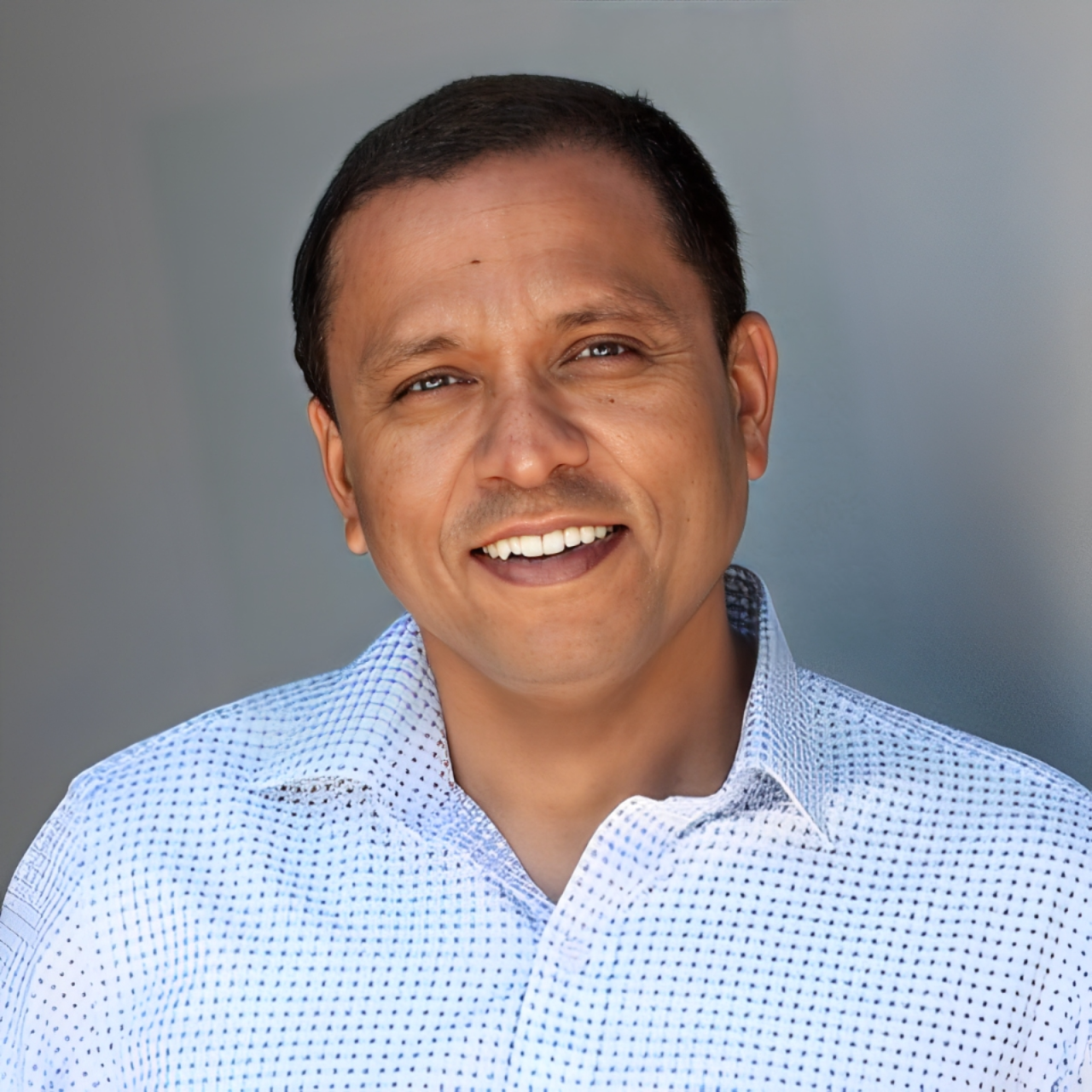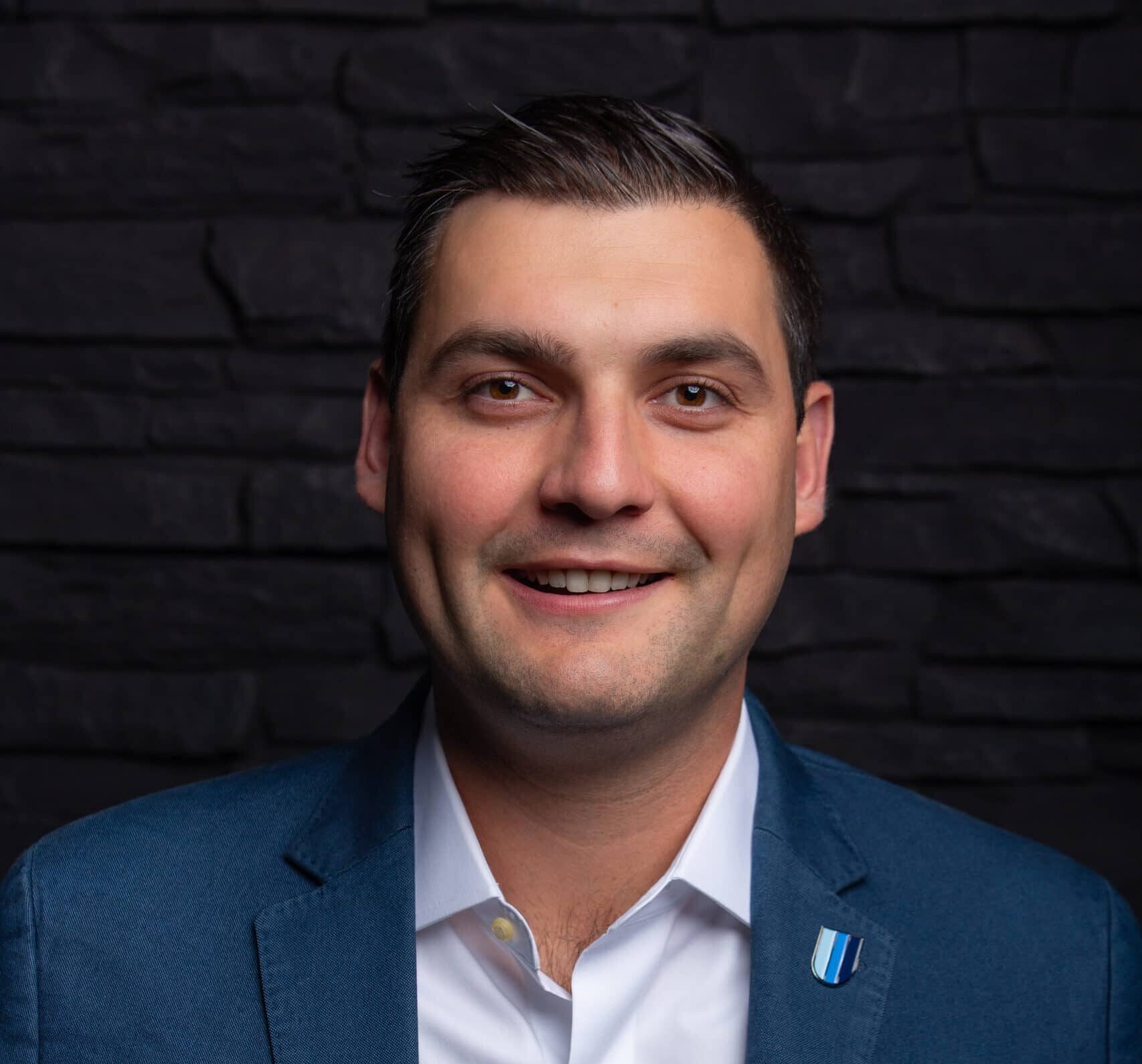

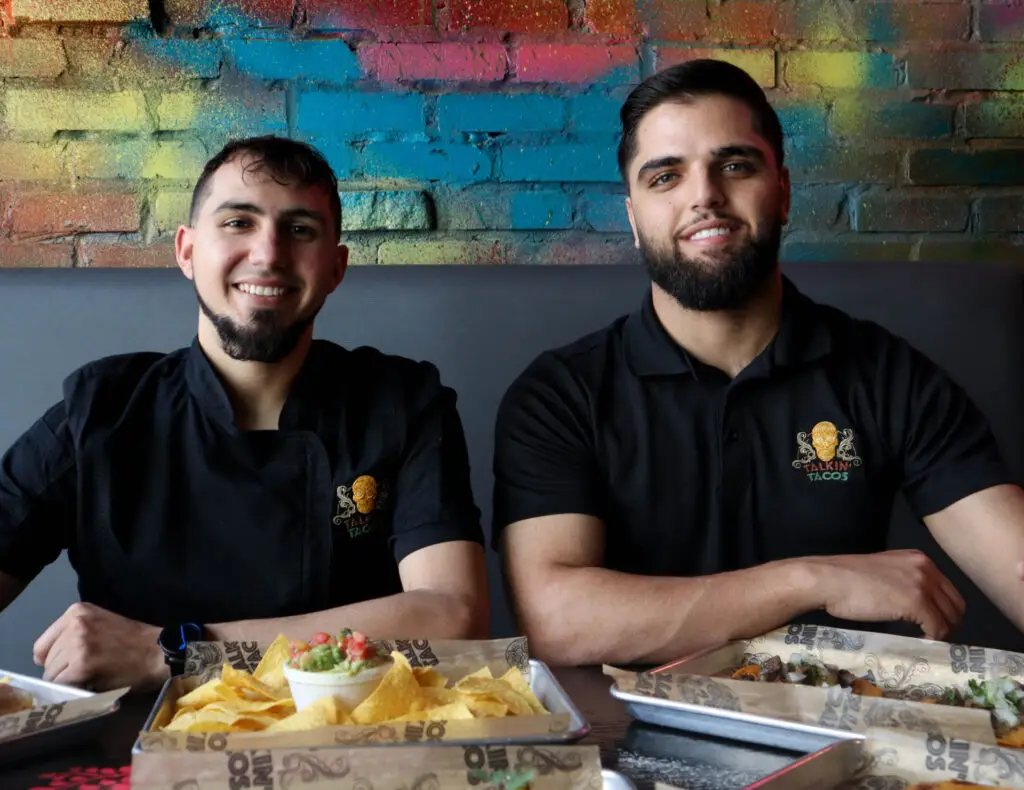
I recently spoke to Mohammad Farraj and Omar Al-Massalkhi, co-founders of Talkin’ Tacos.
Adam: Thanks again for taking the time to share your advice. First things first, though, I am sure readers would love to learn more about you. How did you get here? What experiences, failures, setbacks, or challenges have been most instrumental to your growth?
Omar: Mohammad and I grew up together, and even when we were kids, we always talked about doing something together one day. Life took us in different directions for a while. He became a doctor, and I got into the food business, but that idea never really left us. At some point, we just decided to stop talking about it and actually do it. We started Talkin’ Tacos out of a beat-up food truck with no real blueprint. We just believed in it and kept going. The beginning was rough. We got kicked out of the location, couldn’t find stability, had issues opening our first lease, and at one point, we ran out of money. A lot of people around us didn’t really see the vision either. Looking back now, that part of the journey probably mattered the most. It forced us to get tougher, learn fast, and stay locked in. A lot of the way we operate today still comes from those early days.
Adam: How did you come up with your business idea? What advice do you have for others on how to come up with great ideas?
Mo: Omar has been in the food industry since high school. He opened a Mediterranean food truck concept in 2016. In 2020, the covid pandemic raged in the world and destroyed many small businesses in the country. The idea of opening Talkin’ Tacos spawned when Omar told me he wanted to sell his food truck. I told him I wanted to rent it from him instead of him selling it. Instead of renting it to me, he suggested that he partner with me rent-free, and the company was founded. The company was supposed to be a side hustle generating a couple of hundred dollars per month to help take care of our families, and instead turned into an entrepreneurial career path none of us ever thought it would be.
Omar: Honestly, it didn’t start with some huge business plan. We were sitting in my living room during COVID, talking like we always do, and I mentioned I had an extra food truck that was just sitting there. Mohammad was basically like, “Why don’t we turn it into something and build a concept around it?”
That was really it. It was simple. We had something in front of us, and we decided to take a shot with it. We wanted to build something that felt different and felt like us, and then we figured the rest out as we went. I think people sometimes get stuck waiting for the perfect idea, but most of the time, you understand the business better once you actually start. You learn by doing.
Adam: How did you know your business idea was worth pursuing? What advice do you have on how to best test a business idea?
Mo: We really didn’t have any certainty that the idea was worth pursuing. We knew that the initial costs to convert the food truck into a Mexican food truck would cost money that we didn’t have, but we also felt like youth was on our side. If we risked it all and failed, we were only two 24-year-old kids who can pick ourselves up and keep pushing. The advice I would give to anyone contemplating testing a business idea would be to just do it. It doesn’t need to be the prettiest, most expensive, or perfect; it just needs to make sense. You need to have a product that has demand. If demand exists, you’re halfway there. If it doesn’t, you need to create that demand. It’s usually easier to start in a niche that already has demand.
Omar: In the beginning, no, we didn’t know for sure if it was worth pursuing. There wasn’t one big moment where we felt guaranteed that it was going to work. We just started, and a lot of it was trial and error. What gave us confidence over time was seeing the response. More people were showing up, customers were coming back, the lines started getting longer, and little by little, it started building real momentum. That’s when it started feeling like this could become something big. The biggest thing I’d say is get your idea in front of real people as fast as you can. Keep it simple, keep your overhead low, and pay attention to what people do. That tells you a lot more than sitting around talking about the idea.
Adam: What are the key steps you have taken to grow your business? What advice do you have for others on how to take their businesses to the next level?
Mo: The simplest way I can put this is reinvest every dollar you make back into the business you started. We began to make a lot of money from the food truck and never took a dollar for ourselves. We saved that money, opened our first brick-and-mortar, and we were off to the races. Today, with 35 locations, cash flow is no longer an issue for growth, and we have benefited from economies of scale. Had we chosen to buy the nice watch, car, or house that early on we would certainly not have had the success that we have seen today.
Omar: For us, growth really started once we became more disciplined. In the beginning, hustle gets you off the ground, but it only takes you so far. Once we started growing, we realized we needed structure behind it. That meant tightening operations, putting systems in place, and making sure the experience was consistent. We didn’t want one location to feel great and another to feel completely different. We learned early that if the business is messy at one location, opening more locations just creates bigger problems. So before scaling, we had to make sure what we built was solid and repeatable.
Adam: What are your best sales and marketing tips?
Mo: A lot of people think marketing is all about going after new customers, and that’s important. But I believe the best marketing you can do is for the people who already know you. In hospitality, you’re not going to be perfect every time. Most guests will have a great experience, but occasionally something might fall short. For us, we decided early on that if someone doesn’t enjoy their meal to the fullest, they shouldn’t have to pay for it. So, if we hear about a bad experience, we’ll refund them and invite them back – on us. Not because we have to, but because we genuinely want them to experience the brand the right way and see the best of what we have to offer. That approach has built a lot of trust, and it’s a big reason why we’ve been able to maintain around a 67 percent returning customer rate month over month.
Omar: On the sales side, for us, it always comes back to the overall experience. The food has to be good every single time, obviously, but it’s also the speed, the energy, the consistency, and the way people feel when they come in. If people enjoy the full experience, they come back, and they usually bring someone with them. A lot of our growth has come from that. On the marketing side, Mohammad really leads that, and he’s done an amazing job building the brand. He understands how to keep it relevant and how to connect with people without making it feel forced. That’s been a huge part of why the brand has grown the way it has.
Adam: In your experience, what are the defining qualities of an effective leader? How can leaders and aspiring leaders take their leadership skills to the next level?
Mo: Leaders are perspicacious, empathetic, fanatical, and relentlessly pursue perfection. Talkin’ Tacos is more than a restaurant. We offer an experience unlike many restaurants. We care about every interaction as if it’s still the first. Our decision driving the company is hyper-focused on one thing: customer experience.
Omar: I think one of the biggest parts of leadership is leading by example. People can tell pretty quickly if you really stand on what you say or if you’re just talking. If you want your team to care, work hard, and stay disciplined, they must see that from you, too. Another big one is staying levelheaded. In this business, problems come up all the time. Things go wrong, plans change, stuff happens. Your team watches how you respond. If you stay calm and focused, it helps everybody else do the same. As far as getting better as a leader, I think it starts with being honest with yourself. Listening more, being willing to adjust, and understanding that you don’t always have the answer right away. You keep learning as you go.
Adam: What is your best advice on building, leading, and managing teams?
Mo: The best employees we have hired and mentored at Talkin’ Tacos have been the ones with no experience or background. Teaching someone who starts off as a dishwasher or a line cook to become an effective leader has allowed us to create a growth path for our employees. It is crucial to identify employees with great potential. Knowledge can be taught, but drive and eagerness to learn are a personality. We have learned to identify those who show signs of leadership early on. This has provided us with the tools to be able to grow rapidly and promote incredible employees without having extremely high turnover rates in employment.
Omar: It starts with having the right people around you. You can teach someone the job, but it’s a lot harder to teach attitude, work ethic, or whether they genuinely care. After that, it’s about the environment you create. People want to feel respected, and they want to know what the standard is. If you’re clear, fair, and consistent, that helps a lot. I also think being present matters more than people realize. Not just checking in from far away, but being around, listening, and being there when things get difficult. That makes a big difference with a team.
Adam: What are your three best tips applicable to entrepreneurs, executives, and civic leaders?
Mo: As your business grows, focus on what made you start your business in the first place. Your original mission should be the anchor for all future decisions. Do not compromise on the quality of the product you offer for growth. Scaling only works if the core products remain exceptional. Always prioritize existing customers. It is cheaper to fix a poor experience than to acquire a new customer.
Omar: For me, it really comes down to hustle, consistency, and focus. Hustle matters because, especially in the early days, nobody is going to care about the business more than you do. You have to be willing to do the hard stuff, the uncomfortable stuff, and whatever the business needs at that moment. Consistency is just as important, maybe even more. A lot of people can go hard for a week when they’re motivated. The real test is whether you can stay locked in when you’re tired, stressed, or not seeing results yet. And focus is huge. There are always distractions, always other ideas, always things pulling at your attention. The biggest progress usually comes when you stay focused on what moves the business forward and don’t get pulled into everything else.
Adam: What is the single best piece of advice you have ever received?
Mo: My father always told me: Save your bright money for your dark days. Live within your means and only stretch as far as your foundation allows.
Omar: One thing my father always told me growing up was, “Your name is everything. Protect it.” That always stayed with me. The way you treat people, the way you carry yourself, your word, your reputation, all of that matters. People remember that. So, in business and in life, I’ve always tried to move in a way that I’d be proud to have my family’s name attached to. That part of me hasn’t changed.
Adam: Is there anything else you would like to share?
Mo: Always prioritize your family. Make time for those you love, there will come a time you will pray for these days to return.
Omar: We live by the idea of “figure it out.” Work hard, be consistent, and you will figure it out along the way. Obstacles bring you closer to the vision.