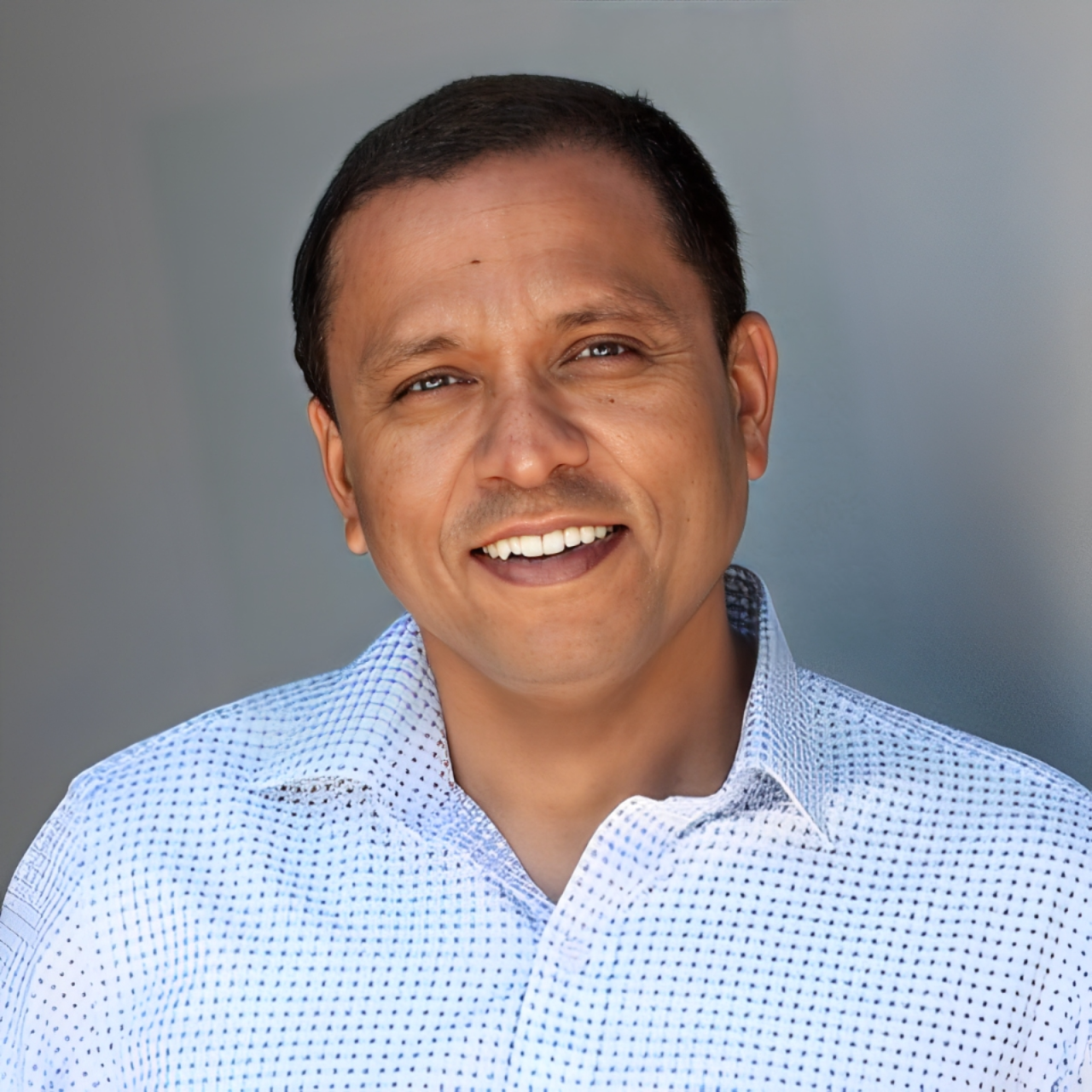


I recently went one-on-one with Tony Scriarrino, Head of BMO Commercial Bank, U.S, in an interview coordinated around the 2026 Milken Institute Global Conference.
Adam: Thanks again for taking the time to share your advice. First things first, though, I am sure readers would love to learn more about you. How did you get here? What experiences, failures, setbacks, or challenges have been most instrumental to your growth?
I’ve spent more than 30 years in banking, much of it alongside some of the largest financial institutions in the country, and one thing that has become clear over time is that very little about this industry is linear. Every stage of my career has been shaped by periods of uncertainty, whether that was navigating economic expansion, market downturns, or significant M&A activity. Those experiences have reinforced the importance of staying grounded in sound judgment while remaining adaptable as conditions shift.
What has been most instrumental to my growth is learning how to make decisions in environments where clarity is limited and the stakes are high. In those moments, you develop a stronger sense of how you assess risk and how you balance short-term pressures with long-term outcomes. You also learn quickly that how you lead through those periods matters just as much as the decisions themselves.
Over time, that perspective has shaped how I approach leadership. Today, I lead BMO’s U.S. Commercial Bank and nearly 3,000 colleagues across the country, and my focus is not just on navigating change but on building an organization that can do so consistently. That means reinforcing strong decision-making and accountability, maintaining high standards, and ensuring our teams are equipped to adapt and perform in any environment while continuing to consistently deliver for our clients.
Adam: In your experience, what are the key steps to growing and scaling your business?
Scaling a business is less about perfecting what already works and more about making deliberate choices about where to compete and where not to. In the early stages, it is easy to say yes to every opportunity, but real scale comes from narrowing your focus and doubling down on the markets, customers, and offerings that create outsized impact.
As you grow, the challenge shifts from doing more to deciding better. Leaders have to move quickly enough to capture opportunity while being disciplined enough to avoid unnecessary complexity. That often means being willing to walk away from revenue that does not align with your long-term direction. The organizations that stand out are not just operationally sound, but intentional. They are clear on who they serve, what they do differently, and how they allocate their resources.
Adam: What do you believe are the defining qualities of an effective leader?
Effective leadership starts with creating a sense of purpose that people can connect to and see themselves in. While direction matters, what truly differentiates strong leaders is their ability to align people around why the work matters and where the organization is going.
Great leaders are also intentional about building trust, not just through decisions, but through transparency and authenticity. People are far more likely to follow when they understand the reasoning behind choices and feel included in the journey, even when outcomes are uncertain. That requires a willingness to communicate openly and consistently, especially during moments of change.
Ultimately, leadership is about shaping an environment where people can do their best work. That means setting a high bar, reinforcing shared values, and recognizing that culture is built through everyday interactions. The leaders who are most effective are the ones who create that alignment and energy at scale, so that success is not driven by control, but by shared commitment.
Adam: How can leaders and aspiring leaders take their leadership skills to the next level?
For leaders looking to take the next step, the biggest skill to unlock is often developing sharper self-awareness and understanding how your leadership style influences the people around you. The leaders who continue to improve are the ones who actively seek feedback, reflect on their decisions, and remain open to being challenged.
Another important element is expanding how you learn. That means stepping outside of your immediate environment and engaging with different perspectives, learning from peers in other industries, and exposing yourself to ideas that may not naturally align with your own. That kind of intentional curiosity helps leaders avoid becoming too anchored in what has worked in the past.
Ultimately, leveling up as a leader comes down to adaptability. Business environments evolve quickly, and the ability to reassess, recalibrate, and move forward with conviction is what keeps leaders effective over time. Those who continue to grow are not necessarily the ones with all the answers, but the ones most willing to keep learning.
Adam: What are your three best tips applicable to entrepreneurs, executives, and civic leaders?
First, treat your reputation as a critical asset. Every decision, interaction, and follow-through contributes to how others perceive your judgment and reliability. That credibility becomes increasingly important as your scope grows and your decisions affect more people.
Second, be clear on your standards and hold to them consistently, especially when it is inconvenient. The most important decisions are often the ones where there is pressure to compromise, and how you respond in those moments defines your leadership over time.
Third, focus on making decisions that you would stand behind even with complete transparency. In complex environments, outcomes are not always within your control, but the quality of your decision-making is.
Adam: What is your best advice on building, leading, and managing teams?
Building a strong team starts with being deliberate about who you bring in, not just in terms of capability, but in how they think, make decisions, and operate under pressure. The best teams are not defined by individual resumes, but by how well people complement each other and elevate the overall level of judgment across the group.
Leading and managing that team then becomes an exercise in setting a high and consistent standard. People tend to align quickly when expectations around performance, accountability, and decision-making are clear and reinforced. That includes being direct about what is working and what is not, which helps maintain momentum and avoids ambiguity over time.
Strong teams can make sound decisions consistently, even in situations where there is no clear precedent. The role of the leader is to ensure that level of rigor holds, so that performance is driven by collective strength and not dependent on any one individual.
Adam: What is the single best piece of advice you have ever received?
The best advice I’ve ever received is to listen more than you speak. We have two ears and one mouth for a reason. Strong leadership starts with understanding before reacting, and the quality of your decisions improves when you take the time to hear different perspectives.
Creating space for others to share their views is essential, especially in complex situations where no single person has all the information. As responsibilities grow and scope broadens, listening becomes less optional and more foundational. Relying on the collective insight of clients, colleagues, and teams sharpens judgment, reinforces accountability, and ensures decisions are grounded in the realities of the organization. Listening first has become a core part of how I lead and how sound decisions get made.