

Not every motivational speaker deserves a stage. Anyone who has sat through a forgettable keynote knows the feeling. Someone paces around for forty-five minutes, shares a personal struggle from a decade ago, drops a few greeting card quotes, and walks off to polite applause while half the room checks their phones.
Organizations keep making that mistake because picking the right speaker is genuinely hard. The industry is crowded, every website makes every speaker look amazing, and sizzle reels hide more than they reveal. So what actually happens when that person gets in front of your team?
That is what this guide answers. 10 top motivational speakers who bring real depth to the stage in 2026, plus how to pick the right keynote speaker without burning your budget. Whether you are planning a corporate conference, a leadership summit, or an annual sales kickoff, these are the names worth knowing.
Top 10 Motivational Speakers in 2026
1. Adam Mendler
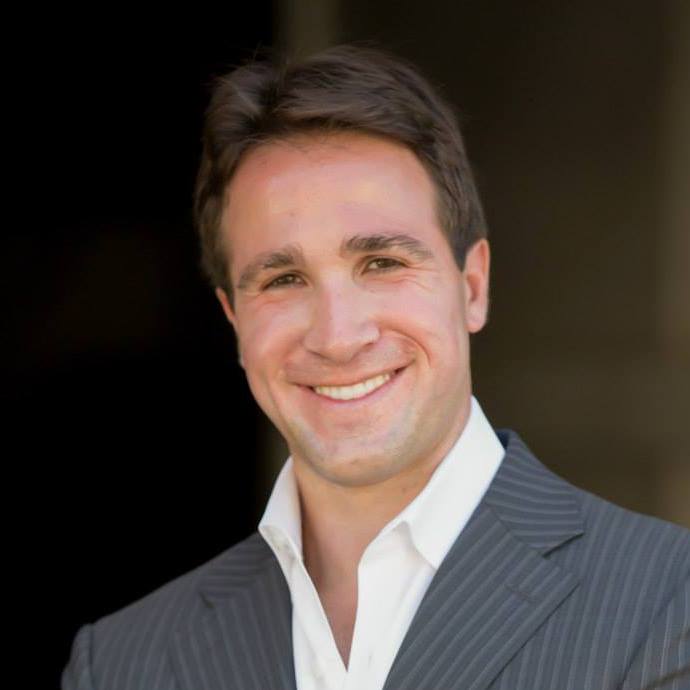
If there is one speaker on this list who represents where the industry is heading, it is Adam Mendler. He is a leadership speaker, entrepreneur, writer, and nationally recognized authority on leadership who built his credibility the hard way, through years of actual work rather than a single viral moment.
Mendler created and hosts Thirty Minute Mentors, a top-rated leadership podcast featuring more than 500 guests including Fortune 500 CEOs, four-star generals, Olympic gold medalists, and governors. Those conversations go deep into leadership, decision-making, resilience, and what it takes to lead through real challenges. He has authored over 70 articles for Entrepreneur, Forbes, and Inc., with his insights appearing across Business Insider, FOX, NBC, U.S. News, Sports Illustrated, HuffPost, and Yahoo. Corporate clients include 24 Hour Fitness, 7-Eleven, and Apollo.
What separates Mendler from the rest of this list is range. He draws from hundreds of leadership conversations and translates those lessons into keynotes built for whoever is sitting in that specific room. Organizations that want motivational speakers for employee engagement grounded in real wisdom keep coming back.
Explore his speaking page, read what past clients have said, or browse his leadership blog to get a real sense of what he brings to the stage.
Book Adam Mendler for Your Next Event →
2. Simon Sinek
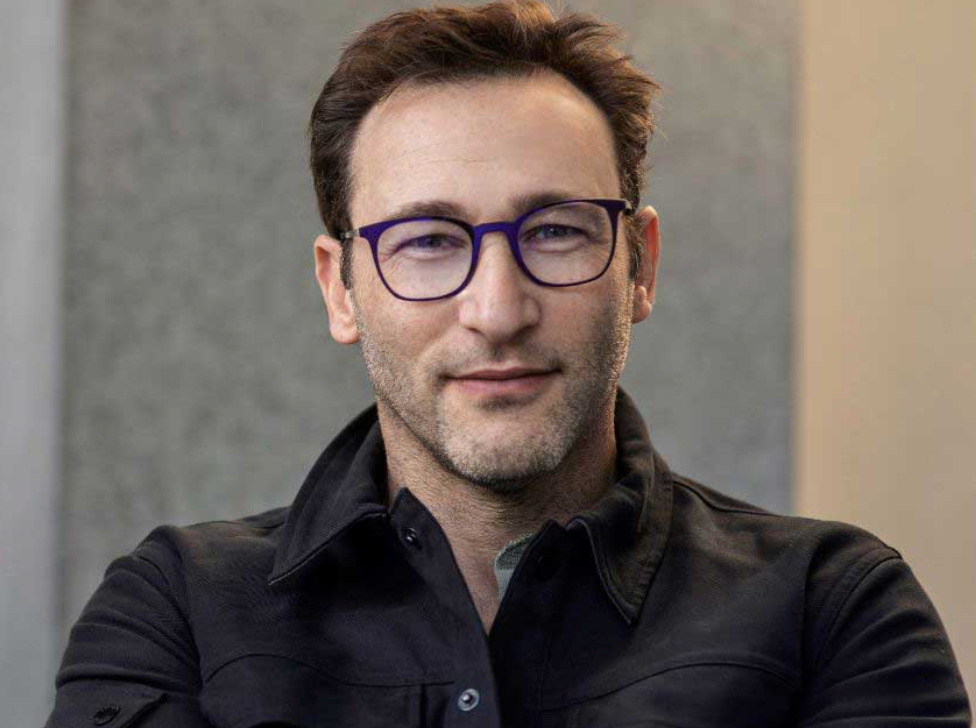
There is a reason Simon Sinek’s name comes up in almost every conversation about leadership speakers. He made one concept stick harder than anyone else in the modern speaking industry: start with why. His TED Talk crossed 60 million views and essentially built its own category of leadership thinking.
Sinek goes well beyond that one talk though. “Leaders Eat Last” explored trust and psychological safety before most executives were even using those words, and “The Infinite Game” pushed back against the obsession with quarterly results. Together, his work gives organizations a practical language for talking about purpose without it feeling vague or abstract.
He connects best when teams have lost their sense of direction or when leadership needs to reconnect with something bigger than the next earnings call. Fortune 500 companies and military branches keep booking him because his frameworks hold up under real pressure, which is why he consistently ranks among the top motivational speakers worldwide.
3. Tony Robbins
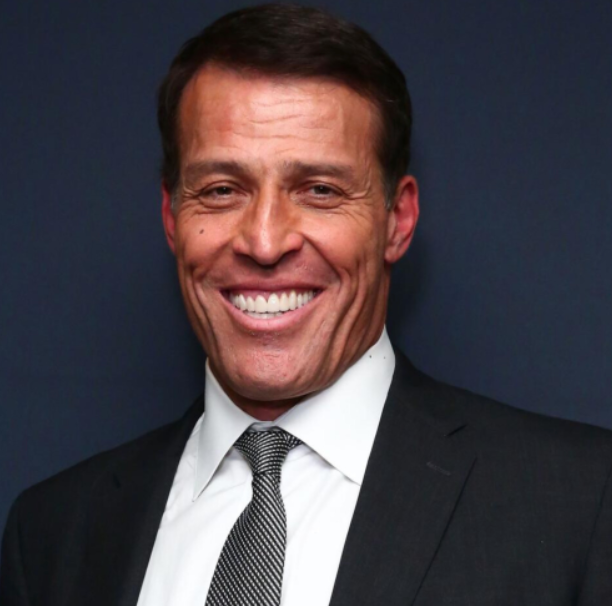
Four decades on stage, and arenas rather than ballrooms. That is Tony Robbins.
He is polarizing, and that is part of why he works. Some people think his events are over the top while others say those same events changed their lives. Regardless of where you fall, the results are hard to argue with. Robbins has personally coached billionaires, professional athletes, U.S. presidents, and CEOs of companies most people interact with daily. His bestsellers “Awaken the Giant Within” and “Unlimited Power” are still moving copies decades after they were first published.
Is he right for every audience? Maybe not, but for large-scale events, sales kickoffs, or organizations that need raw energy combined with performance psychology, he remains one of the most famous motivational speakers alive and nobody else operates at that scale.
4. Brené Brown
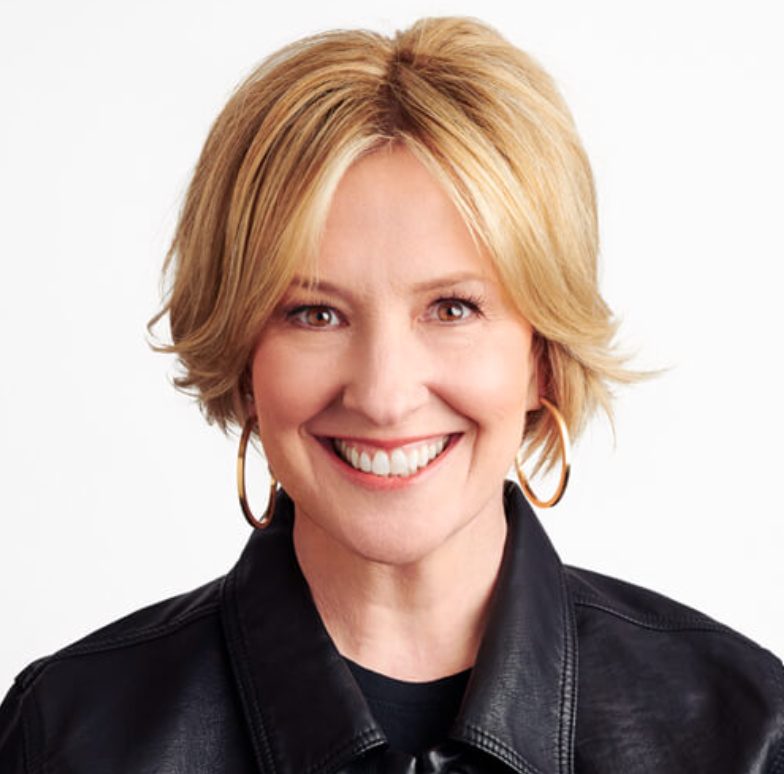
Before Brené Brown came along, bringing up vulnerability in a leadership meeting would have gotten you some very uncomfortable looks. It just was not part of the conversation.
She rewrote that script entirely. Her research at the University of Houston produced findings nobody could dismiss, and her TED Talk on vulnerability landed in the top five most viewed of all time. Then “Dare to Lead” gave executives a real framework for leading with courage instead of armor, followed by a Netflix special that carried her ideas far beyond the business world.
Brown is a researcher who happens to be an extraordinary communicator, and that combination is genuinely rare. Everything she teaches on stage is rooted in years of actual research, not personal stories repackaged as life lessons. She connects especially well with organizations navigating culture shifts and leadership teams that sense something needs to change internally but cannot quite put words to it.
5. John Maxwell
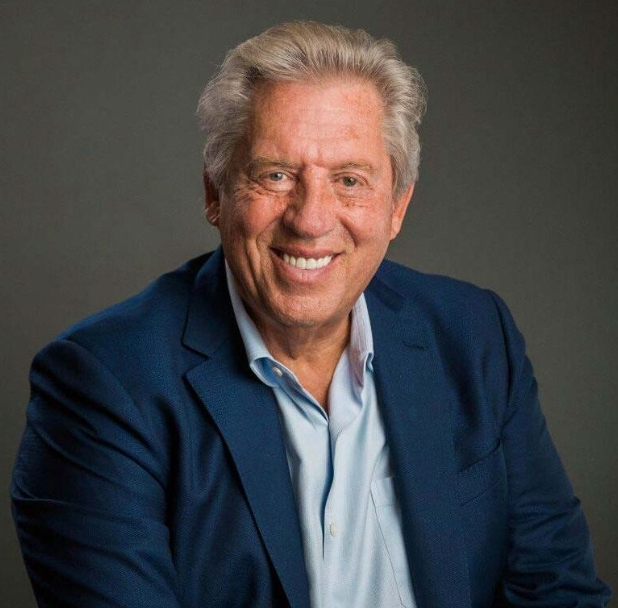
Over 100 books, more than 35 million copies sold worldwide, and millions of leaders trained across corporate, military, government, and nonprofit sectors on six continents. “The 21 Irrefutable Laws of Leadership” is practically a textbook in executive programs around the world at this point.
What keeps Maxwell relevant is that his material does not depend on trends. He teaches foundational leadership principles that work whether the economy is booming or contracting, and whether the leader in the room has twenty years of experience or twenty days. That kind of timelessness is almost impossible to manufacture, and he connects particularly well with organizations running leadership development programs or executive retreats where the goal is building better leaders from the inside out.
6. Gary Vaynerchuk
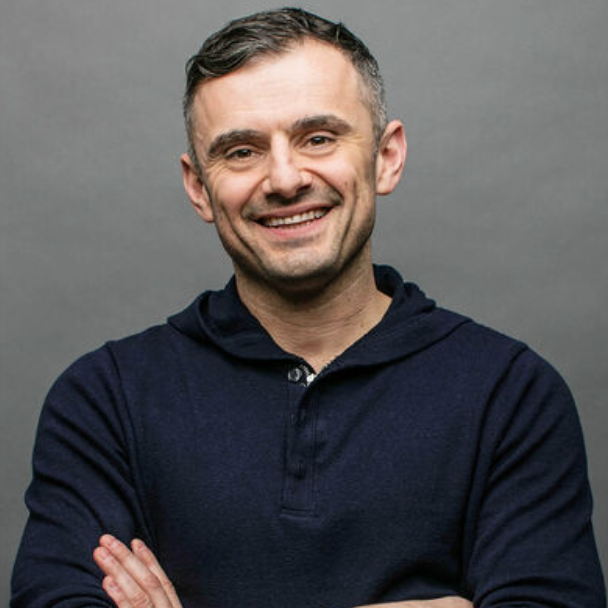
Gary Vaynerchuk sounds nothing like the speakers most corporate audiences are used to, and that contrast is what makes him land. The CEO of VaynerMedia built his reputation by being loud, blunt, occasionally uncomfortable, and consistently right about where business and marketing were heading before most people caught on.
He grew a family wine business into a digital media empire and documented every unglamorous step along the way. That transparency is why his audience trusts him in a way they do not trust most business speakers.
He is not for every room. A group of conservative executives at a board retreat probably will not connect with his energy. But put him in front of a sales team, a room of entrepreneurs, or a marketing conference and something shifts. He says things people are thinking but would never say in a professional setting, and that honesty creates engagement most inspirational speakers simply cannot match.
7. Adam Grant
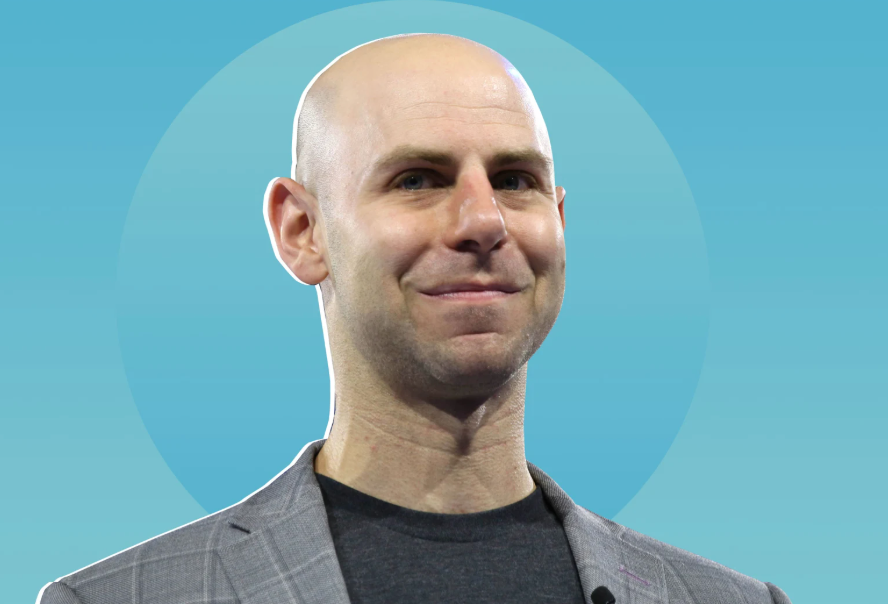
Adam Grant does something most speakers struggle with. He gets people to change their minds without making them feel stupid for what they believed before.
As Wharton’s top-rated professor and bestselling author of “Think Again,” “Give and Take,” and “Hidden Potential,” Grant works at the intersection of research and real-world application. He strips organizational psychology of its academic jargon and delivers insights corporate audiences can actually use on Monday morning.
The reason he pulls it off is that he never talks down to the room. He respects the audience enough to challenge them and backs every argument with enough data that even the biggest skeptic has to sit with it. People who plan innovation-focused conferences have started putting him at the top of their shortlists, and it is not hard to see why. He usually digs into topics like rethinking assumptions, how organizational culture actually works, what drives people to do their best work, and why so much potential inside teams goes completely untapped.
8. Patrick Lencioni

Patrick Lencioni wrote the most dog-eared book on every executive’s shelf by telling a story instead of presenting a framework. “The Five Dysfunctions of a Team” reads like a business novel, which is why it sold millions of copies while drier management books collected dust.
As founder of The Table Group, Lencioni has spent decades consulting directly with leadership teams, and that experience shows in every keynote. He does not lecture. He tells stories with tension, humor, characters you recognize from your own office, and stakes that feel uncomfortably familiar.
His work on trust, accountability, and organizational health has become standard vocabulary in leadership development worldwide. If someone in a meeting has ever said “we need to address the elephant in the room” about team dynamics, Lencioni’s thinking probably influenced that conversation.
9. Brian Tracy
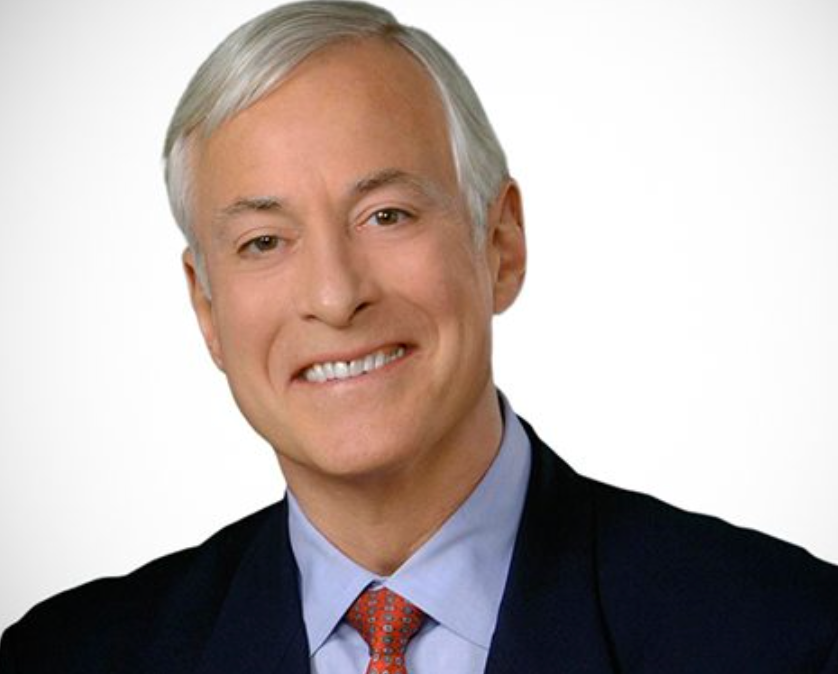
Brian Tracy is not flashy and he will probably never go viral on social media. He would likely be fine with that because his entire approach to speaking has always prioritized utility over entertainment.
Forty years, more than 80 books, audiences in 75 countries, and over five million people reached through live presentations. Those numbers reflect a career built on consistency and the kind of practical value that keeps organizations rebooking the same person for decades.
His strength has always been simplicity. He breaks goal setting, time management, and sales performance into step-by-step systems anyone can follow. His methods work equally well for sales teams in Silicon Valley and mid-level managers in the Midwest, which is a kind of cross-industry durability very few motivational speakers on resilience and personal development can claim.
10. Jim Collins
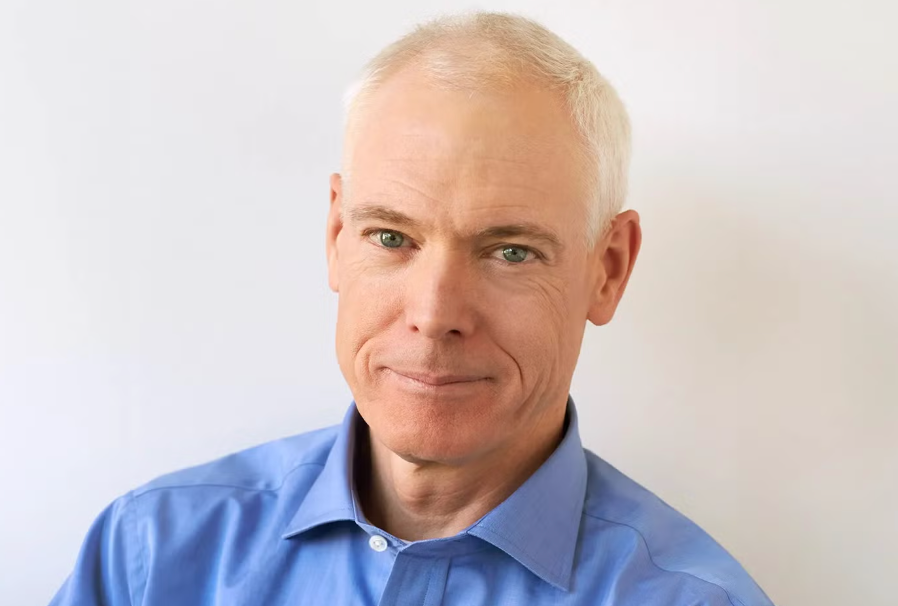
Jim Collins would probably push back on being included in a list of motivational speakers, and that reaction is exactly why he belongs here.
He calls himself a researcher rather than a speaker. The author of “Good to Great” and “Built to Last” spent years buried in data studying what actually separates exceptional companies from mediocre ones. His findings challenged what most business leaders wanted to hear. Level 5 Leadership, the Hedgehog Concept, the Flywheel Effect. These are conclusions drawn from rigorous multi-year research, not feel-good frameworks designed to get applause.
On stage, Collins does not try to pump up a crowd. He tries to make them think harder. That positions him in a category of his own among the top motivational speakers working in 2026, and he is the pick when the audience is a room full of executives who have heard every cliche and need something that respects their intelligence.
How to Choose the Right Motivational Speaker for Your Event
So you have a list of names. Now what? Figuring out how to choose a motivational speaker is where most event planners get it wrong because they pick the name before they define the need.
Here is what actually works:
- Start with the outcome: What should be different about your organization after this event? If you cannot answer that, you are not ready to book anyone.
- Think about who is in the room: A senior leadership team needs a very different speaker than a group of new hires. The best leadership speakers adjust their depth and tone based on the audience, so give them what they need to do that.
- Watch real footage: Not the two-minute sizzle reel. A full keynote or at least a 15-minute clip. You want to see how they handle a room when the editing stops. Reading what CEOs actually expect from a keynote can help set the right bar.
- Ask about customization: Non-negotiable. The best motivational speakers for corporate events learn about the organization before writing a single slide. If someone pitches a pre-packaged talk with no interest in your people, move on.
- Book early: Keynote speakers for conferences with strong reputations fill up 6 to 12 months out, especially January kickoffs and Q4 events.
- On budget: motivational speaker fees in 2026 range from $5,000 for newer voices to $100,000 or more for globally recognized names. With so many top motivational speakers at different price points, the better question is not “who can we afford?” but “who gives us the strongest return for the people in this room?”
Frequently Asked Questions
How much does hiring a motivational speaker actually cost?
Pricing depends heavily on who you are booking and the event itself. Newer speakers might charge $5,000 to $15,000 per keynote. Nationally recognized professionals with books and a strong corporate track record usually fall between $15,000 and $75,000. Arena-level names run $100,000 to $300,000 or higher. Virtual events bring the cost down, and it is worth asking about bundled options like workshops or a post-keynote Q&A since many speakers offer those without a huge price jump.
What kind of topics are organizations booking speakers for in 2026?
Leadership resilience sits at the top right now, which tracks with everything organizations have navigated over the past few years. Motivational speakers on resilience are seeing more demand than almost any other category. Beyond that, team building, communication, emotional intelligence, organizational culture, and adaptability all get requested consistently. There is also growing interest in speakers covering innovation, mental health at work, and the human side of AI adoption.
Is there a real difference between a motivational speaker and a keynote speaker?
Technically yes. A keynote speaker is the featured presenter who sets the tone for an event. A motivational speaker is defined more by their style, which focuses on inspiring and energizing the audience toward action. But the overlap is massive in practice. Most of the best keynote speakers in 2026 are also top motivational speakers and vice versa. Think of “keynote” as the job title and “motivational” as the approach.
How early should we start looking for a speaker?
Earlier than most people expect. High-demand speakers need 6 to 12 months lead time. Solid professionals who are not at the celebrity tier usually need 3 to 6 months. January, September, and late Q4 are the busiest booking windows and the best names get locked in fast.
Will a good speaker actually customize their talk for our organization?
Any speaker worth their fee will want to get on a call beforehand to understand who is in the room, what your organization is dealing with, and what a win looks like from your side. That conversation shapes everything from the stories they tell to the frameworks they present. If someone seems uninterested in learning about your team before the event, that tells you plenty about what kind of experience they will actually deliver.
Wrapping Up
Booking a motivational speaker is a bet on whether your audience walks out thinking differently than when they walked in. Get it right and people reference that keynote in meetings for months. Get it wrong and you just spent five figures on background noise.
Every speaker on this list earned their spot as one of the top motivational speakers in 2026 because they show up prepared, speak from real experience, and leave audiences with something genuinely useful.
For organizations that want a speaker whose insights come from hundreds of conversations with CEOs, four-star generals, founders, and leaders who have actually built something, Adam Mendler belongs at the top of that conversation. He does the work before he gets on stage and it shows.