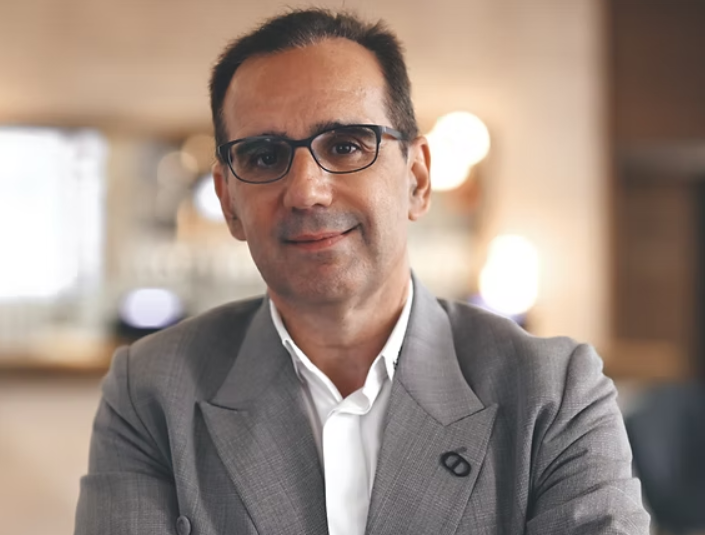

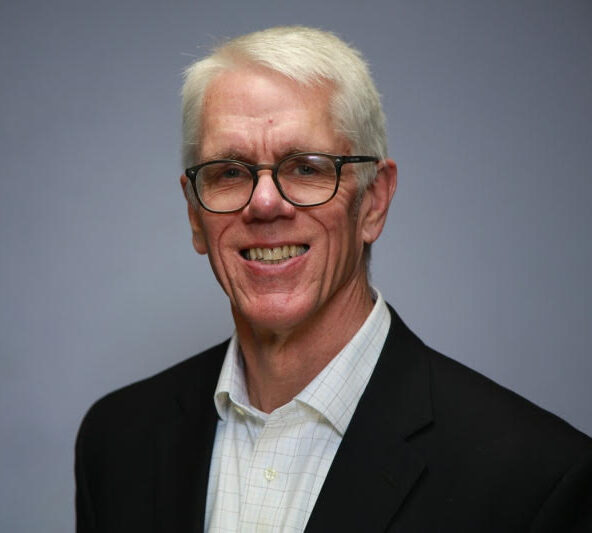
I recently went one-on-one with Wes Michael, founder of Rare Patient Voice. RPV was recently acquired by Konovo.
Adam: Thanks again for taking the time to share your advice. First things first, though, I am sure readers would love to learn more about you. How did you get here? What experiences, failures, setbacks, or challenges have been most instrumental to your growth?
Wes: The most important experience for me was when the company I was working for had a cash flow problem and asked if I could work several months without pay, to be settled up later. I had nursed an idea for a new business for over a dozen years, and this was the impetus for me to take action and launch the business.
Another setback occurred after our business had sustained consistent growth for ten years. All of a sudden, our sales had flattened off. It wasn’t clear at the time why that was. Looking back, it is clear that it was overall industry headwinds, but it produced a positive result as it forced us to look more closely at what we were doing and our plans to get there. Within a year, our growth was back, at an even higher rate.
Adam: How did you come up with your business idea? What advice do you have for others on how to come up with great ideas?
Wes: I remember the exact moment when I had the idea. We had built a hemophilia patient and caregiver panel for a client, and each year we would exhibit at the National Hemophilia Foundation conference and sign up patients. One year, a different client came up to me and asked if they could access the panel. The answer was no, but it gave me the idea – why not create a patient panel that wasn’t beholden to any one client?
So my advice is always to be looking and thinking about ideas that would solve a problem that you might face, or that you see others facing.
Adam: How did you know your business idea was worth pursuing? What advice do you have on how to best test a business idea?
Wes: I could see from my role that the need to research with rare patients was growing, and there wasn’t a good solution. I constantly would ask others for their perspective, and they agreed. It was helpful that I was immersed in that industry, so that not only did I have needs, but I had contacts with many others who could provide their perspective.
Adam: What are the key steps you have taken to grow your business? What advice do you have for others on how to take their businesses to the next level?
Wes: There is certainly a trade-off between investing to grow the business and being mindful of expenditures so that you keep the ship afloat as you are building the business. One of the first steps we took was a partnership with an organization that had a great cancer patient social media platform. We had the need to interview cancer patients, and they had the patients but no way of monetizing their platform. So we shook hands to split proceeds on cancer projects, and it was a win for both of us. Another factor is when to hire more people. I developed a rule: whenever I was consistently working until midnight, it was time to hire someone. And to let those I hired take on more and more, until they became much better than I was at their tasks. Which paid off down the road – when you sell a business, the buyer wants to know how well it can perform without the founder!
Adam: What are your best sales and marketing tips?
Wes: For our business, in our industry, what we offer is quite simple. Do you need patients? We have them. So getting the word out at industry conferences was very powerful. Linking in with those we met, and even linking in with those who we hadn’t met but were in attendance at the conference, helped us to get an audience for frequent LinkedIn posts that kept us top of mind for our clients.
In the beginning, we did not charge a setup fee for a certain type of project, so the clients had nothing to lose to try us. That gained us a lot of usage in the early years.
Adam: In your experience, what are the defining qualities of an effective leader? How can leaders and aspiring leaders take their leadership skills to the next level?
Wes: Different leadership styles work. For me, setting a clear overall direction and letting our team figure out the best way to get there was the most successful. It is often difficult for founders to let go, but it is necessary to let the business grow.
I am not the type to yell and bluster. I could get upset, but I always felt people perform better when they don’t feel too “under the gun.” I told the team, any mistake you make, I’ve made it. I know how it can happen. But learn from it, let’s not see it again.
Adam: What is your best advice on building, leading, and managing teams?
Wes: Make it clear what the objective is, and check in often at the beginning to make sure they are on the right path. The more they learn and demonstrate success, the longer the leash they are on. And celebrate their successes. Our sales team was approaching a record month, but I didn’t think they would get there; there was a holiday coming up. They said, if they broke the record, would I write and sing a song for them? Of course I would! They set the record, and I changed the words to the old standard, “Just In Time,” and sang it at our company-wide monthly call.
Adam: What are your three best tips applicable to entrepreneurs, executives, and civic leaders?
Wes:
- Demonstrate that you will do what you will say you will – to the clients as well as employees, and in our case, the patients we serve. This builds up trust, which you will need when inevitably something goes wrong, and you need to ask for forgiveness.
- Communicate in the simplest possible terms. Most people don’t understand jargon. Tell your staff what “accounts receivable” actually means.
- Don’t be afraid to try a new idea. I had to be pushed. I’m glad that I was.
Adam: What is the single best piece of advice you have ever received?
Wes: I was told long ago that people support what they help create. So when our team would come to me with ideas, whenever possible, I would want to give them the go-ahead, as they will do everything to make them work, more so than if I implemented an idea from the top.