
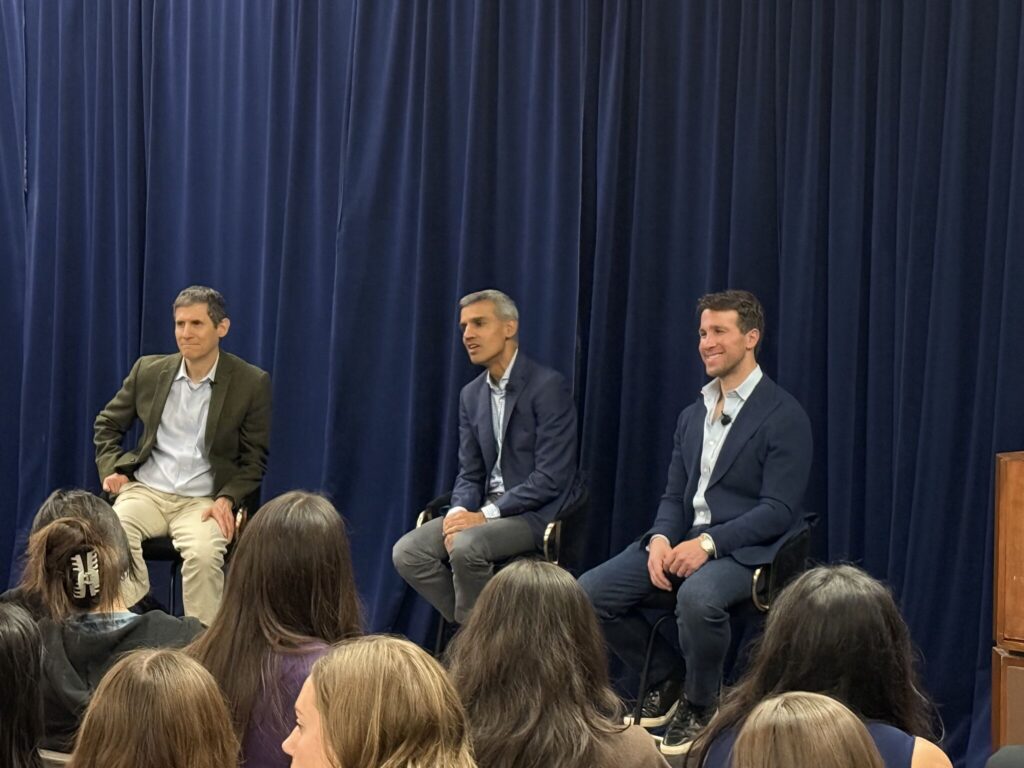
A main-stage conversation has the potential to be the most exciting and memorable part of a leadership event. Whether it is a fireside chat with a CEO, an interview with a high-profile guest, or a panel featuring senior executives, these sessions can deliver insights that feel real, raw, and relevant.
They can also fall flat if the person guiding the conversation is not fully prepared or experienced.
Great interviews do not happen by accident. They require skill, research, timing, and the ability to connect with both the audience and the guest. That is why more planners are choosing to bring in a professional moderator to elevate their main-stage sessions.
Here is why doing so can transform your event.
1. The right moderator brings out the best in high-profile guests
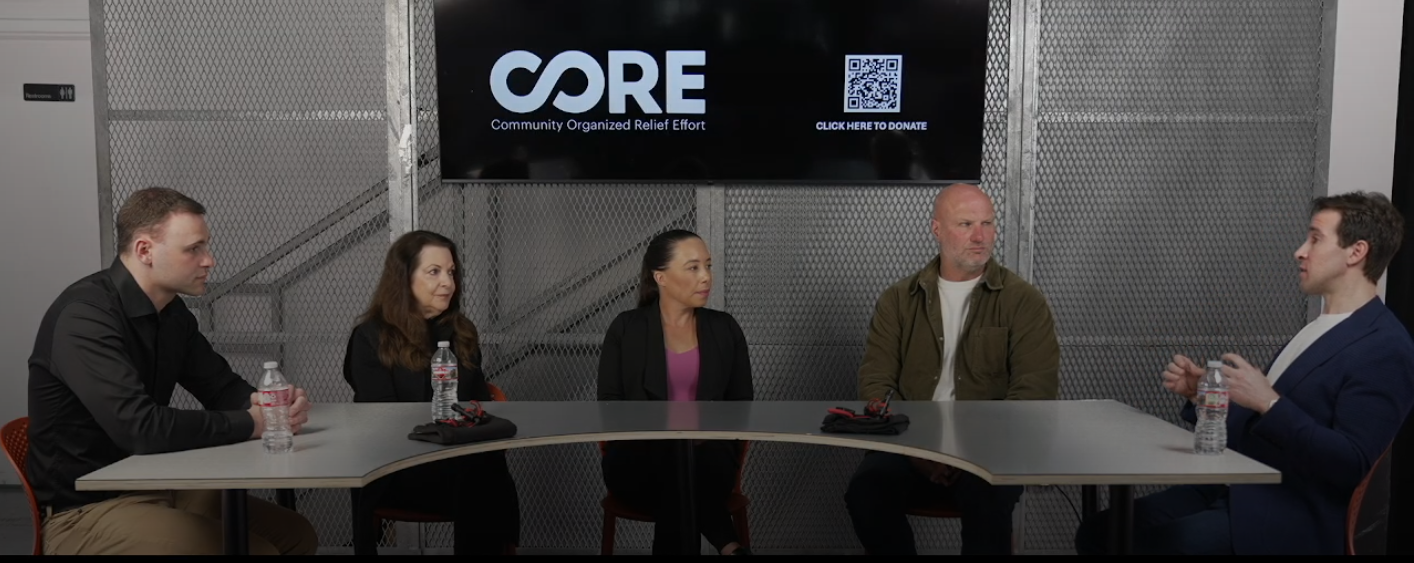
When you have a great guest on stage, you want their brilliance to shine. A seasoned interviewer knows how to guide the conversation and help the guest share stories and insights they may never have intended to talk about, but that the audience will love and remember.
I have spent years interviewing leaders at the highest levels of business, sports, the military, government, and entertainment. The most consistent feedback I hear is that my guests enjoyed the experience and loved how the conversation brought out their authentic voice.
A strong moderator builds comfort and trust quickly. When the guest feels at ease, the audience feels the impact.
But it goes beyond comfort. A skilled moderator understands how to pace the energy, when to dig deeper, and how to translate complex ideas into relatable lessons. Many executives and public figures are used to scripted conversations or corporate panels that feel safe. A professional interviewer breaks that pattern, creating a dialogue that feels spontaneous and alive while staying respectful and on message.
Behind every memorable main-stage conversation is preparation. Great moderators do not just show up; they study their guests’ past talks, interviews, and professional milestones. They learn their rhythm. They prepare thoughtful follow-ups that go beyond biography and statistics. That level of preparation is what transforms a polite Q&A into an unforgettable exchange of ideas.
Sometimes the smallest question unlocks the most powerful answer. I once asked a guest a single, unexpected question about what kept him up at night as a leader. His raw, unguarded response became the most-quoted line of the entire conference. That is the art of moderation: not chasing headlines but creating moments of truth.
2. A professional moderator keeps the conversation focused and valuable
A main-stage session should not feel like a random conversation. It should reinforce the theme of the event and deliver actionable value to the audience.
A skilled moderator:
- Asks better questions
- Listens actively and follows up where the story gets interesting
- Keeps the conversation on track
- Draws out key insights that matter
When I prepare for a moderated session, I study the speaker or panelists, align with the planning team on goals, and craft a conversation that will resonate with the audience. The result is a dialogue that feels smooth, intentional, and worth every minute.
Maintaining focus in a world where attention spans are decreasing is a skill. A professional moderator knows how to balance depth with pacing, moving fluidly between storytelling moments and tactical takeaways.
One common mistake I see in main-stage sessions is when the interviewer tries to make the conversation about themselves. That never works. The moderator’s role is not to compete for attention but to spotlight the guest. When done right, the audience walks away remembering the ideas, not the ego.
The best moderators also work closely with event organizers to align the discussion’s tone with the organization’s values. Whether the event’s goal is to inspire innovation, reinforce culture, or celebrate leadership milestones, the conversation should always feel purposeful. When moderation is done right, it becomes a living reflection of the event’s message.
3. Improvisation matters when the unexpected happens
Live events are unpredictable. Guests go off topic. A panelist says something incredible, and you need to explore it further. Time gets cut. Questions bomb. Technology fails.
A professional moderator is ready for all of it.
Real-time decision-making is a huge part of on-stage interviewing. You need to know when to move on, when to push deeper, when to shift tone, and how to make adjustments without the audience noticing a thing.
A skilled moderator keeps everything fluid and engaging.
Think of a main-stage conversation as a living performance. No matter how well-prepared you are, you must adapt to the energy of the room and the chemistry between people on stage. That requires intuition, timing, and confidence under pressure.
I have had moments where a panelist’s microphone stopped working mid-sentence or an executive skipped an entire topic we had planned. Those moments can derail an inexperienced moderator, but they can also become opportunities. A great moderator turns potential chaos into connection, keeping the conversation alive and the audience unaware that anything went wrong.
Improvisation is not about winging it. It is about being so prepared that you can make quick, thoughtful adjustments. The best moderators have backup questions, alternate routes, and the presence of mind to stay calm under pressure. The audience does not remember the glitch; they remember how seamlessly the moment flowed.
4. Panels become more dynamic and balanced
Panels can be incredible or incredibly chaotic. Without structure, one person dominates, or the conversation never gets beyond the surface level.
A strong moderator:
- Balances personalities on stage
- Ensures every voice is heard
- Asks targeted questions to each panelist
- Creates interaction instead of individual monologues
Panels should feel like a meaningful exploration of ideas, not a series of disconnected comments. That requires professional facilitation.
The best panels feel like natural conversations that happen to unfold in front of an audience. But achieving that balance takes planning and emotional intelligence. A great moderator senses when one panelist is holding back, when another needs to be reined in, and how to connect their ideas into a shared narrative.
If you have ever attended a panel where the discussion felt flat or repetitive, it is often because no one was guiding the rhythm. A professional moderator keeps the flow fresh, injecting curiosity, humor, or a quick pivot to re-engage the audience. The difference between a good panel and a great one is invisible but unmistakable.
The most effective moderators also act as quiet timekeepers, ensuring the session never drags or feels rushed. They manage airtime with fairness and flow. When everyone on stage feels respected and heard, the audience senses it, and the conversation becomes far more impactful.
5. The audience stays engaged from start to finish
Audiences decide quickly if a conversation is worth their time. A great moderator captures attention right away and holds it.
To achieve that, I focus on:
- Flow and pacing
- Storytelling moments
- Clear takeaways
- Human connection and humor
- Audience interaction when appropriate
The goal is not just to inform but to involve.
When the audience is leaning in, your event is winning.
Audience engagement is both art and psychology. People connect to authenticity. They want to feel like they are in the room for something happening uniquely in that moment. A great moderator reads the body language of both guest and audience, adjusting tone and tempo as needed.
Adding moments of humor or vulnerability can shift an entire room’s energy. I have found that some of the best event feedback comes not from scripted brilliance but from unscripted sincerity. That is where the moderator’s intuition shines.
A professional moderator also uses subtle cues, pauses, pacing, or even a well-timed smile to create emotional rhythm. That rhythm keeps people engaged long after the session begins. When the audience laughs, nods, and takes notes, you know the dialogue is working.
6. The moderator becomes a partner in making the event better
Moderation is not a single moment on stage. It is a collaboration.
A professional moderator supports event planners by:
- Joining prep and strategy calls
- Helping refine event themes
- Creating cohesion between sessions
- Supporting marketing and promotional content
When I moderate, I aim to make the planners and the organization look great. We succeed together.
Your guest becomes a star. Your audience learns and enjoys. The event feels bigger and better.
Behind the scenes, great moderators act as creative partners. They help shape the arc of the event, how one session flows into the next, how messages align with the overarching theme, and how tone evolves throughout the day.
Many event planners underestimate the stress relief that comes from having a professional moderator on board. Instead of worrying about timing, tone, or guest coordination, they can focus on logistics, knowing the conversation is in good hands.
Professional moderators also add value before and after the event. Before the event, they can help develop promotional materials and pre-event interviews that excite the audience. Afterward, they can provide recap insights or content soundbites for newsletters and highlight videos. The best partnerships extend beyond the stage.
7. How to Choose the Right Moderator for Your Event
Not every great speaker makes a great moderator. The skill sets overlap but are not identical. When choosing your moderator, consider:
- Experience interviewing diverse guests. Look for someone who has navigated conversations across industries, personalities, and formats.
- Research depth. Ask how they prepare. Do they study past interviews, understand your event goals, and develop tailored questions?
- Listening ability. Great moderators listen to understand, not just to respond.
- Stage presence. You want someone who can command the room without overpowering the guest.
- Adaptability. The best moderators think on their feet and handle surprises with grace.
Also, involve your moderator early. The earlier they understand your theme and audience, the more intentional and aligned their questions and pacing will be.
A moderator is not just an accessory to your event; they are a creative partner who helps bring your vision to life. The earlier that the partnership begins, the stronger the final product will be.
One extra consideration is chemistry. If your moderator and speaker connect naturally offstage, that connection will show onstage. Spend time in pre-event calls or informal meetings to build that rapport. It pays off when the lights come on.
8. The Difference Between a Speaker and a Moderator
Speakers inspire through their own stories. Moderators inspire through the stories of others.
A keynote speaker delivers a message; a moderator creates space for others to share theirs.
Both roles can make a tremendous impact, but they serve different purposes. Many events hire dynamic keynote speakers for inspiration and professional moderators to keep conversations grounded, insightful, and cohesive.
When done well, the two complement each other beautifully. A strong speaker sets the tone, while a skilled moderator deepens the learning.
Moderation also brings continuity. If your event features multiple sessions or panels, having one experienced moderator across them can unify tone and maintain consistency. That thread ties the event together, giving audiences a sense of flow rather than fragmentation.
9. From the Planner’s Perspective
Over the years, I have worked closely with planning teams, from small associations to global corporations, who often share the same concern: “What if the guest does not open up?”
A good moderator eliminates that fear. I have seen reserved executives transform on stage when they feel safe and guided by someone who understands how to connect.
When planners trust the moderator, everything else falls into place. The audience stays engaged, the guest shines, and the event earns the kind of feedback that builds future attendance and sponsorship.
Planners also appreciate that a professional moderator can help with the little details that make a big difference, ensuring transitions are smooth, questions align with corporate messaging, and the timing feels effortless. These small touches make large events feel personal and intentional.
10. A real-world example of success
For a major leadership conference, I was asked to interview a high-profile CEO on transformation and innovation. The planning team told me beforehand that they were worried the guest might be difficult to engage.
By building rapport behind the scenes, understanding his story, and guiding him with strong, thoughtful questions, the session turned into the highlight of the event. Attendees told the organizers they could not believe how open and energized the CEO was.
That is what skilled moderation can unlock.
Moments like that remind me why the art of conversation is so powerful. It is not just about asking questions. It is about creating a connection. And connection is what every great event is built on.
Final thought
Main-stage conversations are too important to risk on chance. They deserve care, preparation, and professional skill.
When you hire a professional moderator for your leadership event, you elevate the entire experience. You bring out the best in your guests. You deliver more value to your audience. You create a moment people will remember.
If you want your fireside chat, CEO interview, or executive panel to be a standout moment that drives real connection and high engagement, I would love to partner with you.
Frequently Asked Questions
1. What makes a great event moderator?
A great moderator combines preparation, empathy, and adaptability. They know how to ask meaningful questions, keep the discussion focused, and create comfort for guests and audiences alike.
2. How early should a moderator be involved in event planning?
Ideally, from the start. Involving a moderator early allows them to align with your theme, understand your audience, and help shape the conversation strategy.
3. What is the difference between a moderator and an emcee?
An emcee manages transitions and introductions, while a moderator leads in-depth discussions and interviews. Some professionals do both, but moderation requires a deeper focus on dialogue and flow.
4. How can a moderator keep a panel from going off the rails?
By setting expectations early, balancing airtime among panelists, and guiding the discussion back to the main topic when it drifts. Strong moderators use subtle cues to maintain control without stifling authenticity.
5. How do I know if my event needs a professional moderator?
If your agenda includes interviews, fireside chats, or panels with high-profile speakers, or if you want to ensure consistency and polish, a professional moderator can make the difference between a good session and a great one.