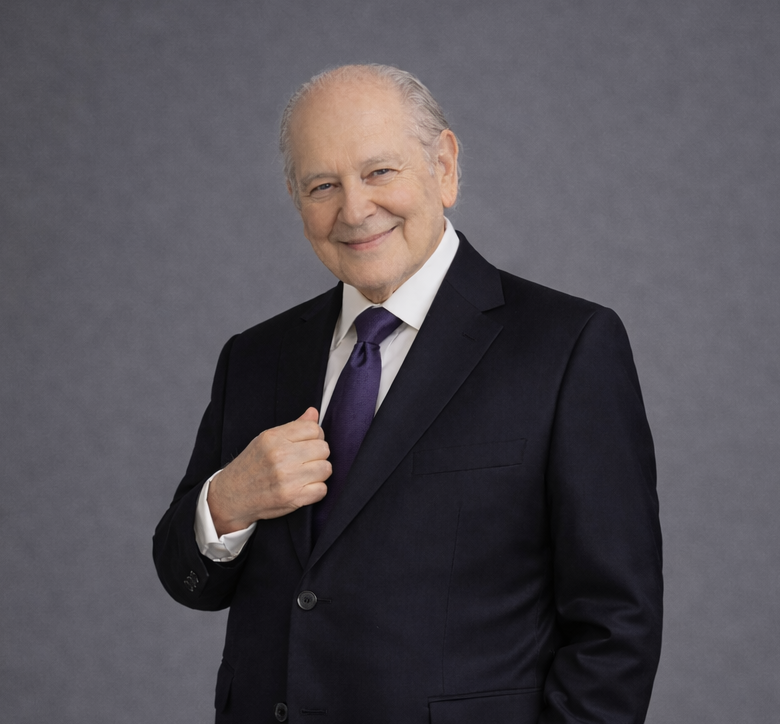

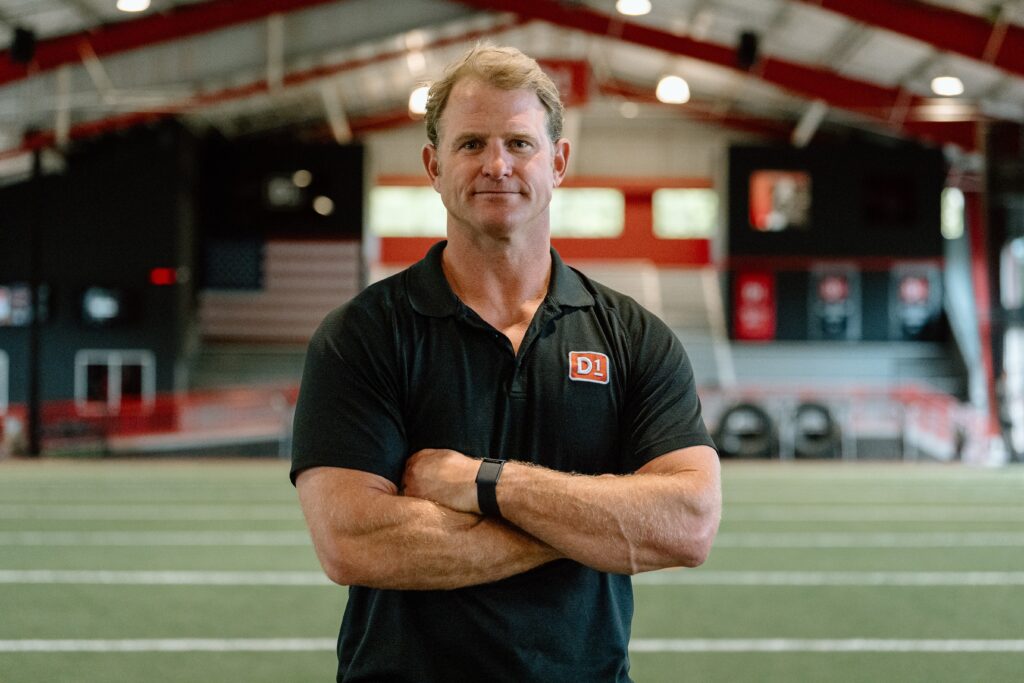
I recently went one-on-one with Will Bartholomew, founder and CEO of D1 Sports Training.
Adam: Thanks again for taking the time to share your advice. First things first, though, I am sure readers would love to learn more about you. How did you get here? What experiences, failures, setbacks, or challenges have been most instrumental to your growth?
Will: I’ve always been driven by two things: competing and building teams. I played football at the University of Tennessee, having the privilege to play alongside Peyton Manning, and later helped the Vols win a national championship. I also had the opportunity to participate in the NFL Scouting Combine and earn a spot at the Denver Broncos training camp. But my NFL career was cut short by a career-ending knee injury before it ever really began.
That was my first major setback, and it forced me to completely rethink my path. I had to channel the same discipline, resilience, and work ethic I’d learned on the field into something new. That “something” became D1 Training, a way to combine my love for sports, my understanding of elite training, and my desire to build something bigger than myself. That injury, as devastating as it was, taught me that the biggest opportunities often hide inside life’s toughest challenges.
Adam: How did you come up with your business idea and know it was worth pursuing? What advice do you have for others on how to come up with and test business ideas?
Will: The idea for D1 came directly from my own experience as an athlete. I realized there was a gap in the market for a training facility that offered the same high-level, science-backed programming athletes get at the collegiate and professional level — but made accessible to kids, adults, and teams of all ages. The first location was built with a clear vision: train people like athletes, in a team environment, with a results-driven approach. The response was immediate.
For testing ideas, I tell people: build something that solves a real problem for a real audience, then start small and see how the market reacts. Don’t overcomplicate it. Get feedback, make adjustments, and only then scale.
Adam: What are the key steps you have taken to grow your business? What advice do you have for others on how to take their businesses to the next level?
Will: For us, growth has come from three core pillars. First, a people-first mission. We’ve been intentional about building a culture that attracts the right talent and the right partners – individuals who believe in our vision and are committed to delivering it at the highest level – and providing them the resources, tools, and expertise to execute.
Second, strong systems. Early on, we focused on creating a proven, repeatable model that works in diverse markets. From training protocols to operational processes, we’ve built an infrastructure that allows our teams to focus less on “figuring it out” and more on executing with excellence.
Third, brand differentiation. We’ve never wavered from our core identity: training people like athletes in a team environment. In a crowded fitness space filled with fads and trends, that clarity of purpose sets us apart and keeps our brand relevant and respected.
For anyone looking to grow, my advice is simple: build a business that can thrive without you, invest deeply in your people, and continually refine your core offering so it delivers exceptional value every single time. Growth is not a single leap, it’s the result of daily discipline, relentless improvement, and staying true to your mission.
Adam: What are your best sales and marketing tips?
Will: Tell a story that connects emotionally and make it real. For D1, our story isn’t just about lifting weights; it’s about changing lives. We’re talking about the 14-year-old who walked in shy and unsure, and a few months later is walking taller, smiling more, and believing in themselves. It’s the parent who thought their best days of fitness were behind them, now keeping up with their kids at the park. It’s the athlete who was overlooked for a starting spot, only to put in the work, prove themselves, and step onto the field with confidence.
When your marketing is rooted in real results, genuine transformations, and human moments, you stop chasing sales, you start inspiring people. They see themselves in your stories. They feel the hope, the pride, the possibility. And that’s when they decide they want to be part of it—not because you told them to, but because you made them believe they could be next.
Adam: Who are the greatest leaders you have played for and with, and what did you learn from them?
Will: Peyton Manning taught me the value of preparation, that how you practice is how you perform. Coach Phillip Fulmer showed me the importance of building relationships and trust with your team. My father inspired me to believe in myself and commit fully to everything I do in life. All three showed me that leadership is a combination of consistency, humility, and vision.
Adam: In your experience, what are the defining qualities of an effective leader? How can leaders and aspiring leaders take their leadership skills to the next level?
Will: Great leaders have clarity of vision, the ability to inspire others toward that vision, and the humility to listen and adapt. They communicate with purpose, set clear expectations, and create an environment where people feel valued and heard. Leadership is about motivating in the big moments and showing up consistently in the small ones.
If you want to level up as a leader, start by being the kind of person you’d want to follow. Lead by example in every situation, even when no one’s watching, because trust is built in those unseen moments. Seek feedback regularly, stay curious, and never stop learning—about your industry, your team, and yourself. And perhaps most importantly, remember that leadership is a service role: your job is to remove obstacles, elevate others, and make it possible for your team to do their best work.
Adam: What are your three best tips applicable to entrepreneurs, executives, and civic leaders?
Will: Embrace adversity because it’s the greatest teacher. Challenges and setbacks aren’t roadblocks; they’re the training ground for resilience, creativity, and grit. Every obstacle forces you to adapt, refine your strategy, and sharpen your problem-solving skills. Rather than avoiding difficult moments, lean into them as they often reveal your true capacity as a leader.
Surround yourself with the right people. Talent matters, but character matters more. The people you choose to work with will shape your success as much as your own decisions. Skills can be taught, but integrity, work ethic, and shared values are non-negotiable. Seek out those who bring not just expertise to the table, but also trust, accountability, and a commitment to the greater vision.
Stay mission-driven. Trends fade, but a strong mission will sustain you. It’s easy to get distracted by the latest buzzwords, fads, or short-term wins. But leaders who stay rooted in a clear, authentic mission inspire lasting loyalty from their teams, customers, and communities. A mission is the north star that guides decision-making, even when times get tough.
Adam: What is the single best piece of advice you have ever received?
Will: Control what you can control, and don’t waste energy on the rest. It sounds simple, but it’s a game-changer in sports, business, and life.