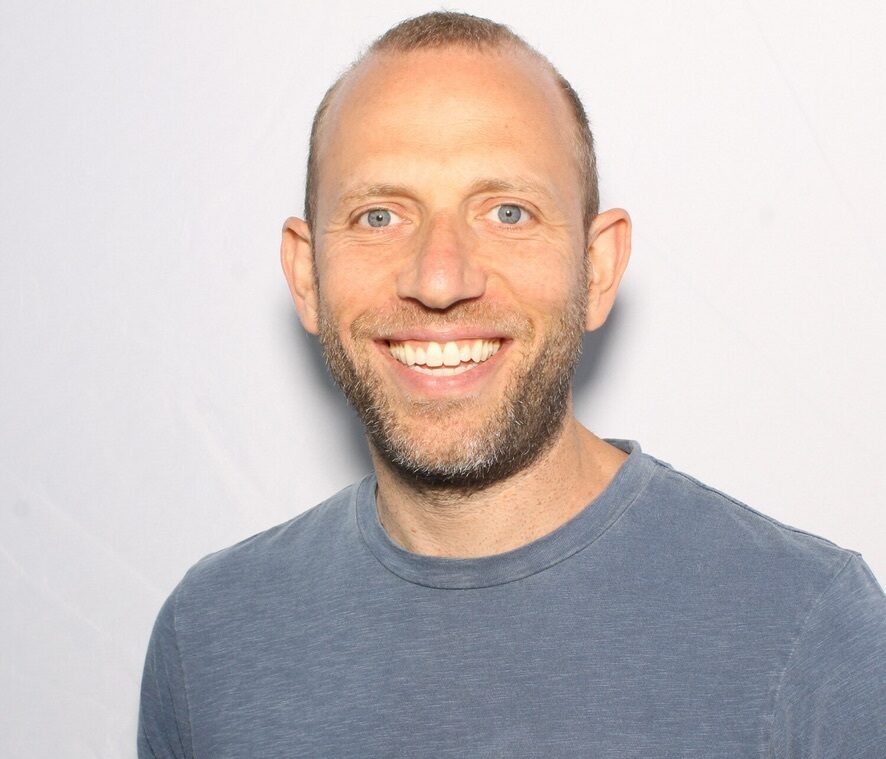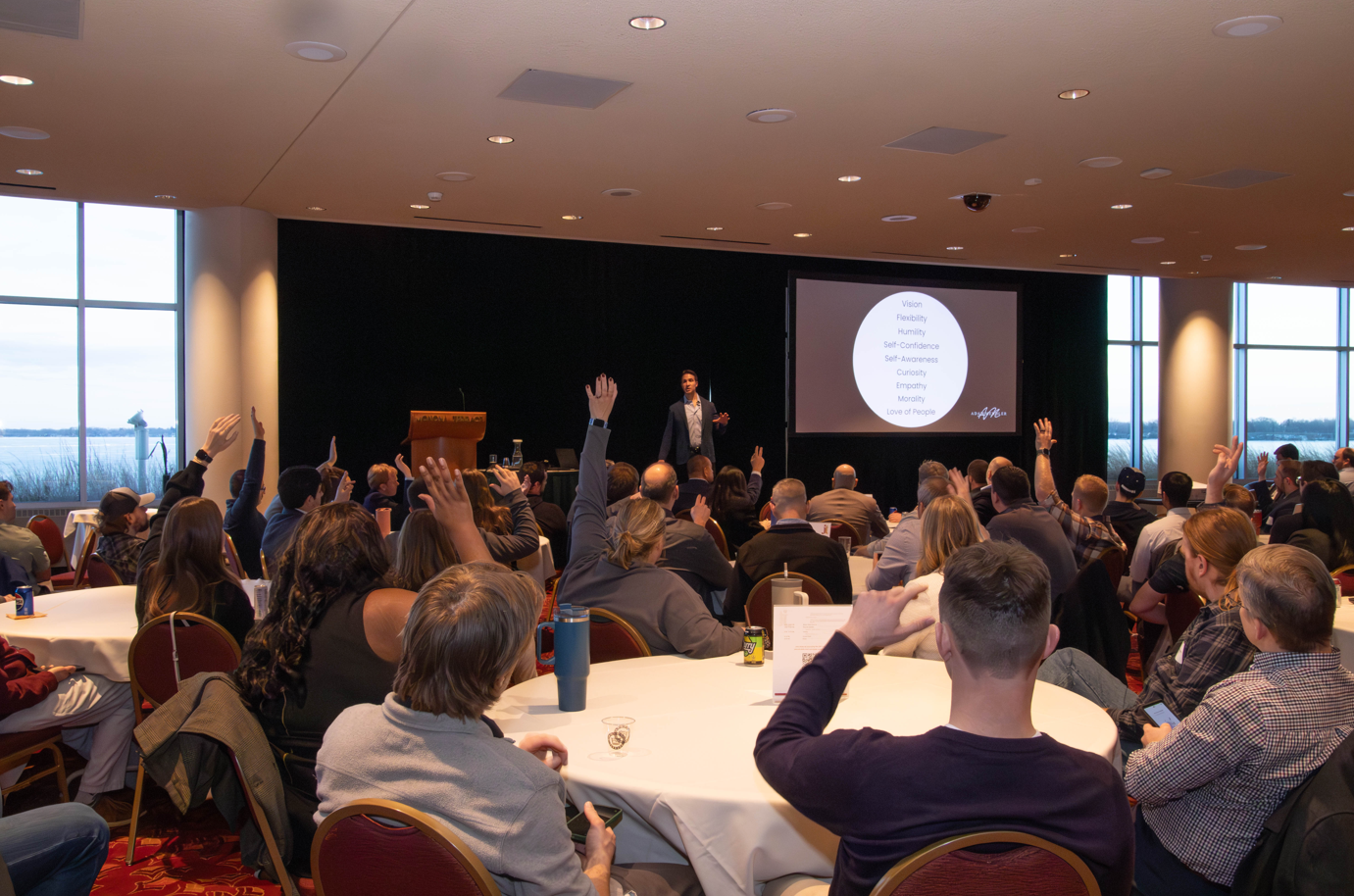

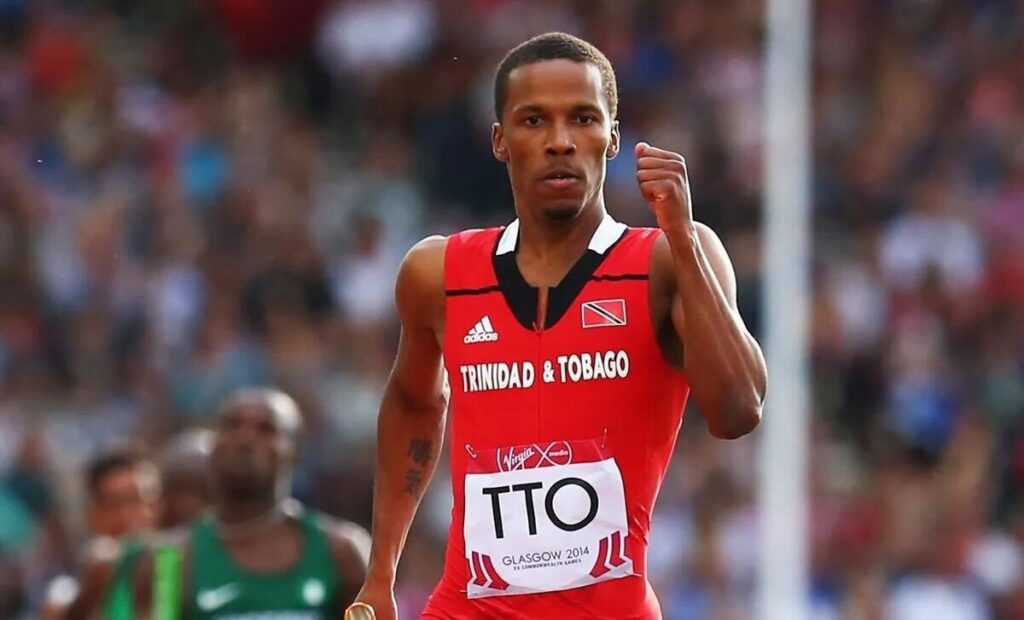
I recently went one-on-one with Zwede Hewitt. Zwede competed in track and field for Trinidad and Tobago in the 2008 Summer Olympics and is the Head of Partnerships at Impakt.
Adam: First things first, though, I am sure readers would love to learn more about you. How did you get here? What experiences, failures, setbacks, or challenges have been most instrumental to your growth?
Zwede: Well, I started in track and field, and I was fast from a young age. I got a full scholarship to Baylor, where I competed in NCAA Division 1 track & field and majored in business. After I graduated, I ran professionally for 4 years, competing for Trinidad & Tobago at the Commonwealth Games, World Championships, and Pan American Games. When I was transitioning out of track, I wanted to do something impactful and be in a fast-paced environment because that’s where I thrive. That’s when I got into technology. Technology moves pretty fast, and it’s a dynamic environment. It was a lot of learning, and the skills I had from track and field allowed me to be coachable and move at the pace I wanted to professionally. After the end of my Olympic career, I knew I had to transition in another direction. I wanted to take my athletic career into business, reshape how people understand and approach their fitness journey.
I experienced failure in my athletic career, and rather than dwelling on that, I used them as opportunities to pivot and pursue new passions while carrying forward the lessons I had learned.
Adam: What is your most meaningful memory from your Olympic experience? And what is something that would surprise people about the life of an Olympian?
Zwede: My most meaningful Olympic memory was just being a part of the team. I was injured in a pre-Olympic competition and ultimately wasn’t able to compete, even though I was there for the entire experience. In 2012, while competing at Baylor, I was shortlisted to represent my country in the 400 meters, but I suffered a stress fracture during the qualification process. Had I been able to compete, I likely would have been part of the team that went on to win a bronze medal. Being sidelined through this experience was the hardest thing I’ve ever faced, but I was proud to even be a part of it.
People think athletes train at maximum intensity every day. That is incorrect. Elite performance is built on precision, progression, recovery, and intelligent fueling. Training like an athlete means following a structured plan, tracking performance, and adjusting nutrition to support recovery. It is not about suffering. It is about consistency inside a feedback system.
Another thing that would surprise people is that Olympians are just normal people. They’re incredibly dedicated, but they still deal with the same emotions, pressures, and daily challenges everyone else does. Just because they are elite doesn’t mean they don’t fail. In fact, athletes fail more times than they succeed.
Adam: What are the best lessons you learned from your Olympic experience?
Zwede: The biggest lesson was learning how to handle disappointment and move forward quickly. In sports, as in business, things don’t always go as planned. What matters most is how you respond. My Olympic experience taught me to process failure, learn from it, and apply those lessons to the next opportunity without dwelling on the setback.
This has helped me to shape the future of training for athletes. Elite training is built on feedback loops, personalization, and discipline around fundamentals. Athletes track performance closely. They adjust nutrition based on output. They recover strategically. We apply those same principles through AI movement tracking and AI meal logging. The system adapts based on how you perform and how you fuel your body. That is how elite structure becomes accessible to everyday people.
Adam: How did you come up with your business idea and know it was worth pursuing? What advice do you have for others on how to come up with and test business ideas?
Zwede: Back in 2018, I founded LUHU, which stands for Let Us Help U. It was the first Caribbean-based financial tech company. The idea for this stemmed from the problems that people within my region of the world face around moving money and access to financial tools. My mission was to help people reconnect, communicate efficiently, and share resources in-network, something we never had before. We ended up partnering with the Trinidad & Tobago Olympic Committee and securing support for expansion from Silicon Valley-based accelerator programs.
Something I would tell someone who wants to come up with a business idea is to first look at real problems. What do people actually need? It’s not about just building something and trying to sell it. There are hours of hard work and trial and error that goes into making something successful. In fact, I failed many times, but I never lost sight of the end goal and why I wanted to create something that would help the people in my region.
Adam: What are the most important trends in technology that leaders should be aware of and understand? What should they understand about them?
Zwede: I believe leaders need to know that technology is moving fast and is only going to keep growing rapidly. Leaders need to be aware of the different shifts and directions technology is heading and constantly find new ways to adapt. It is impossible for a leader to be hands-on with everything, so their role is to guide their team to explore, understand new technologies, and bring insights to the table to help make better decisions and keep things running smoothly.
Leaders need to understand that we are living in a time where technology is creating new team structures between humans and AI agents. They have to be able to navigate emerging technologies as they come rather than just survive it.
Adam: In your experience, what are the defining qualities of an effective leader? How can leaders and aspiring leaders take their leadership skills to the next level?
Zwede: I believe that leaders need to understand that technology is moving fast and be generally aware of the different shifts and directions in which technology is heading. It is impossible for a leader to be hands-on with everything, so their role is to guide their team to explore, understand new technologies, and bring insights to the table to help leaders make the best possible decisions.
I find that the best leaders stand out because they lead with a strong collaboration of experience and intuition. They are able to lean on intuition to make successful decisions in moments of the unknown when experience or guidance may not be available. It’s important to differentiate the two because, as a leader, you set the example. Your decisions are a reflection of your character.
Adam: What is your best advice on building, leading, and managing teams?
Zwede: To build a strong team, you have to have people who you trust and who communicate effectively. I think trust is the foundation, and over time, when you present new roles and responsibilities to your team, you can see leadership potential. The best advice for building and leading teams is to work with good people who have the drive and will, as they can be trained in skills. Effective leaders should lead with empathy and treat their teams with respect and kindness, as this is the only way to retain people for the long-term journey of building scalable, sustainable organizations.
Adam: What are your three best tips applicable to entrepreneurs, executives, and civic leaders?
Zwede:
- Take risks and do not be afraid to fail. When you take a risk, it is your commitment to uncertainty, and you’re constantly making decisions without guarantees. The biggest moments in my career didn’t come from playing it safe. They came from leaning forward when it would’ve been easier to succumb to the pressure.
- Be a good listener. Listening takes discipline, especially when you’ve had previous success. Successful people learn from successful people. It’s important to surround yourself with the right people who will tell you when you make a mistake or need to change something to improve.
- The best tip I could give anyone is to be kind. I have learned the highest level of pressure exposes everything, and how you handle it represents your character. You need to make people feel valued and respected the same way you would expect from them. No team is ever successful when one person is not on the same page as others. If you create an environment where people can push themselves and still feel supported, you will be unstoppable.
Adam: What is the single best piece of advice you have ever received?
Zwede: The single best piece of advice I have received is to maintain faith and keep pushing when things don’t work out. Life can be challenging, but I think keeping a positive mindset and believing in the bigger picture helps you push through difficult moments and continue moving forward.