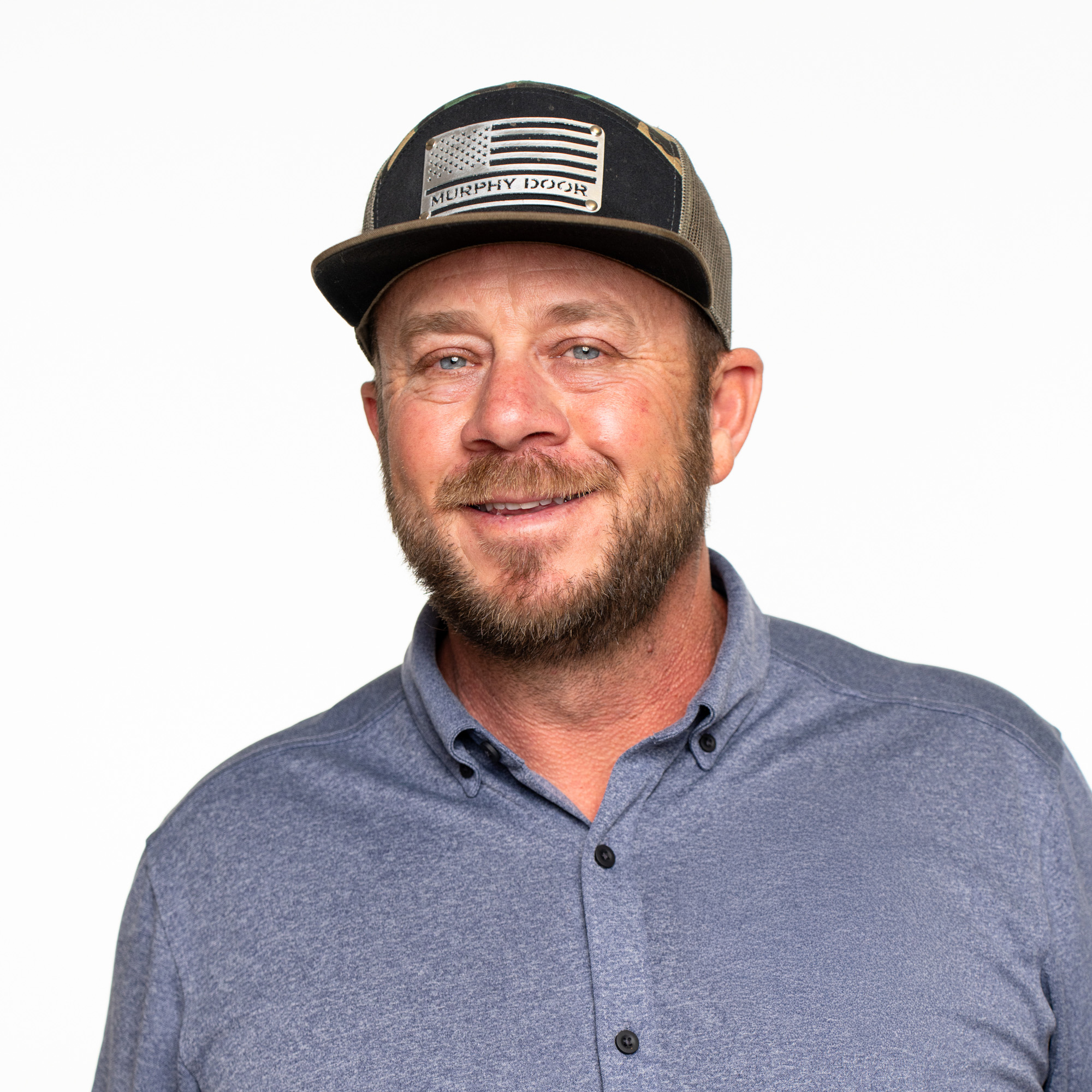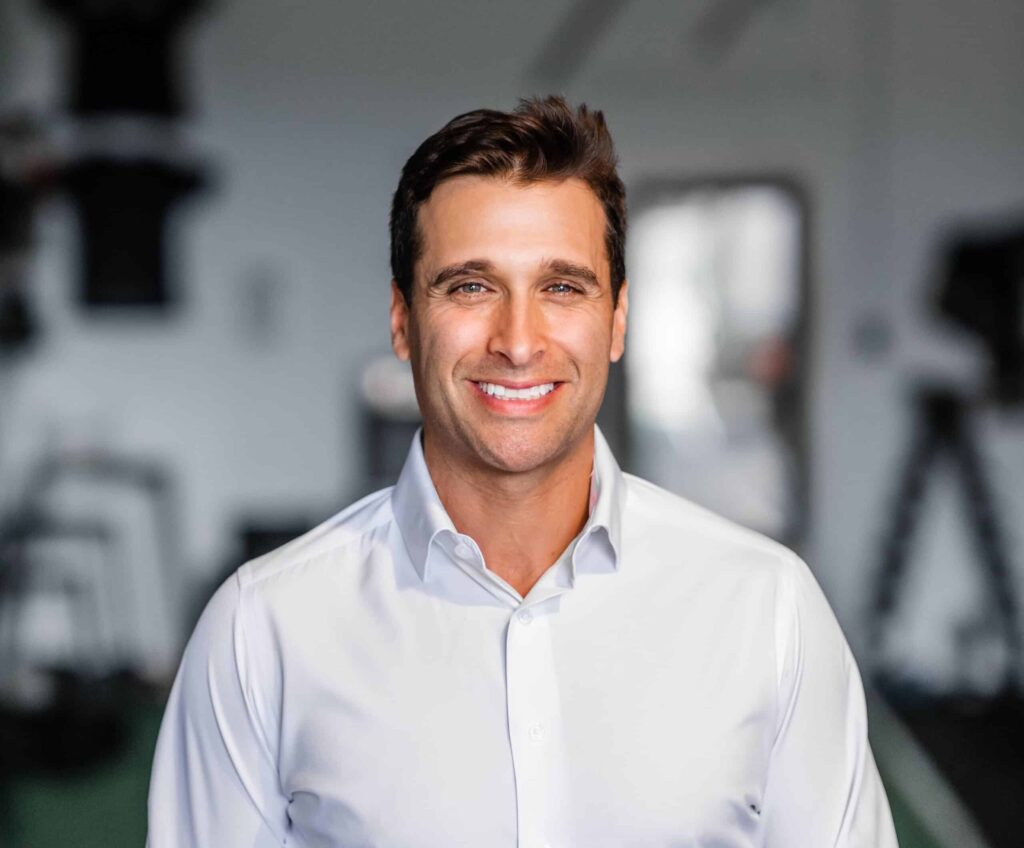
I recently went one-on-one with former NHL Player Ryan Vesce. Ryan is the co-founder and CEO of Matterhorn Fit.
Adam: Thanks again for taking the time to share your advice. First things first, though, I am sure readers would love to learn more about you. How did you get here? What experiences, failures, setbacks, or challenges have been most instrumental to your growth?
Ryan: I’ve always looked at my career as a series of opportunities that I had to earn. I played professional hockey for 14 years, including time in the NHL and throughout Europe, and hockey took me all over the world. I was never the biggest or most naturally gifted player, so I figured out pretty early that preparation, consistency, and resilience had to become advantages for me. Looking back, some of the experiences that shaped me the most were the ones that didn’t go according to plan. I got cut. I got sent down. I dealt with injuries. I changed teams, moved to different countries, and had to continually prove myself. At the time, those moments can feel like setbacks, but they force you to figure out who you are and how you’re going to respond.
When my playing career ended, I had to start over in a completely different way. I took a lot of what hockey taught me and applied it to building Matterhorn Fit. Today, I’m the CEO and co-founder, and we’re growing the company through franchising. Entrepreneurship has challenged me in completely different ways than hockey did, but the mindset is actually pretty similar. Surround yourself with great people, prepare, keep learning, compete, and when something doesn’t go your way, figure out why and keep moving forward.
Adam: What is the most surprising thing about life in the NHL? What is something that would shock fans?
Ryan: I think people would be surprised by how small the difference really is between players at that level. Everyone is incredibly talented. What separates players a lot of the time isn’t talent. It’s their preparation and their ability to get themselves in the right headspace to maintain confidence. Fans see the games, the travel, and everything that comes with playing professional sports, but they don’t always see the pressure behind it. You’re essentially being evaluated every day. There is always another really talented player trying to take your spot, so you learn pretty quickly that nothing is guaranteed. At the same time, I think people would be surprised by how normal the locker room is. You have some of the best athletes in the world sitting around joking with each other, talking about their families and doing the same things teammates do at every level of sports. That was always one of my favorite parts of playing.
Adam: What are the best lessons you have learned through your career in hockey that are applicable to those of us who will never earn on the ice?
Ryan: The biggest lesson hockey taught me was to focus on development rather than where I stood at that particular moment. I learned pretty early that comparing myself to other players, worrying about where I was playing, or focusing on things outside my control wasn’t going to help me get where I wanted to go. The one thing I could always control was whether I was getting better. That became a mindset for me. I stopped looking at development as something that happened during certain parts of the season and started looking at it as a constant process. What am I not good enough at yet? Where can I improve? What can I add to my game? I was never going to be the biggest or most naturally talented player, but I could keep closing the gap by becoming a better version of myself every year. That mindset also gave me patience. If you continue developing, your ceiling can be very different five years from now than what someone might see in you today.
As my career went on, I also started to understand how important belief was. I spent a lot of time working on the mental side of the game. I used visualization, self-affirmations, and different techniques to build confidence and put myself in the right headspace. I would visualize situations before they happened and see myself succeeding in them. At first, those things can feel a little uncomfortable, but once I experienced how powerful they could be, it completely changed the way I approached my career. I learned that what you believe about yourself matters. You still have to put in the work. Belief without preparation doesn’t get you very far. But when you combine preparation with a genuine belief in what you’re capable of, it’s incredibly powerful.
I apply those same principles to my life today. Whether I’m building Matterhorn Fit, working through a challenge, or pursuing something that feels a little outside my comfort zone, I try to see where I want to go, believe that I can get there, and then focus on developing the skills necessary to make it happen. Hockey taught me that you don’t have to be the most talented person in the room. Keep developing, keep believing, and give yourself the opportunity to become something you may not even be capable of seeing yet.
Adam: Who is the best teammate you ever had and why? What are the characteristics of a great teammate?
Ryan: It’s really difficult for me to name one because I was fortunate to play with some incredible teammates throughout my career. For me, the best teammates were always the people who had great character and genuinely put the team’s success ahead of their own individual success. They were dependable. You knew what you were getting from them every day, and you knew they cared about the person sitting next to them. They also knew when somebody needed encouragement and when somebody needed to be challenged. That’s a big part of being a great teammate. It isn’t just being positive all the time. Sometimes being a great teammate means having an uncomfortable conversation because you care about the person and the team.
Adam: Who are the greatest leaders you have played for and with and why?
Ryan: I played with and for a lot of great leaders, and one thing that always stood out to me was how different leadership could look from one person to another. Some guys were incredibly vocal. Other guys, like Patrick Marleau, were less vocal. You watched how he prepared, how he carried himself, and how consistently he competed, and that was enough. When someone like that did speak, people listened.
The best coaches I played for were similar. They made it very clear what was expected and then held everyone, including themselves, accountable to that standard. That has had a big influence on how I think about leadership today. I don’t think there is one personality type that makes somebody a great leader. You don’t have to be the loudest person in the room. What matters is credibility. People have to see that your actions match what you’re asking from them.
Adam: What do you believe are the defining qualities of an effective leader? How can leaders and aspiring leaders take their leadership skills to the next level?
Ryan: For me, leadership starts with being a great person and genuinely caring about your team, both personally and professionally. People know whether you actually care about them or whether you just care about what they can produce for you. Great leaders also create clarity. People should understand where you’re going, what’s expected of them, and why their role matters. Then you have to trust them and give them the confidence and opportunity to execute.
One of the biggest things I’ve learned while growing Matterhorn Fit is that your leadership has to evolve as the organization grows. Early on, you can personally touch almost everything. As you get bigger, that’s impossible. Your job becomes developing other leaders who understand the culture, believe in what you’re building and can carry those standards forward. I think one of the best ways to become a better leader is to spend less time thinking about how people are following you and more time thinking about how you’re helping the people around you become better.
Adam: What are your three best tips applicable to entrepreneurs, executives, and civic leaders?
Ryan: First, surround yourself with people who are better than you in areas where you need help. I’ve learned that the stronger the people are around me, the better our organization becomes.
Second, don’t wait until everything is perfect. It never will be. We’ve changed and improved countless things at Matterhorn Fit as we’ve grown. You need a clear vision of where you’re going, but you also have to be willing to execute, learn, and adjust along the way.
Third, stay connected to why you’re doing it. Growth, revenue, and results are obviously important, but they’re outcomes. For us at Matterhorn Fit, our purpose is inspiring hope by helping people move better, recover better, and perform at a higher level. When you have that kind of clarity around why you’re building something, it becomes a lot easier to make the difficult decisions that come with growth.
Adam: What is the single best piece of advice you have ever received?
Ryan: Control what you can control. I’ve probably heard that thousands of times throughout my life. As an athlete, I couldn’t control who was in the lineup, what a coach thought, whether I scored that night, or what opportunities I was going to get. I could control how prepared I was, how hard I competed, and how I responded. I try to carry that with me today. There are a million things you can worry about when you’re building a business, raising a family, or just dealing with life. Most of them you can’t control anyway. The more energy you spend worrying about those things, the less energy you have for the things you can actually impact.
Adam: What can anyone do to pay it forward?
Ryan: I think paying it forward starts with being willing to invest your time and experience in other people. You don’t need a certain title, a lot of money, or a huge platform to make an impact. Sometimes it’s as simple as taking the time to help someone who is trying to get where you’ve already been. I’ve had so many coaches, teammates, mentors, and people throughout my life who gave me their time, believed in me, or helped open a door for me. That’s something I try to do today, whether it’s with our team at Matterhorn Fit, young athletes I coach, or anyone I can help. Sometimes providing someone with some confidence and belief in themselves can have a much bigger impact than you realize.
Adam: Is there anything else you would like to share?
Ryan: I’m really excited about where we’re going with Matterhorn Fit. We’re expanding quickly through franchising, but for us, growth isn’t just about opening more locations. It’s about finding the right people to lead them. We’re looking for leaders who want to build something, have a positive impact on their communities, and believe in what we’re trying to create. Some of those people may come from athletics, health and performance, or completely different backgrounds. What matters most to me is their character, their leadership ability, and their desire to help people. That’s probably what excites me most about this next stage. We’re not just expanding Matterhorn Fit. We’re creating opportunities for great people to become leaders and business owners while bringing something meaningful to their communities.